





























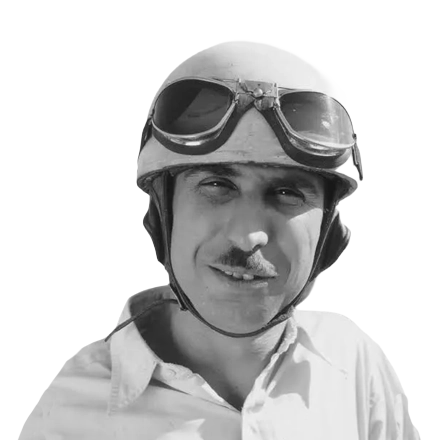
Born Maurice Rose on 26 May 26 1906, in Columbus, Ohio, Mauri Rose carved out one of the most compelling careers in American open-wheel racing. A three-time winner of the Indianapolis 500 (1941, 1947, 1948) and the AAA National Champion in 1936, Rose combined fierce competitiveness with an independent streak that made him unforgettable. He passed away on 1 January 1981, at age 74, in Royal Oak, Michigan.
| Nationality | American |
|---|---|
| Born | Maurice Rose 26 May 1906 Columbus, Ohio, U.S. |
| Died | 1 January 1981 (aged 74) Royal Oak, Michigan, U.S. |
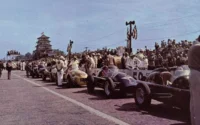
Rose’s relationship with the Indianapolis 500 was a marathon, not a sprint. From 1933 onward, he started every running of the race for nearly two decades, patiently building experience and credibility. His breakthrough moment came in 1941, when he finally secured his first pole position, placing his Maserati at the front of the field. Fate, however, intervened early: spark plug trouble ended his own run after 60 laps.
What followed became Indy folklore. On lap 73, Rose climbed into the Wetteroth/Offenhauser machine originally started by Floyd Davis, who had qualified 17th. From there, Rose drove a calm, commanding race to victory—his first Indianapolis 500 win, earned through adaptability and resolve rather than sheer luck.
The Blue Crown era: brilliance and controversy
After World War II, Rose’s career reached its peak. In 1947 and 1948, he won back-to-back Indianapolis 500s in the iconic Diedt/Offenhauser Blue Crown Spark Plug Specials, prepared and owned by veteran racer Lou Moore.
The 1947 race, in particular, became legendary. Late in the event, Rose was running second behind his rookie teammate Bill Holland. Both drivers received a pit-board message reading “EZY,” instructing them to conserve and hold position. Holland slowed, assuming he held a comfortable margin. Rose did not. Ignoring the signal, he closed rapidly—and, to his astonishment, Holland waved him through without a fight. Holland believed he was more than a lap ahead, when in reality the gap was only seconds. Rose took the win; Holland took the misunderstanding personally, fuming after the finish.
Two years later, history nearly repeated itself. In 1949, Holland again led with Rose chasing late. Once more, Rose ignored Moore’s “EZ” instructions and pressed hard for the lead. This time, the gamble failed: Rose’s car broke before he could pass, while Holland cruised to victory. Moore, furious at the repeated defiance, dismissed Rose immediately after the race.
The final laps and a graceful exit
Rose made his 15th and final Indianapolis 500 start in 1951. An accident ended his race after 126 laps, and at 45 years old, he stepped away from competition, eventually settling in California. His bond with Indianapolis never faded, however—he was invited back in 1967 as the official pace car driver, a symbolic full circle for one of the Speedway’s great figures.
Across his Champ Car career, Rose competed in 36 races over 16 years, earning six wins, 14 podium finishes, and one pole position. His AAA National Championship title in 1936 remains a cornerstone of his résumé.
World Championship recognition
When the Indianapolis 500 was incorporated into the FIA World Drivers’ Championship from 1950 to 1960, Rose’s appearances at the Speedway counted toward global standings. He competed in two World Championship events (1950 and 1951), driving for Diedt. Rose finished on the podium once and accumulated four championship points, a notable achievement in an era when few American drivers engaged with the international points system.
Life beyond the cockpit
Away from the track, Rose worked for General Motors, both during and after his racing career. He played a significant role in transforming the Chevrolet Corvette from a stylish concept into a genuinely competitive racing platform, contributing practical racing insight to engineering development.
Despite his professional triumphs, Rose measured his life’s greatest success elsewhere. Both of his children were disabled by polio, an experience that reshaped his priorities. Motivated by their needs, Rose invented a device that allowed people without the use of their legs to drive an automobile—an innovation he regarded as more meaningful than any trophy or checkered flag.
Mauri Rose Formula One World Championship career
| F1 Career | 1950–1951 |
|---|---|
| Teams | Diedt |
| Entries | 2 |
| Championships | 0 |
| Wins | 0 |
| Podiums | 1 |
| Career points | 4 |
| Pole positions | 0 |
| Fastest laps | 0 |
| First entry | 1950 Indianapolis 500 |
| Last entry | 1951 Indianapolis 500 |