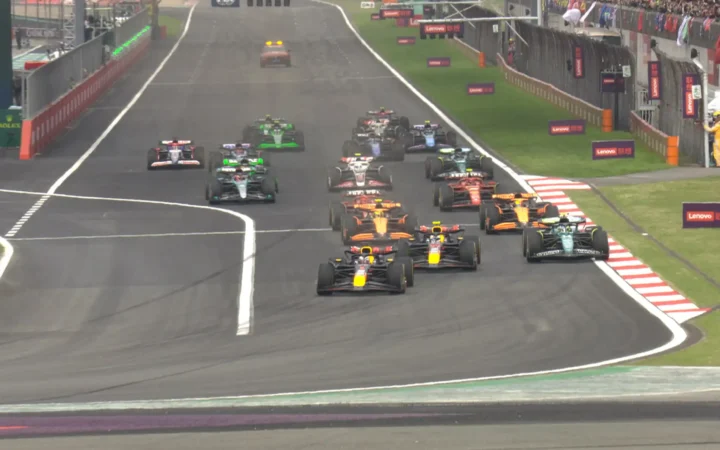








































Shanghai delivers one of Formula 1’s most unique contrasts — a futuristic megacity backdrop paired with a purpose-built circuit designed for overtaking, strategy, and spectacle.
Located on the outskirts of China’s largest city, the Shanghai International Circuit has been a staple of the F1 calendar since its debut in 2004. Designed by renowned circuit architect Hermann Tilke, it was one of the first modern venues built entirely from scratch, setting the template for a new generation of Formula 1 tracks.
Chinese Grand Prix
Shanghai International Circuit

Laps 56
First Grand Prix 2004
Circuit Length 5.451 km
Race Distance 305.066 km
With its distinctive layout inspired by the Chinese character “上” (shàng), meaning “above” or “ascend”, the circuit combines long straights with technical corners. The never-ending opening right-hander, tightening into a snail-like spiral, is one of the most recognisable sequences in Formula 1.
Shanghai has delivered memorable moments over the years, from Lewis Hamilton’s dominant performances to Daniel Ricciardo’s stunning charge to victory in 2018, featuring a series of bold overtakes that showcased the circuit’s racing potential. The track also hosted Formula 1’s landmark 1000th World Championship race in 2019.
While the atmosphere inside the circuit can feel more subdued than at traditional European venues, Shanghai makes up for it with its scale, accessibility, and the sheer spectacle of racing against one of the world’s most dramatic skylines.
Chinese Grand Prix: What Makes Shanghai Special
The Shanghai International Circuit is built for overtaking. It’s long back straight — over 1km in length — funnels cars into a heavy braking zone at the hairpin, creating one of the best passing opportunities on the calendar.
See also…
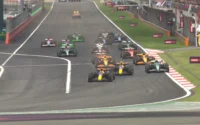
The opening complex is equally challenging. Drivers carry speed into an ever-tightening right-hander before switching direction into a flowing sequence that rewards patience and precision. Tyre management is often critical here, with the front tyres taking significant punishment over a race distance.
From the grandstands, visibility is a major highlight. The circuit was designed with spectators in mind, offering wide sightlines and elevated viewing positions — particularly from the main grandstand, where large sections of the track are visible.
Even when Shanghai’s characteristic haze rolls in, the scale of the venue and the speed of modern F1 cars ensure a race that feels fast, technical, and unpredictable.
F1 Spectator Tips for Shanghai
- Use the metro — it’s the easiest option
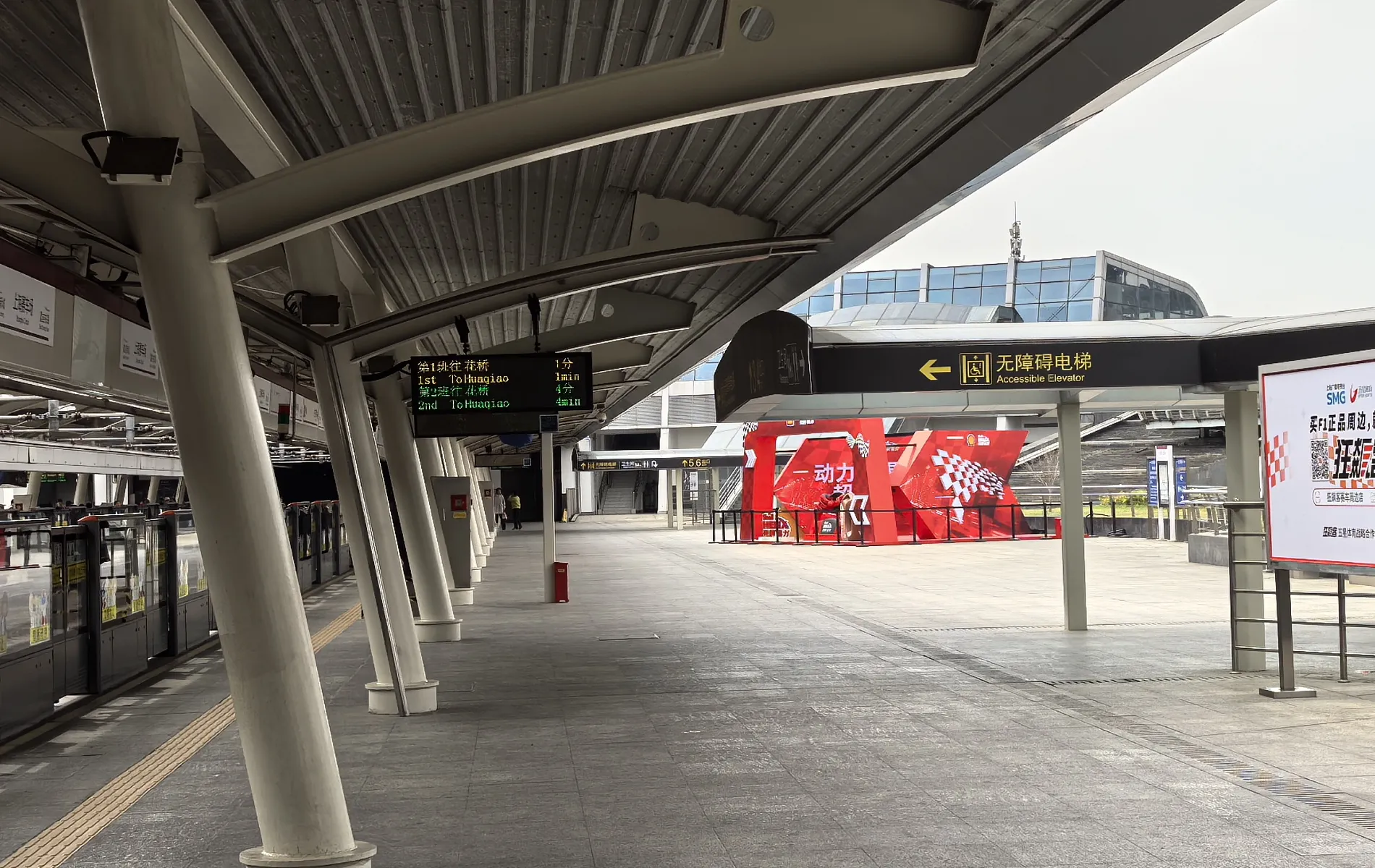
Line 11 takes you directly to Shanghai Circuit Station, just a short walk from the main entrance. - Buy a travel pass
A one or three-day metro pass can save time and money across the race weekend. - Bring snacks and water
Food options inside the circuit can be limited, but vendors outside often sell affordable alternatives. - Prepare for queues
Entry gates and transport can get busy, especially on race day — arrive early where possible. - Check the weather forecast
Shanghai’s conditions can change quickly, so pack layers and a rain jacket.
Getting to Shanghai International Circuit
Despite the city’s size, getting to the circuit is straightforward thanks to Shanghai’s excellent public transport network.
- Nearest major hub: Central Shanghai
- Main access: Shanghai Circuit Station (Metro Line 11)
- Travel time: ~60 minutes from downtown
The metro is by far the most efficient way to reach the track. Tickets are inexpensive, and services run frequently throughout the Grand Prix weekend.
Driving is not recommended, as access roads around the circuit are restricted and parking is extremely limited.
Things to Do Near Shanghai
The Bund
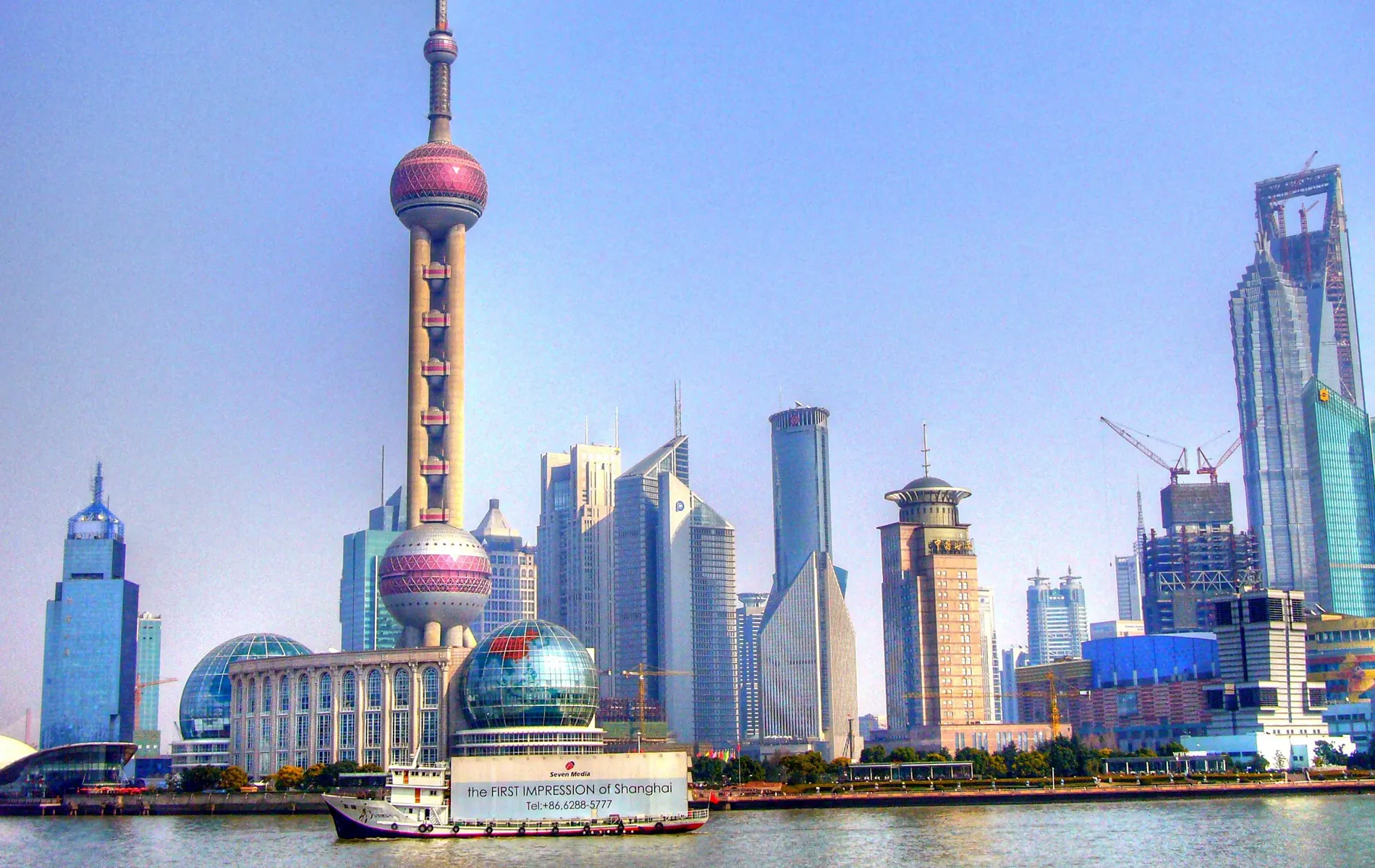
A stroll along the Bund is essential for any first-time visitor. This historic waterfront promenade stretches along the Huangpu River, offering incredible views of Shanghai’s futuristic skyline. By night, the illuminated skyscrapers create one of the most iconic cityscapes in the world.
Location: Central Shanghai
Entry: Free
Best time: Evening
Shanghai Museum
One of China’s finest cultural institutions, the Shanghai Museum houses over a million artefacts, including ancient bronzes, ceramics, jade, and traditional artwork. Its design, inspired by a bronze ding vessel, reflects the balance between history and modernity.
Entry: Free
Hours: 9 am–5 pm
Zhujiajiao Water Town
Often referred to as the “Venice of Shanghai”, Zhujiajiao is a 1,700-year-old water town featuring canals, stone bridges, and traditional architecture. It offers a peaceful contrast to the city’s fast-paced energy.
Travel time: ~1 hour from Shanghai
Shanghai Tower & Oriental Pearl Tower
Shanghai’s skyline is defined by its skyscrapers. The Shanghai Tower, the second-tallest building in the world, offers breathtaking views from its observation deck, while the Oriental Pearl Tower provides a unique glass-floor experience high above the city.
Food & Drink
Shanghai is one of Asia’s great culinary cities, offering everything from traditional street food to world-class dining experiences.
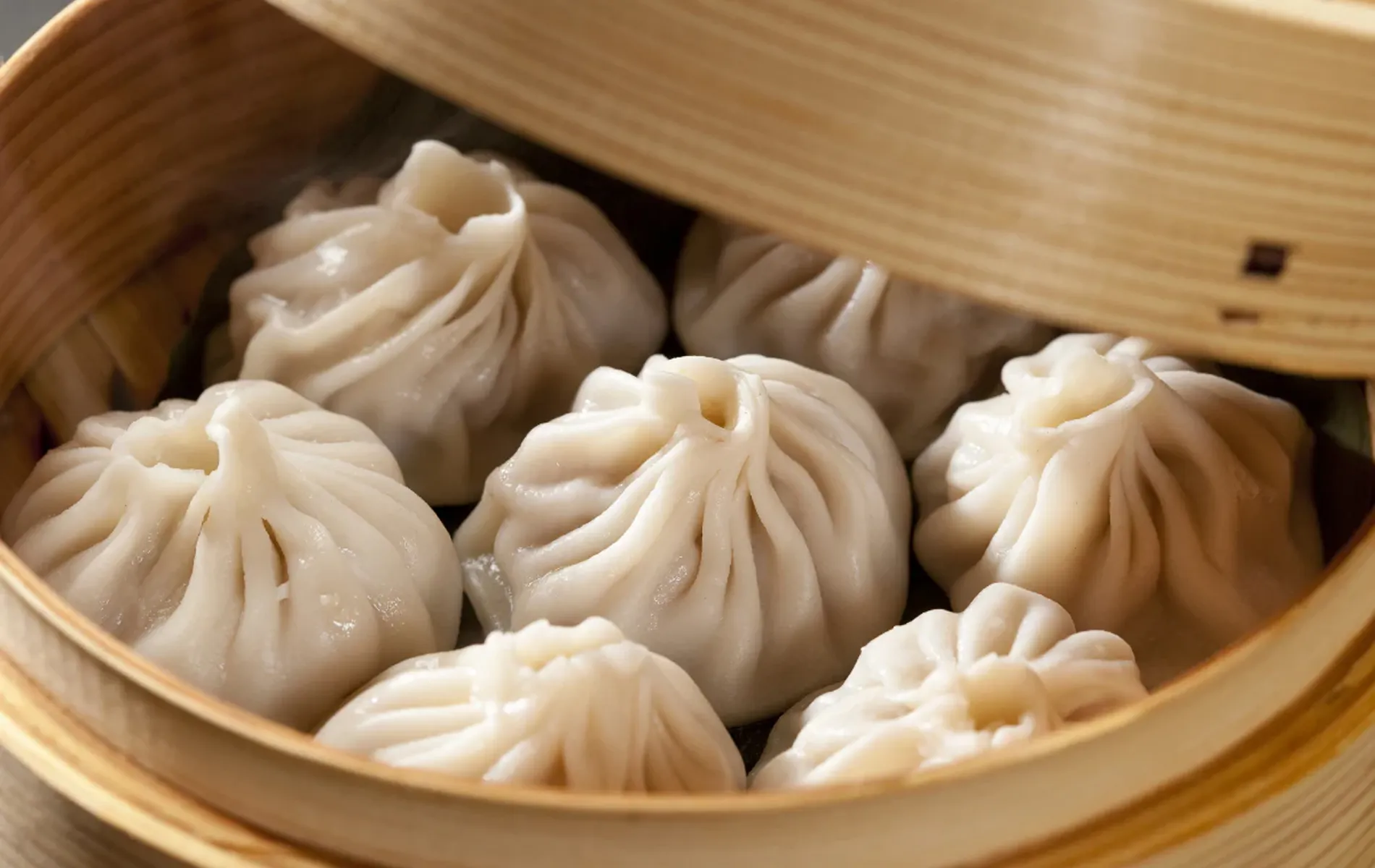
- Xiaolongbao (soup dumplings) are a local speciality — delicate parcels filled with hot broth and meat.
- Street markets serve everything from skewers to noodles, offering quick and affordable meals.
- International cuisine is widely available, with options ranging from Italian to Japanese and beyond.
- Nightlife thrives along streets like Changle Road, which is home to rooftop bars, clubs, and other late-night venues.
Whether you’re grabbing a quick bite between sessions or dining out in the city, Shanghai offers something for every taste.
Weather & Climate
The Chinese Grand Prix typically takes place in March, as Shanghai transitions from winter into spring.
- Average highs: 13–18°C
- Average lows: 7–10°C
- Conditions: Changeable, with possible rain and occasional haze
Pack for all conditions — it can feel warm in the sun but quickly turn cool, especially in the grandstands.
Essential Travel Information
| Category | Details |
|---|---|
| Language | Mandarin Chinese |
| Currency | Chinese Yuan (CNY) |
| Time Zone | UTC +8 |
| Electricity | 220V, Type I (plus A/C in some hotels) |
| Population | ~24.9 million |
Final Thoughts
The Chinese Grand Prix offers something completely different to the traditional European races. From its modern circuit design and overtaking opportunities to the sheer scale of Shanghai itself, this is a destination that combines racing with one of the world’s most dynamic cities.
It may not have the same trackside atmosphere as some historic venues, but what it lacks in noise it makes up for in spectacle, accessibility, and the chance to explore a truly global megacity.
Seen in: