


















































Top 10 Lists in F1 is a collection of best-of rankings covering standout drivers, races, records, teams, and major moments from across Formula 1 history.
-

Every F1 Grand Slam by British Drivers
Explore every F1 Grand Slam by British drivers, from Jim Clark's record eight to George Russell's Baku breakthrough, with a full list and race detail.
-
Every F1 Race Held On A Saturday
Every Saturday F1 race, from Silverstone in 1950 to today. Explore the history, the 38-year gap and the complete list of Saturday championship races.
-

10 Biggest F1 Pole Margins Since 2016
From Verstappen's wet Montreal masterclass to Russell's Baku stunner, explore F1's 10 biggest qualifying margins since 2016 and why they still matter.
-
Every F1 Race Held Outside The Countries They Were Named After
From San Marino in Italy to Bahrain in Malaysia, discover F1 Grands Prix held outside the countries named in their titles—and why they raced there.
-
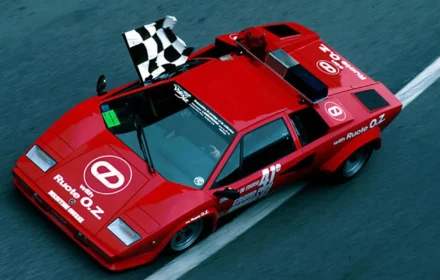
11 Coolest Safety Cars in F1 History
From a yellow Porsche at Mosport to a 2026 AMG, explore 11 unforgettable F1 safety cars and the races, quirks, and safety lessons behind their legacy.
-
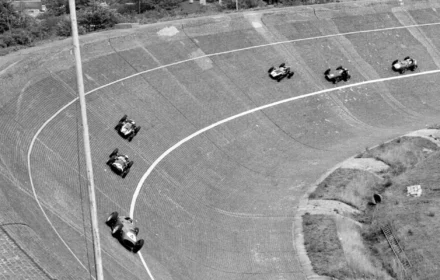
F1’s 6 Steepest Banked Corners: From Indianapolis to AVUS
From Indianapolis to AVUS, discover F1's steepest banked corners and how Zandvoort and Madrid brought banking back to modern Formula 1.
-
5 Races in F1 History With Zero On-Track Overtakes
Five F1 races recorded zero on-track overtakes. From Monaco to Spa, discover how strategy, circuit design, controversy and rain made history.
-
11 Most Recent Winners at Brand New F1 Circuits
From Madrid 2026 to Buddh 2011, meet the 11 drivers who won on an F1 circuit's debut—and see how pole, passing and strategy shaped each debut F1 race.
-
7 Closest Finishes in Formula 1 History
Discover the seven closest finishes in F1 history, from Senna vs Mansell to the astonishing 0.010-second showdown at Monza in 1971.
-
10 Biggest Driver Transfers in F1 History
From Fangio’s mid-season switch to Hamilton joining Ferrari, these are the F1 driver transfers that shocked the paddock and reshaped the sport.

How do we rate F1?
Our Top 10 lists rank the greatest drivers, cars, races, records, and moments in Formula 1 history. Learn how these rankings are built, how often they’re updated, and where to start if you’re new to F1.
-
What are “Top 10 Lists in F1”?
-
How do you decide the rankings in each top 10 list?
Rankings are based on a mix of measurable performance (wins, titles, podiums, poles, longevity) plus historical context (era strength, competition level, significance, and influence on the sport).
-
Are these lists based on stats, opinion, or both?
They’re a blend of both. Stats help anchor the list, but context matters in F1—rule changes, reliability, and competitive eras can dramatically affect results.
-
Do you update top 10 lists when new seasons happen?
Yes—lists can be updated as current drivers add results, records are broken, or new context changes how an era is viewed. Many articles on the site show published and updated dates.
-
What’s the difference between Top 10 lists and your Records pages?
Top 10 lists are ranked, and editorial explainers. Records pages are structured, stats-first reference guides (e.g., most wins, most poles, youngest drivers, and more).
-
What eras of F1 do these lists cover?
They cover the full span of Formula 1 history—from early decades through modern seasons—so you’ll see names and events from multiple generations of the sport.
-
Where should I start if I’m new to F1 history?
A good starting point is broad “greatest of all time” rankings (like best drivers) or lists tied to easily understood topics (youngest drivers, unbreakable records, dramatic race outcomes).
-
Do you include modern F1 drivers in historical rankings?
Yes—modern drivers are included where their achievements and impact warrant it, with era context to compare fairly against earlier generations.
-
Why do some lists include more than 10 entries?
Sometimes a topic benefits from a broader set (e.g., unusual outcomes or edge cases), so you may see “top list” formats that go beyond 10 to ensure complete coverage.
-
Can I suggest a topic or report an error in a list?
Yes—many pages include a “Report an Error” option, and the site has dedicated contact/report pages for feedback.


