





























George Russell’s 2026 Azerbaijan Grand Prix pole looked like a timing-screen error. His 1:42.526 around Baku was 0.837 seconds faster than Charles Leclerc’s best lap. Oscar Piastri was just 0.001 seconds behind Leclerc, making the gulf between first and second even more striking.
That result joins a remarkable collection of qualifying sessions: rain-soaked laps, sudden red flags, a dominant Ferrari at Spa and two extraordinary Mercedes performances on the same Baku streets. Here are the ten largest gaps between the quickest and second-quickest times in Grand Prix qualifying from the start of the 2016 season through the 2026 Azerbaijan Grand Prix.
What to know
- Max Verstappen leads the list with a 1.244-second qualifying gap in Canada in 2023.
- George Russell’s 0.837-second Baku margin in 2026 ranks fourth.
- Three gaps exceed one second; each came in wet or changeable qualifying conditions.
- The ranking compares qualifying laps before grid penalties: Verstappen was fastest at Spa in 2023, while Charles Leclerc started the race from pole.
| Rank | Grand Prix | Fastest qualifier | Second-fastest qualifier | Gap |
|---|---|---|---|---|
| 10 | 2016 Russian Grand Prix | Nico Rosberg | Sebastian Vettel | 0.706s |
| 9 | 2018 Belgian Grand Prix | Lewis Hamilton | Sebastian Vettel | 0.726s |
| 8 | 2019 Belgian Grand Prix | Charles Leclerc | Sebastian Vettel | 0.748s |
| 7 | 2016 European Grand Prix | Nico Rosberg | Sergio Pérez | 0.757s |
| 6 | 2022 Emilia Romagna Grand Prix | Max Verstappen | Charles Leclerc | 0.779s |
| 5 | 2023 Belgian Grand Prix | Max Verstappen* | Charles Leclerc | 0.820s |
| 4 | 2026 Azerbaijan Grand Prix | George Russell | Charles Leclerc | 0.837s |
| 3 | 2017 Italian Grand Prix | Lewis Hamilton | Max Verstappen | 1.148s |
| 2 | 2020 Styrian Grand Prix | Lewis Hamilton | Max Verstappen | 1.216s |
| 1 | 2023 Canadian Grand Prix | Max Verstappen | Nico Hülkenberg | 1.244s |
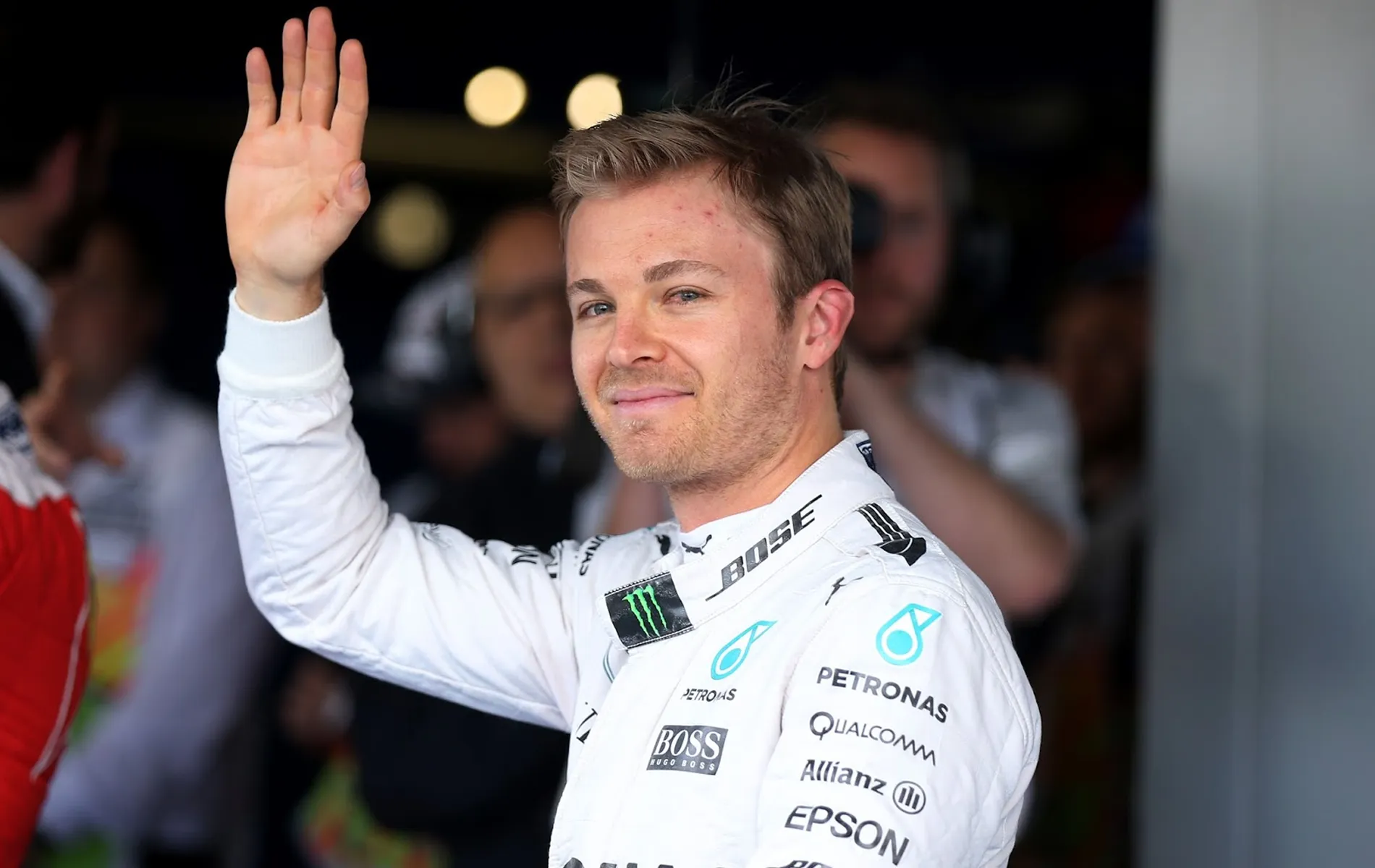
10. Nico Rosberg, 2016 Russian Grand Prix — 0.706s
At Sochi, Rosberg’s 1:35.417 was 0.706 seconds faster than Sebastian Vettel’s best Q3 time. Mercedes team-mate Lewis Hamilton had reached the final session but could not set a lap after a power-unit issue. But come race day, Vettel then took a grid penalty, so Valtteri Bottas joined Rosberg on the front row.
Rosberg won the race, extending the winning start to the campaign that eventually delivered his only world championship. The large qualifying margin was real, but it also came in a session without a final Hamilton lap to use as a Mercedes benchmark.
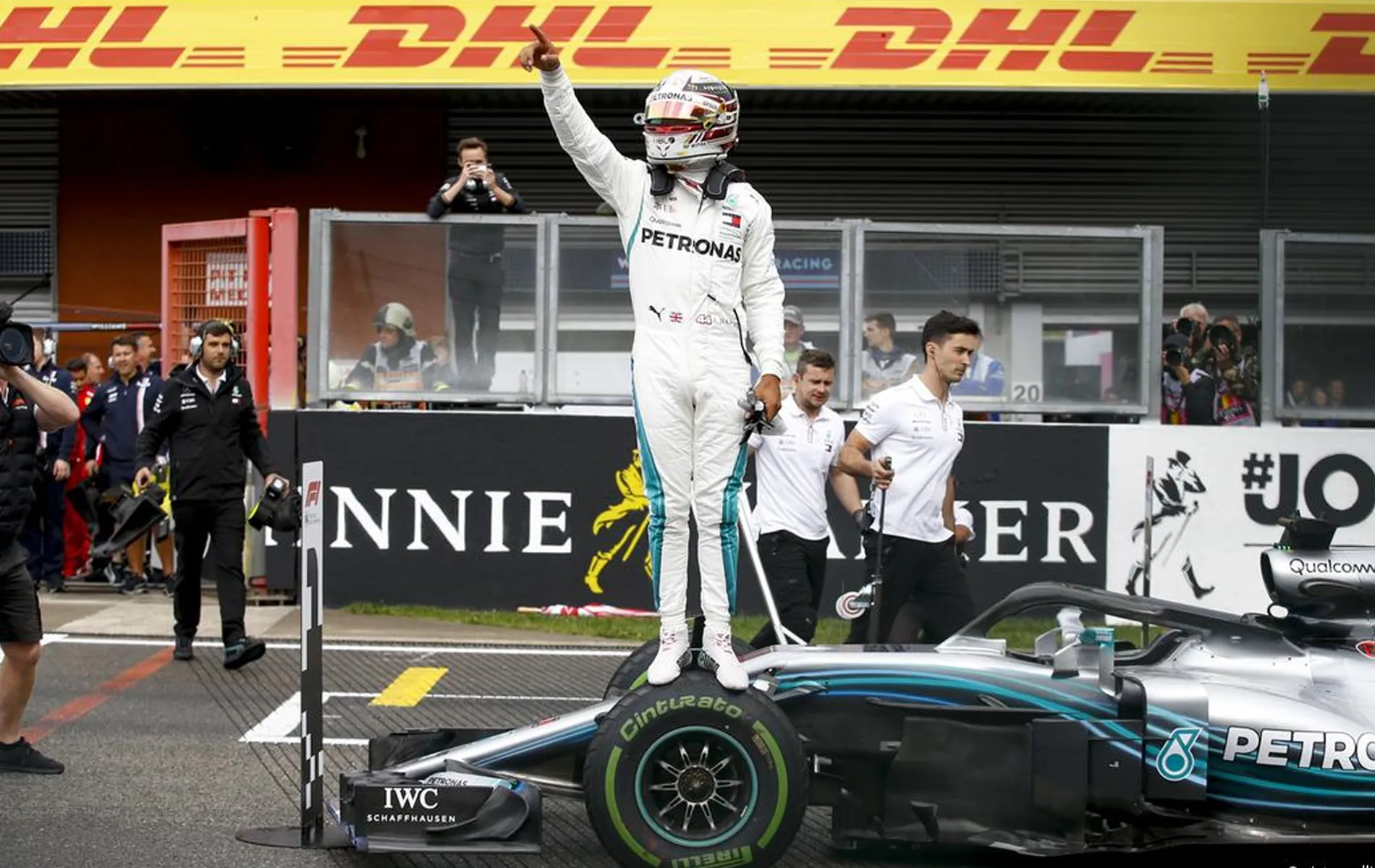
9. Lewis Hamilton, 2018 Belgian Grand Prix — 0.726s
For two sessions at Spa, Ferrari looked capable of taking pole. Vettel led Q2, but rain reached the circuit for Q3. Lewis Hamilton judged the changing grip best and set a 1:58.179, leaving Vettel on 1:58.905.
The 0.726-second gap says as much about the timing of a lap in unsettled weather as it does about outright car performance. A dampening Spa lap can reward confidence on the brakes and a well-timed tyre run within minutes. While Hamilton took pole, Vettel beat him in the dry race. It is a useful reminder that a commanding Saturday gap doesn’t always convert directly into a prediction for Sunday.
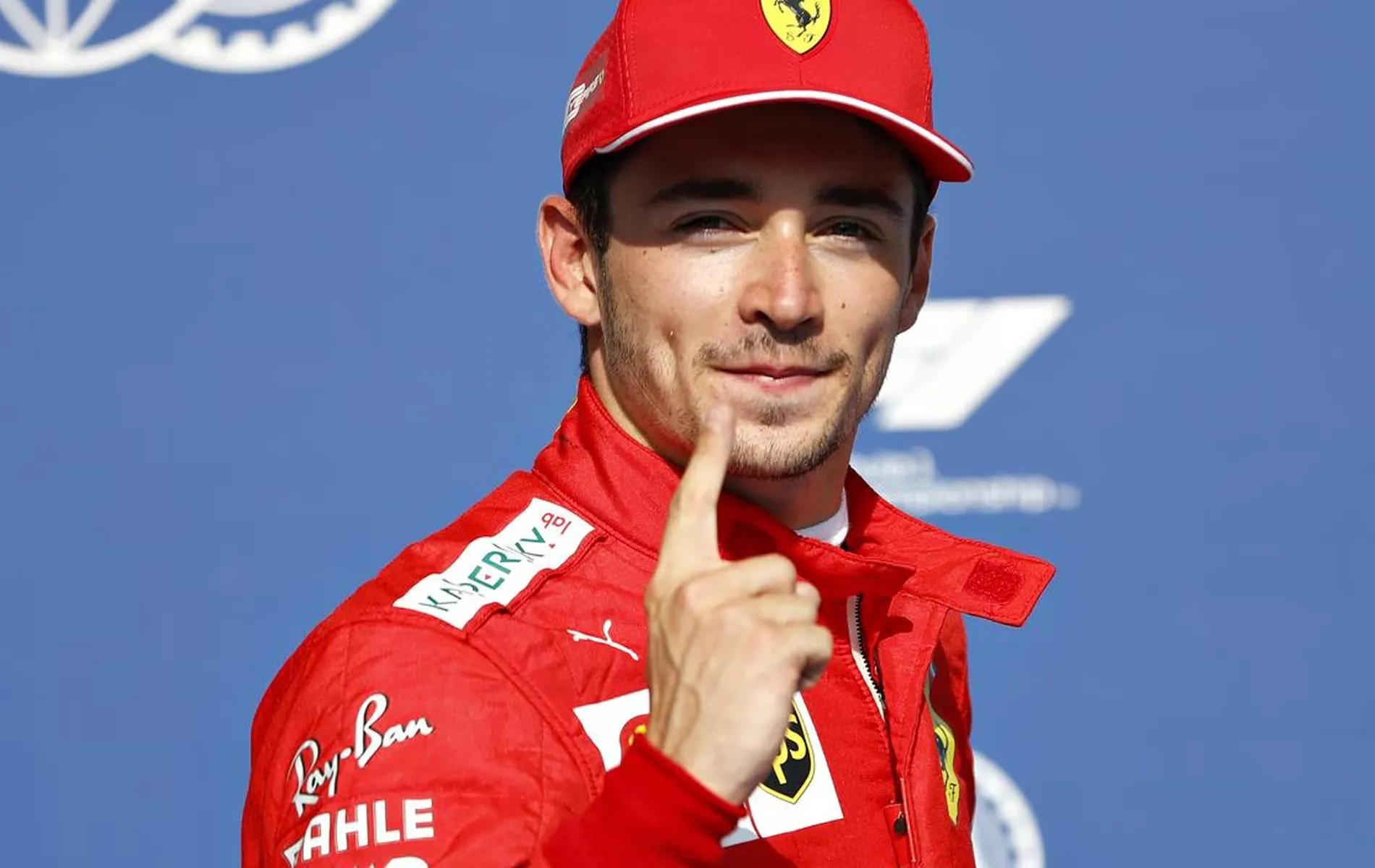
8. Charles Leclerc, 2019 Belgian Grand Prix — 0.748s
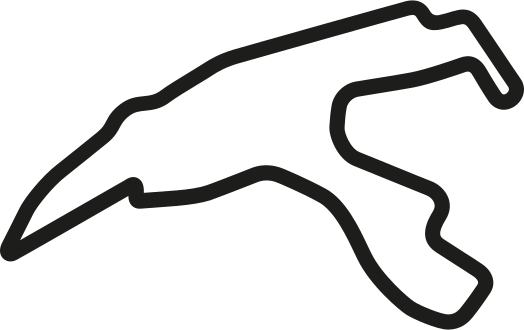
Charles Leclerc was in a league of his own over one lap at Spa in 2019. He recorded 1:42.519 while his team-mate Vettel was next on 1:43.267. Unlike several entries here, this was a dry qualifying performance, with P2 driving the same car.
That intra-team comparison makes the margin particularly memorable. The 0.748-second advantage was the largest pole-to-second gap recorded up to that point in the 2019 season. Leclerc then won the Belgian Grand Prix, his first Formula 1 victory. In this case, that single-lap speed translated into a landmark race result, even though the race itself was far closer than qualifying.
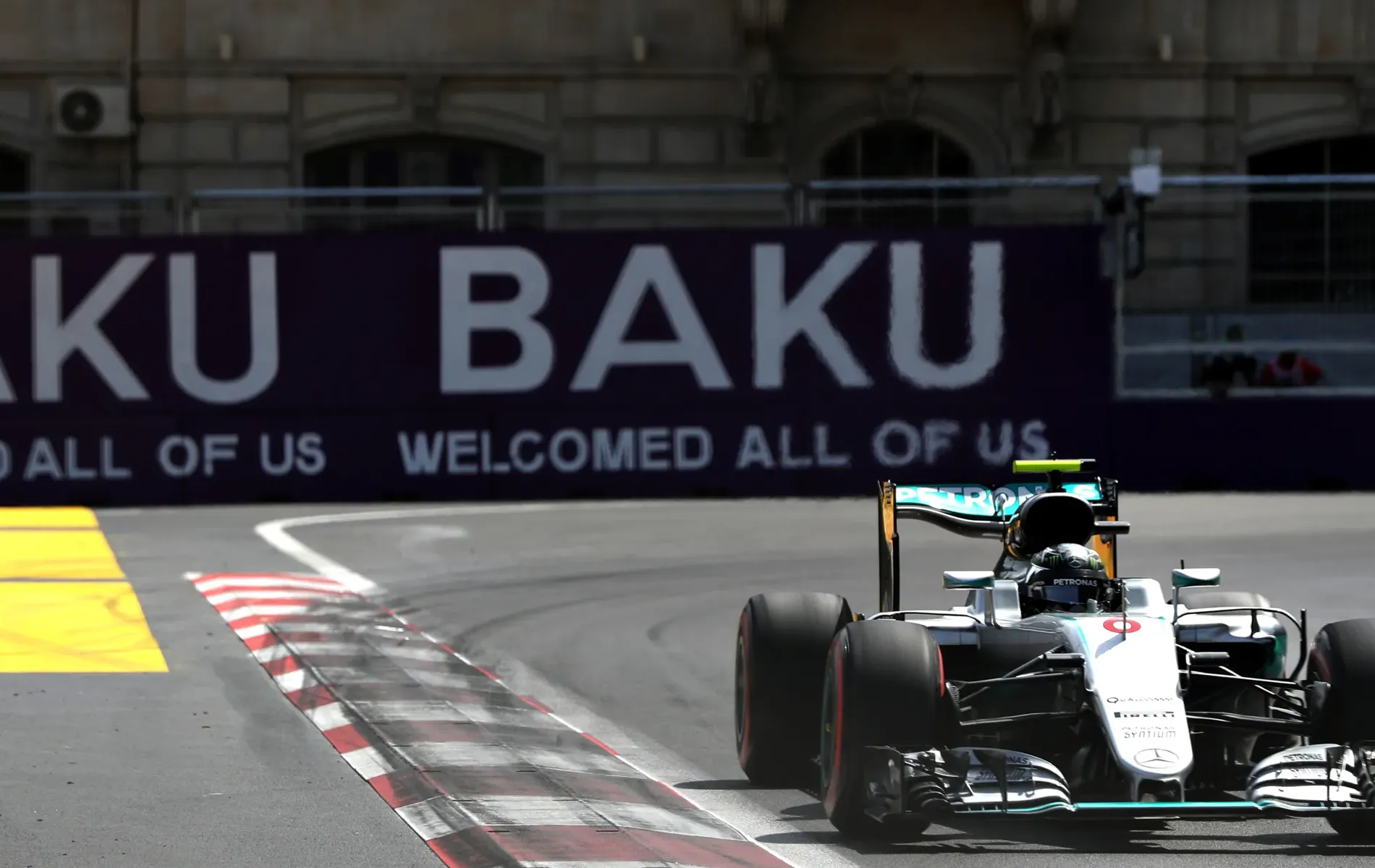
7. Nico Rosberg, 2016 European Grand Prix — 0.757s
Baku first appeared on the F1 calendar as the European Grand Prix in 2016. Rosberg mastered the unfamiliar street circuit with a 1:42.758, 0.757 seconds ahead of Sergio Pérez. Hamilton hit the wall in Q3 and ended the session tenth, removing the team-mate who might otherwise have challenged the leading Mercedes.
Pérez’s gearbox penalty later changed the grid order, but it does not change the qualifying gap. Rosberg also won the race. A decade on, comparing his margin with Russell’s 2026 figure offers a neat Baku thread: two Mercedes drivers, two eras of machinery and two huge gaps on a circuit with walls waiting for any driver who asks too much of a lap.
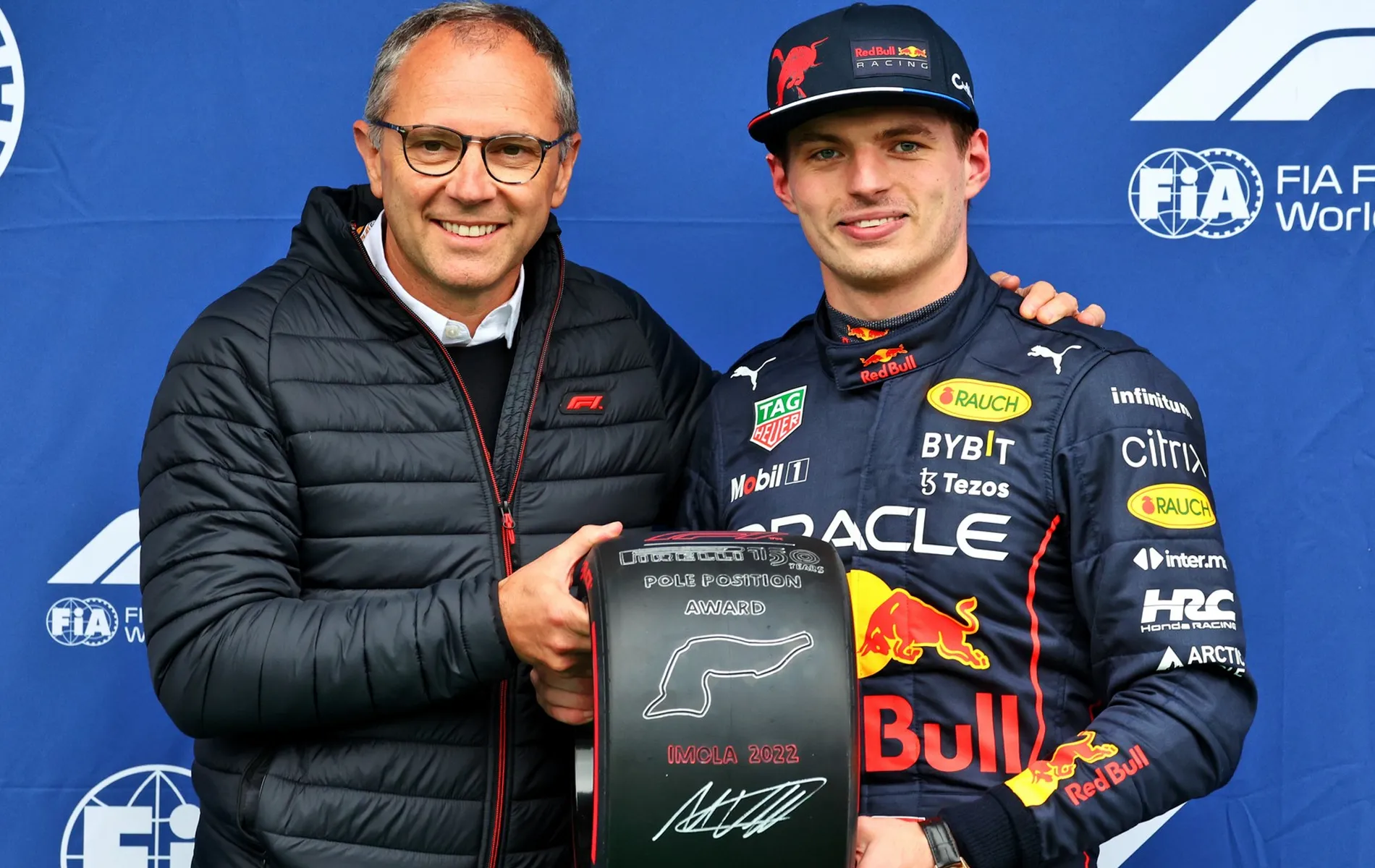
6. Max Verstappen, 2022 Emilia Romagna Grand Prix — 0.779s
Imola’s 2022 Emilia Romagna Grand Prix qualifying took place on Friday because it was a Sprint weekend. Max Verstappen’s 1:27.999 beat Leclerc’s 1:28.778 by 0.779 seconds in a session disrupted by changing conditions and red flags.
That final gap needs context. Leclerc had a chance to respond while the track improved, but a stoppage curtailed the opportunity. Saturday’s Sprint then reshuffled the route to the Grand Prix grid, with Verstappen passing Leclerc to finish first. The Friday time remains a genuine qualifying margin; but it was not a clean measurement of each car’s maximum pace under identical, uninterrupted conditions.
5. Max Verstappen, 2023 Belgian Grand Prix — 0.820s
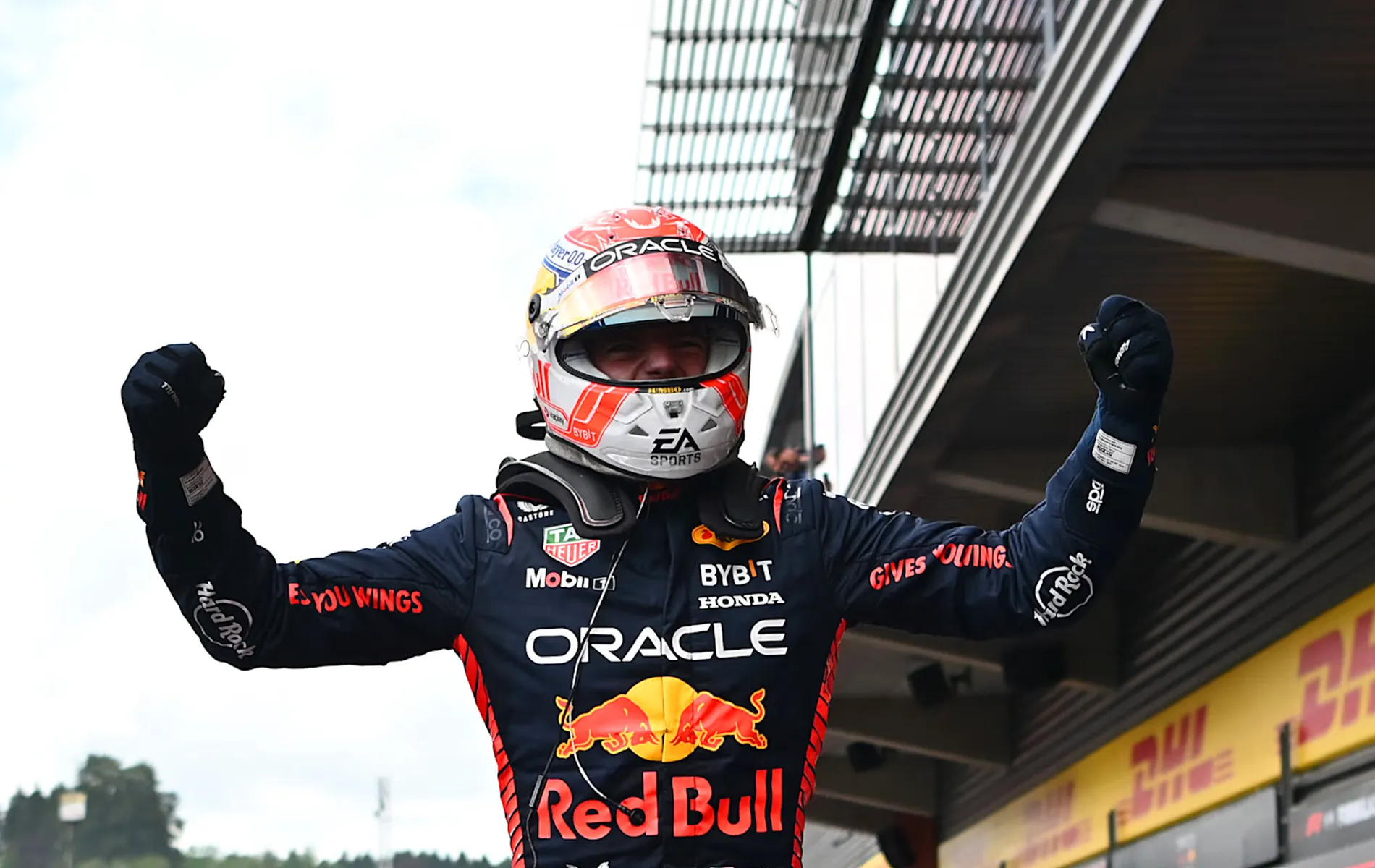
Verstappen squeezed through Q2 at Spa, then produced the fastest Q3 lap by an enormous margin: 1:46.168 against Leclerc’s 1:46.988. The surface was drying, so improving grip and the timing of the final runs mattered.
But there is a record-book wrinkle: Verstappen had a five-place grid penalty for a gearbox change. Leclerc inherited first place on the starting grid, while Verstappen started sixth, but he still went on to win, as was the case for most of that season. For this comparison, he is the fastest qualifier, and 0.820 seconds is the gap between the two quickest laps. But if a list counts only those who physically started from pole, then this entry would need a very different treatment.
4. George Russell, 2026 Azerbaijan Grand Prix — 0.837s
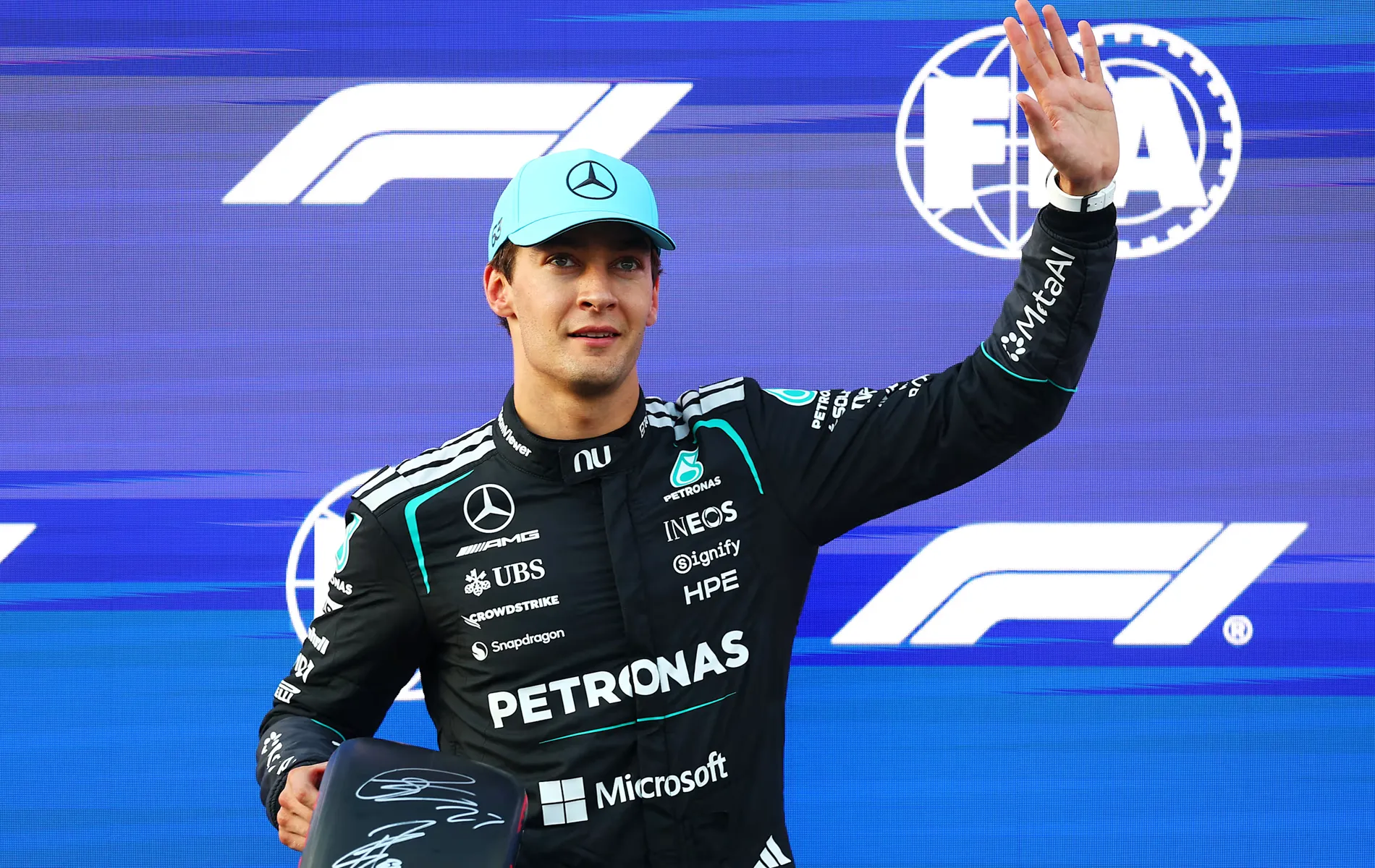
George Russell’s Baku lap is the reason to revisit this ranking. His 1:42.526 left Leclerc at 1:43.363, with Piastri a thousandth behind the Ferrari. Team-mate Kimi Antonelli had crashed out in Q1, leaving Russell as the only Mercedes in the final shootout.
The 0.837-second spread at the front was extraordinary, especially beside the near-tie for second. Russell went on to win the Grand Prix, but Max Verstappen finished just 0.196 seconds behind him. The same weekend paired one of this period’s widest Saturday gaps with one of its closest finishes decided by less than two tenths.
3. Lewis Hamilton, 2017 Italian Grand Prix — 1.148s
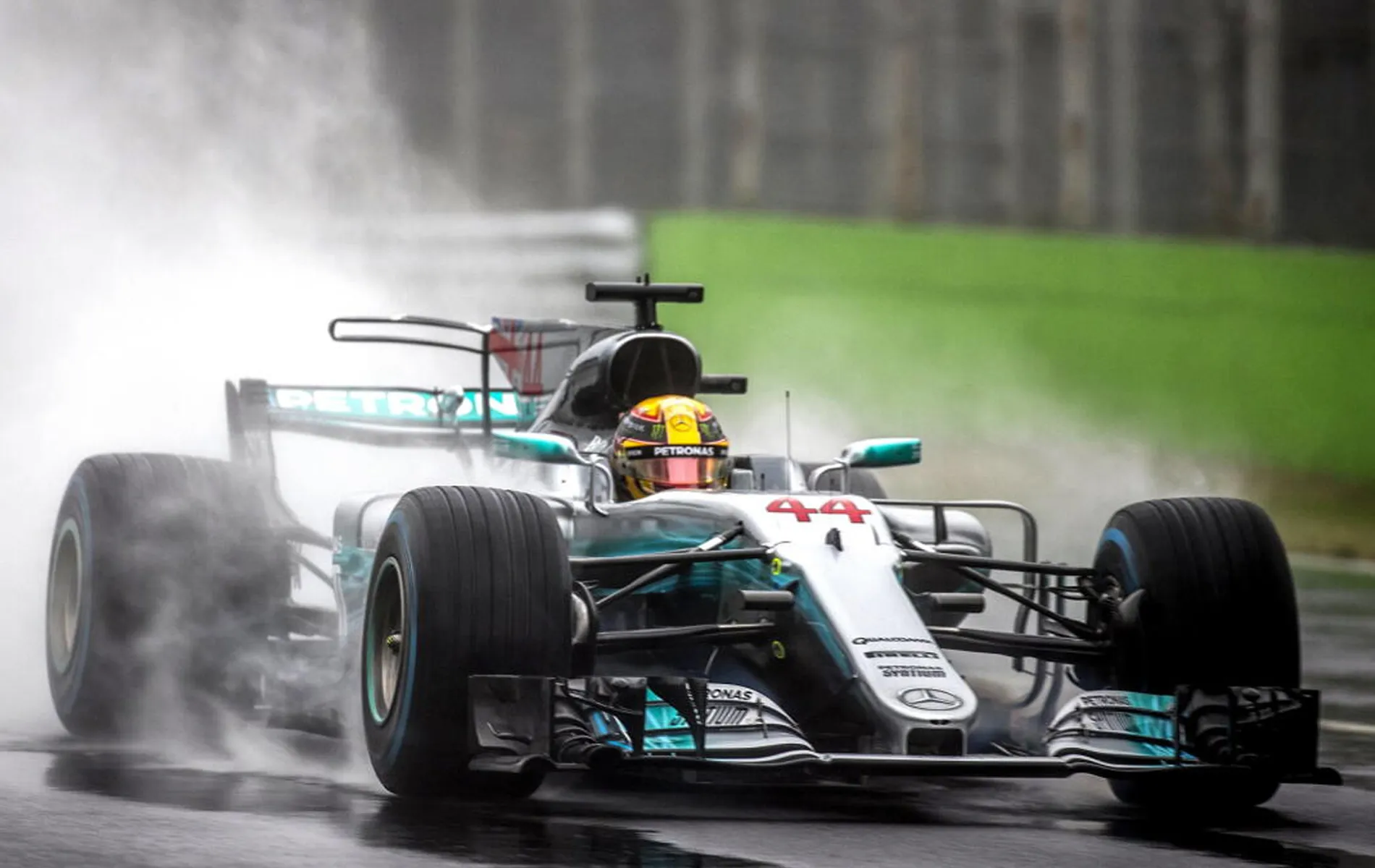
Hamilton’s 1:35.554 in a wet, heavily delayed Monza session was 1.148 seconds quicker than Verstappen’s 1:36.702. Daniel Ricciardo was third fastest, but penalties for both Red Bull drivers promoted Lance Stroll to second on the starting grid.
That makes this another case where “second in qualifying” and “second on the grid” refer to different people. The pole was Hamilton’s 69th, taking him past Michael Schumacher’s then-record tally. While Monza is famous for close margins in a slipstream; torrential rain instead turned this session into a test of visibility, grip and commitment. The result was a gap of more than a second at one of F1’s quickest circuits.
2. Lewis Hamilton, 2020 Styrian Grand Prix — 1.216s
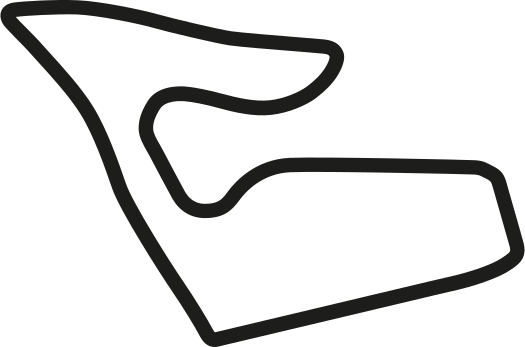
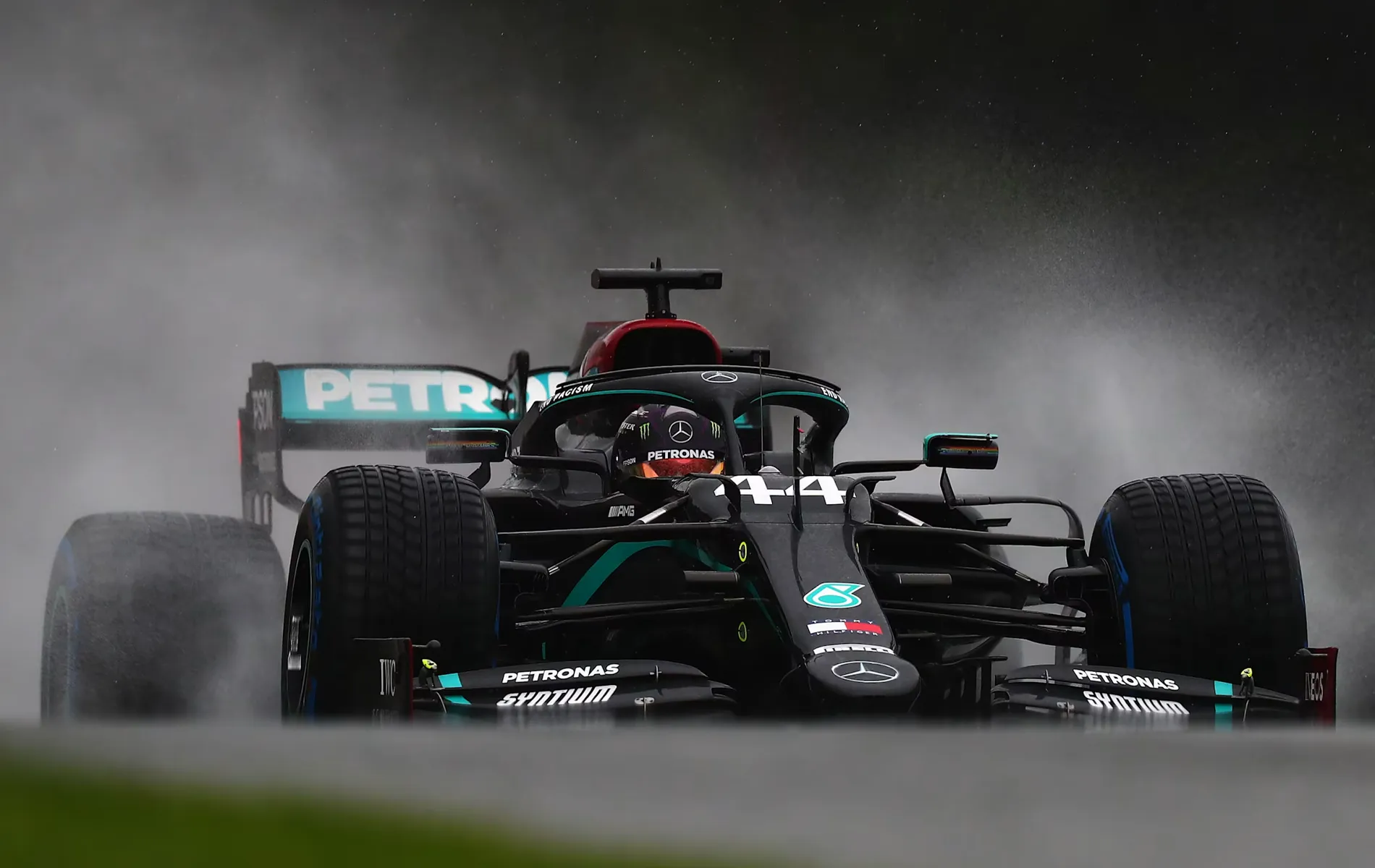
The 2020 Styrian Grand Prix was held at the Red Bull Ring during the pandemic-disrupted season where qualifying was soaking wet. Hamilton found 1:19.273 and finished 1.216 seconds clear of Verstappen.
It is easy to file this away as another display of Mercedes pace, but that misses what made the lap special. Rain exaggerated the cost of small errors, and Verstappen had a moment on his final attempt. Hamilton paired speed with precision when a mistake could erase the entire advantage. He converted pole into a race victory in dry conditions, though the qualifying margin remains the defining image of the weekend.
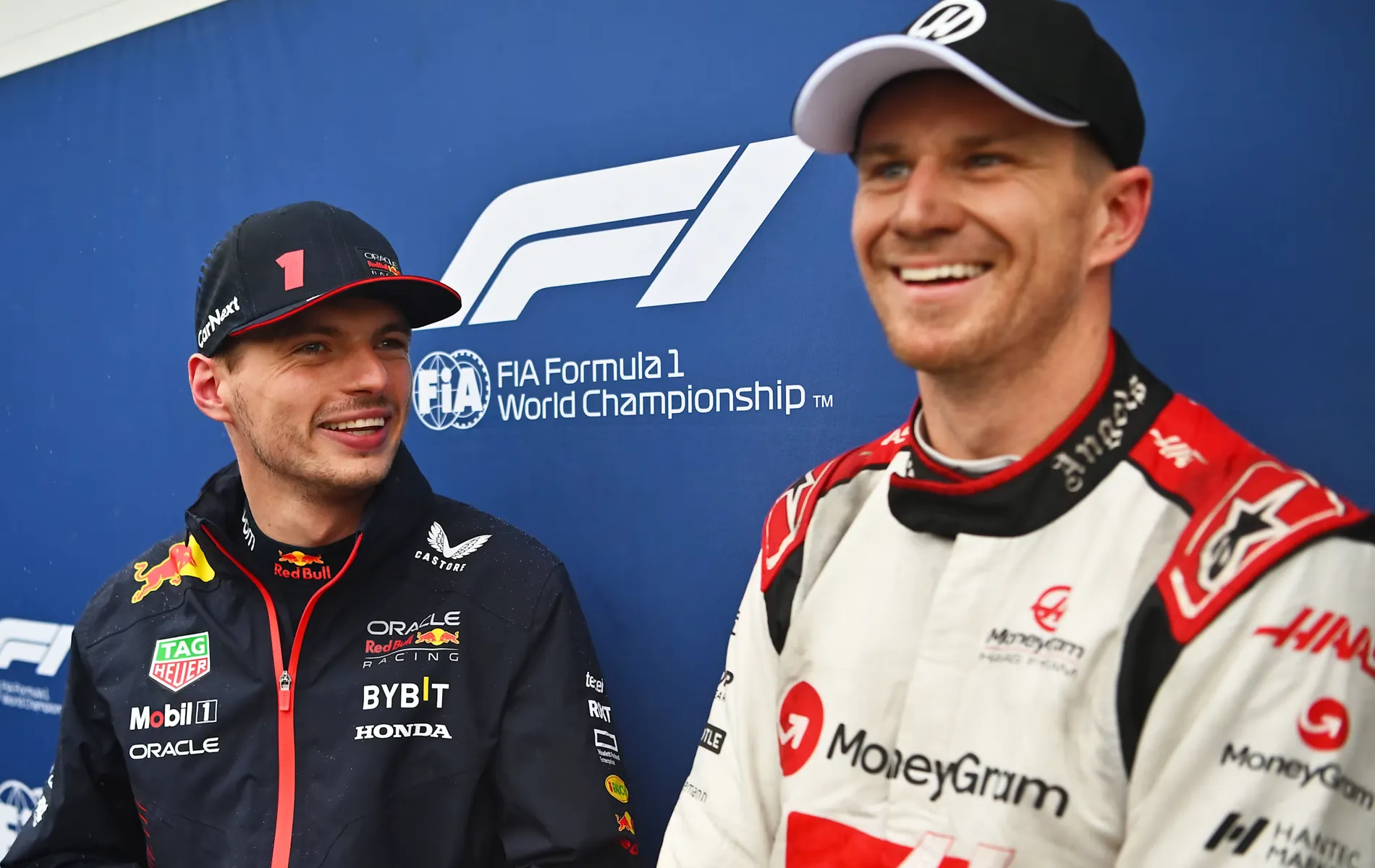
1. Max Verstappen, 2023 Canadian Grand Prix — 1.244s
The biggest margin in this list belongs to Verstappen in Montréal. His 1:25.858 put him 1.244 seconds ahead of Nico Hülkenberg’s Haas in a wet, interrupted Q3. Hülkenberg set his time shortly before Oscar Piastri’s crash brought out a red flag.
Hülkenberg later received a three-place penalty for a red-flag infringement, leaving Fernando Alonso alongside Verstappen on the front row. Once again, the table measures the qualifying laps, not the rearranged grid. Verstappen won the race, but the historical force of the Saturday result lies in its scale: even Russell’s Baku stunner was 0.407 seconds smaller.
While all these margins are snapshots, not universal measures of driver superiority, rain changed the competitive order at Montréal, Spielberg, Monza and Spa, interruptions shaped Imola, and penalties altered several grids. Russell’s Baku performance adds a distinctly modern twist with a pole advantage that looked overwhelming on Friday, followed by a victory measured in thousandths of a second on Saturday. In F1, the gap on the timing screen tells you what happened on one lap. The rest of the weekend still has to be raced.
Seen in: