





























-

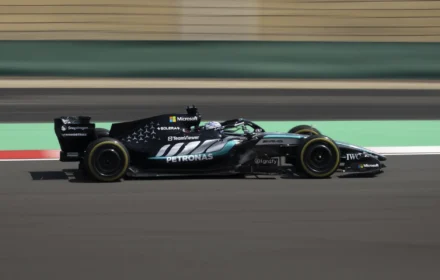
How Long Is an F1 Race? Distance, Laps & Time Limits
How long is an F1 race? Discover the 305km rule, how F1 calculates lap counts, why Monaco is shorter and the two and three-hour time limits.
-
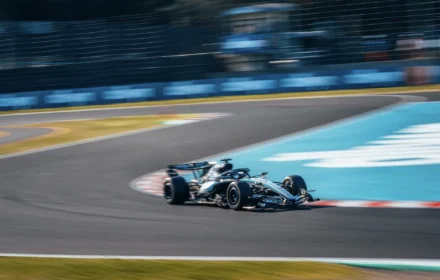
F1’s Winter Break Explained: What Happens Between Formula 1 Seasons?
What happens during Formula 1's winter break? Discover how teams build new cars, why factories shut down and how F1 prepares for a new season.


-

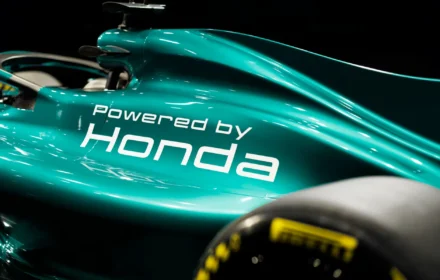
F1’s Summer Break Explained: Why Formula 1 Stops Racing Every Season
Why does Formula 1 stop every summer? Discover how the FIA's mandatory shutdown protects teams, shapes championships and keeps the sport competitive.
-
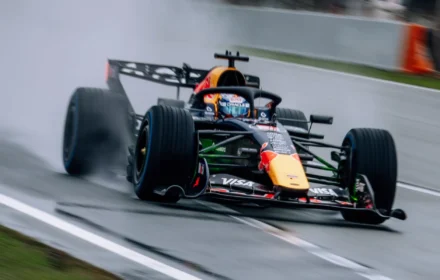
F1 Rule Changes Confirmed for Miami GP Onwards
FIA confirms new F1 rule changes for the Miami GP, targeting more flat-out driving, improved safety and better racing under 2026 regulations.
-
F1 2026: Cost Cap Explained & Why It Increased to $215 Million
A complete guide to the F1 cost cap, why it exists, what’s included, and why it has risen to $215m in 2026.
-
F1 2026: What Is Boost, Overtake & Sustainable Fuel?
The 2026 F1 power unit rewrites the rules, with boost and overtake modes, a huge MGU-K leap, and fully sustainable fuel reshaping racing.
-
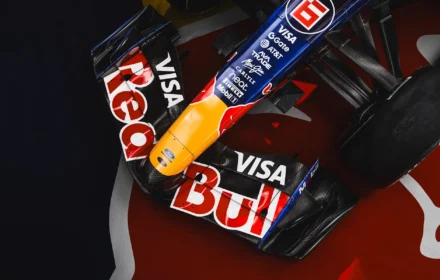
F1 2026: What Are The New cars, Revised Tyres & Key Design Changes?
Formula 1’s 2026 cars usher in a new era, with smaller, lighter designs, revised tyres, and bold early design choices shaping the grid.
-
F1 2026: Why ‘Active Aero’ Will Change How Drivers Race?
Active Aero headlines F1’s 2026 rules reset, with movable front and rear wings promising less drag, closer racing, and new strategic possibilities.
-
F1 2026: What Is Push-Rod vs Pull-Rod Suspension?
Push-rod and pull-rod suspension choices define F1 2026 car concepts, with most teams aligned and Alpine and Cadillac taking a different path.
-
F1 Cost Cap: What is it and how does it work?
F1’s cost cap limits how much teams can spend each year, keeping budgets in check and competition close. Learn how it works, what’s included, and what happens if teams go over.