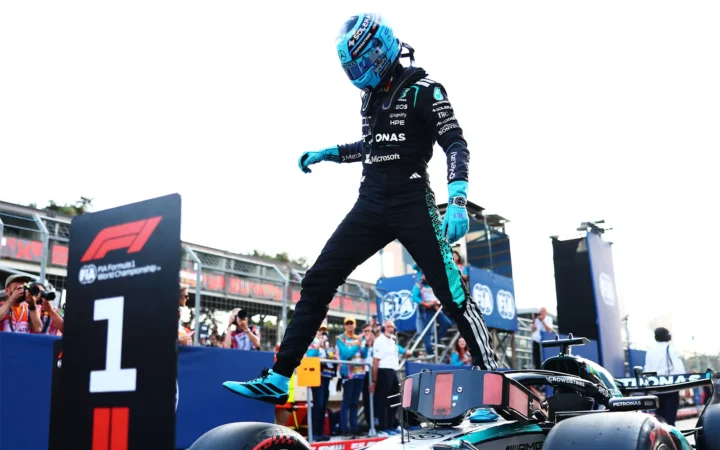
A whole lap on the limit, a final dash to the line, and a gap so small it barely seems possible. Formula 1 qualifying has produced some extraordinary contests for pole position, with championship rivals, teammates and home favourites separated by just a handful of thousandths. On two famous occasions, even the final decimal place could not split them.
From the three-way dead heat at Jerez to a last-gasp breakthrough in Hungary, these ten qualifying battles show just how little can separate the first two cars on the grid. Every featured pole margin is less than one hundredth of a second.
How this list works?
- All ten featured battles to pole use lap times recorded to three decimal places. That includes the 0.000-second ties: the leading drivers recorded matching times, with pole awarded to whoever set the time first.
- We compare the pole-sitter with second place in the session that decided Grand Prix pole, excluding Sprint qualifying and earlier knockout sessions.
- Where margins match, the older race appears first.
- Older qualifying sessions sometimes used less detailed timing, making drivers appear tied when a more precise clock might have separated them. Those results still deserve their place in F1 history, so we explain them separately.
The closest pole margins at a glance
| Pos. | Grand Prix | Pole-sitter | Pole time | Second place | Second-place time | Margin |
|---|---|---|---|---|---|---|
| 1 | 1997 European Grand Prix* | Jacques Villeneuve | 1:21.072 | Michael Schumacher | 1:21.072 | 0.000s |
| 2 | 2024 Canadian Grand Prix | George Russell | 1:12.000 | Max Verstappen | 1:12.000 | 0.000s |
| 3 | 2006 Italian Grand Prix | Kimi Räikkönen | 1:21.484 | Michael Schumacher | 1:21.486 | 0.002s |
| 4 | 2010 German Grand Prix | Sebastian Vettel | 1:13.791 | Fernando Alonso | 1:13.793 | 0.002s |
| 5 | 2023 Hungarian Grand Prix | Lewis Hamilton | 1:16.609 | Max Verstappen | 1:16.612 | 0.003s |
| 6 | 2019 British Grand Prix | Valtteri Bottas | 1:25.093 | Lewis Hamilton | 1:25.099 | 0.006s |
| 7 | 2014 Singapore Grand Prix | Lewis Hamilton | 1:45.681 | Nico Rosberg | 1:45.688 | 0.007s |
| 8 | 2021 Portuguese Grand Prix | Valtteri Bottas | 1:18.348 | Lewis Hamilton | 1:18.355 | 0.007s |
| 9 | 2000 Japanese Grand Prix** | Michael Schumacher | 1:35.825 | Mika Häkkinen | 1:35.834 | 0.009s |
| 10 | 2011 Japanese Grand Prix** | Sebastian Vettel | 1:30.466 | Jenson Button | 1:30.475 | 0.009s |
**The 0.009-second margin is shared by another event: at the 2026 Mexico City Grand Prix, Lewis Hamilton recorded 1:16.514 to George Russell’s 1:16.523. The two Japanese races featured here occurred earlier; their inclusion does not make Mexico City’s equal margin any less close.
1. 1997 European Grand Prix: 0.000 seconds
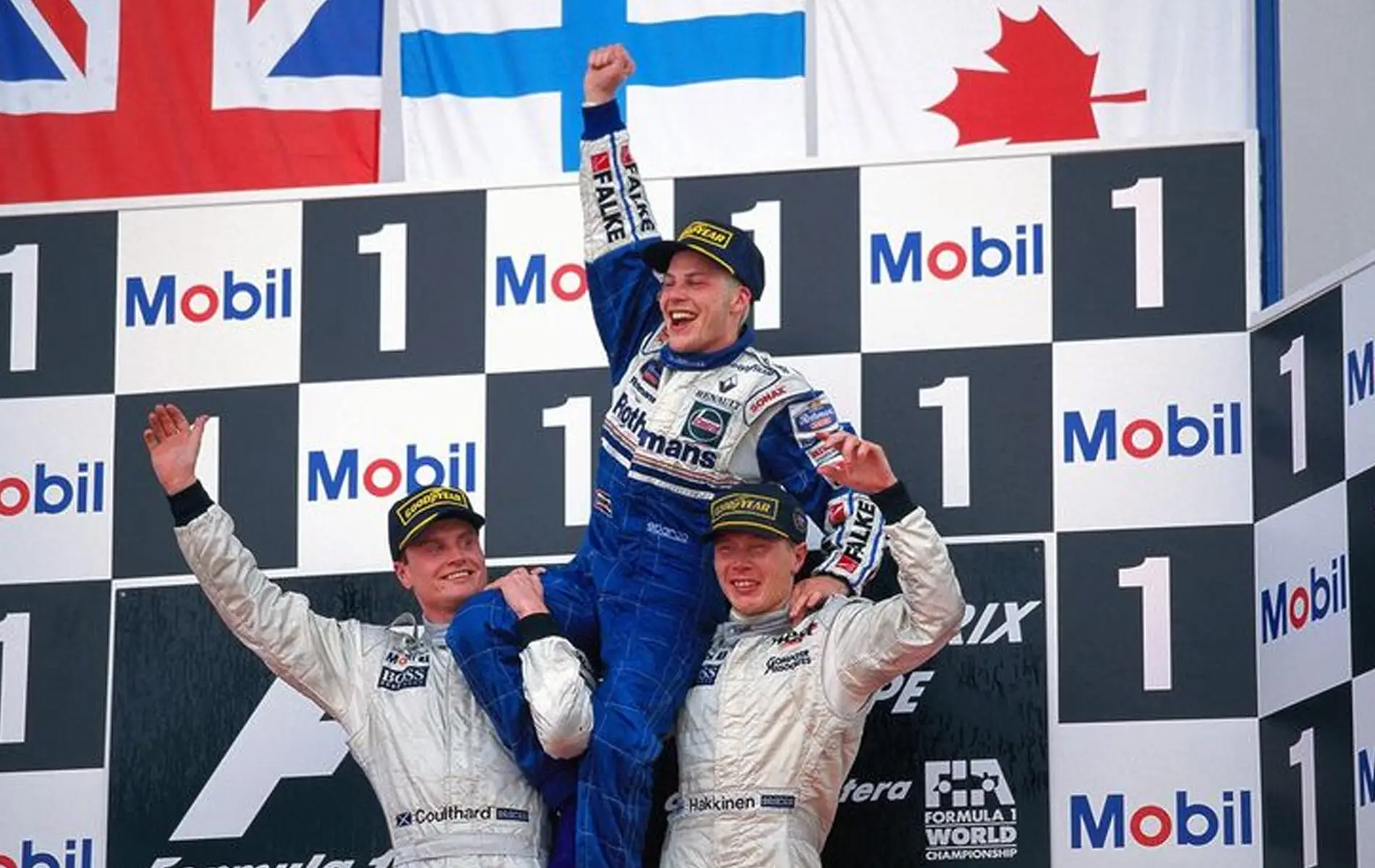
As if a championship showdown needed any more tension, qualifying for the 1997 European Grand Prix delivered three identical times. Jacques Villeneuve put his Williams on pole with a 1:21.072, only for Michael Schumacher and Heinz-Harald Frentzen to produce precisely the same recorded lap.
The order in which they set those laps settled the grid. Villeneuve had posted his time first, Schumacher second and Frentzen third, leaving the two title contenders alongside each other at Jerez. Frentzen had matched the fastest lap of the session and still had to settle for the second row. For a sport obsessed with finding another thousandth, this was a wonderfully improbable stalemate.

2. 2024 Canadian Grand Prix: 0.000 seconds
The clock landed on an unusually neat number at the 2024 Canadian Grand Prix: 1:12.000. George Russell set it on his opening Q3 run for Mercedes, giving Max Verstappen a target that the Red Bull Racing driver would match on his final attempt. Match, but not beat.
Russell therefore kept pole at Circuit Gilles-Villeneuve, having recorded the time first. Nor was this simply a two-car contest: Lando Norris finished just 0.021 seconds away in third. Russell’s earlier lap had survived an intense final round of attempts, securing the second pole of his F1 career in a session where even an identical time was not enough to dislodge him.
3. 2006 Italian Grand Prix: 0.002 seconds
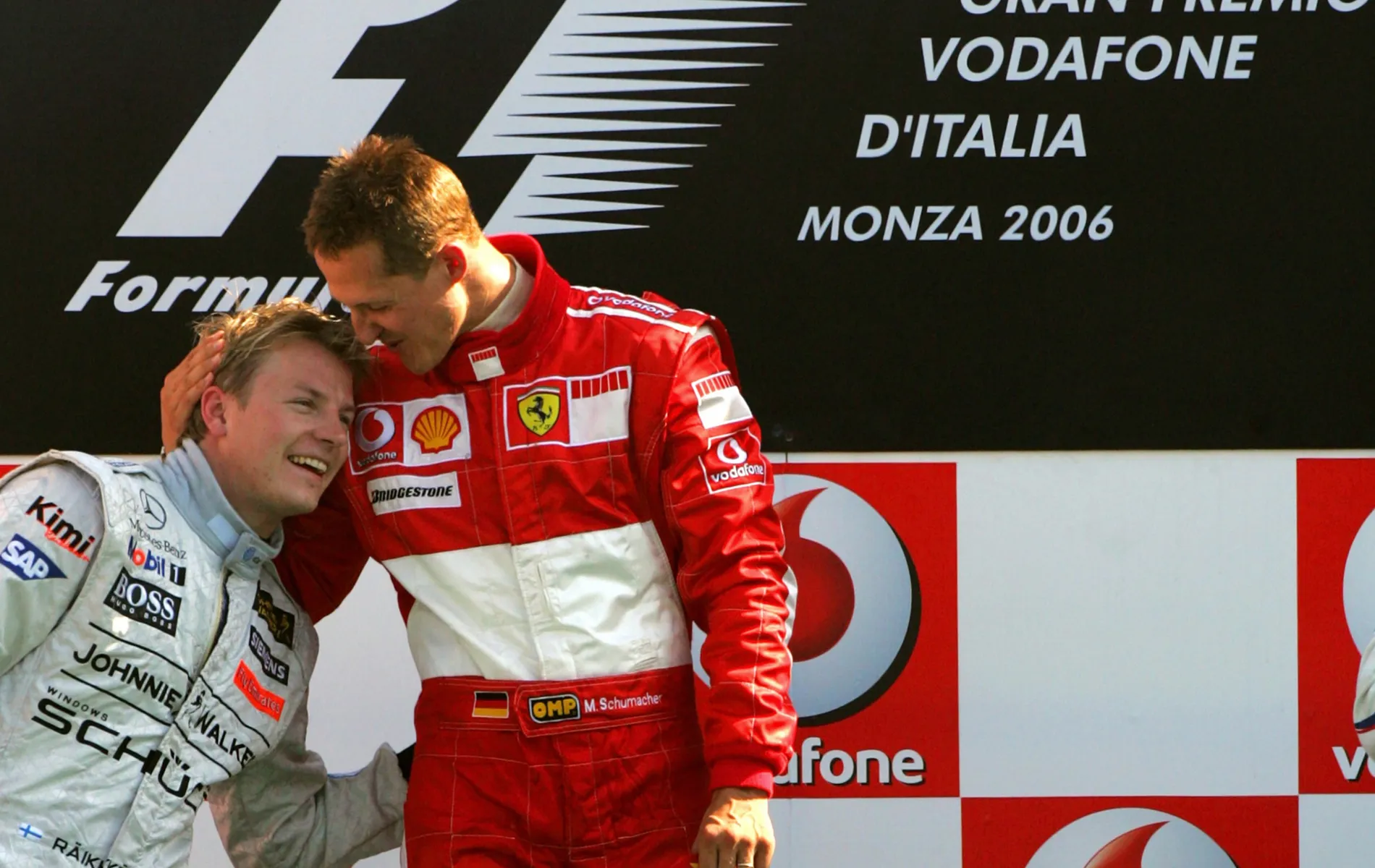
Kimi Räikkönen spoiled the home crowd’s qualifying celebrations at the 2006 Italian Grand Prix, edging Michael Schumacher by just two thousandths. His McLaren completed the decisive lap in 1:21.484; the Ferrari followed with 1:21.486. Across a lap of Monza, all those straights, braking zones and kerbs had produced a difference of only 0.002 seconds.
This was also a reminder of how different qualifying formats can shape the story. In 2006, the leading drivers contested Q3 with race fuel aboard, rather than under the low-fuel conditions familiar from later seasons. That does not change the recorded margin, but it matters when comparing the performances. Schumacher would win on Sunday, with Räikkönen second; Saturday’s narrow victory belonged to the Finn.
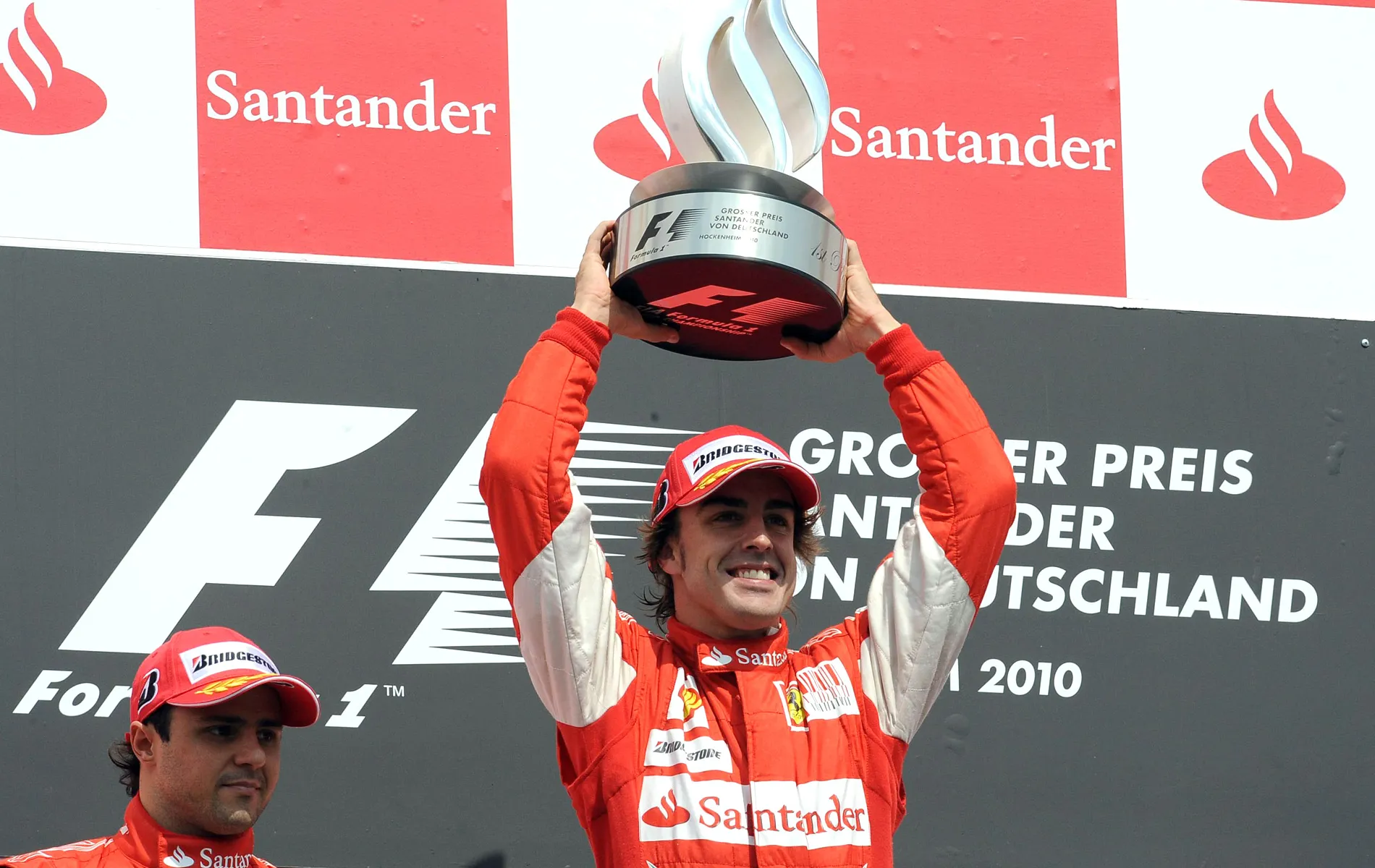
4. 2010 German Grand Prix: 0.002 seconds
Fernando Alonso had been fastest in both Q1 and Q2 at the 2010 German Grand Prix. Everything pointed towards a serious Ferrari challenge, but Sebastian Vettel found just enough in the final shootout to snatch pole on home soil. The Red Bull Racing driver’s 1:13.791 beat Alonso’s 1:13.793 by a mere 0.002 seconds.
The pair had opened a much more substantial gap behind them: third-placed Felipe Massa recorded 1:14.290. At the sharp end, though, it was almost impossible to separate Vettel and Alonso. Vettel had secured his first German Grand Prix pole at Hockenheimring, and the margin matched Räikkönen’s Monza effort from four years earlier. Neither driver could have afforded even the smallest extra hesitation.
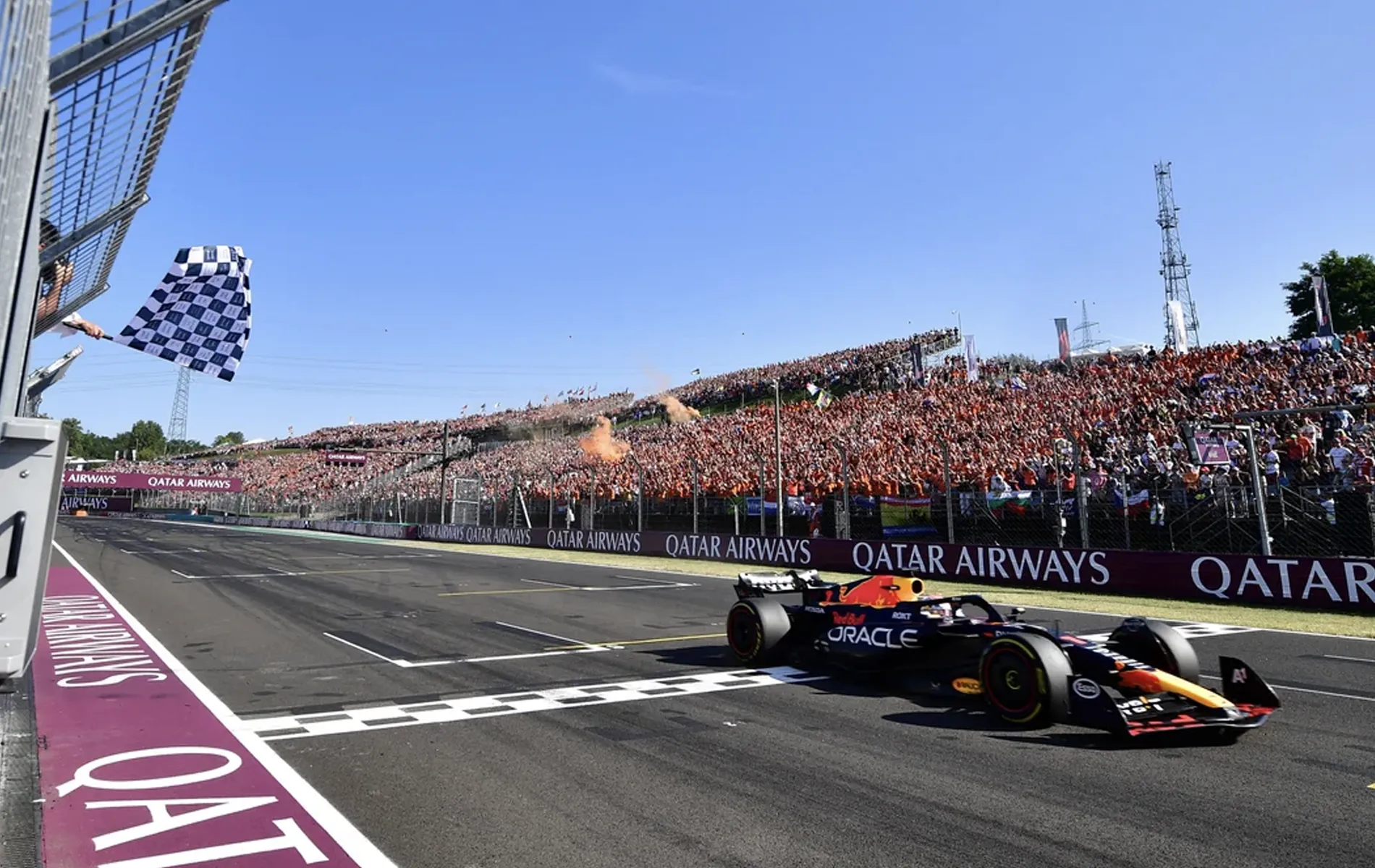
5. 2023 Hungarian Grand Prix: 0.003 seconds
The final lap brought the breakthrough Lewis Hamilton had been waiting for. At the 2023 Hungarian Grand Prix, the Mercedes driver improved to 1:16.609 and edged Max Verstappen by 0.003 seconds. It was Hamilton’s first pole since the 2021 Saudi Arabian Grand Prix, and his ninth at the Hungaroring.
This weekend also tested an alternative tyre allocation, with hard tyres required in Q1, mediums in Q2 and softs in Q3. Hamilton worked his way through that different challenge before delivering when it mattered most. Verstappen could not improve on his first Q3 effort, while Lando Norris put McLaren third, 0.085 seconds from pole. After a long wait, Hamilton’s return to the front of the grid could hardly have been closer.
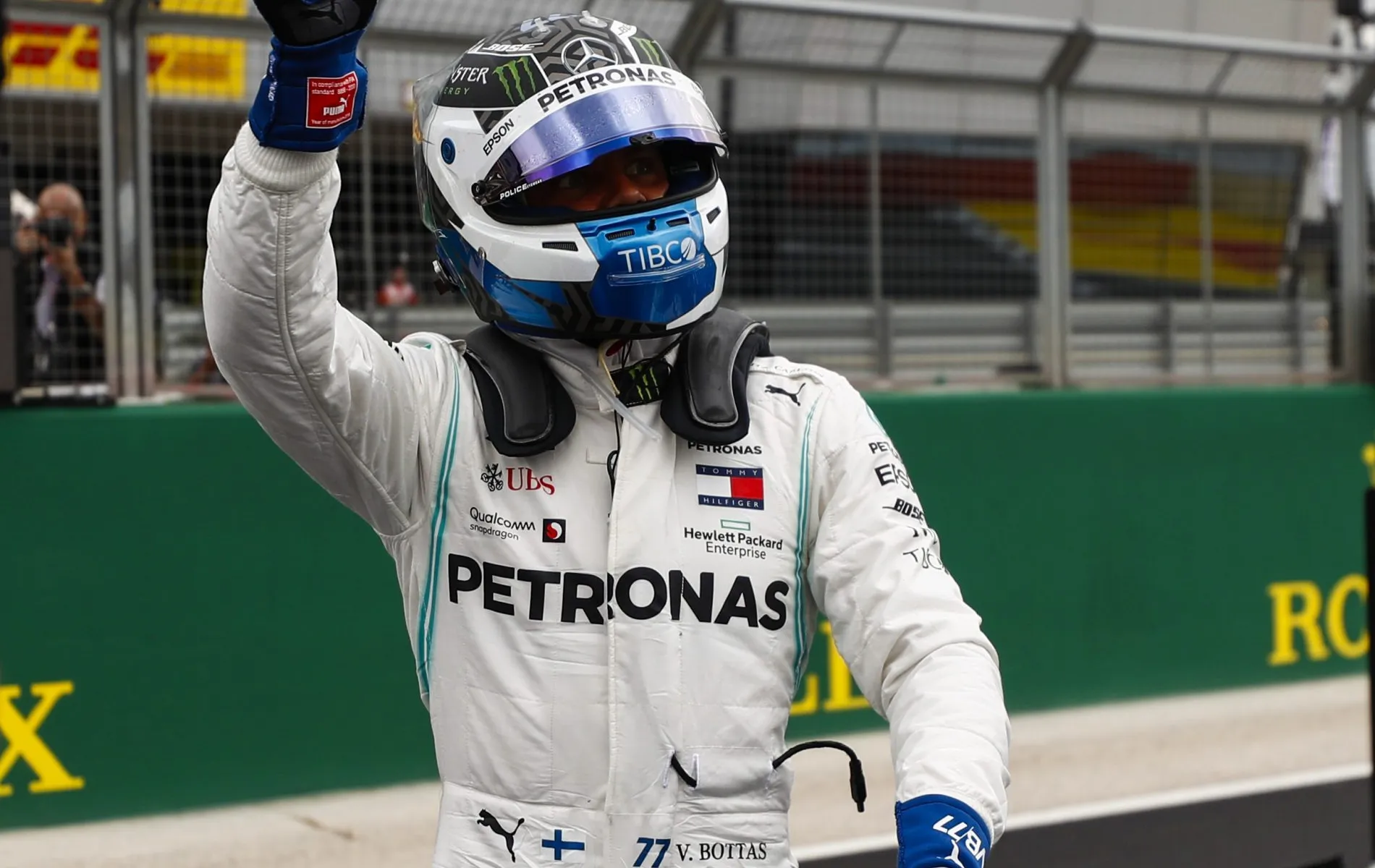
6. 2019 British Grand Prix: 0.006 seconds
Valtteri Bottas gave Lewis Hamilton a formidable target at the 2019 British Grand Prix, posting a 1:25.093 on his first Q3 run. Hamilton improved on his final attempt, but his 1:25.099 left the home favourite six thousandths short. Bottas had not bettered his own opening effort; fortunately for him, he did not need to.
The fight at Silverstone went beyond the two Mercedes drivers. Charles Leclerc threatened on his final lap before finishing third for Ferrari, just 0.079 seconds off pole. Bottas had withstood pressure from both his teammate and the chasing Ferrari, turning a strong first run into the most valuable lap of the afternoon.
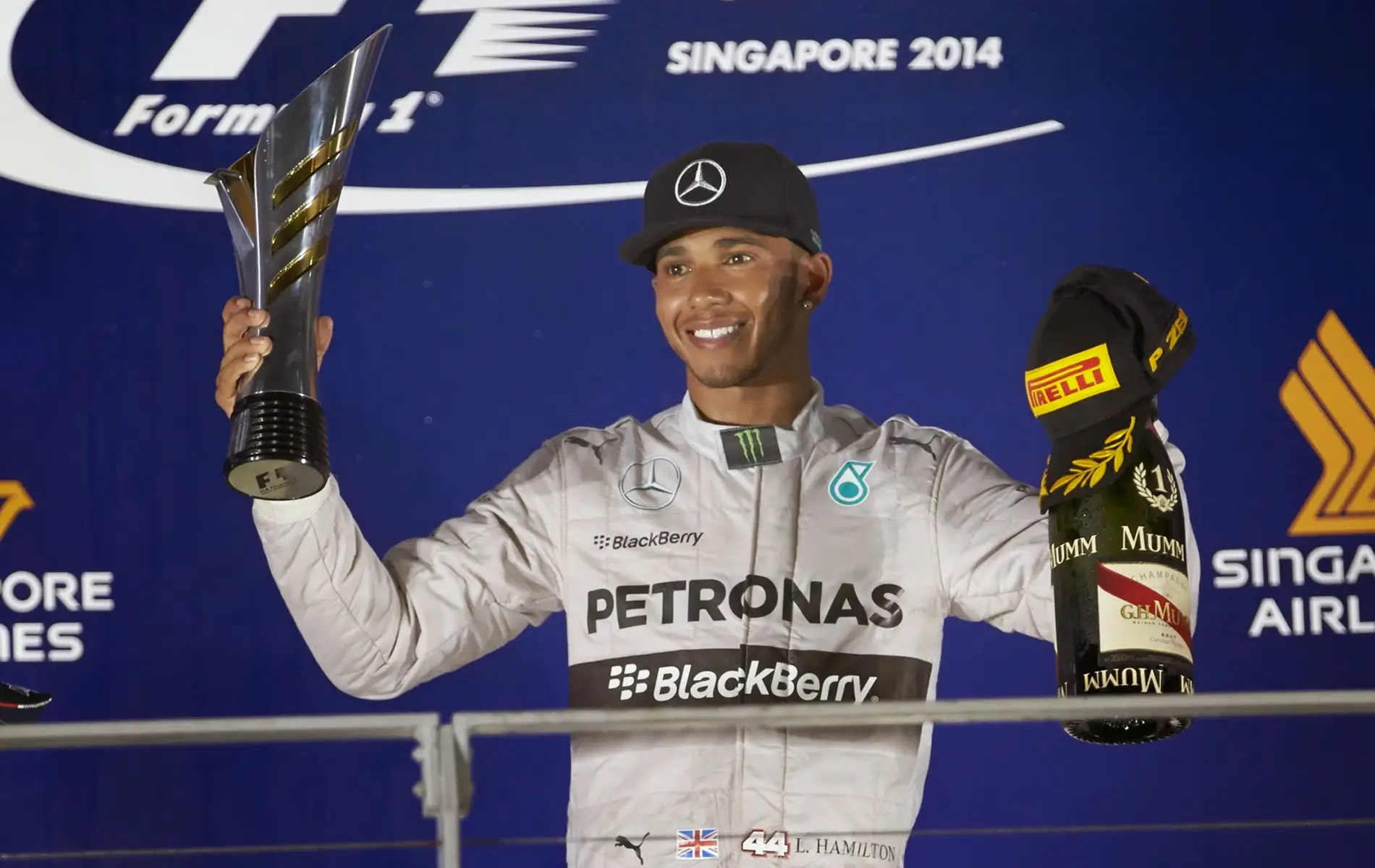
7. 2014 Singapore Grand Prix: 0.007 seconds
For much of Q3 at the 2014 Singapore Grand Prix, a Mercedes front-row lockout looked far from certain. Felipe Massa led after the initial runs, and Daniel Ricciardo then moved ahead before Nico Rosberg took provisional pole. Lewis Hamilton still had his final lap to finish.
Despite locking up at the first corner, Hamilton recovered enough time around Marina Bay to stop the clock at 1:45.681. Rosberg’s 1:45.688 left him just seven thousandths behind. Over a lap lasting more than 105 seconds, the championship rivals had ended up almost inseparable. The opening-corner mistake had not cost Hamilton pole, but it made the final result all the more remarkable.
8. 2021 Portuguese Grand Prix: 0.007 seconds
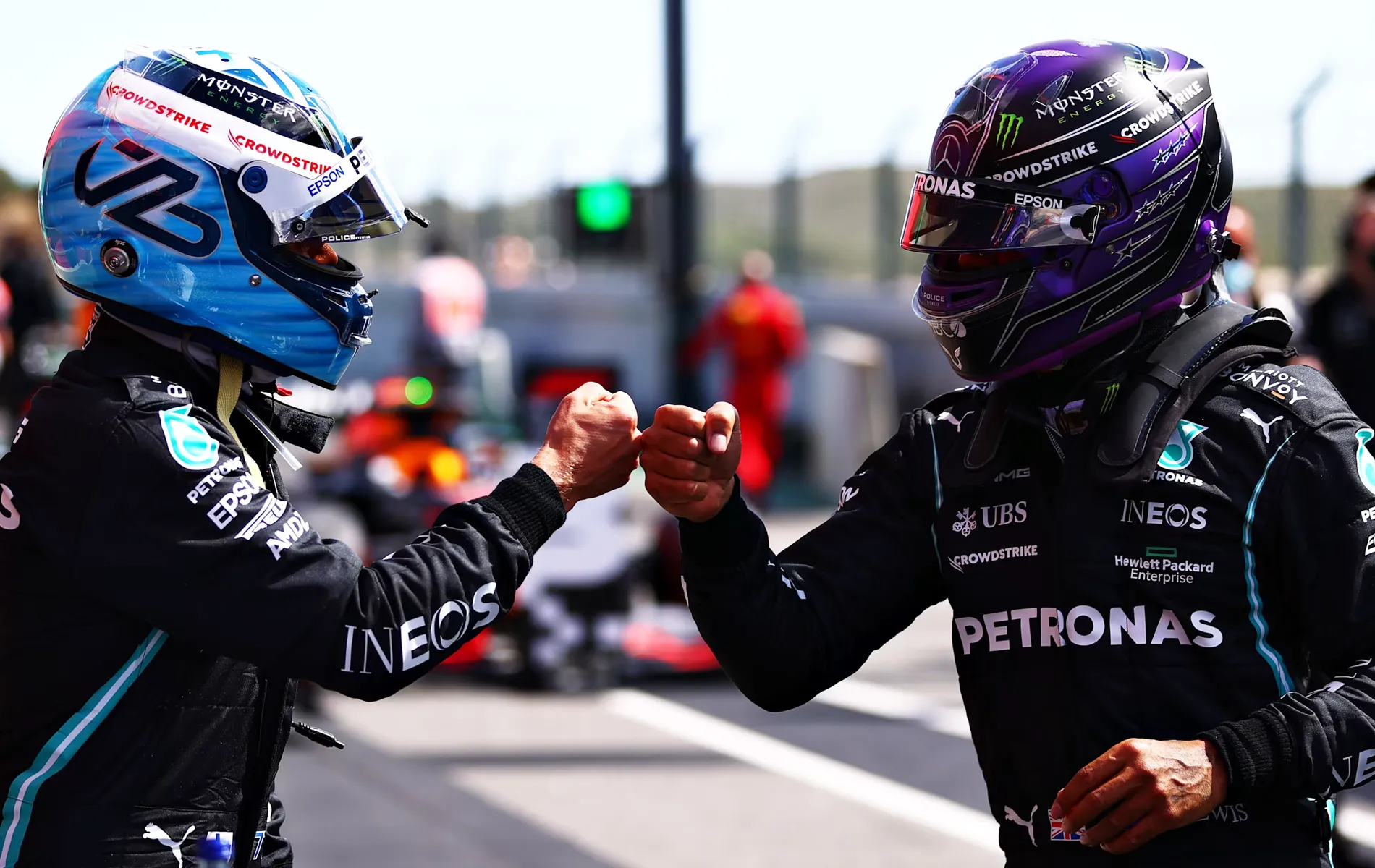
The undulating Algarve International Circuit delivered another tiny margin between Mercedes teammates at the 2021 Portuguese Grand Prix. Valtteri Bottas recorded 1:18.348 on his first Q3 run, with Lewis Hamilton just behind on 1:18.355. Seven thousandths separated pole from second place.
The session still had another twist. Both Mercedes drivers switched to medium tyres for their final attempts, but neither improved as the wind made the slippery surface even more difficult. Max Verstappen had meanwhile lost a potentially pole-winning lap for exceeding track limits at Turn 4. Bottas’s earlier effort stood, and Hamilton’s pursuit of a 100th career pole would have to wait for another weekend.
9. 2000 Japanese Grand Prix: 0.009 seconds
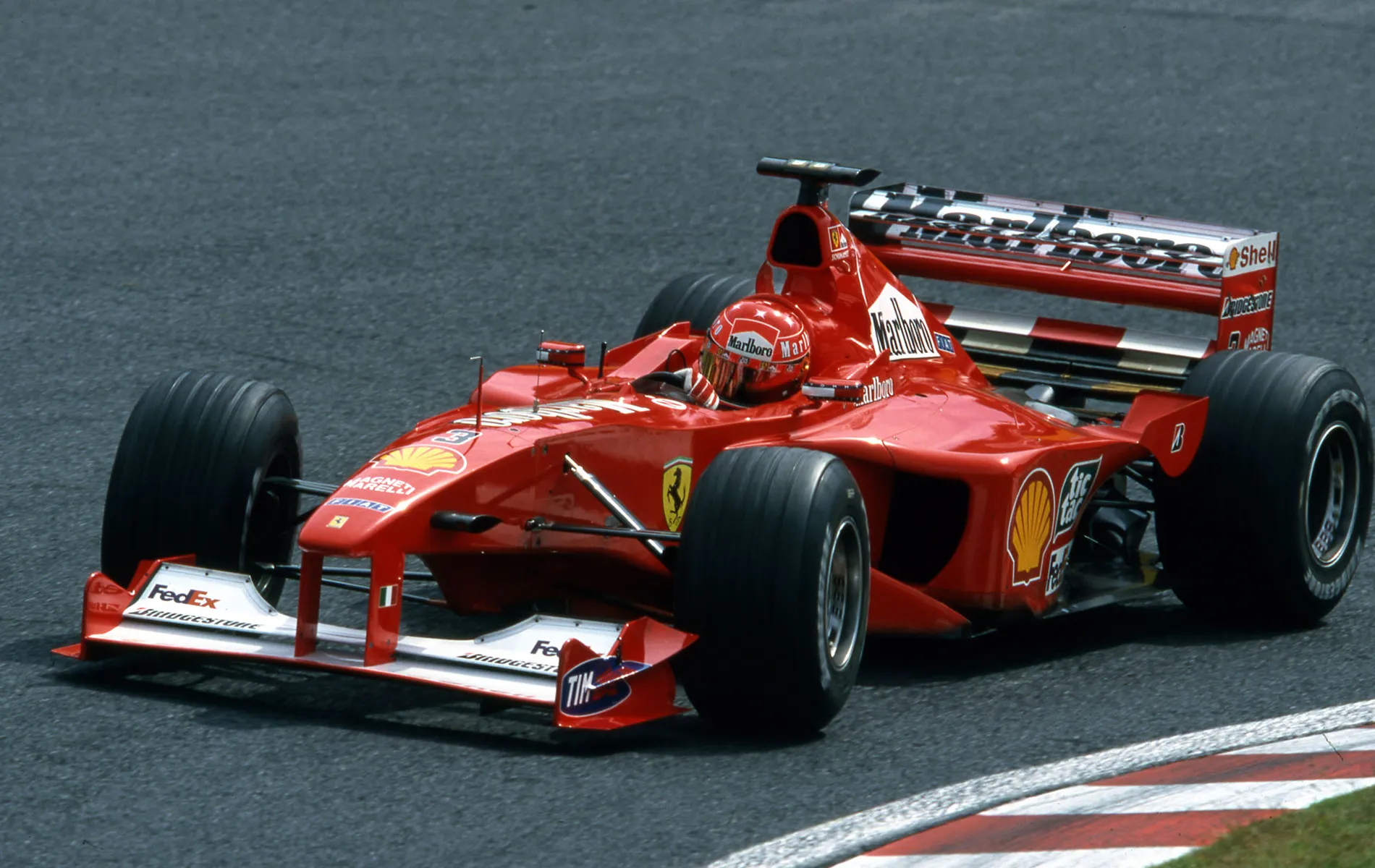
The 2000 Japanese Grand Prix put Michael Schumacher and Mika Häkkinen together on the front row after a fierce qualifying duel. Schumacher’s Ferrari set 1:35.825, with Häkkinen’s McLaren only nine thousandths slower on 1:35.834. Their teammates were several tenths further back.
With the championship in play, the contest at Suzuka carried far more weight than an ordinary Saturday battle. Schumacher found his pole lap late in the session, while Häkkinen lost valuable time exiting the final corner. Schumacher would go on to secure the title with victory the next day, but this qualifying contest showed how fiercely his rival was still fighting. There had been almost nothing between them over one lap.

10. 2011 Japanese Grand Prix: 0.009 seconds
Eleven years later, Suzuka produced the same tiny pole margin with a different cast. Sebastian Vettel took pole for the 2011 Japanese Grand Prix in 1:30.466, beating Jenson Button’s 1:30.475 by nine thousandths. Red Bull Racing had held off a determined McLaren challenge.
The closing moments were unusually frantic. Lewis Hamilton missed the chance to start another flying lap before the session ended, leaving his first Q3 time as his best. Vettel and Button did improve, and their final efforts settled the front row. Vettel was on the brink of his second world championship, but Button had ensured that even in such a dominant season, another pole was anything but straightforward.
What happens when qualifying times are identical?
For the Jerez and Montreal ties, the deciding factor was who set the time first. The later driver needed to beat the earlier lap to move ahead; equalling it was not enough. A recorded margin of 0.000 seconds means the published times were identical to the thousandth, rather than proving that the physical laps took exactly the same time to unlimited precision.
Why earlier pole ties need their own explanation
Formula 1 had tied pole times long before Jerez. At the 1961 British Grand Prix, Phil Hill, Richie Ginther, Jo Bonnier and Wolfgang von Trips all recorded a best time of 1:58.8. Hill took pole, but the published times did not distinguish the fastest four drivers.
Think of it as a stopwatch showing fewer digits. Two laps displayed as 1:58.8 could have taken slightly different amounts of time, but the published result gives us no way to tell. Adding extra zeros afterwards would not make that older measurement more precise.
That does not make the Aintree contest any less remarkable. It simply deserves a separate explanation from the main list, where the times were recorded to three decimal places. At Jerez and Montreal, even that extra detail could not split the leading drivers.
Seen in: