

























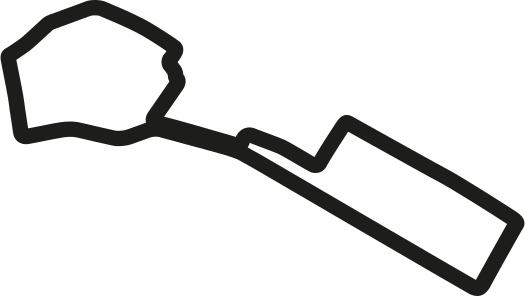


Few races in F1 history have worn as many faces as the German Grand Prix. First run in 1926 and organised by the Automobilclub von Deutschland, it became a fixture of European motorsport long before Formula One existed. Across 75 editions, the event visited three venues: the Nürburgring, Hockenheimring and, on rare occasions, Berlin’s AVUS.
In the world championship era, the German Grand Prix carried a particular weight. It was a test of endurance at the Nürburgring Nordschleife, a slipstreaming shootout at the old Hockenheim, and later a race fighting to survive in an increasingly crowded calendar.
What To Know?
- Just three venues
Across its history, the German Grand Prix has been staged only at the Nürburgring, Hockenheim and AVUS, with AVUS appearing just once in the World Championship era, in 1959. - Most wins, shared record
The most German Grand Prix victories in the World Championship era are shared by Michael Schumacher and Lewis Hamilton with four wins each. - Biggest grid climb to win
The wildest win from deep on the grid is Rubens Barrichello in 2000, who won from 18th on the grid. A modern standout is Lewis Hamilton in 2018, winning from 14th. - Extreme finishes: closest and biggest margin
The tightest win is Mika Häkkinen in 1998 by 0.427 seconds, while the biggest winning margin is Jackie Stewart in 1968 by 4 minutes 03.200 seconds.
The first German Grand Prix took place at AVUS in 1926, a circuit famous for long straights and daunting speed, and a venue whose reputation for danger arrived quickly. Soon after, the race’s spiritual home became the Nürburgring, the sprawling Eifel mountain circuit that would come to define the event’s identity.
That early period matters because it sets up the German Grand Prix as something more than a stop on the schedule. Winning in Germany meant mastering extreme circuits and extreme conditions, long before modern safety, data and infrastructure arrived.
List of Every German Grand Prix Winner
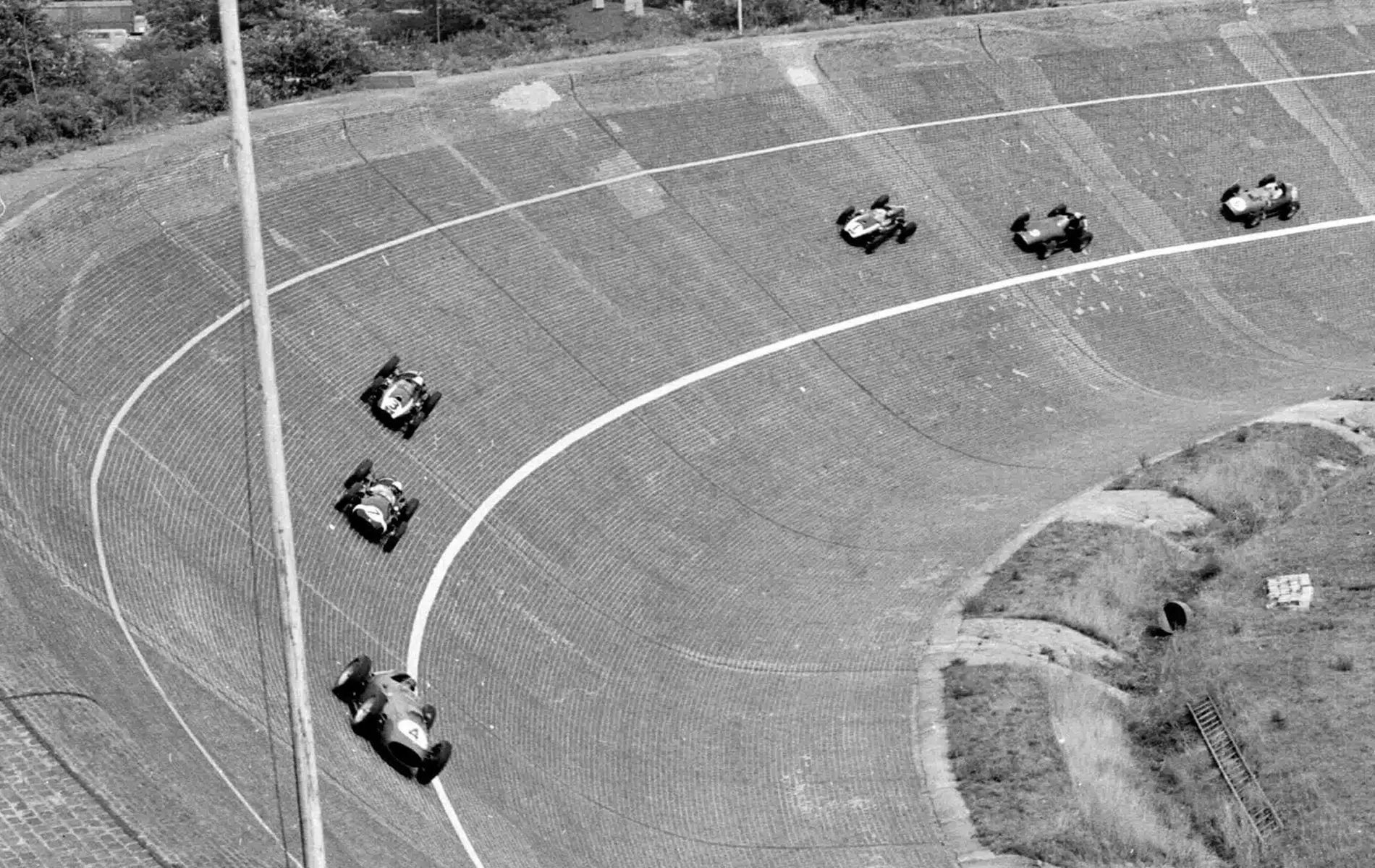
German Grand Prix Winners: 1951 to 1959
The German Grand Prix joined the Formula One World Championship in 1951, and the Nürburgring quickly became its toughest classroom. Drivers who won here did it the hard way, often over marathon distances where rhythm and mechanical sympathy mattered as much as outright pace.
Juan Manuel Fangio’s name looms largest. His victories at the Nürburgring in the 1950s capture what the race demanded: precision on a circuit that punished the slightest lapse, and the nerve to push deeper when others backed off. By the time Tony Brooks won in 1958, the German Grand Prix had already built a reputation as a race that crowned complete drivers, not just fast ones.
German Grand Prix Winners: 1960s
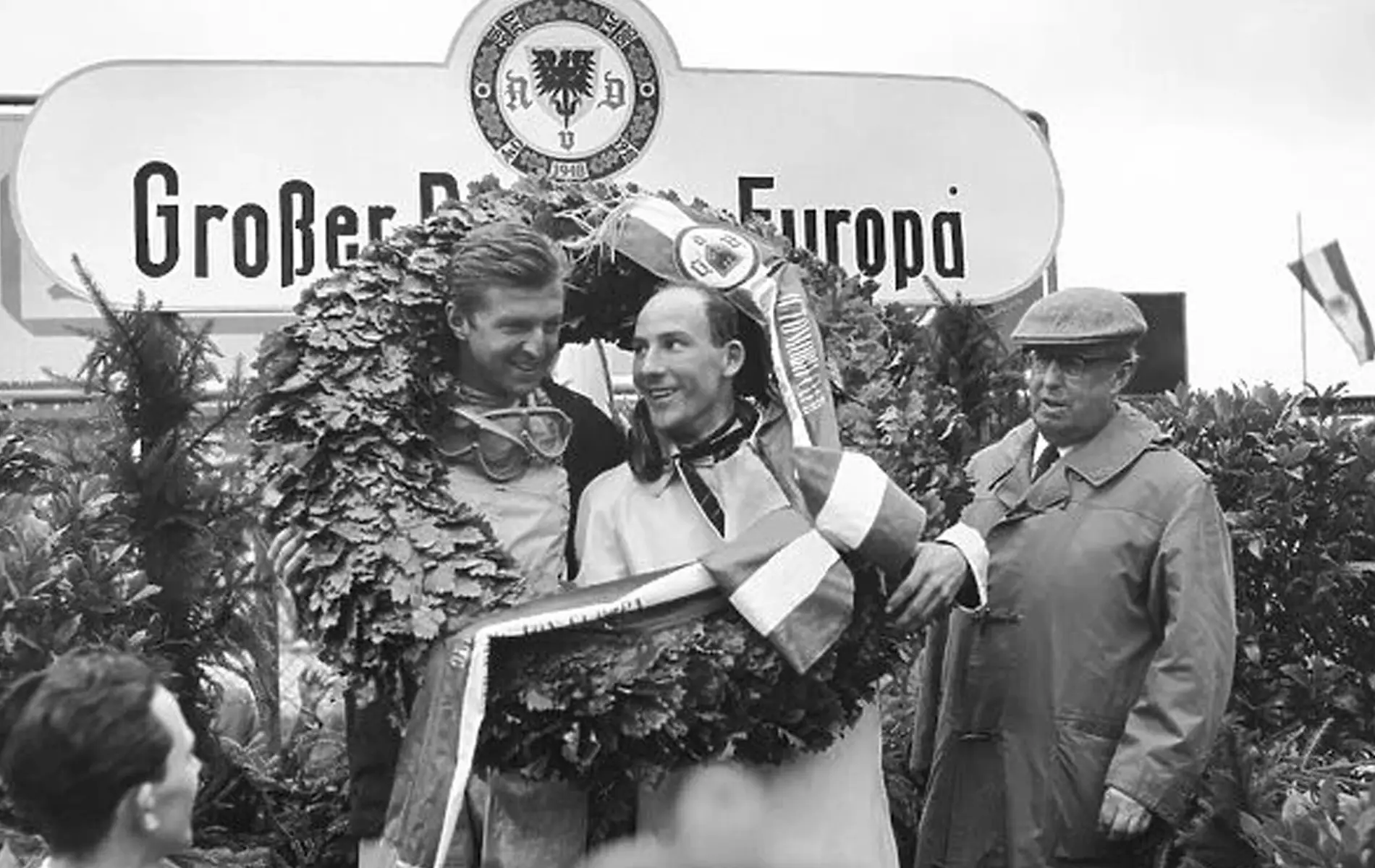
If the Nürburgring was hard in the 1950s, it became mythic in the 1960s. The list of winners reads like a hall of fame roll call: Stirling Moss, Graham Hill, John Surtees, Jim Clark, Jackie Stewart and Jacky Ickx. The conditions could turn without warning, and the circuit’s length meant a small mistake could become a major disaster.
Stewart’s 1968 victory in dreadful weather is one of the era’s signature wins, a reminder that the German Grand Prix was often less about a perfect lap and more about surviving the next one.
German Grand Prix Winners: 1970s
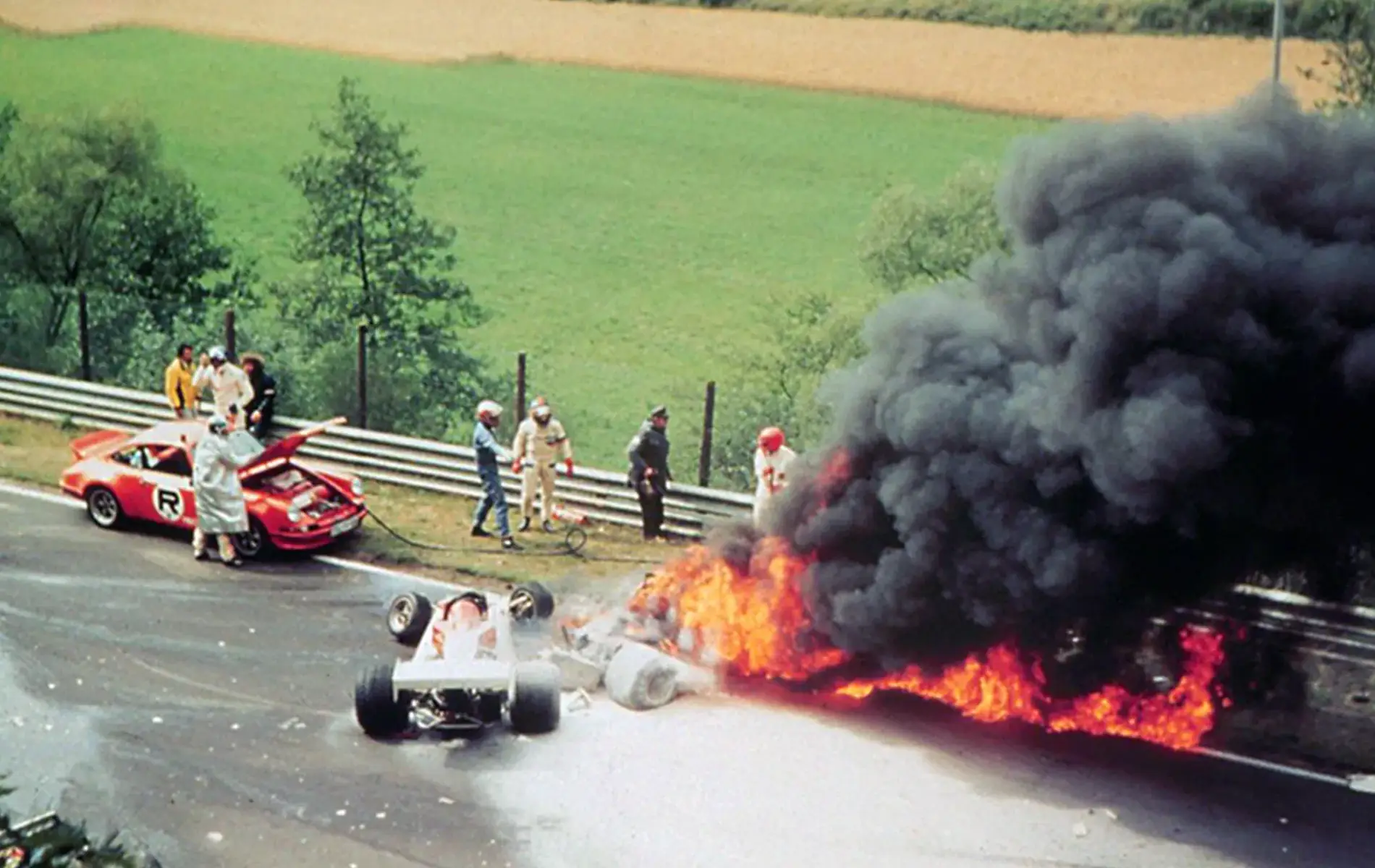
Safety concerns finally forced a change. The race moved away from the Nordschleife in 1970, then returned after modifications, but the clock was ticking. The final Formula One German Grand Prix at the old Nürburgring took place in 1976, following the horrific accident Niki Lauda suffered, and it remains a defining moment in the event’s history.
James Hunt won that 1976 race, making him the last German Grand Prix winner on the full Nordschleife. It is a win that stands at a crossroads: the end of one of motorsport’s most demanding stages, and the beginning of a more modern era.
German Grand Prix Winners: 1977 to 2006
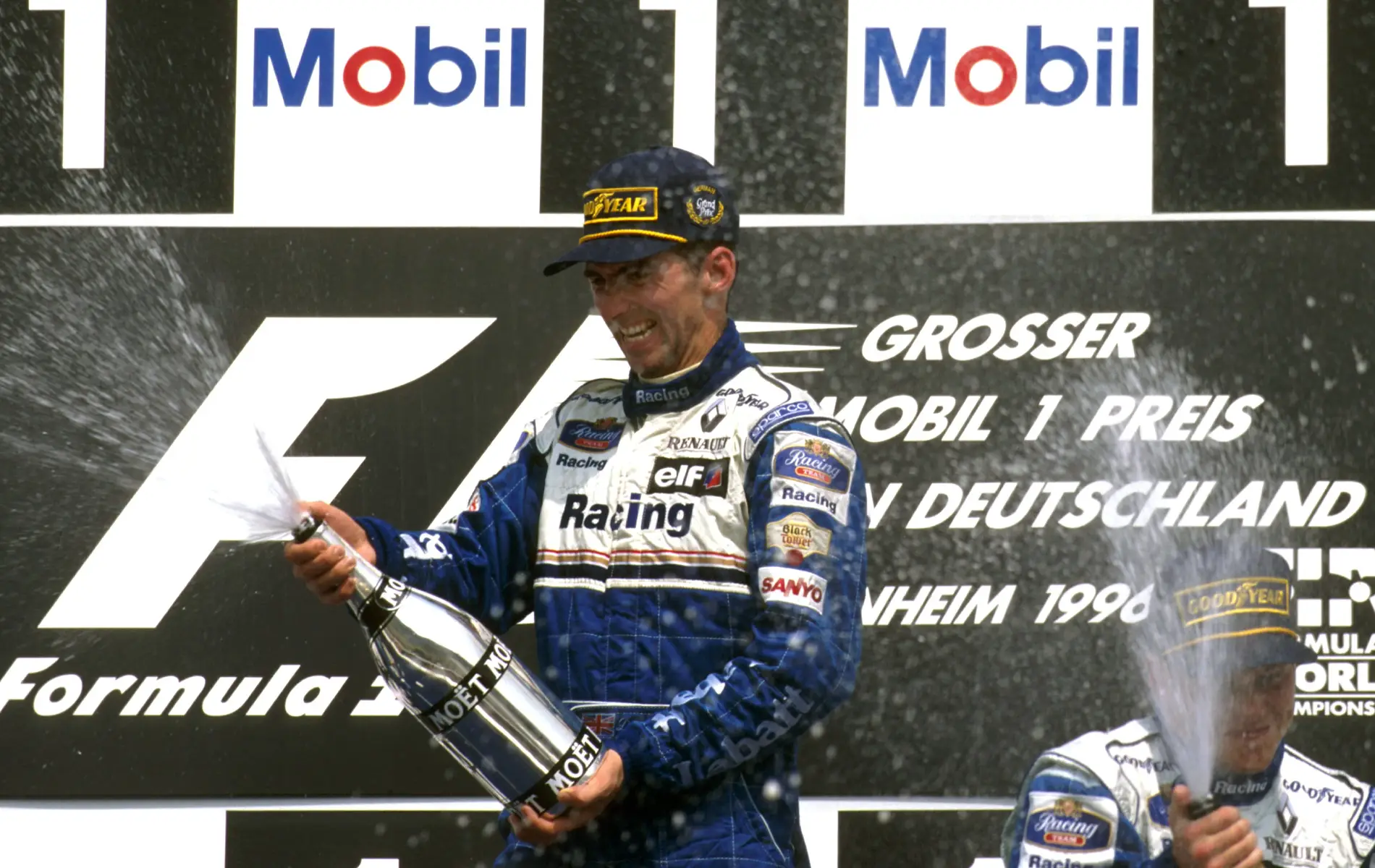
From 1977, Hockenheim became the event’s home almost every year for three decades. For much of that time, the circuit was defined by forest straights and heavy braking zones, a place where engine power, slipstreaming and strategy could turn the race inside out.
This was the era when German winners became the heartbeat of the story. Michael Schumacher’s successes turned the race into a national celebration, and his home victories helped fuel Germany’s Formula One boom in the 1990s and 2000s. He later ended the World Championship era tied for the most German Grand Prix wins, alongside Lewis Hamilton, with four each.
The Hockenheim years also produced modern classics and unlikely triumphs. Rubens Barrichello’s 2000 win from 18th on the grid remains one of the most dramatic turnarounds in the race’s history, proof that Germany could still deliver the unexpected even on a power circuit.
German Grand Prix Winners: 2008 to 2019
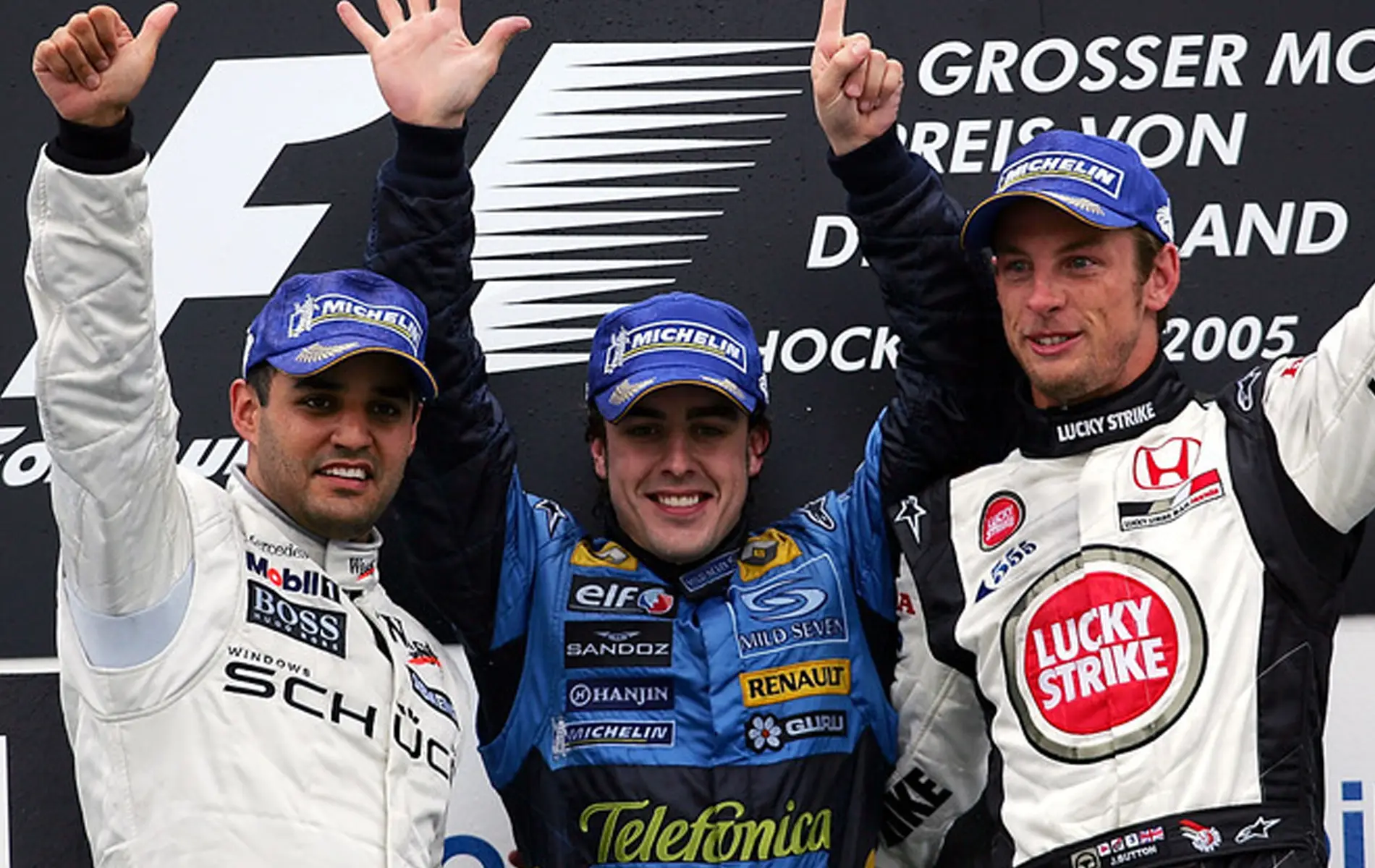
After 2007, the German Grand Prix entered a complicated phase. Hockenheim and the Nürburgring alternated hosting duties for stretches, with gaps appearing as finances and contracts tightened.
The final German Grand Prix so far came in 2019 at Hockenheim, and it ended in pure mayhem. Max Verstappen won a rain-hit race full of spins, penalties and surprise podium contenders, a fittingly unpredictable goodbye for an event that had always thrived on the edge.
As of today, the German Grand Prix name has not returned to the Formula One calendar. Germany did host a one-off replacement event in 2020, the Eifel Grand Prix at the Nürburgring, which Lewis Hamilton won.
More F1 Race Winners
From Adelaide to Silverstone to Monza and Spa, we chart the full story of every F1 winner from each event’s first race to the last.
Seen in: