























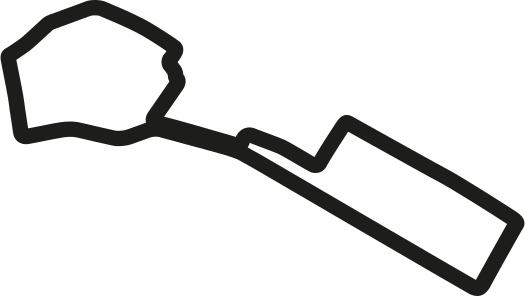

The Argentine Grand Prix holds a special place in F1 history. Hosted at the famous Autódromo Oscar y Juan Gálvez in Buenos Aires, the race appeared on the world championship calendar across three distinct eras from the 1950s to the late 1990s.
The event often opened ahead of the European season and tested drivers with intense summer heat, abrasive surfaces and passionate local crowds.
What To Know?
- Juan Manuel Fangio won four times at home: Juan Manuel Fangio remains the most successful driver in Argentine Grand Prix history, taking victories in 1954, 1955, 1956 and 1957 with three different constructors.
- Four future World Champions launched title campaigns in Buenos Aires: Emerson Fittipaldi, Alan Jones, Nelson Piquet and Damon Hill all won in Argentina during seasons in which they went on to secure the Drivers’ Championship.
- Walter Wolf Racing won on its Formula One debut: In 1977, Jody Scheckter delivered a sensational first race victory for Walter Wolf Racing, one of the rare occasions a new team has won its maiden Grand Prix.
- The race spanned three distinct eras across 45 years: First held as a championship round in 1953 and last run in 1998, the Argentine Grand Prix reflected Formula One’s evolution from front-engined machines to ground-effect cars and into the modern V10 era.
List of Every Argentine Grand Prix Winner
Argentine Grand Prix Winners: 1953 to 1957
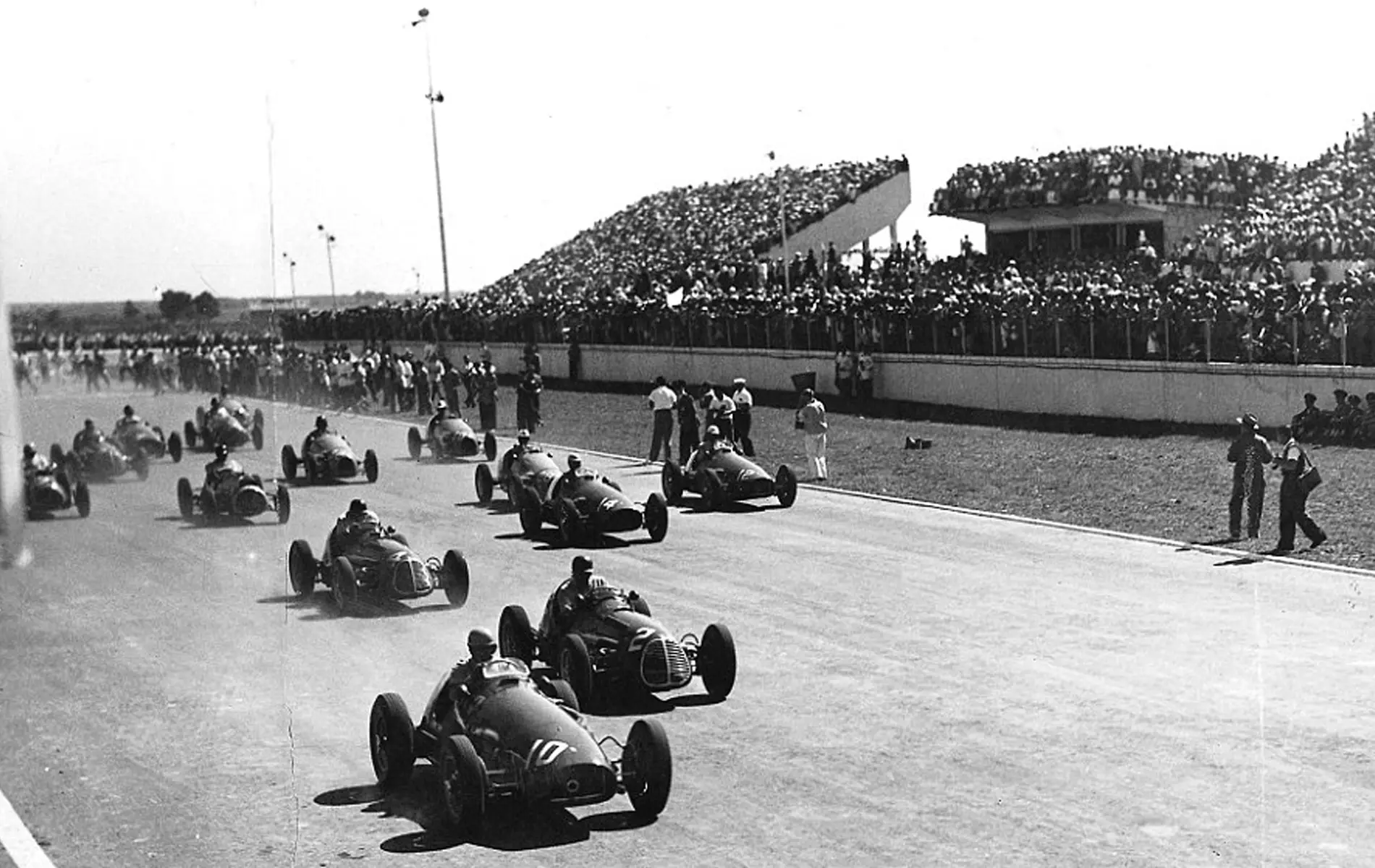
The championship first visited Buenos Aires in 1953, and Alberto Ascari delivered a commanding win for Ferrari. His victory came in punishing conditions and underlined Ferrari’s early 1950s dominance.
From 1954 onwards, the event became synonymous with Juan Manuel Fangio. The national hero won in 1954 with Maserati, repeated the feat in 1955 with Mercedes-Benz, shared victory in 1956 after handing over to Luigi Musso in a Ferrari, and triumphed once more with Maserati in 1957.
Fangio’s four wins at home cemented the Argentine Grand Prix as a showcase for one of the sport’s greatest drivers performing in front of his own supporters.
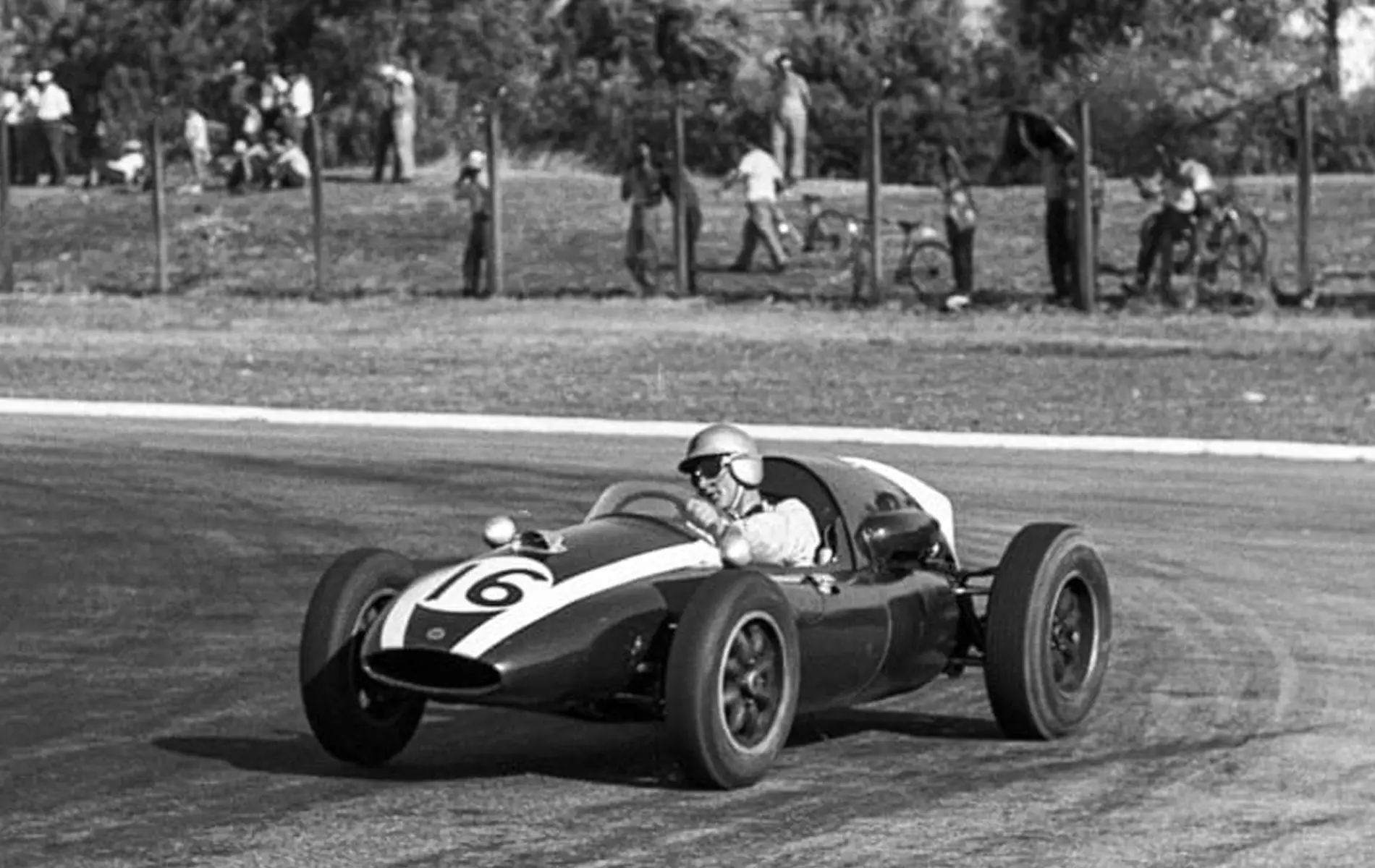
Argentine Grand Prix Winners: 1958 to 1960
The late 1950s brought a technical revolution. In 1958, Stirling Moss won for Cooper Car Company in a rear-engined car, defeating the more powerful front-engined Ferraris through superior balance and tyre preservation.
When the race returned in 1960, it was again a Cooper that prevailed. Bruce McLaren surged from deep on the grid to take victory, at the time becoming the youngest winner in Formula One history. Buenos Aires had helped confirm the rear-engined future of Grand Prix racing.
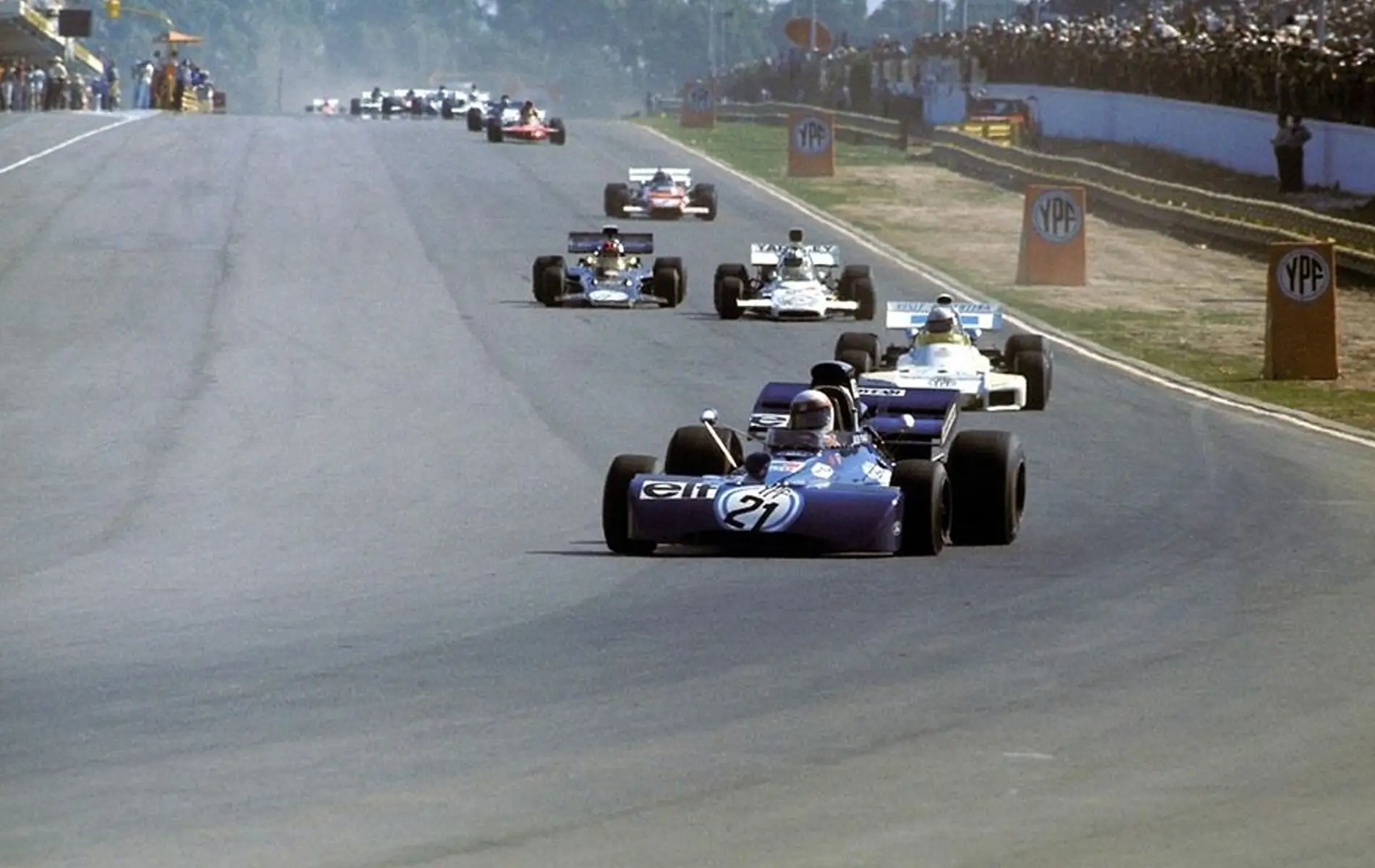
Argentine Grand Prix Winners: 1972 to 1975
After more than a decade away, the Argentine Grand Prix returned in 1972. Jackie Stewart claimed victory for Tyrrell Racing, beginning a new chapter for the event.
In 1973, Emerson Fittipaldi won for Team Lotus as he launched his championship-winning campaign. One year later, Denny Hulme took the honours for McLaren after starting outside the top ten.
Fittipaldi returned to the top step in 1975, this time with McLaren, confirming his status as one of the era’s leading figures.
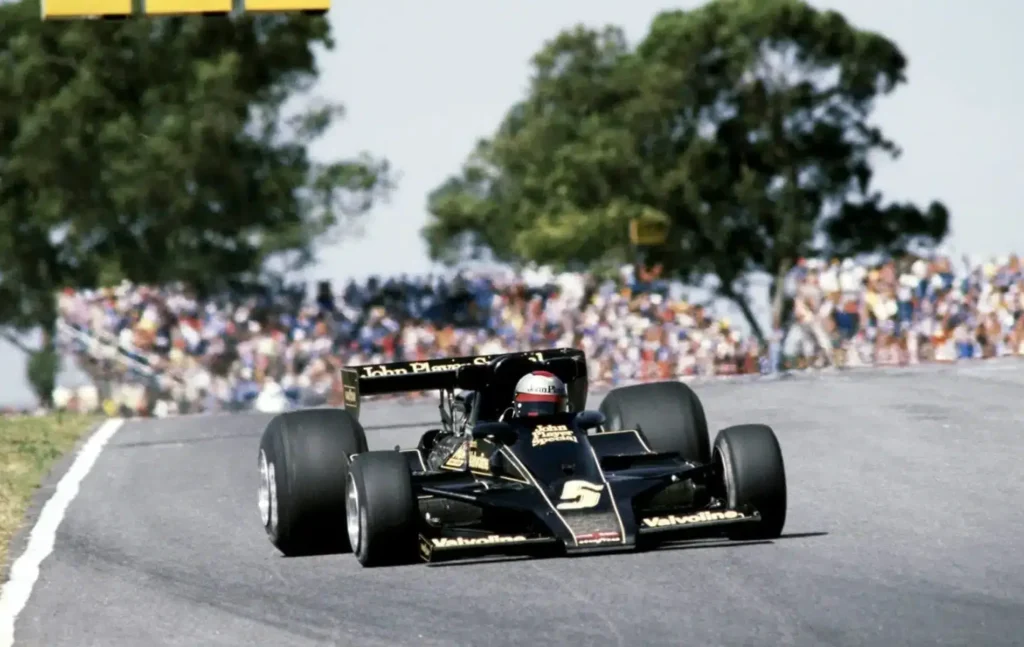
Argentine Grand Prix Winners: 1977 to 1981
The late 1970s and early 1980s produced a diverse roll of honour. In 1977, Jody Scheckter stunned the field by winning on debut for Walter Wolf Racing, one of the most remarkable first race victories in the sport’s history.
Ground effect cars then defined proceedings. Mario Andretti dominated for Lotus in 1978, while Jacques Laffite gave Ligier a famous win in 1979.
In 1980, Alan Jones triumphed for Williams en route to his world title, and in 1981 Nelson Piquet opened his championship season with victory for Brabham.
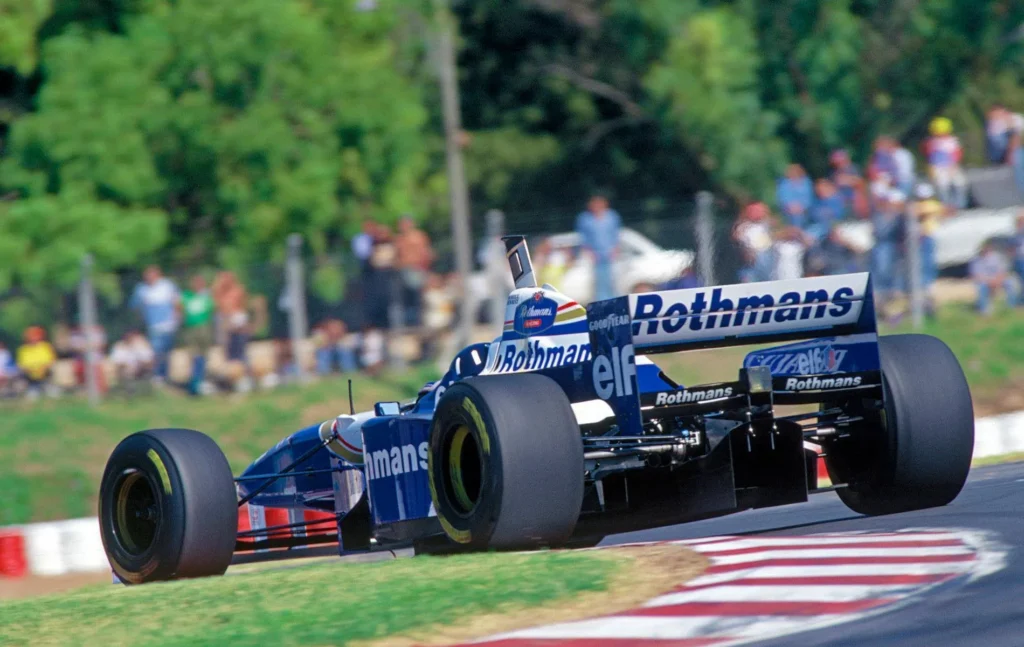
Argentine Grand Prix Winners: 1995 to 1998
Following another lengthy absence, Formula One returned to Buenos Aires in 1995. Damon Hill secured back-to-back wins in 1995 and 1996 for Williams, the second of which formed part of his championship-winning campaign.
In 1997, Jacques Villeneuve added his name to the list with a narrow victory for Williams during his title-winning season.
The final Argentine Grand Prix to date came in 1998, when Michael Schumacher controlled the race for Ferrari. His win closed the most recent chapter of Argentina’s Formula One story.
From Fangio’s home dominance to the rear-engined breakthrough of the late 1950s and the ground effect battles of the 1970s, the Argentine Grand Prix repeatedly reflected the wider shifts within Formula One. Although absent from today’s calendar, its winners prevailed in defining moments across multiple generations of the sport.
More F1 Race Winners
From Adelaide to Silverstone to Monza and Spa, we chart the full story of every F1 winner from each event’s first race to the last.
Seen in: