For some Formula 1 drivers, the first win arrives before half the paddock has even realised there is a new contender on the grid. For others, it follows years of podium photographs taken one step away from the position they really want. Talent is part of the equation, but so are machinery, opportunity and the stubborn business of staying on the grid.
Every driver here eventually reached the top step. Some had spent years in midfield cars while others had already come agonisingly close in machinery capable of winning. Their breakthroughs came through rain, penalties, late-race attacks, and even a revised result after everyone had left the circuit.
What to know
- Sergio Pérez has waited longer than any other F1 driver to win, finally taking his first victory on his 190th start.
- Carlos Sainz is next: he won on his 150th start.
- Giancarlo Fisichella and Lando Norris share eighth place, each winning on his 110th start.
- Officials confirmed Fisichella’s first win only after correcting the result of the 2003 Brazilian Grand Prix.
The longest waits before a first F1 victory
This table ranks ten drivers by how many races they started before their first World Championship Grand Prix victory. It counts races they actually started, excluding entries that did not become starts and Sprint races.
| Rank | Driver | Winning start | Earlier winless starts | First victory |
|---|---|---|---|---|
| 1 | Sergio Pérez | 190th | 189 | 2020 Sakhir Grand Prix |
| 2 | Carlos Sainz | 150th | 149 | 2022 British Grand Prix |
| 3 | Mark Webber | 130th | 129 | 2009 German Grand Prix |
| 4 | Rubens Barrichello | 124th | 123 | 2000 German Grand Prix |
| 5 | Jarno Trulli | 117th | 116 | 2004 Monaco Grand Prix |
| 6 | Jenson Button | 113th | 112 | 2006 Hungarian Grand Prix |
| 7 | Nico Rosberg | 111th | 110 | 2012 Chinese Grand Prix |
| =8 | Giancarlo Fisichella | 110th | 109 | 2003 Brazilian Grand Prix |
| =8 | Lando Norris | 110th | 109 | 2024 Miami Grand Prix |
| 10 | Mika Häkkinen | 96th | 95 | 1997 European Grand Prix |
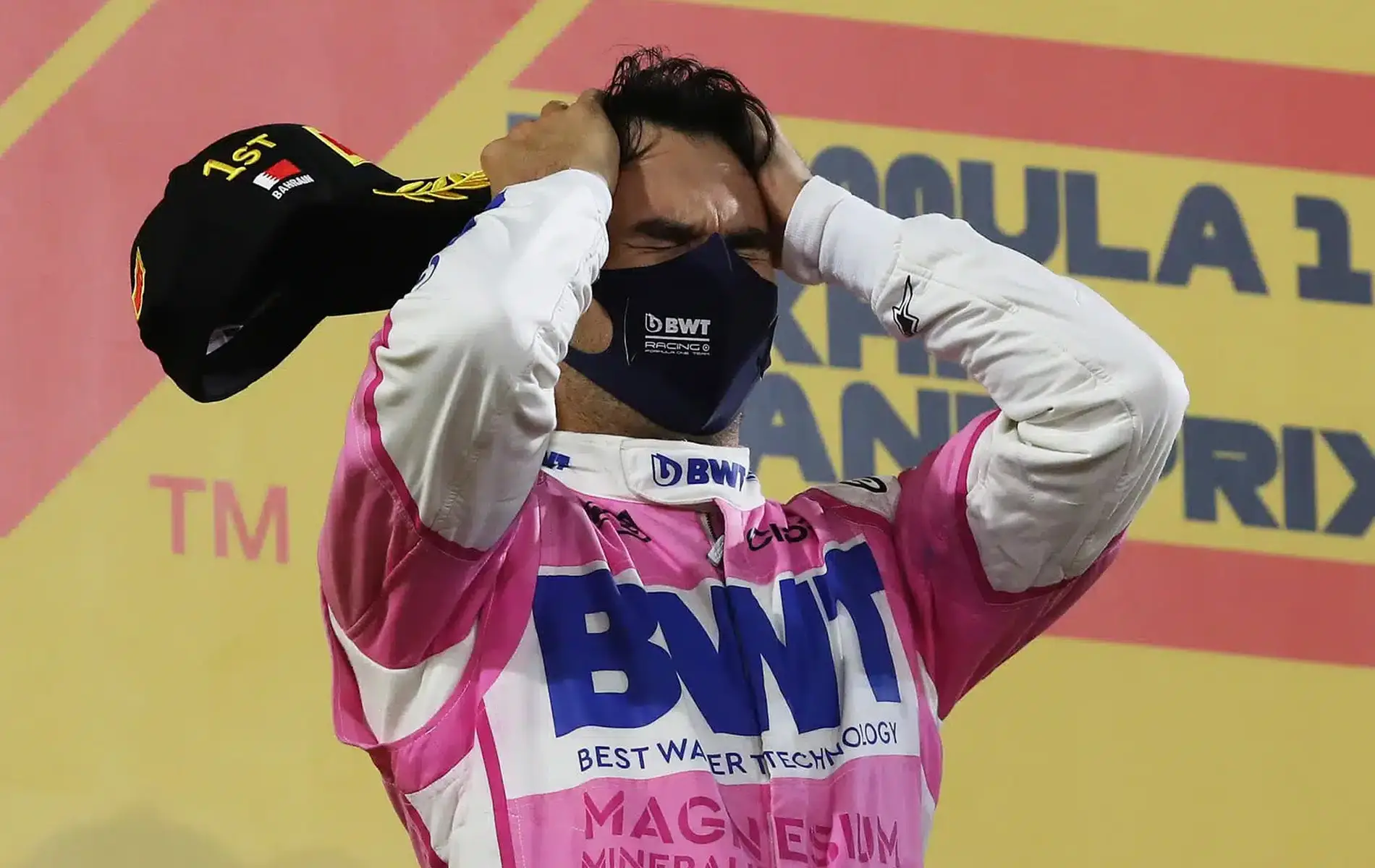
Sergio Pérez: The longest wait ends after a first-lap disaster
Sergio Pérez was spun around on the opening lap of the 2020 Sakhir Grand Prix. It hardly looked like the start of an obvious breakthrough. Yet the Racing Point driver recovered, worked his way back through the field and eventually took his first win on start number 190, a record he still holds today.
Mercedes‘ troubled pit sequence and George Russell‘s later puncture were important to the result, but Pérez still had to rebuild his own race after that early setback. The victory came with his future uncertain and made a particularly persuasive statement about his value. One that Red Bull would eventually jump on. Years of managing tyres and maximising limited opportunities finally paid off with an afternoon at the very top.
Further reading
Carlos Sainz: Silverstone supplies both pole and victory
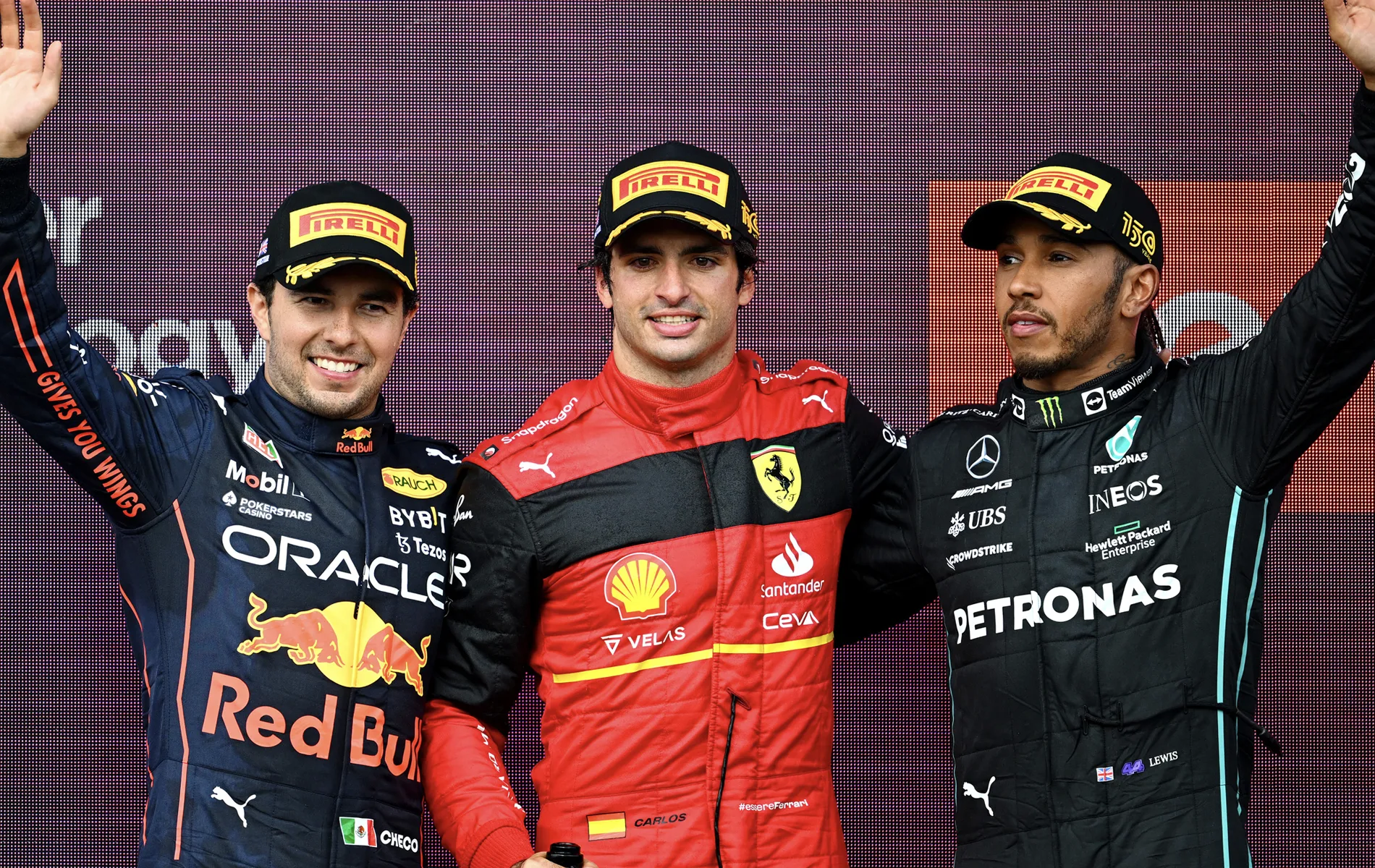
Carlos Sainz took his first pole and first Grand Prix victory at the 2022 British Grand Prix. The win arrived on his 150th start, after spells with Toro Rosso, Renault and McLaren before his move to Ferrari. His progression had been steady, but the breakthrough race was anything but straightforward.
A late Safety Car brought Sainz back into contention on fresh tyres. He passed teammate Charles Leclerc after the restart, then pulled clear as the drivers behind fought over the remaining podium places. After years spent working his way through Toro Rosso, Renault and McLaren, Sainz was a Ferrari race winner. His first pole and first victory came on the same Silverstone weekend, capping an incredible climb to the top step.
Further reading

Mark Webber: A penalty cannot stop him
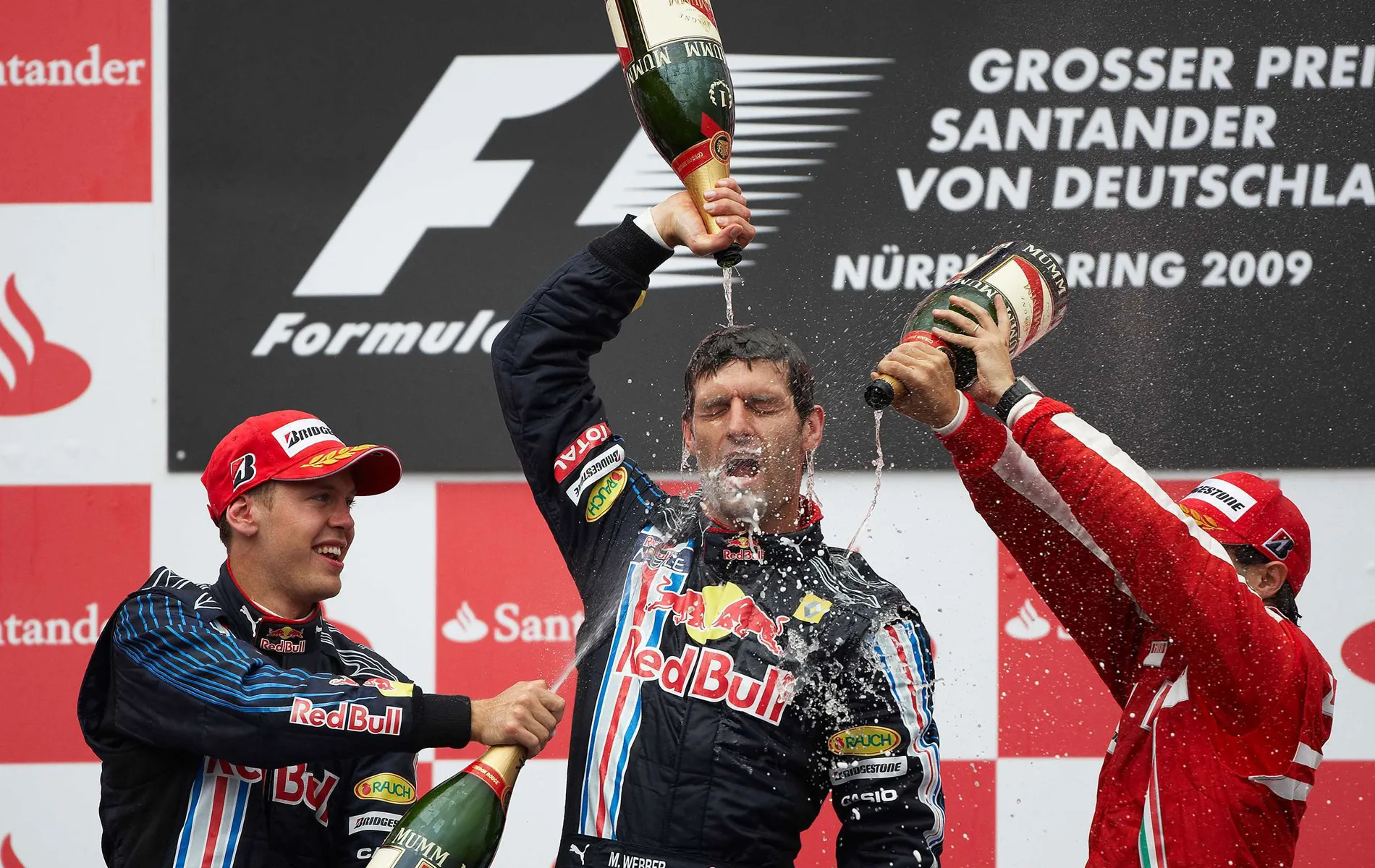
Mark Webber‘s first victory at the 2009 German Grand Prix came despite a drive-through penalty after contact with Rubens Barrichello at the start. Having taken his first pole, Webber had enough pace in the Red Bull to recover the lost time and lead a team one-two finish.
Webber’s fifth place on debut for Minardi in Australia in 2002 had felt like a victory, but the real thing took another seven years, 130 race starts later. Even a drive-through could not take this one away. He recovered the lost time, beat the field, and led a Red Bull one-two. His delighted radio celebration said plenty about how long he had waited.
Further reading

Rubens Barrichello: Tears at Hockenheim
Rubens Barrichello started the 2000 German Grand Prix eighteenth and finished it as a first-time winner. Mixed weather and interruptions helped change the shape of the race, but his decision to stay on dry tyres in the closing stages required commitment on a circuit where conditions varied considerably around the lap.
It was Barrichello’s 124th start and his first season with Ferrari, following years at Jordan and Stewart. He had often impressed without a winning car, and at Hockenheim he finally had both the machinery and the opportunity to use it. Starting eighteenth made the result sweeter still. By the podium ceremony, the tears were flowing, and the long wait was over.
Further reading
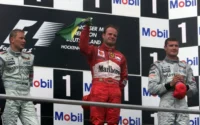

Jarno Trulli: The qualifying specialist completes the job
Jarno Trulli‘s reputation for qualifying speed was already established before the 2004 Monaco Grand Prix. That weekend, he converted pole into a Renault win and held off Jenson Button‘s late challenge. It was his 117th start and would remain his only championship Grand Prix win.
Monaco left little room for a leisurely finish. A narrow margin and walls close to every corner demanded concentration until the flag. Trulli’s achievement is sometimes overshadowed by the phrase ‘Trulli train’, but this was a weekend on which his speed put him in front, and his race execution kept him there. The place most associated with qualifying rewarded him for more than one quick lap.
Further reading

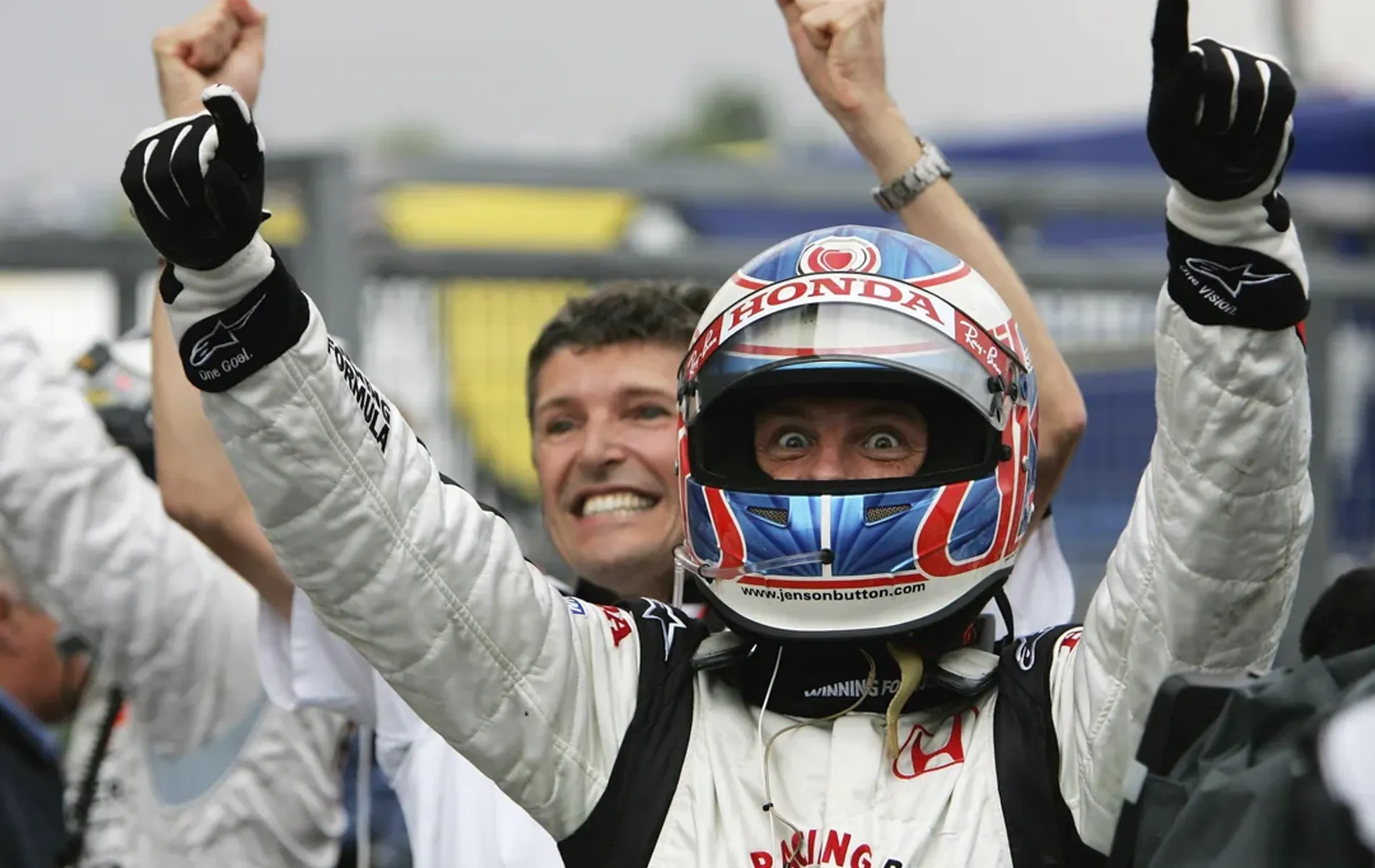
Jenson Button: Hungary changes the conversation
By the 2006 Hungarian Grand Prix, Jenson Button had endured plenty of discussion about when, or whether, he would ever win. His 113th start answered it. Starting fourteenth after an engine-change penalty, he mastered a wet-to-dry race and gave Honda a victory.
Alonso’s retirement removed a major rival, but Button had already worked his way into contention. The Honda driver made the most of the changing conditions and finally reached the top step. After so many questions about his missing first win, he could leave Hungary with a different conversation to enjoy. Three years later, he would add the world championship with Brawn.
Further reading

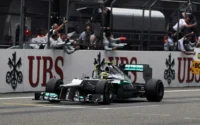
Nico Rosberg: A new Mercedes landmark
Nico Rosberg‘s 111th start brought victory at the 2012 Chinese Grand Prix. He qualified on pole and controlled the race for Mercedes, delivering the team’s first win since its return as a works constructor in 2010. It was a major milestone for a project still finding its way back to the front.
Rosberg had arrived in F1 with Williams in 2006 and spent years waiting for a regular chance to win. In Shanghai, he took pole and converted it into victory, giving Mercedes a result the returning works team badly wanted. The Hamilton partnership and championship battles were still ahead. For now, Rosberg had supplied the first win of this new Mercedes era.
Further reading
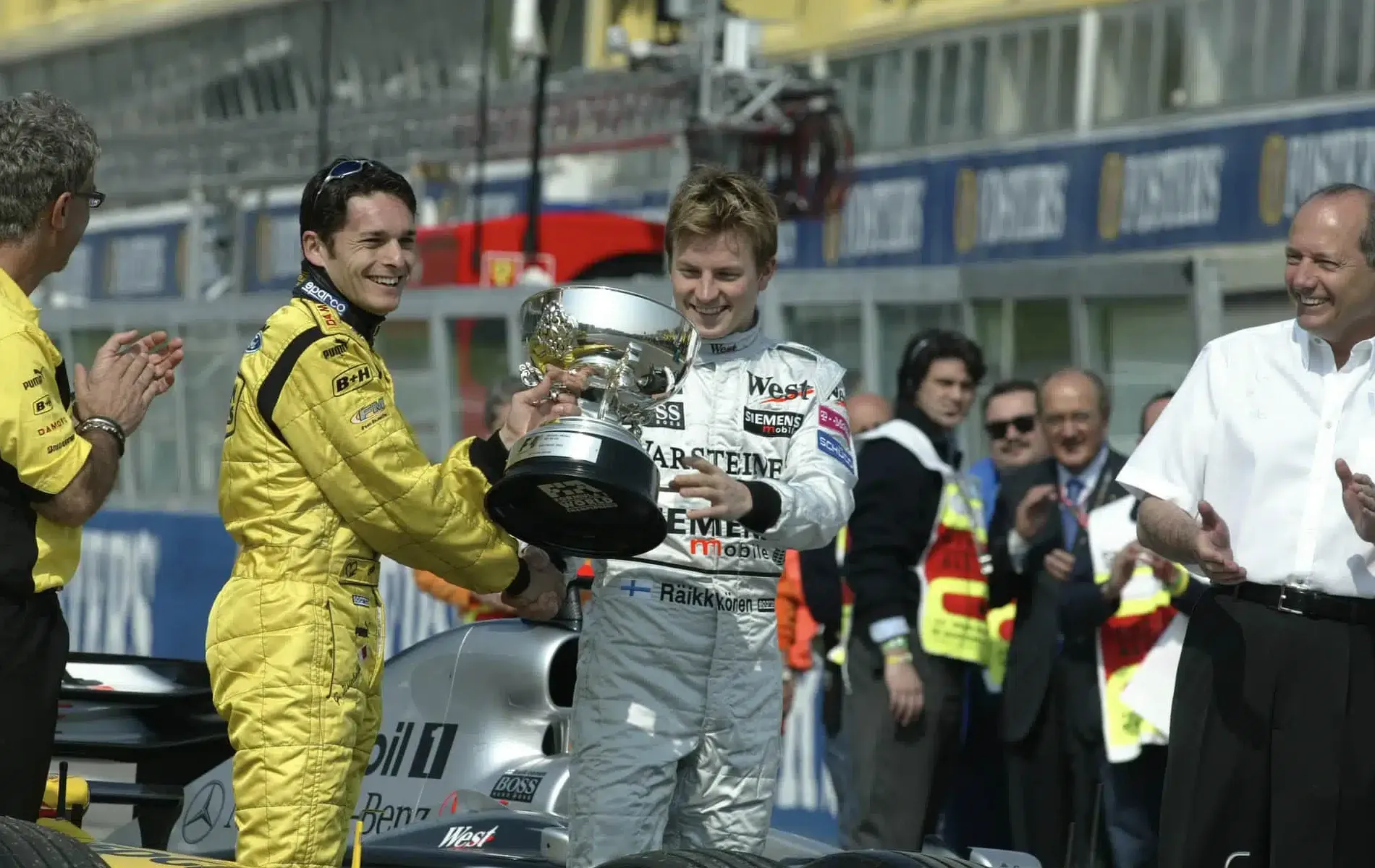
Giancarlo Fisichella: The celebration arrives late
Giancarlo Fisichella‘s first win was unusual even by the standards of the 2003 Brazilian Grand Prix. After a wet and incident-filled race was stopped, Kimi Räikkönen was initially declared the winner. A review of the lap timing and countback subsequently corrected the result in Fisichella’s favour.
His 110th start therefore produced a victory that could not be celebrated properly on the original podium. The Jordan driver had been in contention when the race ended, and the official outcome eventually reflected the correct points count. Fisichella later won for Renault as well, but none of those celebrations could quite reproduce the strangeness of receiving his breakthrough after everyone had left the circuit, with the winning trophy handed to him before the following race.
Further reading

Lando Norris: Miami removes the question mark
Lando Norris took his first win on his 110th start at the 2024 Miami Grand Prix. A well-timed Safety Car put him in position to win. After the restart, he kept the lead and pulled away from Max Verstappen, turning that opening into a convincing victory.
Russia in 2021 had been especially painful when Norris was close to winning when worsening rain overwhelmed his decision to remain on slicks. This time he made it to the flag ahead. Verstappen could not close the gap, and the familiar question about Norris’s first win finally had an answer. His 2025 world championship would follow, but Miami was the breakthrough he had waited so long to celebrate.
Further reading
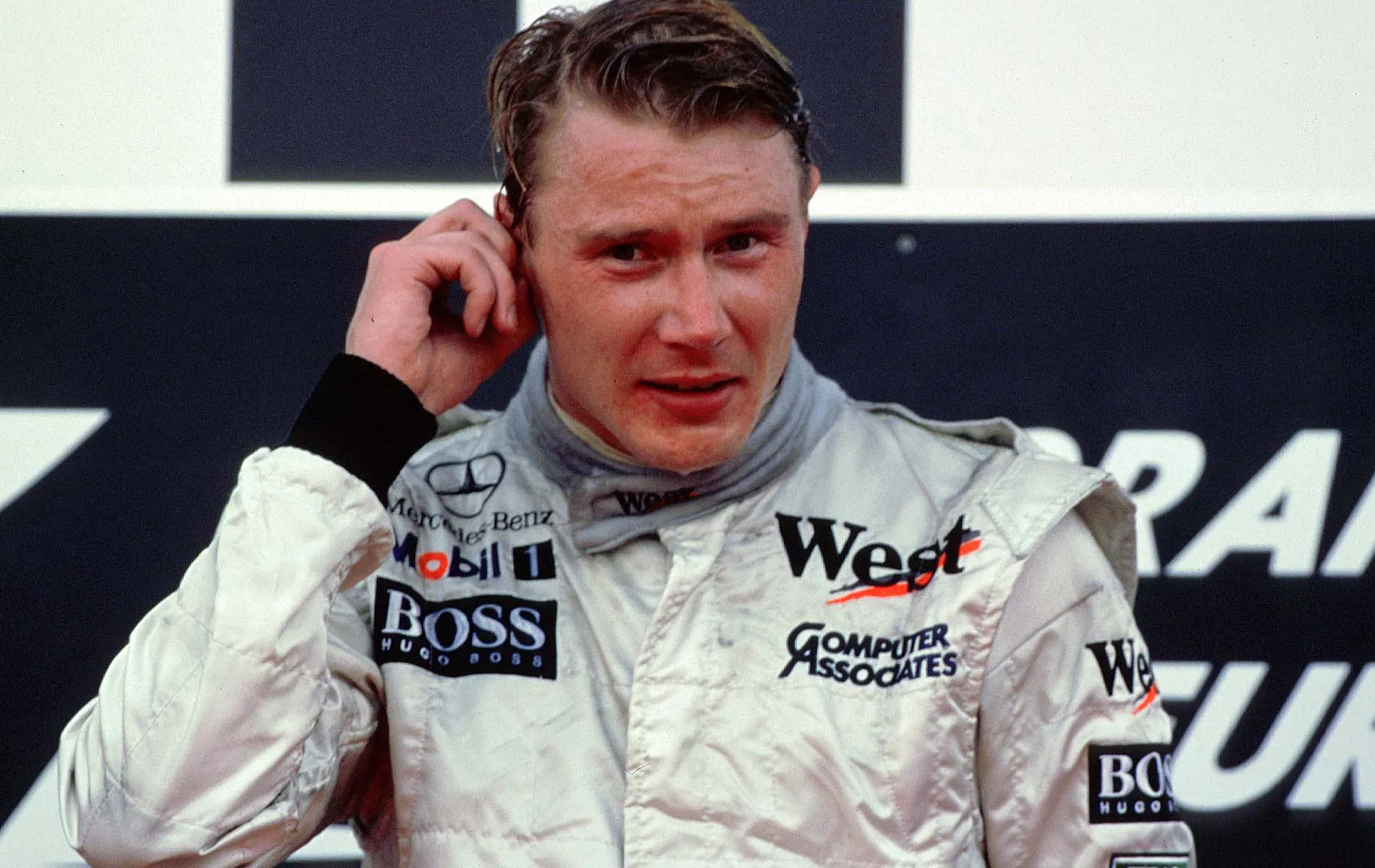
Mika Häkkinen: The breakthrough before the titles
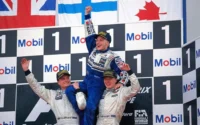
Mika Häkkinen won the 1997 European Grand Prix on his 96th start. The Jerez race is more often remembered for the Schumacher–Villeneuve collision that settled the championship, but it also ended a long wait for the McLaren driver—surprising when you put his two later titles in conversation. Late-race positioning helped him secure the result.
An engine failure had cost Häkkinen a likely victory at Silverstone earlier in 1997. At Jerez, he finally made it through, ending the season as a Grand Prix winner. The next two years would bring world championships with McLaren. After 95 starts without a win, his career was about to change dramatically, and the first trophy was soon joined by many more.
Further reading
Seen in: