































Winning a Formula 1 race is difficult enough. Winning while leaving the rest of the grid with almost nothing to show for the weekend is something else entirely.
George Russell provided the latest reminder at the 2026 Azerbaijan Grand Prix, joining a British club that stretches back to Mike Hawthorn in 1958. Together, its eight members have produced 26 Grand Slams. At the top sits Jim Clark, whose eight remain the outright Formula 1 record, with only Max Verstappen sitting one behind.
What is a Grand Slam in F1?
A Formula 1 Grand Slam, also called a Grand Chelem, means taking pole position, winning the Grand Prix, setting the race’s fastest lap and leading every lap of that same race.
The final requirement separates it from a hat-trick of pole, victory and fastest lap. Surrender the lead for a single completed lap during the pit-stop sequence and the Grand Slam disappears. Being fastest all afternoon doesn’t guarantee you collect it.
What to know
- An F1 Grand Slam requires pole position, the race win, fastest lap and the lead on every lap of the Grand Prix.
- Jim Clark holds the overall Formula 1 record with eight Grand Slams, all achieved for Lotus between 1962 and 1965.
- Eight British drivers have recorded 26 Grand Slams through the 2026 Azerbaijan Grand Prix; Lewis Hamilton has six, behind Clark’s eight.
- George Russell became the eighth British member of the club in Azerbaijan in 2026. Fastest lap remains a requirement despite its bonus point being removed in 2025.
Every British F1 Grand Slam: the complete list
Drivers are ordered by total, with ties arranged by their first Grand Slam. Every qualifying Grand Prix is included.
| Driver | Grand Slams | Every Grand Slam Grand Prix |
|---|---|---|
| Jim Clark | 8 | Britain 1962; Netherlands 1963; France 1963; Mexico 1963; Britain 1964; South Africa 1965; France 1965; Germany 1965 |
| Lewis Hamilton | 6 | Malaysia 2014; Italy 2015; China 2017; Canada 2017; Britain 2017; Abu Dhabi 2019 |
| Jackie Stewart | 4 | France 1969; Monaco 1971; France 1971; United States 1972 |
| Nigel Mansell | 4 | Britain 1991; South Africa 1992; Spain 1992; Britain 1992 |
| Mike Hawthorn | 1 | France 1958 |
| Stirling Moss | 1 | Portugal 1959 |
| Damon Hill | 1 | Hungary 1995 |
| George Russell | 1 | Azerbaijan 2026 |
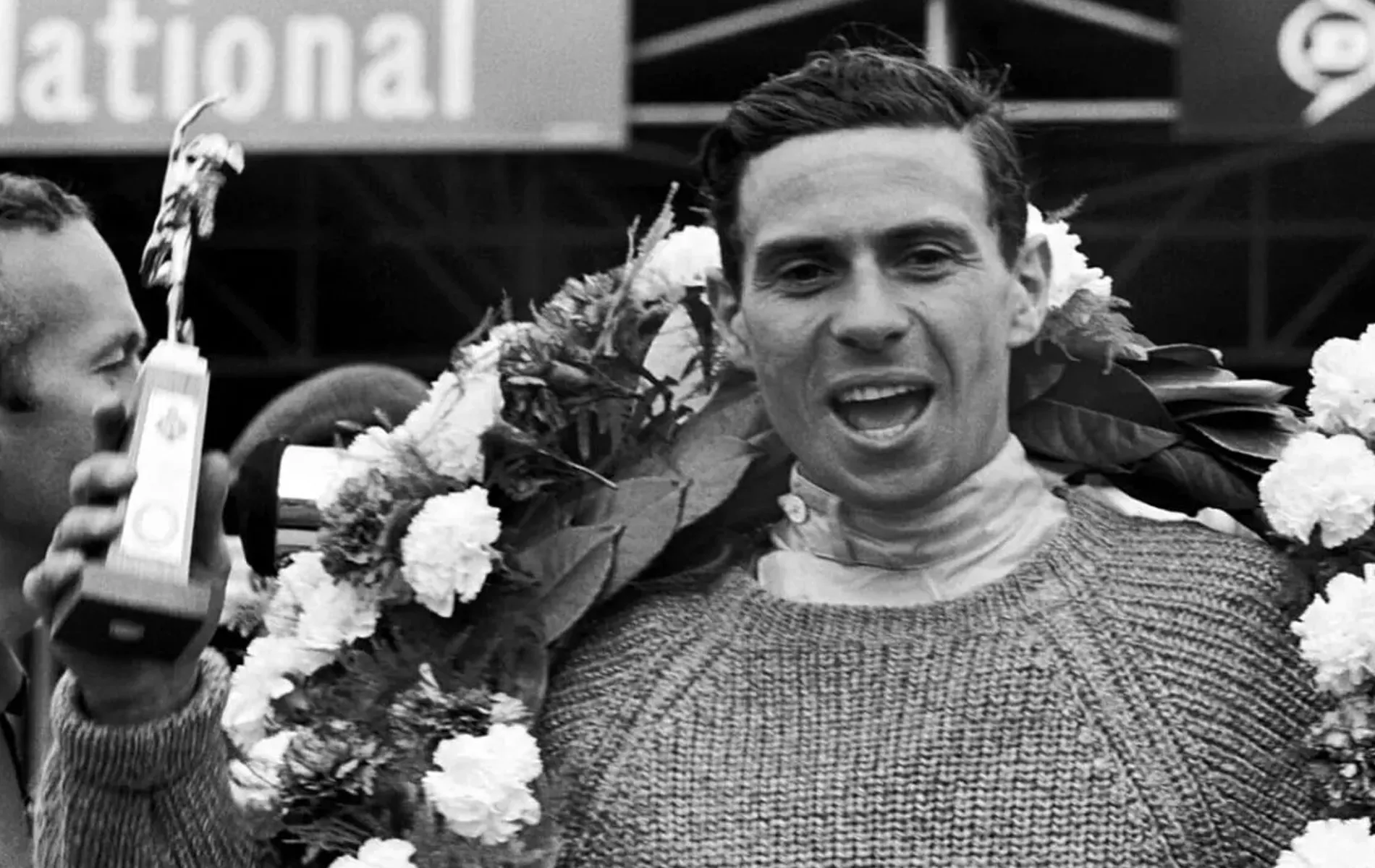
1. Jim Clark — eight Grand Slams
The benchmark was established long before modern fans had live timing to watch it unfold.
Clark began at Aintree in the 1962 British Grand Prix. Three more followed in 1963: Zandvoort, Reims and Mexico City. His second British Grand Slam came at Brands Hatch in 1964, before East London, Clermont-Ferrand and the Nürburgring completed the collection in 1965.
There is a useful history lesson hidden in those locations. Neither of Clark’s British Grand Slams happened at Silverstone, while his two French examples came at different circuits.
All eight were achieved with Lotus. The final one, on the Nürburgring’s formidable original circuit, gives the record a particularly fitting finish: a complete performance on a track that demanded far more than outright speed.
Clark’s total still leads everyone. For fans accustomed to modern records tumbling, this is a striking survivor from the 1960s. Verstappen could join him in the very near future with seven to his name.
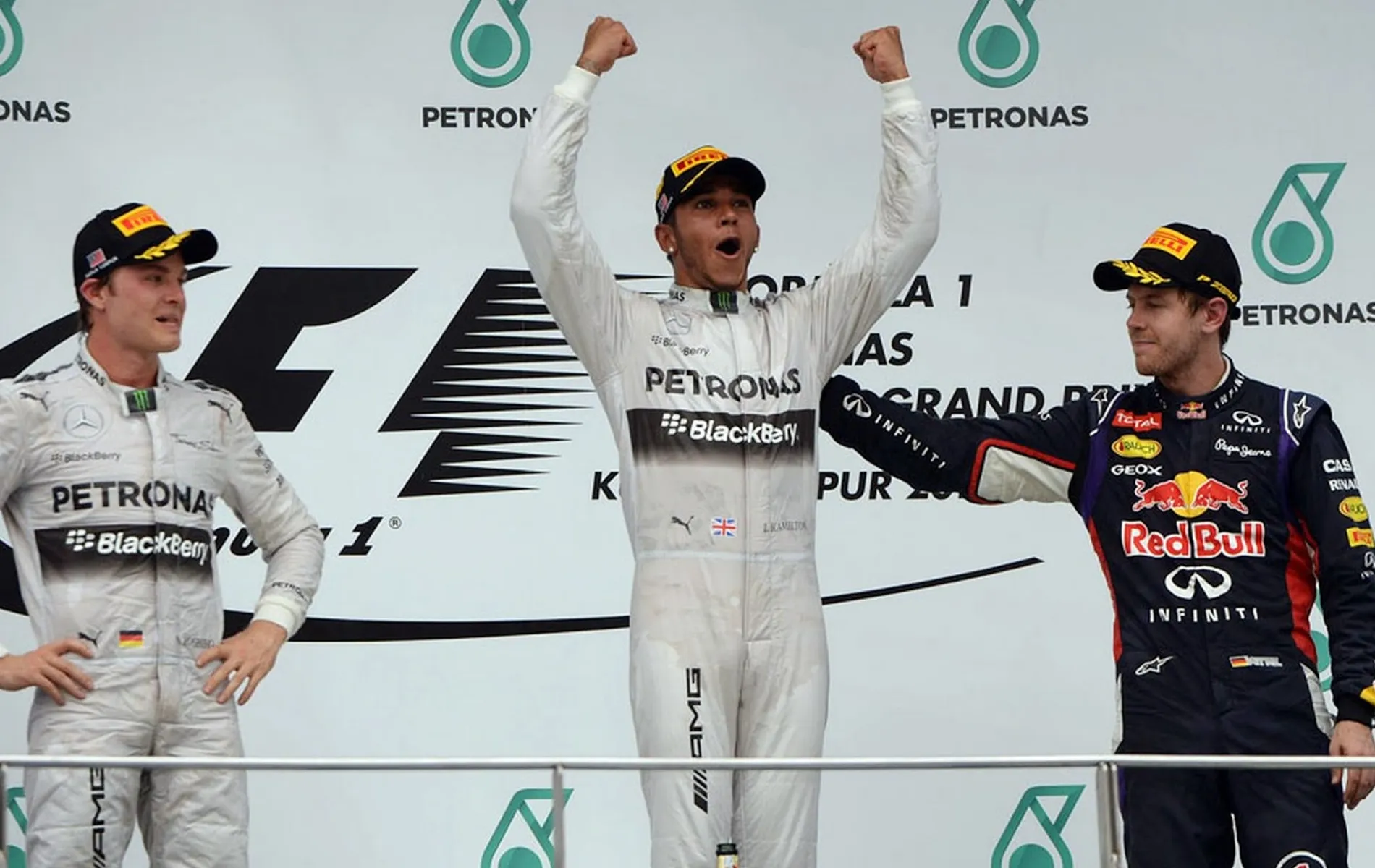
2. Lewis Hamilton — six Grand Slams
Hamilton’s collection captures the Mercedes years in six snapshots.
Malaysia in 2014 opened the account, followed by Monza in 2015. At the Italian round, he also topped every practice session — an extra flourish beyond the Grand Slam’s actual requirements.
Then came 2017. China, Canada and Britain delivered three in one season, matching Clark’s best annual haul. Shanghai, Montreal and Silverstone offered very different settings for the same outcome: Hamilton completing every part of the job. Abu Dhabi in 2019 supplied his sixth, again with Mercedes.
Hamilton’s long periods of success did not automatically turn into an endless stream of Grand Slams. A rival taking the fastest lap, or briefly leading through the stops, could remove the final stamp from an otherwise commanding afternoon.
Six is an exceptional total. It also shows how demanding this particular record remains.
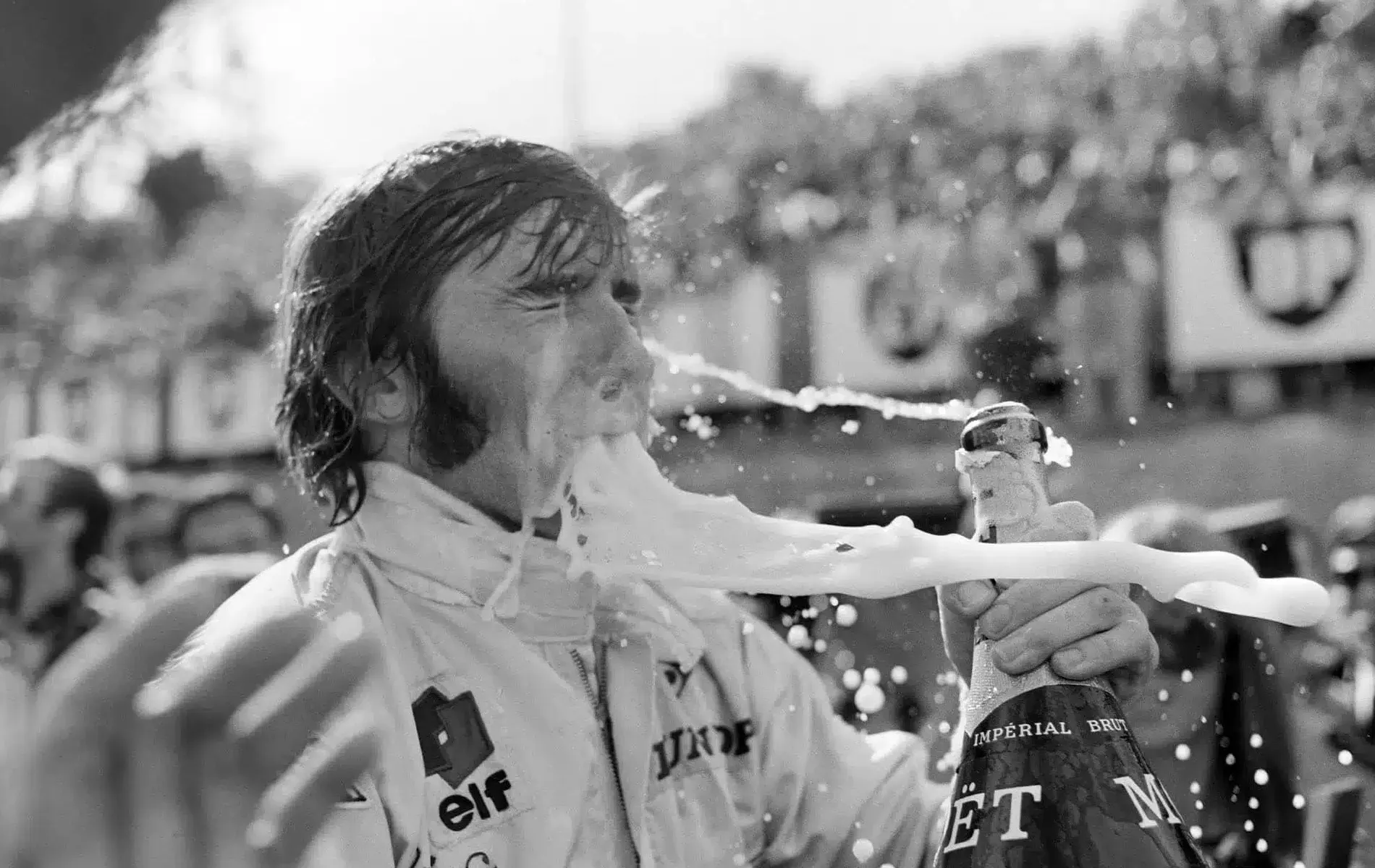
3. Jackie Stewart — four Grand Slams
Stewart’s first came at the 1969 French Grand Prix on the twisting Clermont-Ferrand circuit. Driving the Matra MS80, he took pole by almost two seconds and won by nearly a minute. That was a dominant display with very little need for embellishment.
His next two arrived with Tyrrell in 1971: Monaco and France, the latter now held at Paul Ricard. One rewarded precision between barriers; the other presented an altogether different layout, yet Stewart collected the same four achievements.
Watkins Glen in 1972 completed his quartet.
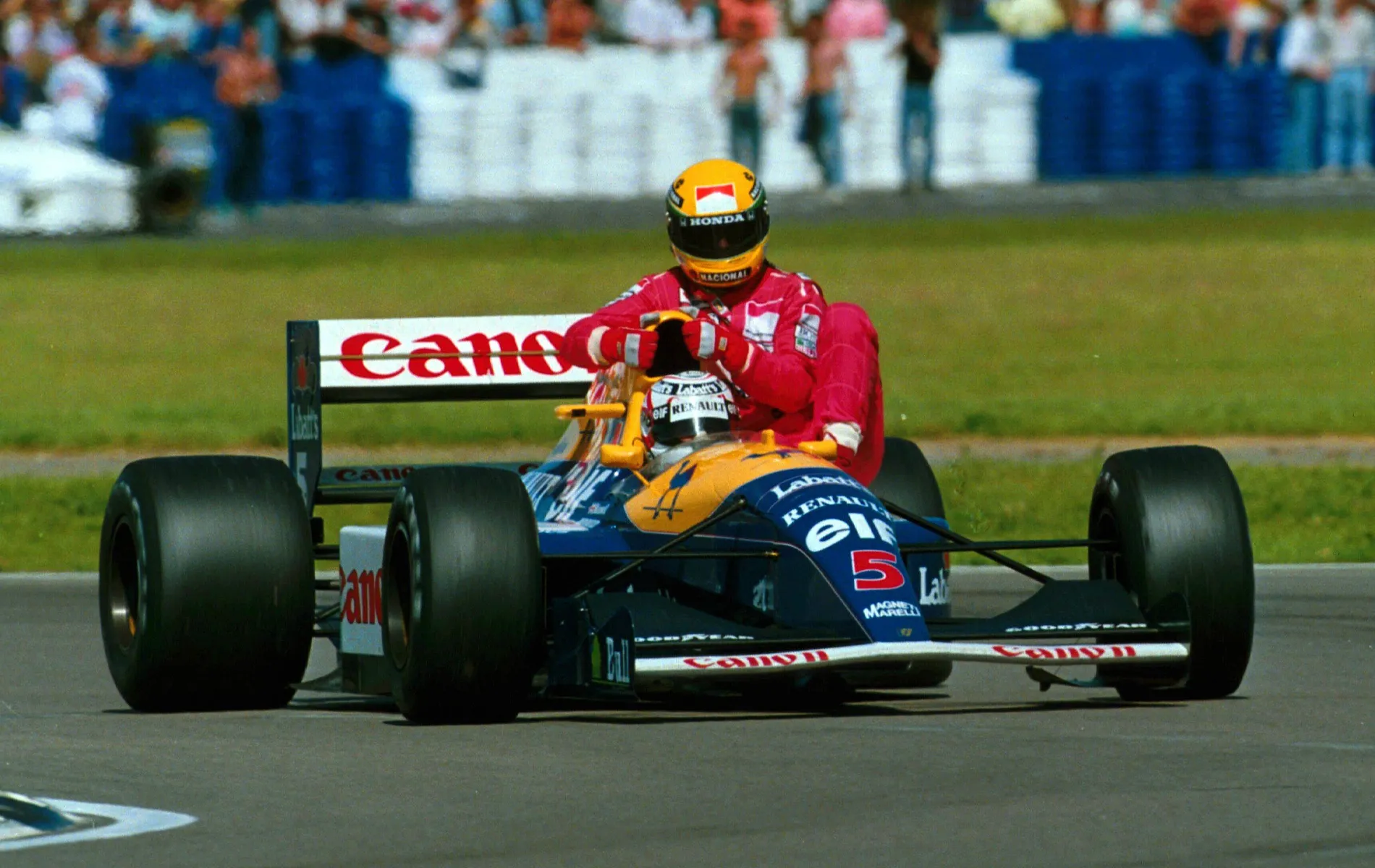
4. Nigel Mansell — four Grand Slams
Two British Grand Slams, one unforgettable relationship with Silverstone.
Mansell’s first arrived in 1991 with the Williams FW14. His remaining three came in the FW14B during 1992: South Africa, Spain and Britain.
Kyalami announced the scale of the challenge facing his rivals. Barcelona added another complete result. Silverstone then supplied the home crowd with a repeat of the previous year’s clean sweep.
Mansell’s Grand Slam story began before the FW14B, even if that famous machine delivered most of the collection. Mansell’s reputation extends beyond dramatic overtaking. He could generate enormous excitement while controlling a race from the front. At Silverstone, the grandstands supplied plenty of the drama themselves.
5. Mike Hawthorn — one Grand Slam
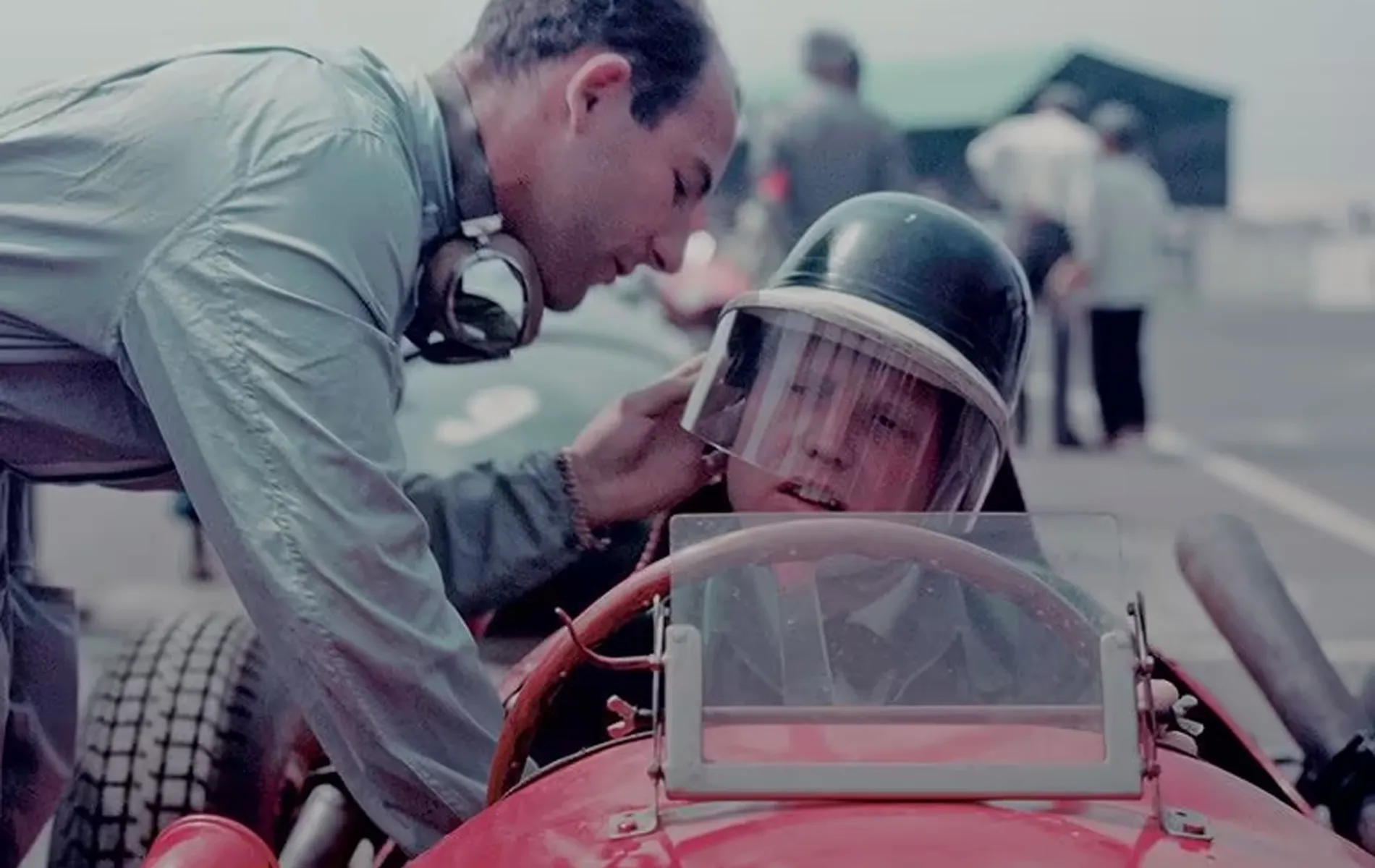
Britain’s first entry came at Reims in the 1958 French Grand Prix, with Hawthorn driving Ferrari’s D246.
France was also his only victory that season. The future world champion made that single win as complete as possible: pole, fastest lap and every lap led. It’s a neat reminder that championship campaigns and Grand Slams measure different things. One rewards a season’s work; the other captures one exceptionally complete race weekend.
Hawthorn’s place here reaches back to a very different Formula 1, before the rear-engined cars that would soon reshape the grid. The machinery has changed almost beyond recognition, but the four requirements for a Grand Slam remain.
6. Stirling Moss — one Grand Slam
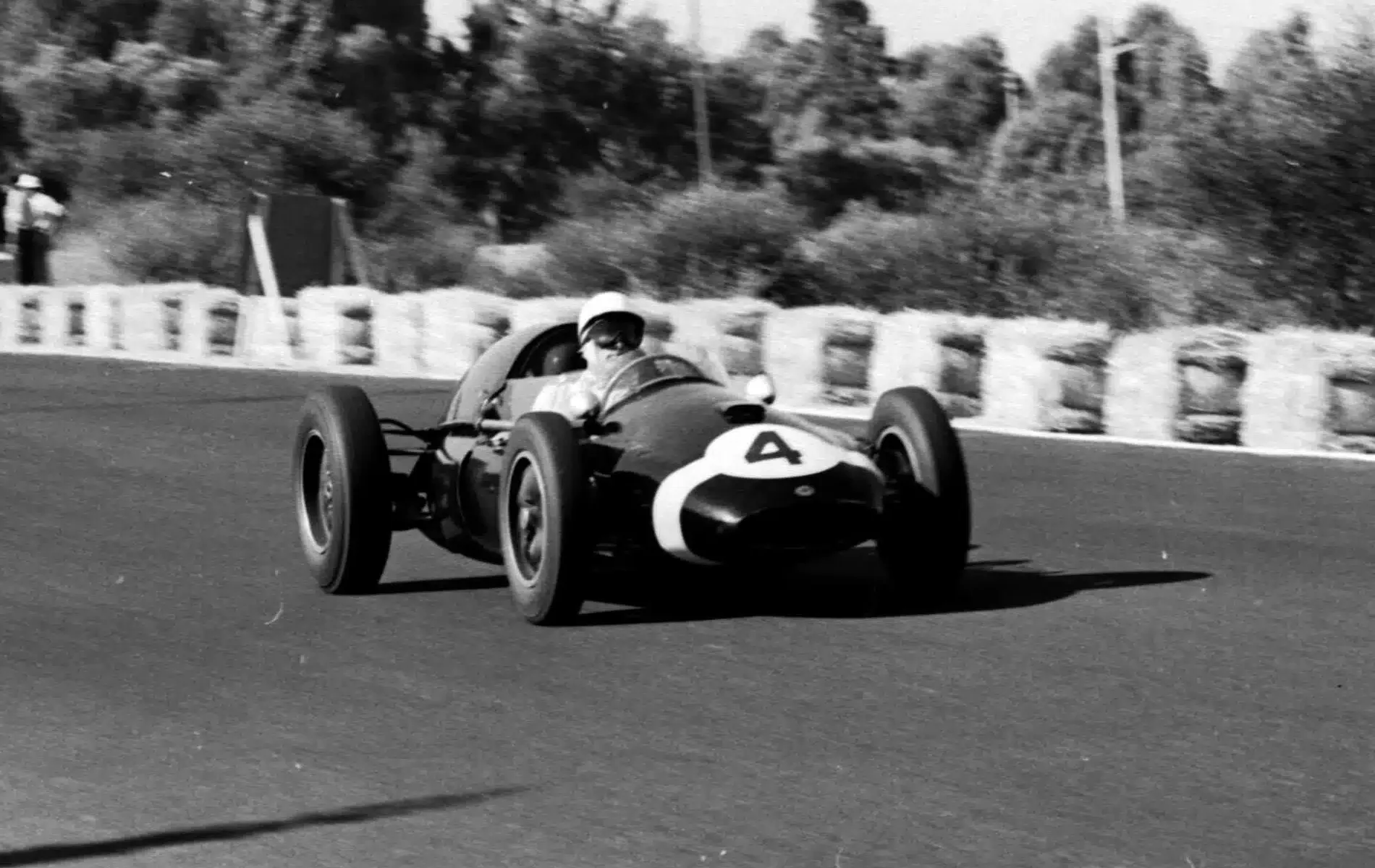
Moss’s sole Grand Slam came at Portugal’s Monsanto circuit in 1959, driving a Cooper T51-Climax.
The numbers were emphatic. He took pole by roughly two seconds and finished a full lap ahead of the runner-up. Among the drivers with one entry, his winning margin makes this an especially impressive example.
7. Damon Hill — one Grand Slam
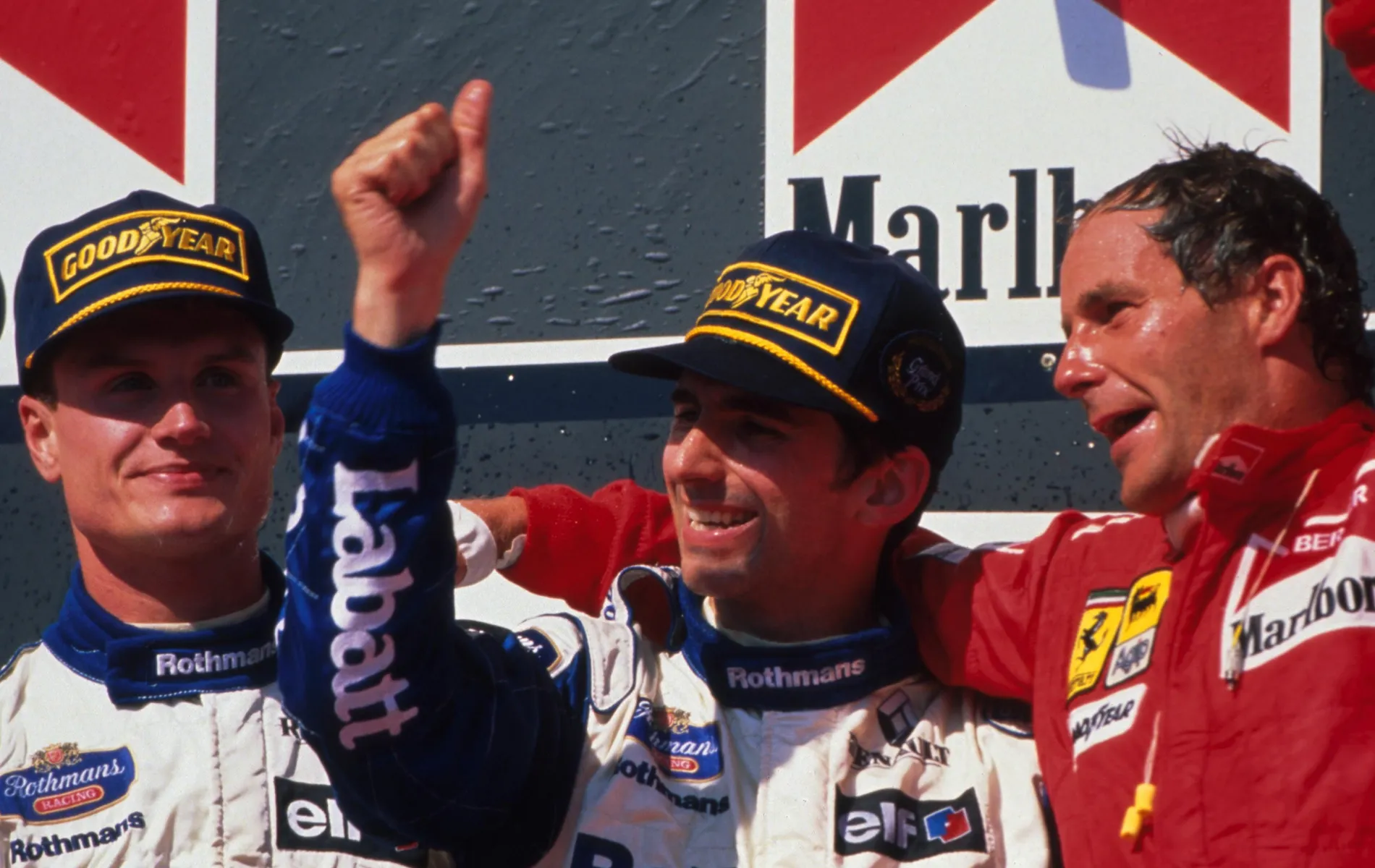
Hungary in 1995 gave Hill his only Grand Slam, at the wheel of the Williams FW17.
He led all 77 laps and finished 33.398 seconds ahead of team mate David Coulthard. Williams secured a 1-2 finish, with Hill supplying the pole and fastest lap as well.
The Hungaroring often sparks conversations about track position, a Monaco without the walls, some say. Hill’s performance added fuel to that saying.
8. George Russell — one Grand Slam
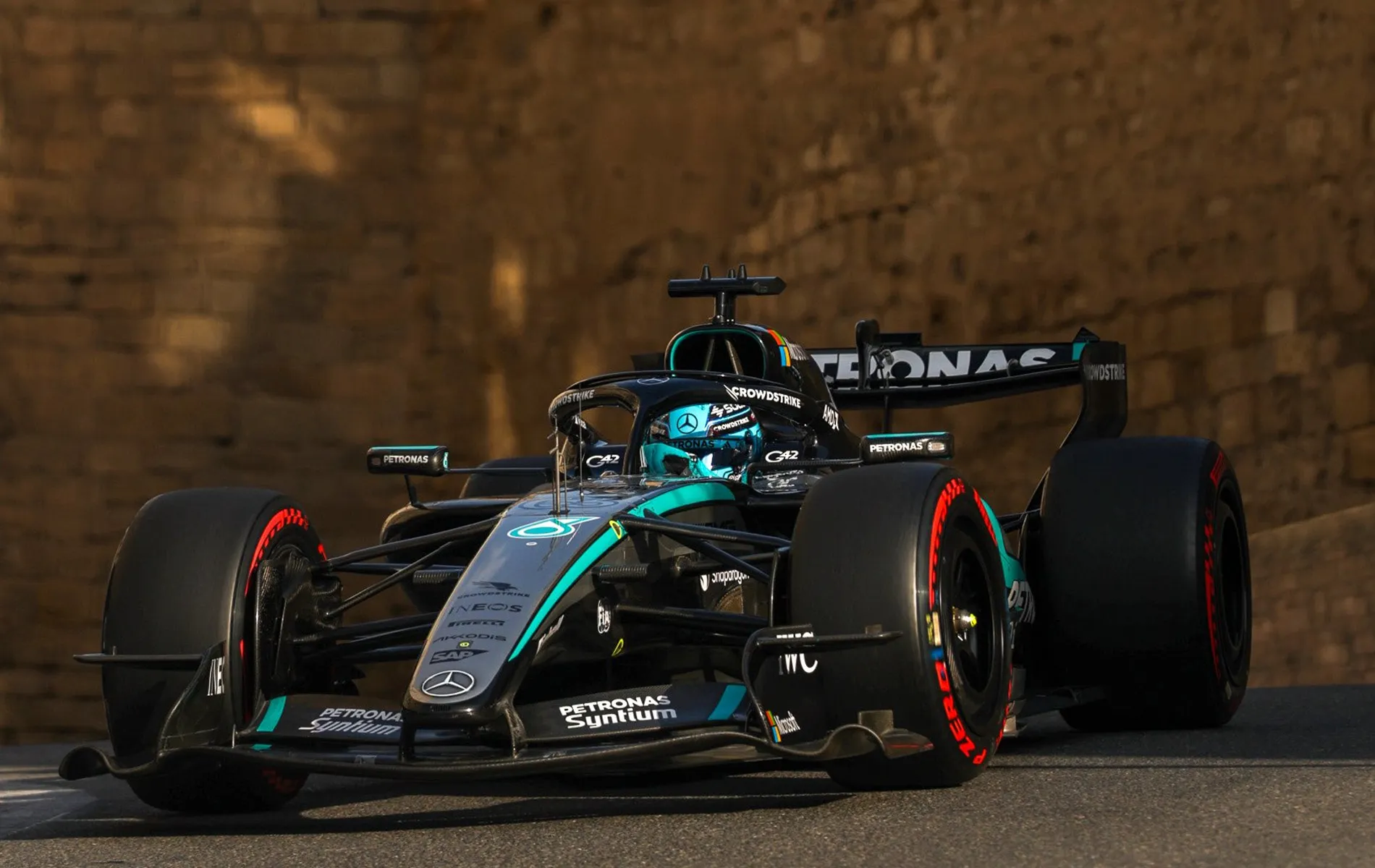
The newest British member arrived in Baku on 26 September 2026.
Russell took pole by 0.837 seconds, but the race ended with Max Verstappen just 0.196 seconds behind. Safety Car interruptions and a late challenge turned an initially controlled afternoon into a demanding finish.
Russell nevertheless completed all four with Mercedes, taking home his first Grand Slam.
Seen in: