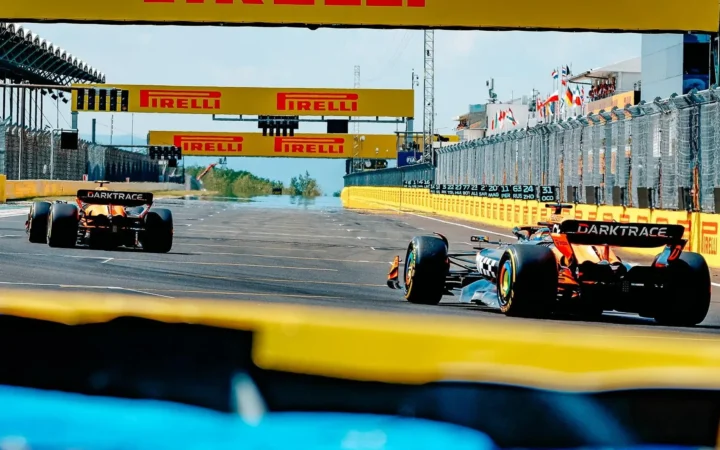


































The Hungarian Grand Prix offers one of Formula 1’s most rewarding city-and-circuit combinations — a sun-baked weekend at the Hungaroring followed by evenings in one of Europe’s most beautiful and atmospheric capitals.
Held at the Hungaroring in Mogyoród, the Hungarian Grand Prix has been part of the Formula 1 calendar since 1986. In that time it has become a quietly enduring favourite, not always because it produces the most dramatic racing, but because as an overall travel and spectator experience, it consistently delivers.
Hungarian Grand Prix
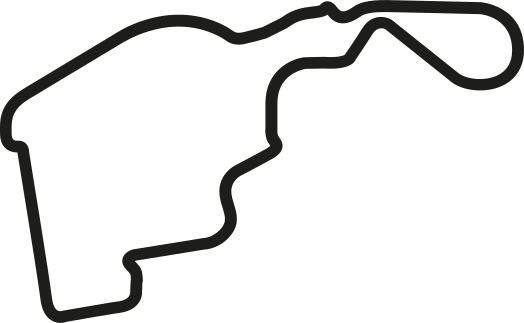
Hungaroring

Laps 70
First Grand Prix 1986
Circuit Length 4.381km
Race Distance 306.63 km
The Hungaroring sits just outside Budapest, which is a huge part of the event’s appeal. Few races on the calendar give fans such easy access to a city with so much architectural beauty, nightlife, food, and cultural depth, all within easy reach of the track.
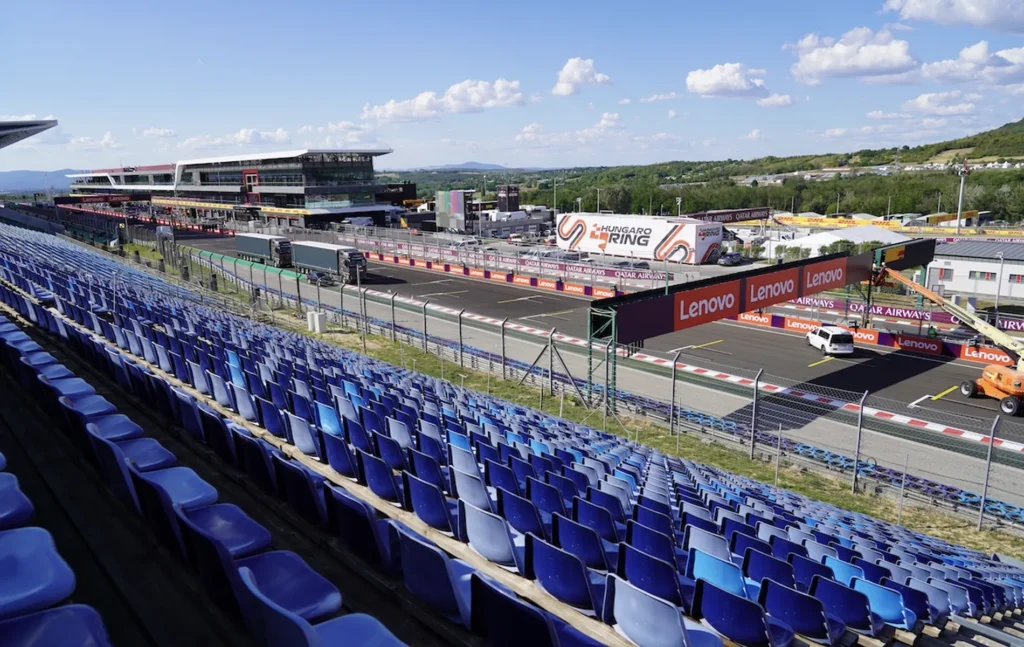
The circuit itself is built into a natural bowl, creating strong sightlines from many of the grandstands and making it one of the better venues for spectators to follow a wider stretch of the action. It may not have Monaco’s glamour, Silverstone’s heritage or Spa’s scale, but it does not need to. What it offers is a reliably enjoyable Formula 1 weekend in the height of summer, set beside a city that more than justifies the trip on its own.
That combination has helped the race build a loyal following over the decades. The crowd is always international, the atmosphere spills over into Budapest itself, and there is a holiday-like feel to the whole event that makes it particularly easy to love.
Hungarian Grand Prix: What Makes Budapest Special
Budapest is a destination of two halves in the most literal sense. Buda rises on the west side of the Danube with wooded hills, broad viewpoints and fairy-tale architecture, while Pest on the eastern bank provides the livelier counterpoint, with its bars, restaurants, historic neighbourhoods and late-night energy.
See also…

That contrast is a big part of what makes the Hungarian Grand Prix such a great trip. You can spend the day in the heat and dust of the Hungaroring, then return to a city of thermal baths, river views, grand architecture and lively terraces. Few races offer such a different mood away from the circuit.
The event also benefits from its central position in Europe. For many travelling fans, Budapest is an accessible and appealing meeting point, and over the years, the city has developed a proper race-week feeling as Formula 1 supporters fill its bars and restaurants throughout the weekend.
Even if the racing can sometimes be processional, the overall spectator experience is strong. The setting of the circuit, the heat of mid-summer, and the city’s beauty combine to make this one of the calendar’s most enjoyable all-round weekends.
F1 Spectator Tips for Budapest
- Prepare for serious heat
The Hungaroring’s “dust bowl” reputation is well earned. Shade, water and sun protection are essential rather than optional. - Think carefully about your grandstand
If you are not in a covered stand, an umbrella can be useful for shade — just be considerate of the people around you during sessions. - Main straight grandstands offer strong visibility
Because the circuit sits in a natural bowl, these seats often give you more of the track than you might expect. - Consider Vienna for flights
If Budapest flight prices are high, Vienna can sometimes offer a cheaper route in, with onward travel possible by rental car, train, bus or even boat. - Use the city after the track
Budapest is too good to ignore. Thermal baths, river cruises and ruin bars make it one of the best races for extending the day beyond the circuit.
Getting to Hungaroring
The Hungaroring’s location just outside Budapest is one of the biggest advantages of the entire weekend.
- Nearest major hub: Budapest
- Circuit location: Mogyoród, just outside the city
- Alternative flight option: Vienna
Most fans stay in Budapest and commute to the circuit, which makes a great deal of sense given how much more there is to do in the city once the on-track action ends. District 5 on the Pest side is especially practical for many visitors, thanks to its concentration of hotels and apartments in a lively central setting.
For those wanting something a little more characterful, smaller boutique hotels and design-led properties can offer a more local feel while still keeping you close to the Danube and the city’s major attractions.
Things to Do Near Budapest
Buda Castle & Fisherman’s Bastion
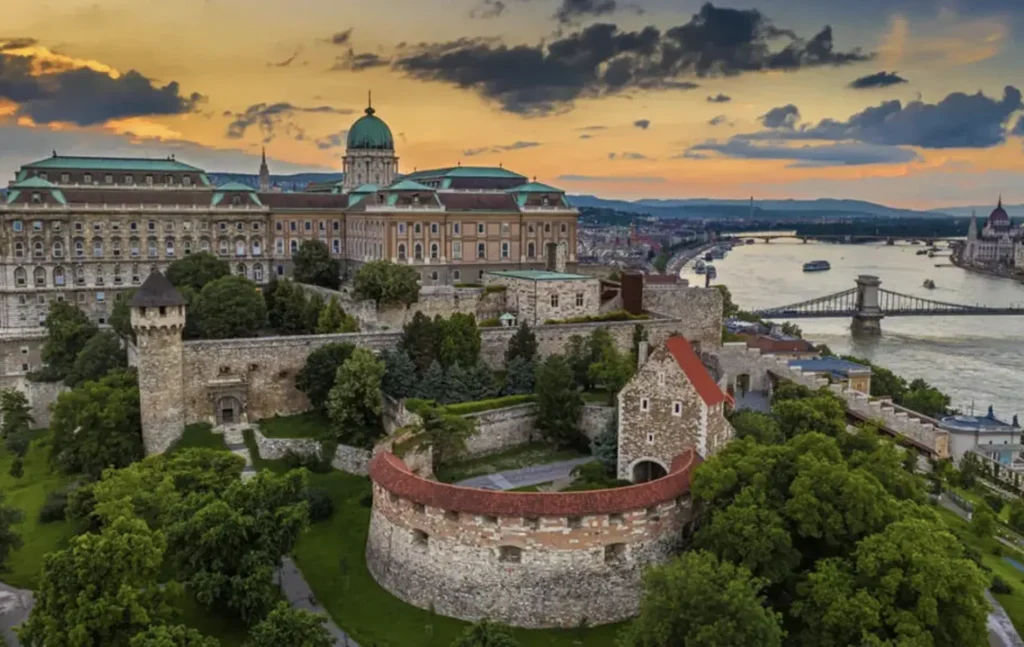
The Buda side of the city delivers some of Budapest’s most memorable views. Buda Castle, a UNESCO World Heritage Site, dominates the skyline above the Danube and is worth visiting both for the palace itself and the cave system underneath, which offers a welcome escape from the summer heat.
Nearby, Fisherman’s Bastion provides one of the city’s finest panoramic terraces, with decorative towers, staircases and arches framing superb views across the river towards Pest and the Parliament building.
Best for: Views, history and first-time visitors to Budapest
Thermal Baths
Budapest’s thermal baths are one of the city’s signature experiences. For a more traditional indoor spa feel, the Gellért Baths are an elegant choice, with their blue-tiled pools and historic setting beneath the famous hotel of the same name.
For something more dramatic, Széchenyi Baths — the largest outdoor spa in Europe — are a Budapest essential. And if you want to merge relaxation with nightlife, the city’s famous “sparty” events bring DJs, light shows and a completely different atmosphere to the steaming pools.
Best for: Cooling down, unwinding and doing something unmistakably Budapest
Margaret Island & the Danube
Set in the middle of the Danube, Margaret Island is a green, mostly car-free break from the intensity of the city and the track. With parkland, a Japanese garden, a zoo and an open-air pool, it is one of the best places to retreat when Budapest’s July heat becomes too much.
A boat trip on the Danube is another easy recommendation. It gives you a cooling breeze and a new perspective on landmarks such as the Parliament building and Chain Bridge, while tying together the city’s two distinct halves in the most visually satisfying way possible.
Best for: Slower sightseeing and escaping the heat
Central Market Hall & Ruin Bars
For food, gifts and a quick immersion in daily city life, Central Market Hall is a must. Inside this impressive building you will find traditional foods, handcrafts and countless varieties of paprika in beautifully decorated tins that make easy souvenirs.
Later, Budapest’s famous ruin bars provide one of the city’s most distinctive nightlife experiences. The best known is Szimpla Kert, set in an outwardly crumbling building in the old Jewish Quarter and filled with mismatched furniture, lights, live music and plenty of character.
Food & Drink
There is one flavour that defines much of Hungarian food: paprika. The deep red spice appears everywhere and gives many of the country’s signature dishes their warmth, colour and unmistakable character.
- Goulash is the national dish — this rich beef, onion and vegetable stew is the classic Hungarian comfort food, and Gettó Gulyás in the old Jewish Quarter is one of the best-known places to try it.
- Chicken paprikash is another staple — creamy, deeply flavoured and equally rooted in Hungary’s paprika-heavy food culture.
- Kiosk offers dinner with a view — sitting beside the Danube near Elisabeth Bridge, it combines Hungarian classics and modern bistro cooking with one of the city’s best terrace settings.
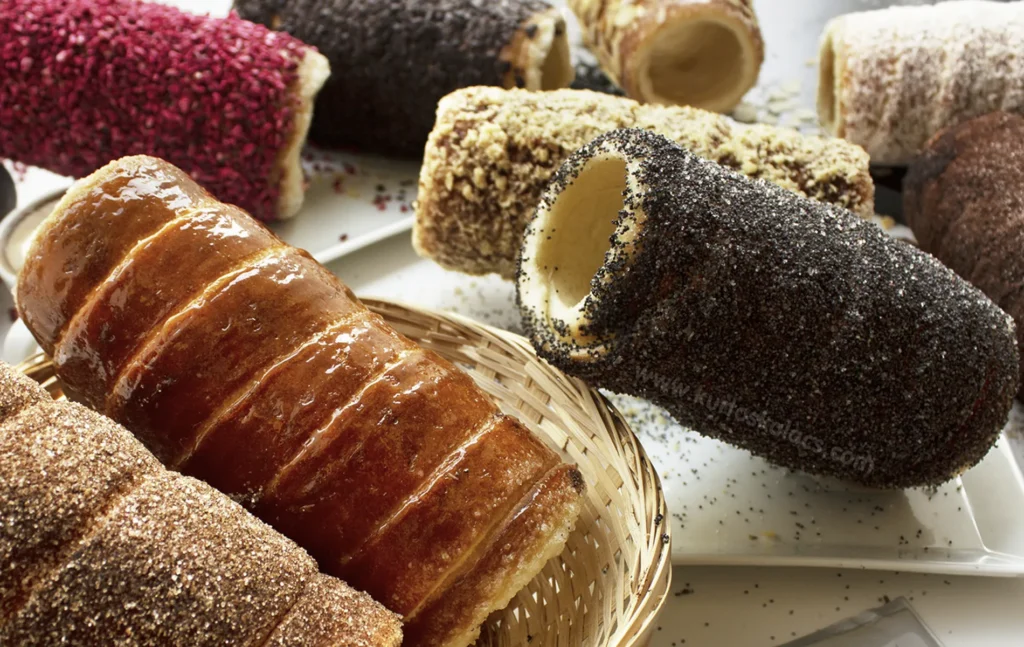
- Try chimney cake from a street vendor — this sugar-coated yeasted dough is baked on a spit over charcoal, creating a crisp outer shell and soft centre that is best eaten warm.
If you want a more leisurely meal in a beautiful setting, Robinson Restaurant in City Park is another strong choice, known for its lakeside location and generous terrace space. Between traditional dishes, riverfront dining and great street snacks, Budapest more than holds its own as a Formula 1 food destination.
Weather & Climate
The Hungarian Grand Prix takes place in the heart of summer, and Budapest can be intensely hot in July.
- Typical conditions: Hot, sunny and dry
- Trackside reputation: The Hungaroring is known for heat and dust
- Best advice: Choose shaded seating where possible, dress lightly, and carry plenty of water
If you are not used to high summer temperatures, the heat can feel oppressive, especially when combined with long queue times, travel to and from the circuit, and unshaded seating. Plan accordingly.
Essential Travel Information
| Category | Details |
|---|---|
| Language | Hungarian |
| Currency | Forint (HUF) |
| Time Zone | UTC +1 |
| Electricity | 230V/50Hz, European plugs |
| Population | ~1.7 million |
Final Thoughts
The Hungarian Grand Prix does not need to shout to earn its place on the calendar. The Hungaroring offers a strong spectator experience, Budapest brings beauty, nightlife and culture in abundance, and the whole weekend benefits from a relaxed summer-city-break feel that many other races cannot match. It may not be Formula 1’s flashiest stop, but it is one of its most enjoyable.
Whether you are there for the heat haze over the circuit, the evenings by the Danube, the thermal baths, or simply to spend a Grand Prix weekend in one of Europe’s great capital cities, the Hungarian Grand Prix remains one of the smartest trips on the calendar.
Seen in: