





























-

F1 2026: What Is Boost, Overtake & Sustainable Fuel?
The 2026 F1 power unit rewrites the rules, with boost and overtake modes, a huge MGU-K leap, and fully sustainable fuel reshaping racing.
-
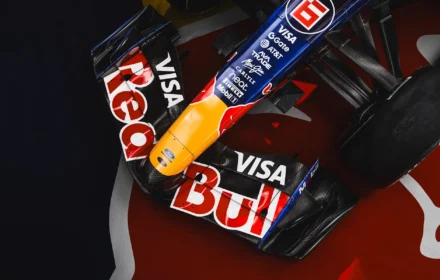
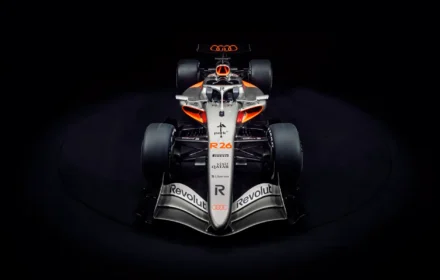
F1 2026: What Are The New cars, Revised Tyres & Key Design Changes?
Formula 1’s 2026 cars usher in a new era, with smaller, lighter designs, revised tyres, and bold early design choices shaping the grid.


-

F1 2026: Why ‘Active Aero’ Will Change How Drivers Race?
Active Aero headlines F1’s 2026 rules reset, with movable front and rear wings promising less drag, closer racing, and new strategic possibilities.
-
F1 2026: What Is Push-Rod vs Pull-Rod Suspension?
Push-rod and pull-rod suspension choices define F1 2026 car concepts, with most teams aligned and Alpine and Cadillac taking a different path.
-
Why F1 Pre-Season Running is Different in 2026
Pre-season testing starts earlier and runs longer in 2026 as F1 teams tackle all-new cars, power units and fuels ahead of a major regulation reset.
-
F1 Cost Cap: What is it and how does it work?
F1’s cost cap limits how much teams can spend each year, keeping budgets in check and competition close. Learn how it works, what’s included, and what happens if teams go over.
-
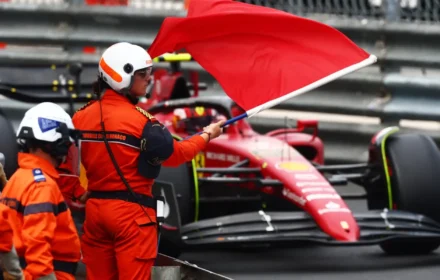
List of Red-flagged Formula One Races: When F1 Comes to a Stop
F1 has seen 88 red-flagged races since 1950, from fatal crashes to weather chaos. Discover the history, rules, and record-breaking moments behind F1’s race stoppages.
-
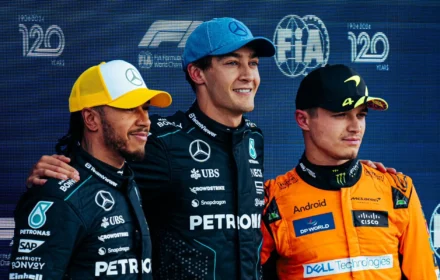
Which F1 Team Has the Most Front Row Lockouts In F1 history?
Which F1 team has the most front-row lockouts? From Mercedes' qualifying dominance to McLaren’s 2025 comeback, here’s how the top teams stack up on Saturdays.
-
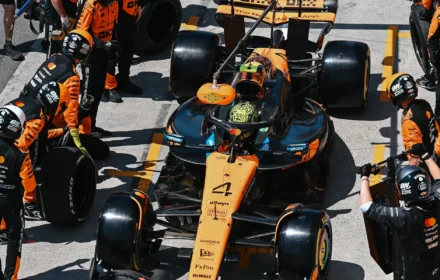
How Much Do F1 Pit Crew Members Make?
Discover how much F1 pit crew members really earn, from $30K to $1M. A deep dive into salaries, bonuses, and what it takes to join.
-
What Is The 90% Rule In F1? A Complete Guide
The 90% Rule in F1 decides if a driver is officially classified after retiring. Learn how it affects points, race results, and why finishing most of a race still counts—even without the flag.