










































With the start of the 2026 Formula 1 season fast approaching, the countdown to the opening race in Australia (March 6 – March 8) is well and truly on. But before the lights go out in Melbourne, the sport faces one of its most intensive and unusual pre-seasons in recent F1 history.
A combination of sweeping technical regulation changes and a restructured testing programme means teams, drivers, and engineers are busier than ever in the build-up to the new campaign. To explain what’s happening, when it’s happening, and why this year looks so different, here’s a full breakdown of what lies ahead over the coming weeks.
See also…


So, cars are already running in January?
Yes – and that alone tells you how significant the winter of 2026 really is.
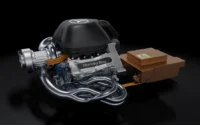
The new season ushers in the biggest regulation reset in more than a decade. Next-generation cars are narrower, shorter, and lighter, with a focus on agility and efficiency. Under the bodywork, there’s even more change: all-new power units featuring a 50-50 split between internal combustion and electric power, alongside the introduction of advanced sustainable fuels.
That scale of change pushes teams into largely uncharted territory. And when everything is new – chassis concepts, power units, systems and fuels – there is one thing every team wants above all else: mileage. Real running generates the data needed to understand these complex machines, identify problems and begin optimising performance.
To support that, the rulemakers have expanded official pre-season testing from a single event to two, both held in Bahrain, and added an additional shakedown week in Barcelona. All told, teams will have nine days of running before the season begins – six more than last year.
With the first race scheduled for early March, that extra track time has to be fitted in somewhere, which is why 2026 testing gets underway before January is even over.
That’s a huge increase in running…
It certainly is – and to accommodate it all, meaningful on-track activity begins in the final week of January. On top of that, many teams are also planning private filming days ahead of the official shakedown.
One team wasted no time. Audi, which takes over Sauber as a full works operation this season and is introducing their own power unit, completed their first on-track running on January 9. Nico Hulkenberg and Gabriel Bortoleto shared driving duties as the Audi R26 turned laps at Barcelona.
That’s early – but understandable
Absolutely. Audi is effectively launching a brand-new factory effort in Formula 1, complete with a new engine, new systems and new operational structures. Early mileage is invaluable.
They won’t be alone either. Most teams will use a filming day to conduct an initial shakedown of their 2026 car. These days are limited to 200 kilometres – roughly 40 laps of a 5km circuit – but that’s enough to check basic functionality.
After months of design, simulation and assembly, this is the first time the full car runs as a complete package. Filming days allow teams to spot early issues, resolve installation problems and ensure everything works as intended before more intensive testing begins.
What exactly is happening at the Barcelona shakedown?
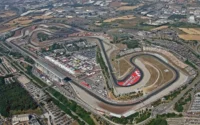
The Barcelona running is a private test organised collectively by the 11 Formula 1 teams and is closed to the media and the public. It takes place at the Circuit de Barcelona-Catalunya, which also hosts this year’s 2026 Spanish Grand Prix.
The shakedown runs across five days starting on January 26. However, each team is only permitted to run on three of those five days. Importantly, once a car completes even a single lap on a given day, that day counts as one of their allocated three, regardless of whether they run again.
Why allow five days if teams can only run on three?
Flexibility is the key reason.
Teams can choose when to run based on their own readiness. Some may run early, then take a day or two to analyse data, fix issues or wait for updated components before heading back out. Others might opt to delay running until the final three days to maximise preparation time.
The weather is another factor. January conditions in Barcelona can be unpredictable, and having additional days available allows teams to avoid running in heavy rain or cold, which would limit the value of the data they collect.
What comes after Barcelona?
Once the shakedown is complete, teams return to their factories. The focus then is on analysing data, resolving any issues uncovered during initial running, implementing fixes and fitting the next phase of development parts.
This window also gives teams who have not yet officially launched their 2026 campaigns – including Mercedes, Williams, Cadillac, Aston Martin and McLaren – the chance to do so before attention turns fully to Bahrain.
And then it’s off to Bahrain once again
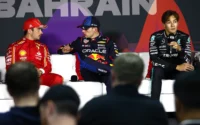
Correct. The Bahrain International Circuit resumes its familiar role as the home of official pre-season testing.
Unlike previous years, testing is split into two separate three-day events. The first begins on February 11, with the second following a week later on February 18. These six days represent the final opportunity for teams to fine-tune their cars, validate upgrades and complete race simulations before everything is packed up and shipped to Australia.
By the time testing concludes, teams will have logged more mileage than ever before heading into a season opener – a necessity in a year where almost everything is new, and nothing can be taken for granted.
Seen in: