

























-

F1 2026: What Is Boost, Overtake & Sustainable Fuel?
The 2026 F1 power unit rewrites the rules, with boost and overtake modes, a huge MGU-K leap, and fully sustainable fuel reshaping racing.
-
F1 2026: What Are The New cars, Revised Tyres & Key Design Changes?
Formula 1’s 2026 cars usher in a new era, with smaller, lighter designs, revised tyres, and bold early design choices shaping the grid.


-

F1 2026: What Is Push-Rod vs Pull-Rod Suspension?
Push-rod and pull-rod suspension choices define F1 2026 car concepts, with most teams aligned and Alpine and Cadillac taking a different path.
-
F1 2026: Why ‘Active Aero’ Will Change How Drivers Race?
Active Aero headlines F1’s 2026 rules reset, with movable front and rear wings promising less drag, closer racing, and new strategic possibilities.
-
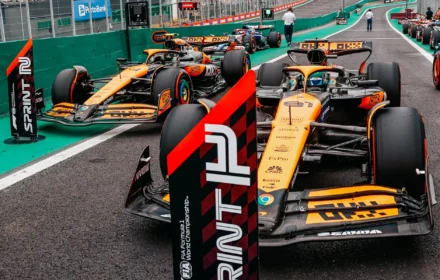
What Is The 90% Rule In F1? A Complete Guide
The 90% Rule in F1 decides if a driver is officially classified after retiring. Learn how it affects points, race results, and why finishing most of a race still counts—even without the flag.
-
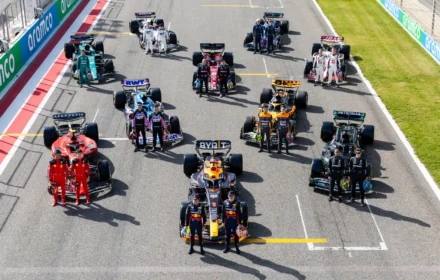
What Is The 107% Rule In F1? A Complete Guide
The 107% Rule in F1 qualifying ensures only competitive cars make the grid. Learn its origins and how it applies today.
-
What Is The 75% Rule In F1? A Complete Guide
The 75% rule in F1 determines how points are awarded in shortened races. From Spa 2021 to recent changes, discover how this regulation shapes modern F1 races and championships.
-
F1 Qualifying Rules Explained: How Formula 1 Sets the Grid
Want to understand how F1 qualifying really works? From sessions and tyre rules to Sprint formats, this guide breaks it all down for any F1 fan.
-
2024 Formula 1 Season: Eight Rule Updates You Should Know
The 2024 F1 season introduces 8 regulatory changes, offering a chance for tighter competition despite a stable set of rules compared to 2023.
-
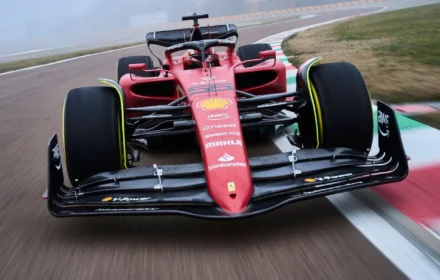
F1 Front Wing: Aerodynamics, Rules and Changes
An F1 Front Wing is arguably one of the most crucial components of a Formula One car for aerodynamics, performance and handling.