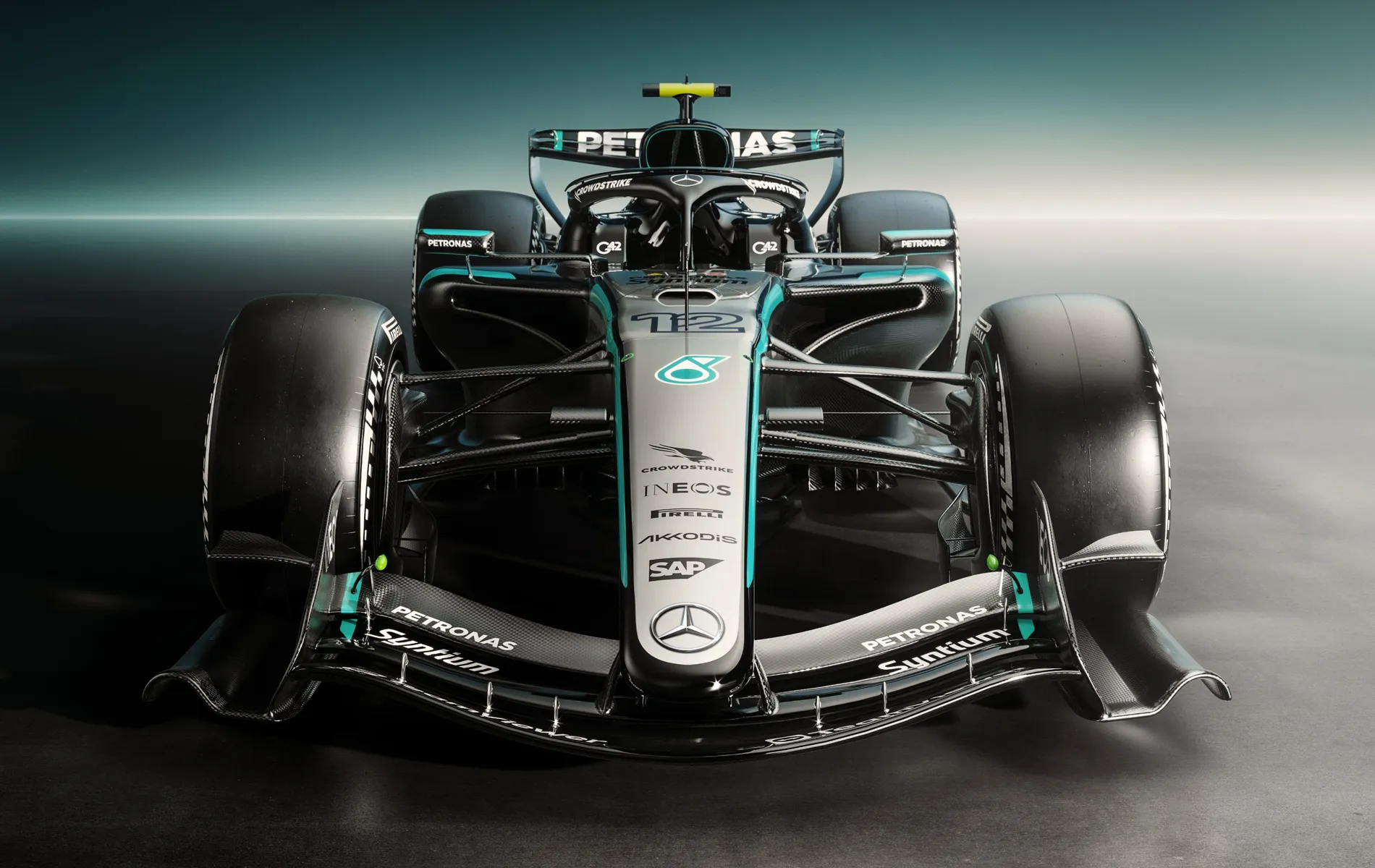
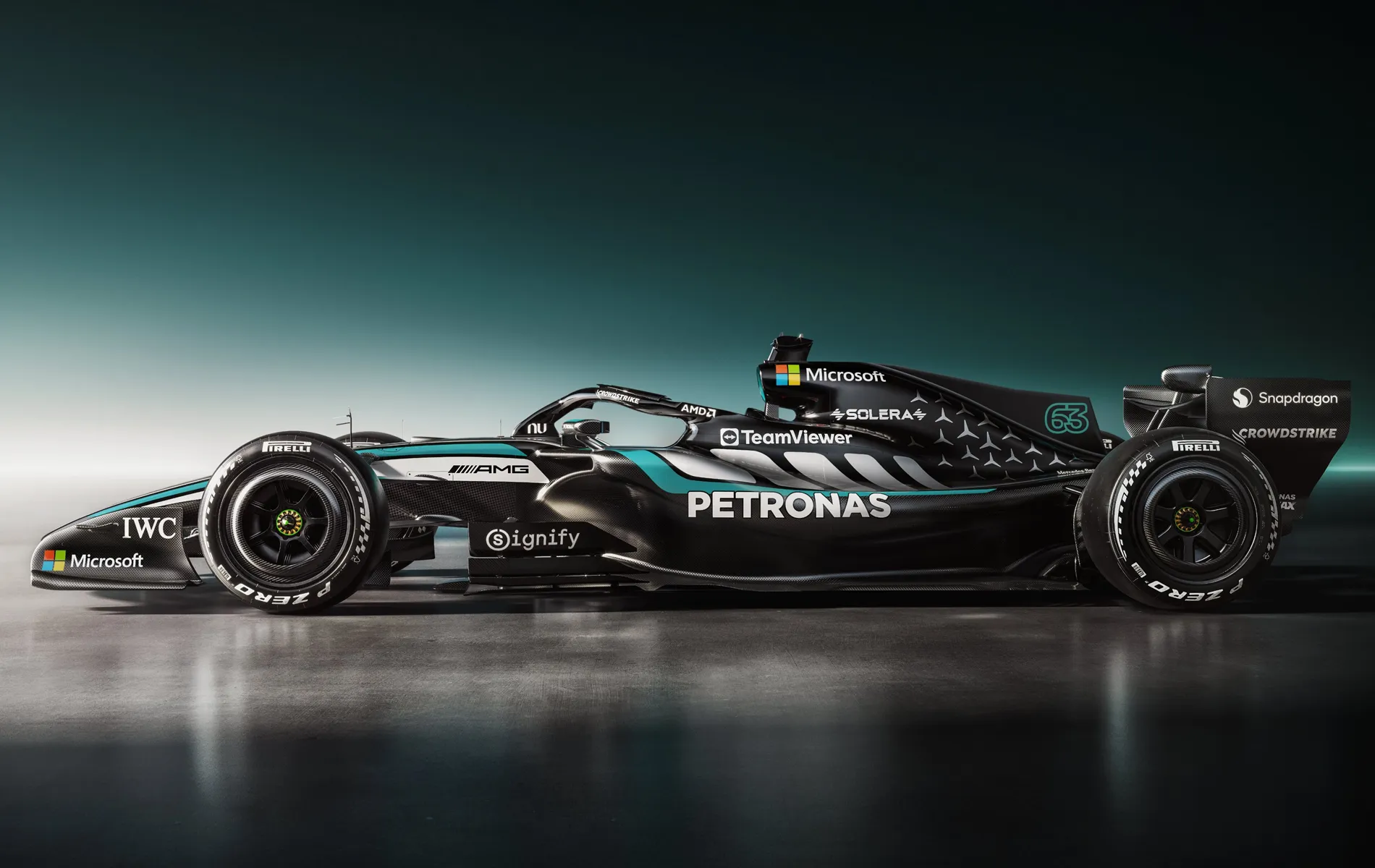
Mercedes has taken the wraps off their W17, the car they will campaign in the landmark 2026 Formula 1 season, as they look to re-establish themselves as championship contenders at the dawn of the sport’s next major technical era.
With Formula 1 introducing all-new chassis and power unit regulations for 2026 – changes widely regarded as the most sweeping in the championship’s history – Mercedes views the reset as a chance to consign four underwhelming years to the past.
After dominating the early hybrid era with eight consecutive constructors’ titles between 2014 and 2021, Mercedes endured a frustrating spell from 2022 to 2025. During that period, they were unable to mount a sustained title challenge as they grappled with the aerodynamic complexities of ground-effect cars.
The arrival of completely new power units – the first such overhaul since Mercedes seized a competitive advantage in 2014 – has put renewed focus on the manufacturer’s renowned engine expertise. That reputation has seen the German marque widely tipped as an early favourite heading into the new generation.
If Mercedes capitalises, the driver most likely to benefit is George Russell. The British driver has consistently impressed since joining the team in 2022, even though he has rarely been given machinery capable of fighting at the very front.
Now 27, Russell appears poised to launch his first genuine championship bid. He will once again be partnered by Kimi Antonelli, with Mercedes retaining an unchanged driver line-up. The Italian teenager ended the 2025 season on a strong note, recovering momentum after a shaky mid-season phase in his rookie year.
Mercedes team principal Toto Wolff stressed that the team are approaching 2026 with clarity and intent.
“Formula 1 will undergo significant change in 2026, and we are prepared for that transition. The new regulations demand innovation and absolute focus across every area of performance,” Wolff said.
“Our work on the new car, and the long-term development of the Power Unit and advanced sustainable fuels with Petronas, reflects that approach.
“Releasing the first images of the W17 is simply the next step in that process. It represents the collective, sustained effort of our teams in Brixworth and Brackley. We will continue to push hard in the months ahead.”
Visually, the W17 stays broadly faithful to the silver-and-black colour scheme seen on last year’s W16, while continuing to acknowledge title partner Petronas through a distinctive green flow line running across the car. The most striking tweak to the livery is the introduction of black striping along the upper sidepod area.
The car also carries a strong commercial message. Among the prominent sponsors is Microsoft, following the announcement of a significant new partnership earlier on Thursday. The deal underlines both Mercedes’ ongoing strength as a team and the broader commercial health of Formula 1 as it enters a bold new chapter.
Testing and season opener confirmed
With the introduction of all-new regulations, Formula 1 has scheduled three pre-season tests ahead of the opening race.
The first will take place behind closed doors in Barcelona from January 26-30. Two further tests will follow in Bahrain on February 11-13 and February 18-20.
After testing concludes, teams will have two weeks to finalise preparations for the championship’s opening round.
The 2026 Formula 1 season begins with the Australian Grand Prix in Melbourne from March 6-8. Practice sessions start on Friday, 6 March, qualifying follows on Saturday, 7 March, and the first race of the new era takes place on Sunday, 8 March.
Seen in: