




























Monaco is Formula 1’s ultimate pilgrimage, a race of history, glamour, precision and pressure, staged on streets that have become part of the sport’s mythology.
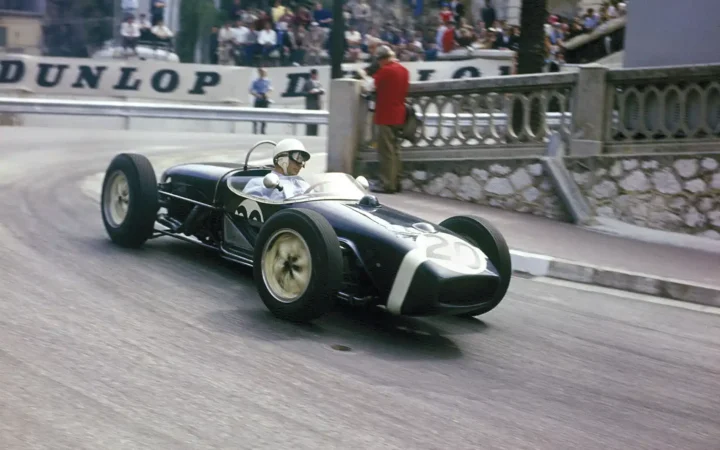
Held on the narrow roads of Monte Carlo, the Monaco Grand Prix has been part of the Formula 1 World Championship since the inaugural 1950 season, though racing first arrived on these streets in 1929. Few events in any sport carry the same sense of occasion. Monaco is not just another stop on the calendar; it is one of the foundations on which Formula 1 built its identity.
Monaco Grand Prix
Circuit de Monaco
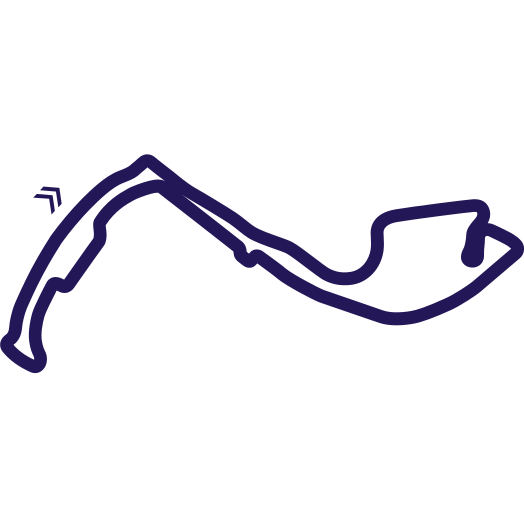
Laps 78
First Grand Prix 1950
Circuit Length 3.337km
Race Distance 260.286 km
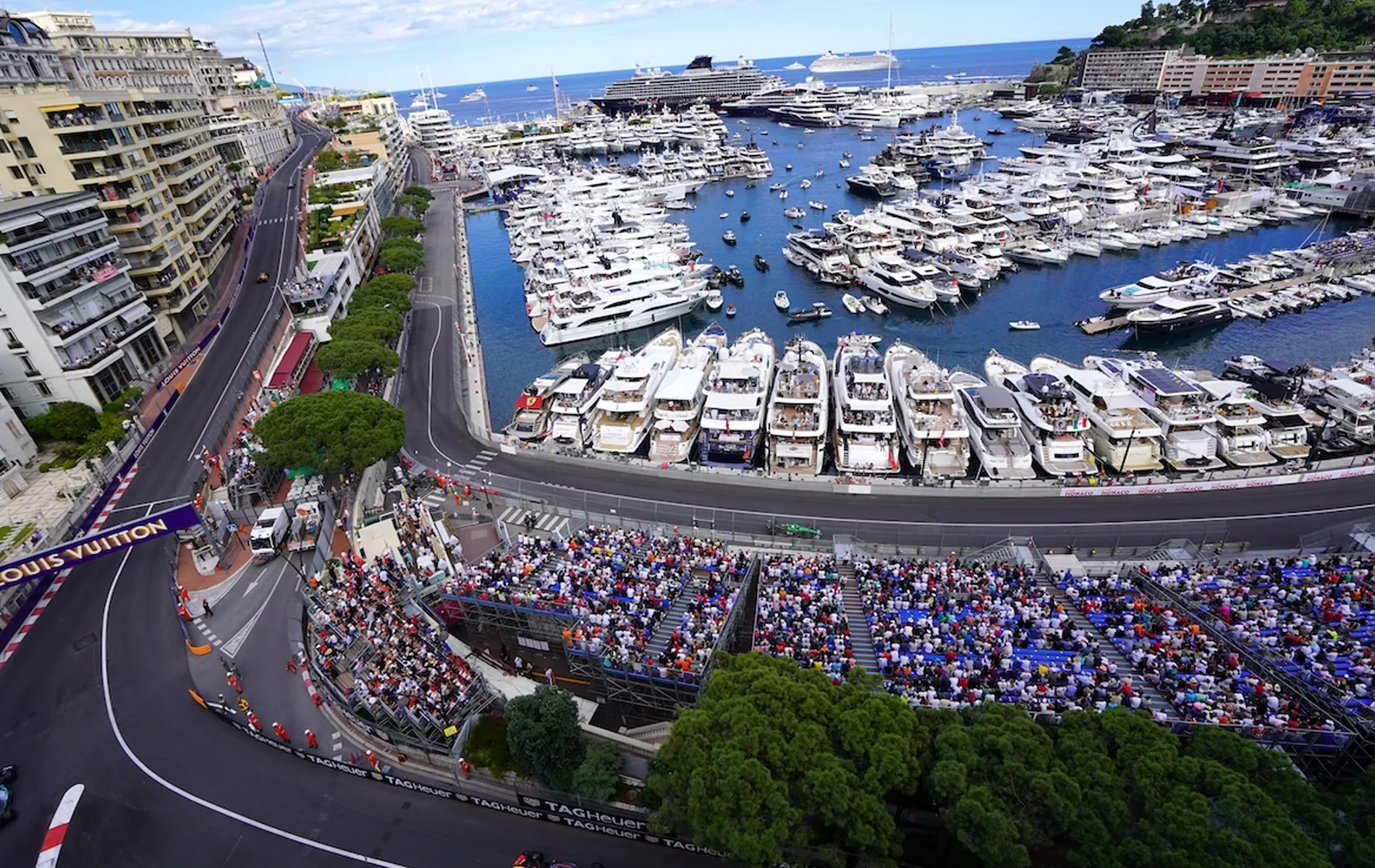
The circuit is the shortest on the F1 calendar, but also one of the most demanding. It threads through the principality past the harbour, the casino and the swimming pool complex, with barriers always inches away. There is barely time to breathe, let alone recover from a mistake.
Monaco has its critics. It is not a place known for wheel-to-wheel racing in the modern era, and yes, the glamour can sometimes threaten to overshadow the sport. But that misses what makes this race special. Monaco is an extraordinary showcase of driver skill, commitment and concentration — a high-speed chase through streets that have changed remarkably little over the decades.
And then there is Monaco itself. Tiny in size but immense in reputation, this Mediterranean principality on the Côte d’Azur is all polished yachts, steep staircases, elegant façades and sea views. It can look forbiddingly expensive from the outside, yet with a bit of planning it is far more accessible than many first-time visitors expect.
Monaco Grand Prix: What Makes Monte Carlo Special
Monaco feels different because it is different. The sense of history is inescapable. To watch modern Formula 1 cars charge through the same streets raced on by legends such as Hill and Senna is to see the sport connected directly to its own past.
See also…
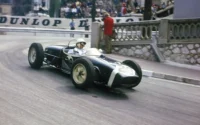
The challenge here is unique. Monaco is not about long straights and overtaking zones. It is about threading the car through barriers, managing traffic, building confidence corner by corner, and finding millimetres where other circuits demand centimetres. It is one of the purest demonstrations of qualifying precision anywhere in motorsport.
The setting only amplifies that mystique. Monte Carlo’s harbour, hillside buildings and Mediterranean light make the race instantly recognisable even to non-fans. It is the jewel in Formula 1’s crown, not because it represents the whole sport, but because there is nowhere else quite like it.
What also surprises many visitors is that Monaco need not be reserved for the ultra-wealthy. The prices within the principality can be high, and hospitality can be eye-watering, but general admission at Sector Rocher can be relatively affordable, and nearby bases such as Nice or Menton make the weekend far more manageable on a normal budget.
F1 Spectator Tips for Monaco
- Stay outside Monaco to save money
Nearby towns such as Nice and Menton can cut accommodation costs dramatically, while still giving you easy access by train. - Use the train, not a car
The coastal rail line is by far the simplest way to travel in and out during Grand Prix weekend. - Make use of the Monte-Carlo station facilities
Temporary washrooms around the circuit can be limited, so the station is one of the more reliable places for a comfort stop. - Watch more than Formula 1
Even without Thursday F1 running, support series such as Formula 2 and Porsche Supercup add a lot to the weekend and are worth seeing. - Choose your viewing spot carefully
If you are not on a yacht or a balcony, the swimming pool grandstands and Grandstand B near the casino are among the best ways to experience Monaco properly.
Getting to Monte Carlo
Monaco’s greatest logistical challenge is also one of its strengths: the principality is tiny.
- Nearest major hub: Nice
- Best travel option: Coastal train service to Monaco
- Popular alternative bases: Nice, Menton, Beaulieu-sur-Mer
Hotels inside Monaco are limited and in huge demand during Grand Prix week, which is why many experienced racegoers stay outside the principality and commute in. The train line along the Côte d’Azur is efficient, making this much easier than first-time visitors often expect.
Menton is an especially practical option, sitting roughly 20 minutes away by train and offering a mix of hotels, apartments and a characterful old town of its own. Nice is another strong base if you want a larger city with more accommodation choices, nightlife and easier flight connections.
Things to Do Near Monaco
The Palace & Old Monaco
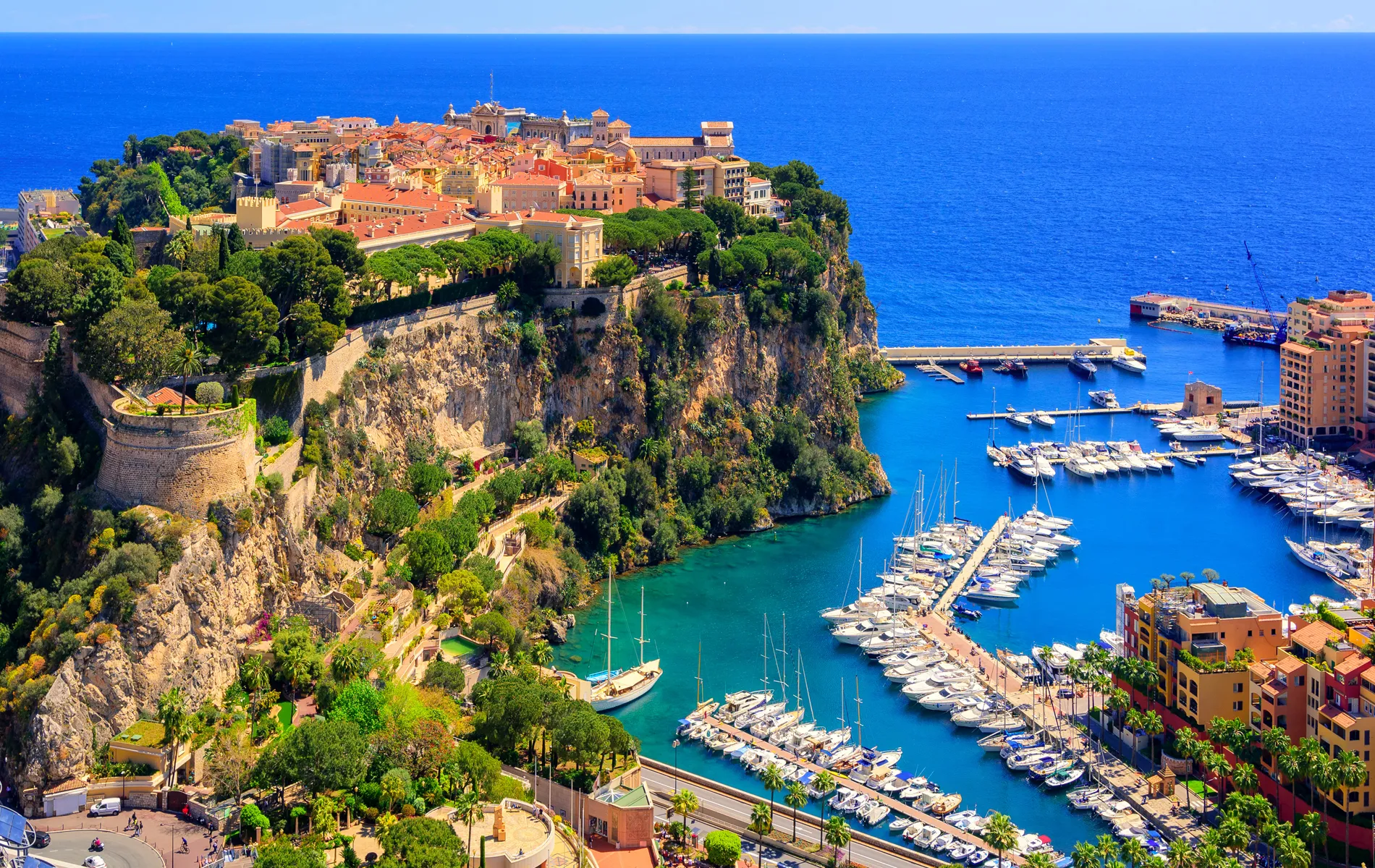
Because Monaco is so compact, it is best explored on foot. One of the most rewarding walks is the climb from Place d’Armes up to the Prince’s Palace and the oldest part of the principality. The views over the harbour and the circuit are excellent, and the square in front of the palace hosts the Changing of the Guard each day at precisely 11.55 am.
The streets surrounding old Monaco are full of colourful façades, small lanes and quieter corners that still feel historic even during a packed Grand Prix week.
Best for: Views, history and classic Monaco atmosphere
Cathedral of Monaco & Japanese Garden
The Cathedral of Monaco is one of the principality’s most important landmarks, not least because it was the setting for Grace Kelly’s wedding to Prince Rainier III in 1956. The couple now rest in the cathedral’s crypt, giving the building an extra historical resonance beyond its imposing Roman-Byzantine exterior.
For something calmer, the Japanese Garden on Avenue Princesse Grace offers a complete change of pace. Created in 1994 in strict accordance with Zen design principles, this 0.7-hectare space includes a pond, bridges, lanterns and a tea house, and feels a world away from the noise of race weekend.
Best for: Quiet time, architecture and a break from the crowds
Larvotto & Tête de Chien
If you want sun and sea, Larvotto is Monaco’s go-to beach. Despite its urban setting, it offers clear water, a proper place to swim, and enough nearby restaurants to make it easy to spend a few relaxed hours after the track action ends.
For the best panoramic viewpoint in the whole area, head above the principality to Tête de Chien on the Grande Corniche. At around 550 metres above sea level, it offers extraordinary views over Monaco, the coastline and the Mediterranean beyond.
Best for: Sunset views, photography and post-race unwinding
Car Collection & the Coast
For motorsport fans, the Prince of Monaco’s car collection is an obvious stop. Prince Rainier III’s remarkable collection includes more than 100 vintage and modern vehicles, from classic road cars to racing machinery, including a Bugatti Type 35C — the car that won the first Monaco Grand Prix in 1929.
It is also worth venturing beyond Monaco itself. Beaulieu-sur-Mer is just minutes away by train, while Ventimiglia in Italy makes for an easy day trip, particularly if you want to catch its famous Friday market and add another Riviera flavour to your weekend.
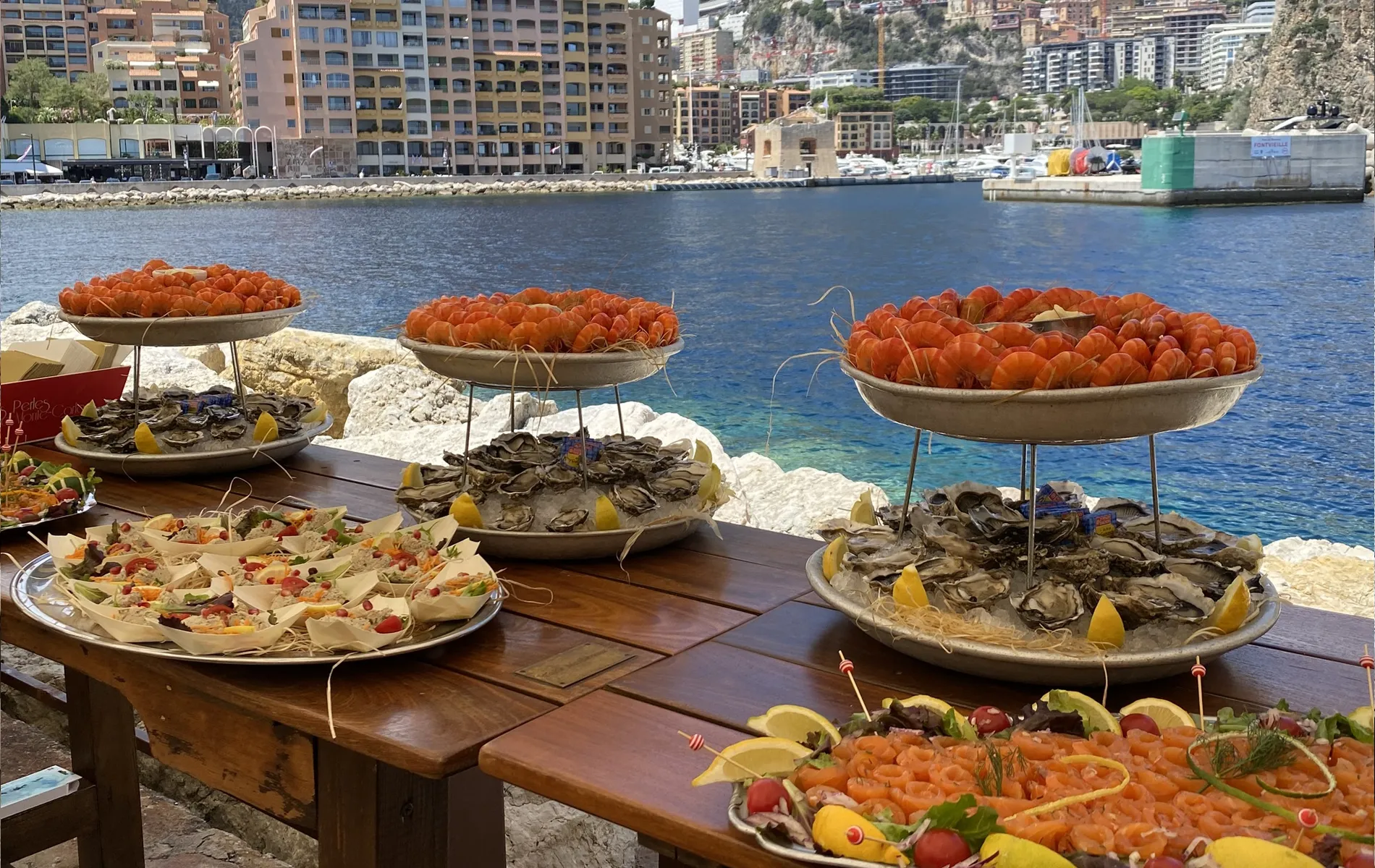
Food & Drink
Monaco’s cuisine reflects its location perfectly. With the Mediterranean at its doorstep and Provence and Italy close by, menus lean heavily on fish, olive oil, citrus, vegetables and pasta, all brought together with the polished confidence you would expect from the Riviera.
- Try stocafi — Monaco’s own richly flavoured dried cod stew, cooked in tomato, garlic, capers, bay leaves and black olives, is one of the principality’s signature dishes.
- Don’t miss fougasse Monegasque — a sweet flat dough flavoured with orange blossom water and rum, topped with almonds and anise seeds, coloured red and white in honour of Monaco’s flag.
- Quai des Artistes is ideal if you want lunch with a view of Port Hercule and the bustle of Grand Prix week unfolding nearby.
- La Table d’Elise, La Saliere and Conscientiae each offer a different side of dining in Monaco, from Provençal comfort to Italian classics and more sustainability-led modern cooking.
It is also worth moving just beyond the principality for meals. Beaulieu-sur-Mer, only around seven minutes away by train, has long been a refined Riviera retreat and offers strong dining options of its own, including long-established institutions overlooking the port.
Weather & Climate
Late May and early June are one of the most attractive times to visit Monaco, which is a big part of why the Grand Prix feels so special.
- Typical conditions: Warm, sunny and Mediterranean
- Best expectation: Hot days, bright light and strong sun exposure around the harbour and grandstands
- Wildcard: Rain can occasionally roll in from the sea and transform the whole weekend
In other words, plan for sun but never completely rule out a dramatic wet session. Monaco in the rain may be inconvenient for spectators, but it is unforgettable as a spectacle.
Essential Travel Information
| Category | Details |
|---|---|
| Language | French |
| Currency | Euro (EUR) |
| Time Zone | UTC +1 |
| Electricity | 230V/50Hz, European plugs |
| Population | ~39,000 |
Final Thoughts
Monaco is not Formula 1 in its most typical form — and that is precisely the point. This is a race built on history, atmosphere, tension and spectacle. The overtaking may be limited, the prices can be high, and the mythology is enormous, but there is still nothing quite like watching Formula 1 cars dance through Monaco’s streets with the Mediterranean glittering in the background.
Whether you come for the harbour views, the motorsport heritage, the Riviera setting, or simply to experience one of the most iconic events in world sport, the Monaco Grand Prix remains an essential trip for any serious F1 fan.
Seen in: