






























Melbourne is one of Formula 1’s great season-opening destinations, a city that blends sporting passion, culture, coastline, and a race weekend atmosphere that spills far beyond the circuit gates.
Set around the lakes and parkland of Albert Park, the Australian Grand Prix has become one of the most recognisable events on the Formula 1 calendar. Since replacing Adelaide in 1996, Melbourne has grown into a natural home for F1 in Australia, with many fans still seeing it as the ideal place to begin a new championship campaign.
Australian Grand Prix
Albert Park Circuit
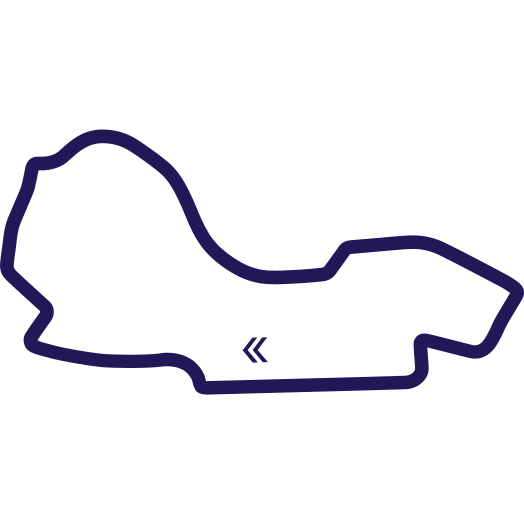
Laps 58
First Grand Prix 1996
Circuit Length 5.278km
Race Distance 306.124 km
Albert Park is a semi-street circuit, which gives it a character all of its own. The track feels quick and flowing in places, but the walls are never far away, creating that constant street-circuit tension where even a small mistake can have big consequences.
Recent changes to the layout, including the 2022 reprofiling of several corners, were made to encourage better overtaking and improve the racing. But whether the action is wheel-to-wheel or strategy-led, Melbourne has a habit of producing unpredictable weekends and unusual results.
That unpredictability is matched by the setting. The circuit sits just minutes from central Melbourne and not far from St Kilda, meaning fans get the rare combination of a major city Grand Prix with genuinely easy access to beaches, nightlife, parks, galleries, and some of Australia’s best food and coffee.
Australian Grand Prix: What Makes Melbourne Special
Albert Park has long had the feel of a classic season opener. Even when it is not the first round of the year, it still carries that fresh-start energy — new cars, new liveries, fresh expectations, and an atmosphere that feels bigger than a normal race weekend.
See also…
The circuit itself is a big part of the appeal. It combines fast direction changes, heavy braking zones, and unforgiving barriers, so there is always an element of jeopardy. Even when overtaking is difficult, Melbourne rarely feels straightforward.
Then there is the city. Melbourne is one of the world’s great sporting capitals, but it is also a multicultural, creative and outward-looking place. Race weekend doesn’t feel isolated at the circuit — the city embraces it, with packed bars, special events, and a real sense that something significant is happening.
The support programme helps too. From Supercars to crowd-pleasing demonstrations and other on-track action, the Australian Grand Prix usually offers one of the strongest full-day schedules anywhere on the calendar.
F1 Spectator Tips for Melbourne
- Tune in to 99.7FM for commentary
Mobile coverage and app timing can be hit and miss in busy areas. For many fans, track commentary on 99.7FM remains the most reliable way to follow the race. - Don’t miss the support events
Melbourne is known for having one of the best support line-ups on the F1 calendar. Get in early and make a full day of it. - Take your chance at the Melbourne Walk
If you want a selfie, autograph, or just a close-up glimpse of the drivers, the Melbourne Walk is one of the most distinctive fan traditions at Albert Park. - Wait before joining the post-race tram crush
There’s no need to sprint out. Gates usually remain open until around 8 pm, giving you time to enjoy the atmosphere after the chequered flag. - Pack for every kind of weather
Melbourne’s reputation for ‘four seasons in one day’ is well earned. Sunscreen and a raincoat can both be essential on the same weekend.
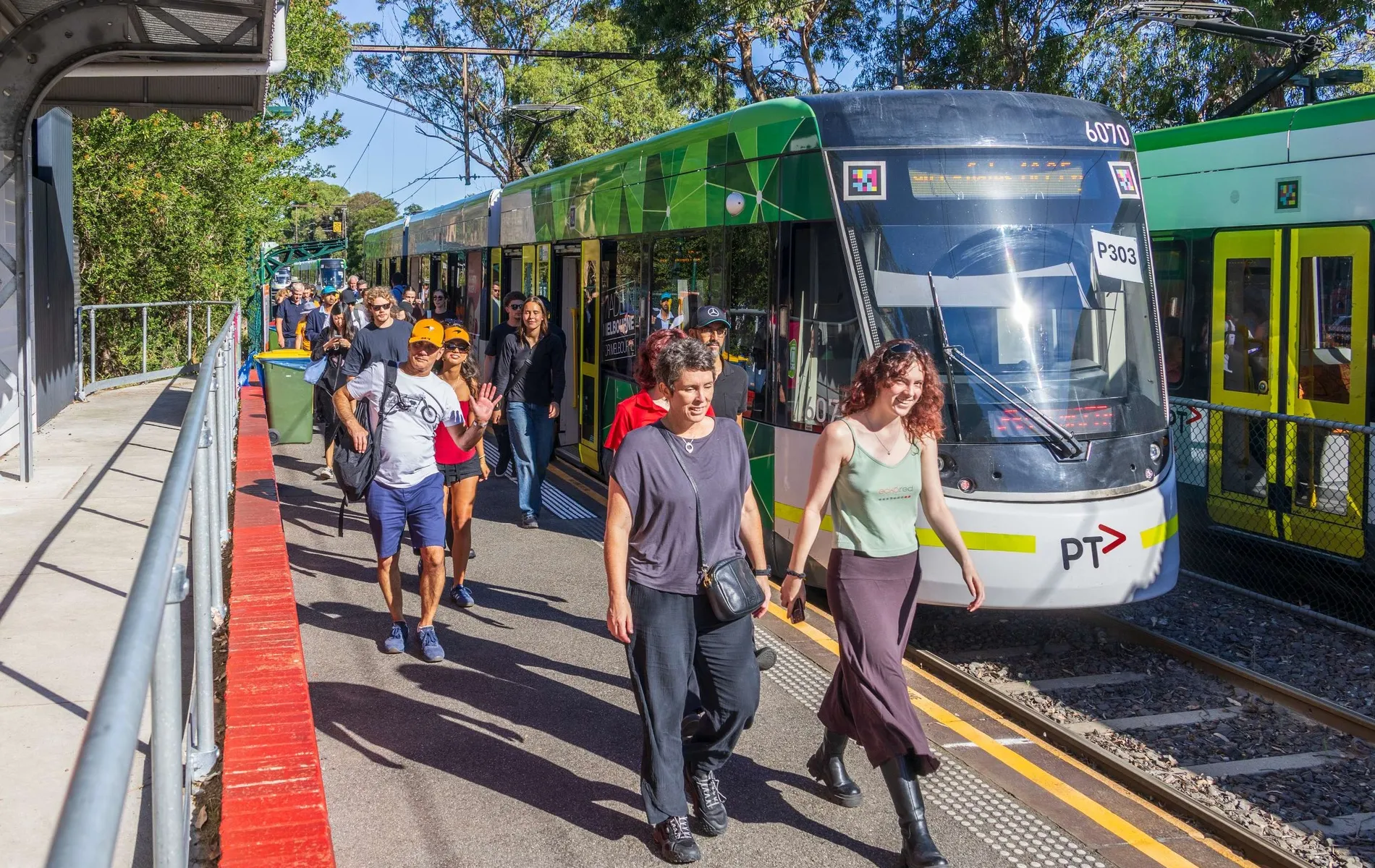
Getting to Albert Park
One of Melbourne’s biggest strengths as a Grand Prix destination is how easy it is to get around.
- Nearest major hub: Central Melbourne
- Main access: Trams, trains and buses via Melbourne’s public transport network
- Best travel option: Public transport using a myki smartcard
Public transport is the ideal way to travel during the Australian Grand Prix. Melbourne’s extensive network of trams, trains and buses makes it easy to move between the city and the circuit, while the myki smartcard keeps things simple for visitors staying a few hours or several days.
Melbourne is home to the world’s largest tram network, and on weekends the Night Network helps keep the city moving around the clock — especially useful if your post-race plans continue well after dark.
Things to Do Near Melbourne
Museums & Galleries
Melbourne is one of Australia’s cultural capitals, and many of its best galleries are free to enter. The National Gallery of Victoria is among the most visited galleries in the world, while venues like NGV International, the Australian Centre for Contemporary Art, and Seventh Gallery showcase some of the country’s most exciting artists.
Entry: Many major galleries are free
Also worth seeing: Melbourne Museum, Australian Sports Museum, and the F1 Exhibition when in town
Melbourne Street Art
Street art is part of Melbourne’s identity. Hosier Lane is the best-known hotspot, but AC/DC Lane and Tattersalls Lane are also worth seeking out for their constantly evolving walls, music history, and strong food and bar scene nearby. You can wander at your own pace or join a guided tour to hit the highlights.
Best areas: Hosier Lane, AC/DC Lane, Tattersalls Lane
Entry: Free
Aboriginal Melbourne
For a deeper understanding of the city, explore Melbourne’s Aboriginal history and culture. The Koorie Heritage Trust is a strong place to begin, while walking tours can offer valuable context on historical sites, monuments, and the continuing cultural significance of the area.
Best option: Koorie Heritage Trust and guided walking tours
Queen Victoria Market & the Coast
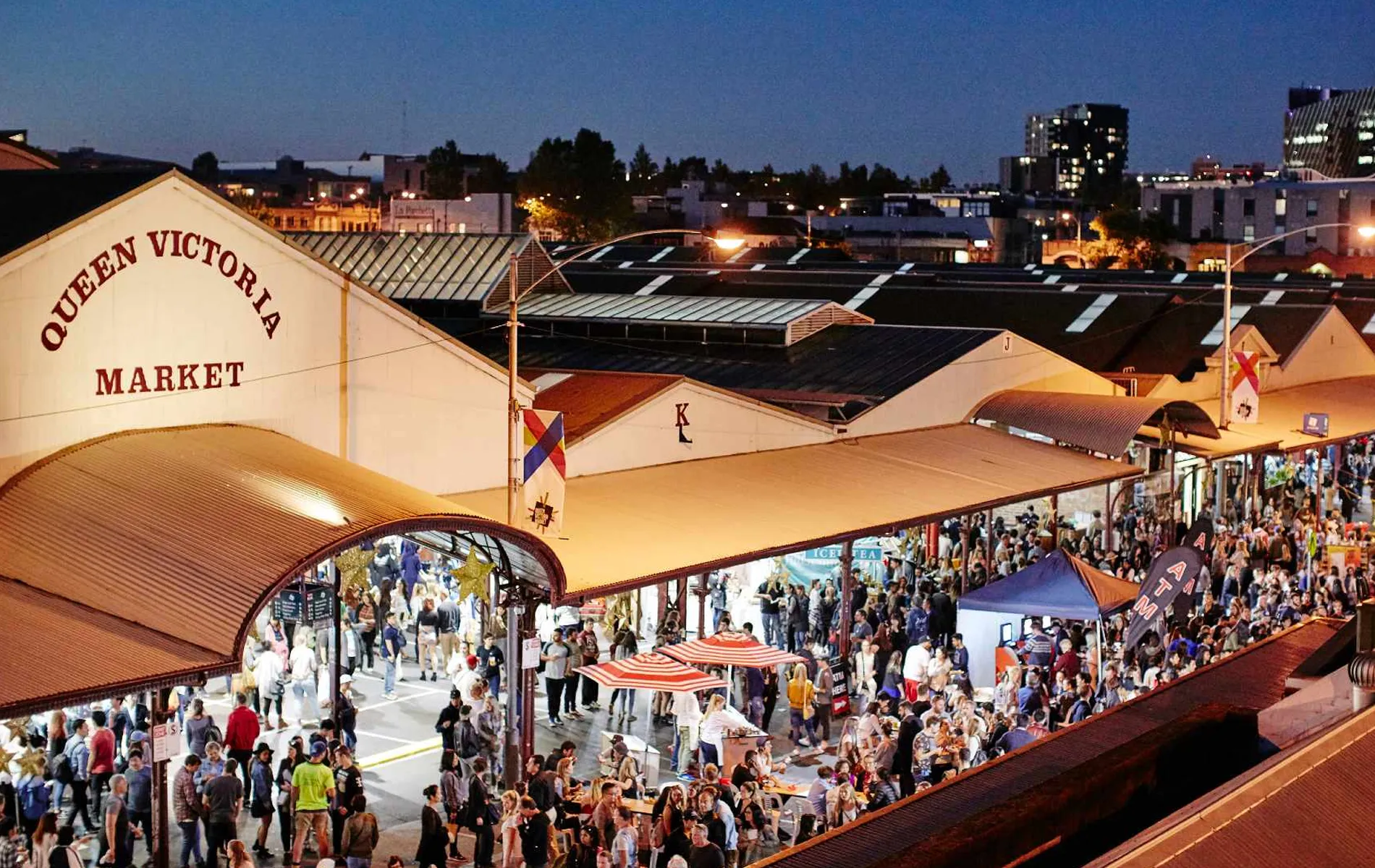
Queen Victoria Market is the largest open-air market in the southern hemisphere and an easy recommendation for race fans with a free morning. It’s ideal for brunch, coffee, local produce, and gifts. If you’re staying longer, Melbourne also gives you access to some excellent coastal scenery — from the beaches at Mount Martha to the dramatic drive along the Great Ocean Road.
Food & Drink
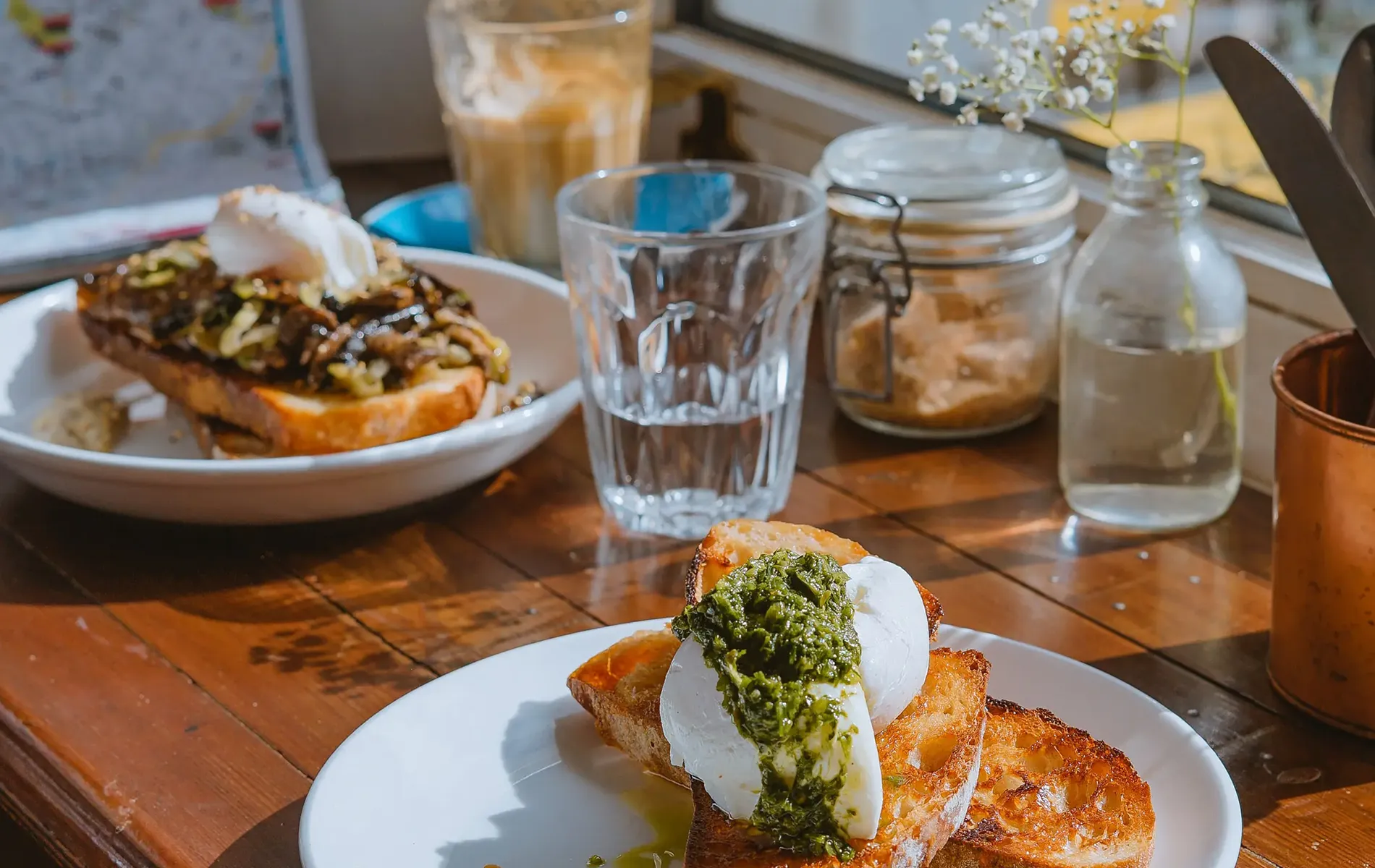
Melbourne is one of the best food cities on the F1 calendar, with a dining scene that feels as varied and international as the city itself.
- Restaurants galore — with more than 3,500 restaurants, Melbourne caters to almost every taste, from high-end dining to casual local favourites.
- Brunch culture is a genuine part of city life, especially in areas like Fitzroy, where inventive sweet and savoury menus are a major draw.
- Coffee matters here — Melbourne’s café culture is legendary, and the locally famous “Magic” (a double ristretto topped with steamed milk) is worth trying.
- Chinatown is a must — one of the oldest in the world, it remains one of the city’s most compelling areas for food, though popular restaurants often need booking in advance.
One useful local tip: many cafés close by around 3 pm, so don’t leave your coffee stop too late.
Weather & Climate
The Australian Grand Prix takes place in March, when Melbourne is moving into autumn — and that usually means changeable conditions.
- Average daytime temperatures: Up to around 24°C
- Evenings: Cooler once the sun drops
- Conditions: Sunshine, cloud, showers and wind can all arrive on the same day
Melbourne’s “four seasons in one day” reputation is very real. Pack sunscreen, a cap, layers, and a raincoat — all of them could come in handy over the same weekend.
Essential Travel Information
| Category | Details |
|---|---|
| Language | English |
| Currency | Australian Dollar (AUD) |
| Time Zone | UTC +11 |
| Electricity | 240V, 50Hz, Type I plugs |
| Population | ~5.2 million |
Final Thoughts
Melbourne feels made for Formula 1. Albert Park offers the right mix of jeopardy, accessibility and atmosphere, while the city around it gives fans far more than just a race weekend. Between the beaches, markets, galleries, coffee culture and nightlife, there’s every reason to turn the Australian Grand Prix into a longer trip.
Whether you’re there for the opening-round buzz, the support events, or simply to experience one of the world’s great sporting cities, Melbourne is one of the strongest all-round destinations on the F1 calendar.
Seen in: