





































Barcelona offers one of Formula 1’s most reliable combinations with a proven Grand Prix circuit, almost guaranteed sunshine, and one of Europe’s greatest city-break destinations just down the road.
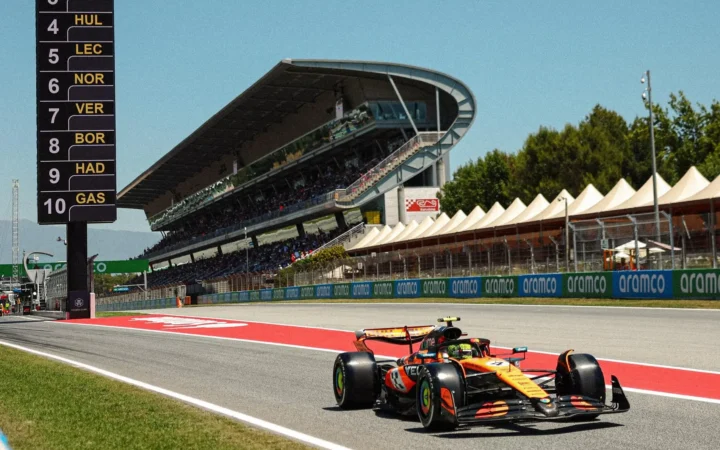
Held at the Circuit de Barcelona-Catalunya in Montmeló, the Barcelona-Catalunya Grand Prix is a new fixture of the Formula 1 calendar since 2026. Previously host of the Spanish Grand Prix, the circuit has become one of the paddock’s most familiar venues, not only because it hosts a race, but because teams have also spent countless pre-season test days learning its every bump, braking point and corner sequence.
Barcelona-Catalunya Grand Prix / Spanish Grand Prix
Circuit de Barcelona-Catalunya

Laps 66
First Grand Prix 1991
Circuit Length 4.657km
Race Distance 307.236 km
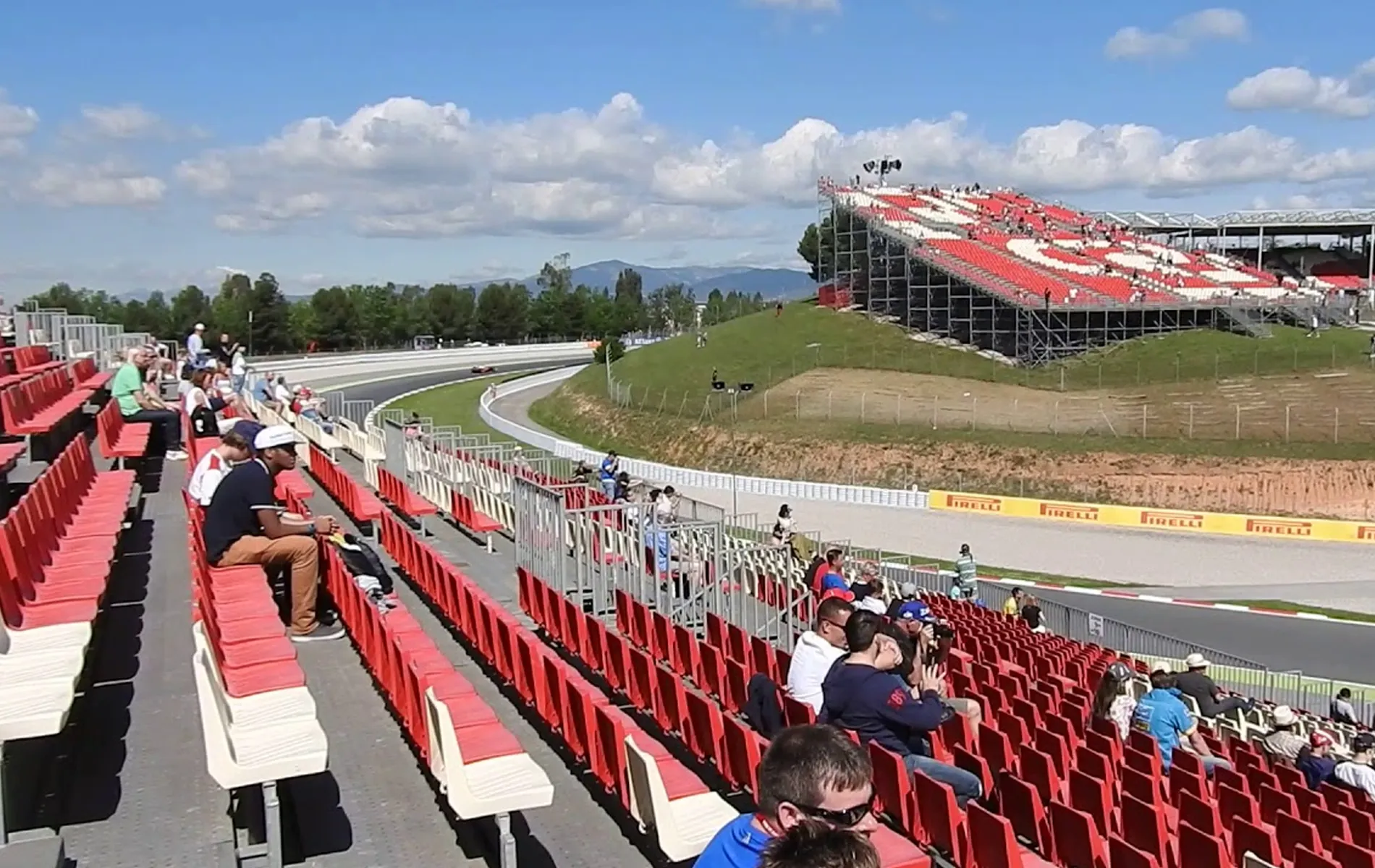
That familiarity has given Barcelona a reputation in some circles for producing predictable Grands Prix, but that is only part of the story. The Circuit de Barcelona-Catalunya remains one of the most complete all-round tests for a Formula 1 car, and crucially, one of the best spectator circuits in Europe, with wide panoramic views that let fans follow multiple corners and the broader shape of the race.
Beyond the circuit, Barcelona is a huge part of the event’s appeal. This is a city of beaches, Gothic streets, Catalan identity, late nights, food markets and Gaudí landmarks, making it one of the easiest races on the calendar to turn into a proper holiday.
It is also a place with deep Formula 1 connections. For years, the circuit has been a second home for teams and drivers, while Spanish fan culture around the Grand Prix was transformed by Fernando Alonso, whose rise helped create a passionate audience that continues to define the atmosphere at the race.
Barcelona-Catalunya Grand Prix: What Makes Barcelona Special
Barcelona works so well as an F1 destination because it offers more than just the race itself. The circuit is close enough to the city to make day-to-day travel manageable, while the city offers visitors the depth that makes staying longer feel worthwhile rather than optional.
See also…
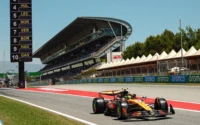
From a racing perspective, Circuit de Barcelona-Catalunya is one of the most complete venues on the calendar. Teams know it intimately, but from the grandstands it is still hugely enjoyable, thanks to the way the circuit opens up to spectators. Unlike some old-school European tracks where the view can feel limited, Barcelona offers fans broad sightlines and a much better sense of a lap’s rhythm.
It also sits at the heart of Spanish Formula 1 culture. Alonso helped ignite mass enthusiasm for the sport in Spain, and a younger generation led by Carlos Sainz has kept that passion alive. When the home crowd gets behind its drivers, the atmosphere can feel every bit as strong as many of Europe’s more storied races.
Then there is Barcelona itself: young, energetic and genuinely hard to tire of. It is a city where you can spend the morning at the beach, the afternoon exploring Gothic streets or Gaudí landmarks, and the evening eating late on a terrace before doing it all again.
F1 Spectator Tips for Barcelona
- Take the sun seriously
June in Montmeló is hot, and the sun is strong for long stretches of the day. Think carefully about shade when choosing seats and pack accordingly. - Bring your own refreshments
Food and drink inside the circuit can be expensive and underwhelming. As long as you avoid glass and cans, bringing supplies from a local supermarket is usually the smarter move. - Don’t sprint to the station after the race
Leaving at the exact moment the chequered flag falls can mean long queues. A slower exit with a drink or a post-race circuit walk is often the better option. - Grandstand A is one of the best overtaking views
If you want to focus on one of the strongest passing opportunities on the circuit, this is a very solid choice. - Testing can be a great bonus trip
When pre-season testing is held here, it can be an affordable way to learn the venue, explore the grandstands and see the latest cars up close.
Getting to Circuit de Barcelona-Catalunya
The circuit is just outside Barcelona, in Montmeló, making it easy to combine the race with a city stay.
- Nearest major hub: Barcelona
- Circuit location: Montmeló, just outside the city
- Popular alternative base: Granollers, close to the circuit
Most fans base themselves in Barcelona and travel out on race days, which makes sense if you want to combine the Grand Prix with the city’s beaches, nightlife and cultural sights. If you prefer a quieter base or want to stay closer to the track, Granollers is a practical option and has long been popular with teams and regular paddock visitors.
Barcelona’s wider transport links also help make this one of the easier European Grand Prix to build a longer trip around, whether that means extra days in the city, a beach stay, or heading further inland into Catalonia.
Things to Do Near Barcelona
Gaudí’s Barcelona
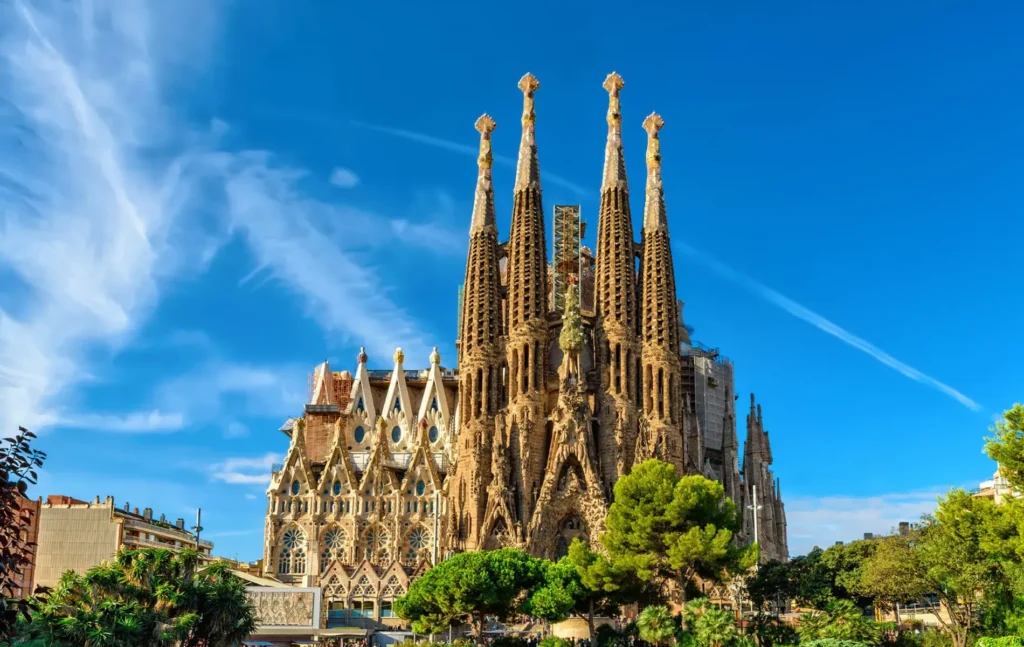
Barcelona is inseparable from the work of Antoni Gaudí, whose distinctive architecture gives the city much of its visual identity. The Sagrada Família is the obvious centrepiece, but it is far from the only one. Casa Batlló, La Pedrera and the details of places like Plaça Reial all show different stages of his evolving style and influence.
Best for: Architecture, history and first-time visitors to the city
La Boqueria & La Rambla
La Boqueria is one of the world’s most famous food markets and one of Barcelona’s liveliest sensory experiences. With more than 200 stalls and bars packed into its historic space just off La Rambla, it is the kind of place where you can snack, browse, and absorb the atmosphere all at once.
La Rambla itself remains one of the city’s most recognisable promenades, and walking it down towards the waterfront is still one of the classic Barcelona experiences.
Best for: Food, people-watching and casual wandering
Park Güell & Port Vell
Another UNESCO-listed Gaudí creation, Park Güell, combines playful structures, mosaic details and sweeping views over the city. It is one of Barcelona’s most distinctive green spaces, though its popularity means booking ahead is essential.
At the other end of the mood spectrum, Port Vell offers a more relaxed coastal setting. Revitalised in the run-up to the 1992 Olympics, it is now a polished waterfront area of boardwalks, bars and restaurants, ideal for an evening stroll with an ice cream or a drink in hand.
Best for: Views, fresh air and winding down after a race day
Montjuïc & the Beach
Montjuïc offers one of the strongest combinations of history and scenery in Barcelona. The Olympic Stadium and surrounding area still carry echoes of the old Montjuïc Circuit, which hosted the Spanish Grand Prix in the late 1960s and early 1970s. It is a special stop for motorsport fans, but the hill also includes gardens, castle views, a funicular and cable car, and a broader sense of the city’s sporting and cultural history.
If you would rather slow the pace completely, Barcelona’s beaches are always there. The city is one of the few major European Grand Prix destinations where a day at the sea can sit naturally alongside a race weekend.
Food & Drink
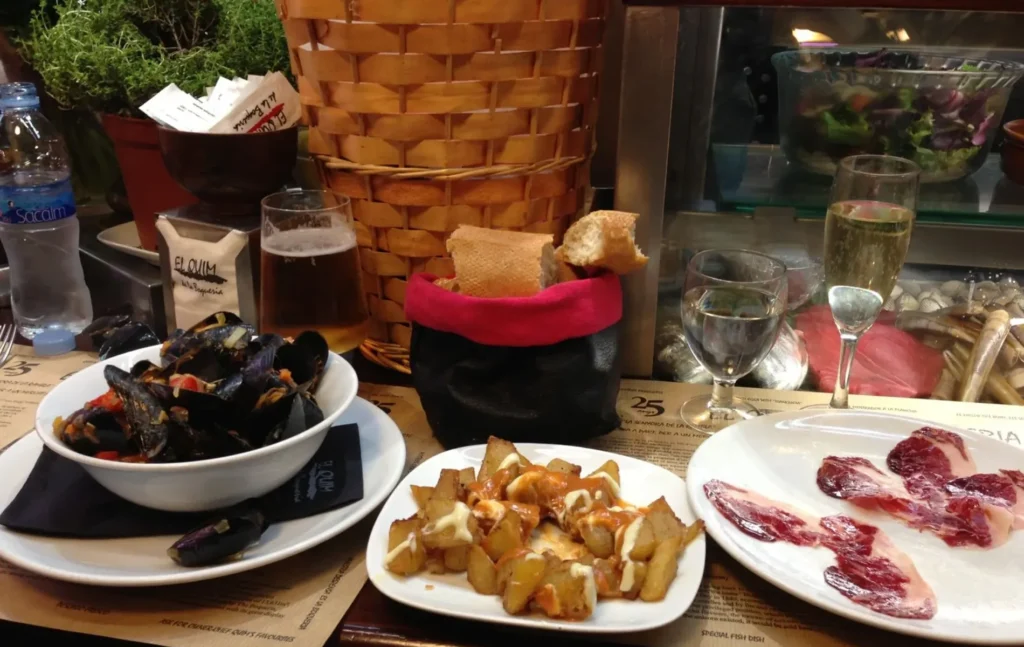
Barcelona’s food scene is one of the strongest on the Formula 1 calendar. While tapas may not be native to the Catalan capital, the city has fully embraced them and made them a sophisticated part of its culinary identity.
- Tapas are essential — places like Bar del Pla in the Gothic Quarter mix classics such as patatas bravas and croquettes with more inventive small plates and strong wine lists.
- Eat at La Boqueria if you can — El Quim de la Boqueria is one of the market’s best-known tiny counters, with fried eggs and baby squid among its standout dishes.
- Rooftop dining is part of the city’s charm — La Dolce Vitae at the Majestic Hotel pairs city views, cocktails and a menu created by celebrated Catalan chef Nandu Jubany.
- Try Catalan cooking near the circuit — in nearby Granollers, El Trabuc is a long-standing favourite for regional dishes such as coca bread with tomato and the classic dessert crema catalana.
Whether you are hopping between tapas bars in the old city, eating seafood near the waterfront, or taking a slower meal in a traditional Catalan restaurant, Barcelona rarely disappoints.
Weather & Climate
The Spanish Grand Prix takes place in mid-June, which usually means one thing in Barcelona and Montmeló: heat.
- Typical conditions: Hot, sunny and dry
- Trackside reality: Long hours in direct sun can feel intense, especially in uncovered seating
- Best advice: Sunscreen, water, caps and light clothing are essentials rather than extras
Barcelona is one of those races where the weather is usually an asset, but it is still something to respect. The heat can turn a great day at the track into a draining one if you are underprepared.
Essential Travel Information
| Category | Details |
|---|---|
| Language | Catalan / Spanish |
| Currency | Euro (EUR) |
| Time Zone | UTC +1 |
| Electricity | 230V/50Hz, European plugs |
| Population | ~5.6 million |
Final Thoughts
Barcelona remains one of Formula 1’s most complete destination weekends. The circuit is familiar, highly watchable and steeped in modern Grand Prix history, while the city provides everything you could want away from the track: beaches, late nights, markets, architecture and genuinely excellent food. Add in the reliable weather and the ease of stretching the trip into a full holiday, and it is easy to understand why fans and teams alike keep coming back.
Whether you are there for the Spanish crowd, the panoramic views from the grandstands, or simply to spend a few days in one of Europe’s most enjoyable cities, the Barcelona-Catalunya Grand Prix remains one of the calendar’s most appealing trips.
Seen in: