-

What Is The 90% Rule In F1? A Complete Guide
The 90% Rule in F1 decides if a driver is officially classified after retiring. Learn how it affects points, race results, and why finishing most of a race still counts—even without the flag.
-
What Is The 107% Rule In F1? A Complete Guide
The 107% Rule in F1 qualifying ensures only competitive cars make the grid. Learn its origins and how it applies today.
-
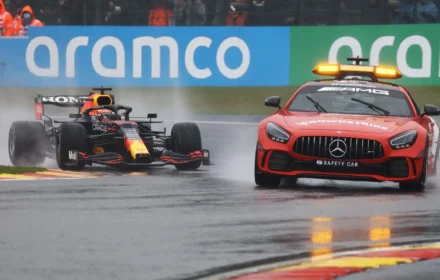
What Is The 75% Rule In F1? A Complete Guide
The 75% rule in F1 determines how points are awarded in shortened races. From Spa 2021 to recent changes, discover how this regulation shapes modern F1 races and championships.
-
Max Verstappen Net Worth 2026: Salary, Sponsors & More
Discover Max Verstappen's $250M net worth, record F1 salary, sponsors, and how he's building a legacy in other motorsports series.
-
Why is the Number 17 Retired in Formula 1?
Jules Bianchi’s tragic death in 2015 led to the permanent retirement of F1’s number 17 and sparked major safety reforms that continue to protect drivers today.
-
How Fast Do F1 Cars Go?
From F1's 397 km/h top speed to MotoGP, IndyCar, and WEC benchmarks, we break down how fast the world’s top racing series really go—and what makes each uniquely quick.
-
2026 F1 Driver Salaries: How Much Do F1 Drivers Make?
Who’s earning the most in Formula 1? We break down every 2026 F1 driver salary — from Verstappen’s $65M to rookie contracts under $1M. Full grid earnings list inside.
-
Lewis Hamilton Net Worth 2026: Salary, Sponsors & More
Lewis Hamilton’s 2026 net worth hits $300M, fuelled by a $60M Ferrari deal, sponsors, and business ventures in fashion, food, and film as he builds a legacy beyond F1.
-
F1 Driver Numbers: Banned, retired and current
From iconic tributes to karting throwbacks, discover why each F1 driver picked their number — including rookies, legends, and the only officially retired number on the grid.
-
F1 Qualifying Rules Explained: How Formula 1 Sets the Grid
Want to understand how F1 qualifying really works? From sessions and tyre rules to Sprint formats, this guide breaks it all down for any F1 fan.