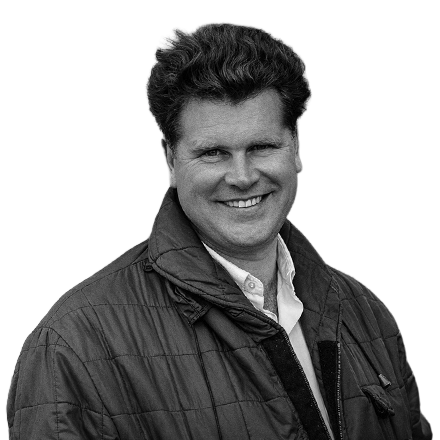
Reginald Harold Haslam “Tim” Parnell Jr. was a British racing driver and respected Formula One team manager whose life was deeply woven into the fabric of post-war motorsport. The son of celebrated racer and team owner Reg Parnell, Tim grew up surrounded by Grand Prix machinery, legendary drivers, and the fast-moving world of international racing — a world he would eventually help shape both behind the wheel and from the pit wall.
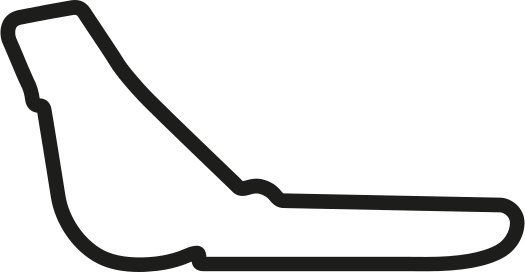
Parnell competed in four Formula One World Championship Grands Prix during the late 1950s and early 1960s, making his debut on 18 July 1959. Although he qualified for only two of his entries and never scored championship points, he remained a determined presence in an era where Formula One was fiercely competitive and opportunities for private entrants were limited. His best World Championship result came at the 1961 Italian Grand Prix at Monza, where he guided his car home in tenth place on one of the sport’s most iconic high-speed circuits.
While his driving career produced only a handful of Formula One appearances, Parnell’s greatest influence on the sport arguably came away from the cockpit. Following the death of his father in 1964, he inherited responsibility for the family-run Reg Parnell Racing operation, one of Britain’s notable independent teams of the period. Taking on the challenge of team ownership and management, he helped oversee entries for talented drivers, including Mike Spence and future Grand Prix winner Pedro Rodríguez, balancing the relentless demands of racing with the realities of running a competitive private team.
Parnell later stepped into one of the most high-profile management roles in Formula One when he became team manager of BRM, serving from 1970 to 1974. During a turbulent but important chapter in the team’s history, he played a key role in guiding one of Britain’s most famous constructors through the increasingly professional and politically charged world of modern Grand Prix racing.
Though he never became a star driver in his own right, Tim Parnell earned enormous respect within the paddock as a knowledgeable racer, a dependable team figure, and a lifelong servant of the sport. His career bridged two distinct eras of Formula One — from the courageous privateer days of the 1950s to the sophisticated factory-team environment of the 1970s — ensuring his place in British motorsport history long after his passing in 2017 at the age of 84.