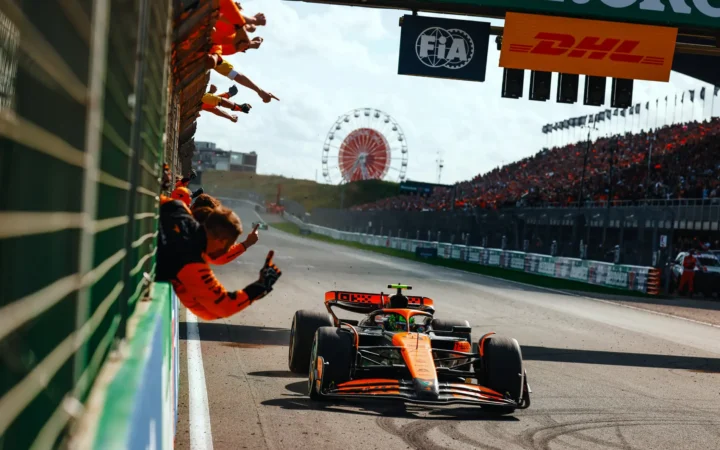






























Zandvoort is Formula 1 with sand in its teeth, a beachside circuit of old-school character, banked corners, orange-clad fans, and a holiday atmosphere that lingers long after the summer break should have ended.
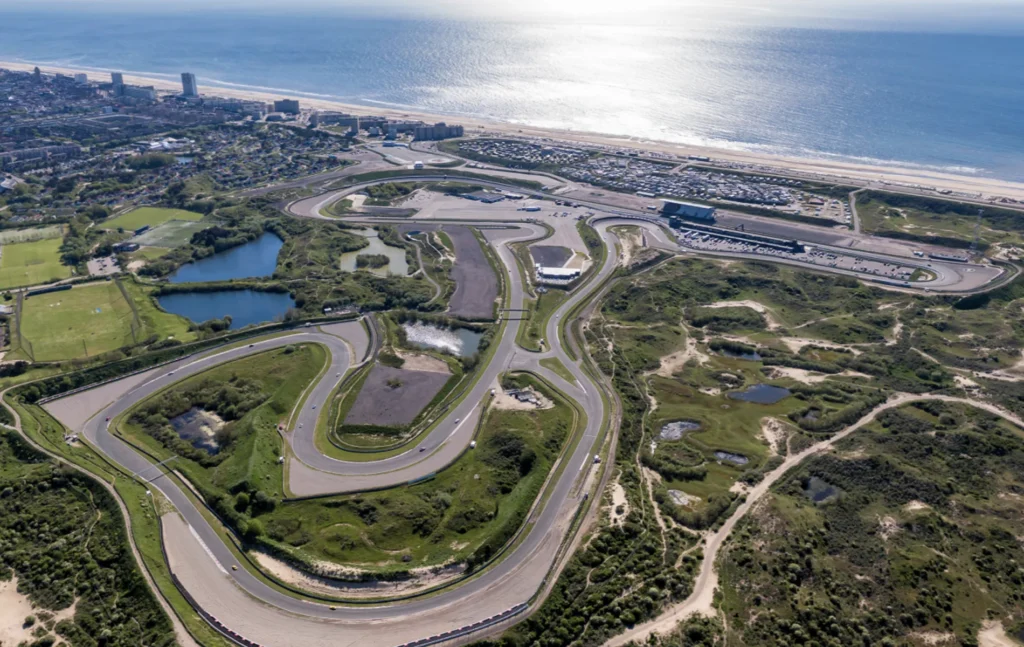
Held at Circuit Zandvoort, the Dutch Grand Prix is one of the most distinctive stops on the Formula 1 calendar. Just 30 minutes from Amsterdam and right beside the North Sea coast, it is a venue where the beach is so close that sand from the surrounding dunes can find its way onto the track, adding another layer of challenge for the drivers.
Dutch Grand Prix
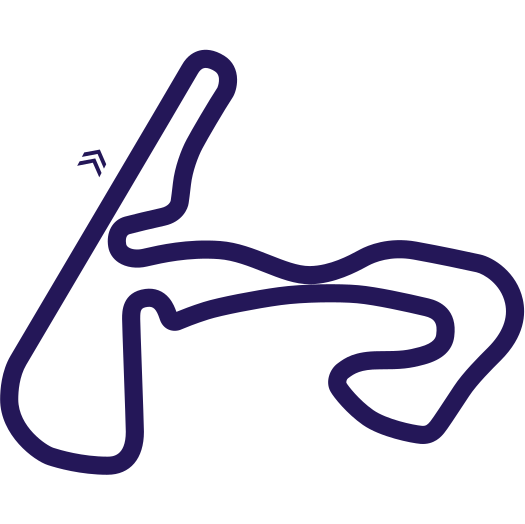
Circuit Zandvoort
Laps 1952
First Grand Prix 1952
Circuit Length 4.259km
Race Distance 306.587 km
First opened in 1948 during the post-war surge of European motorsport enthusiasm, Zandvoort joined the World Championship in 1952, with Ferrari taking a dominant 1-2-3 finish led by Alberto Ascari. The circuit’s undulating, old-school layout quickly won over drivers and fans.
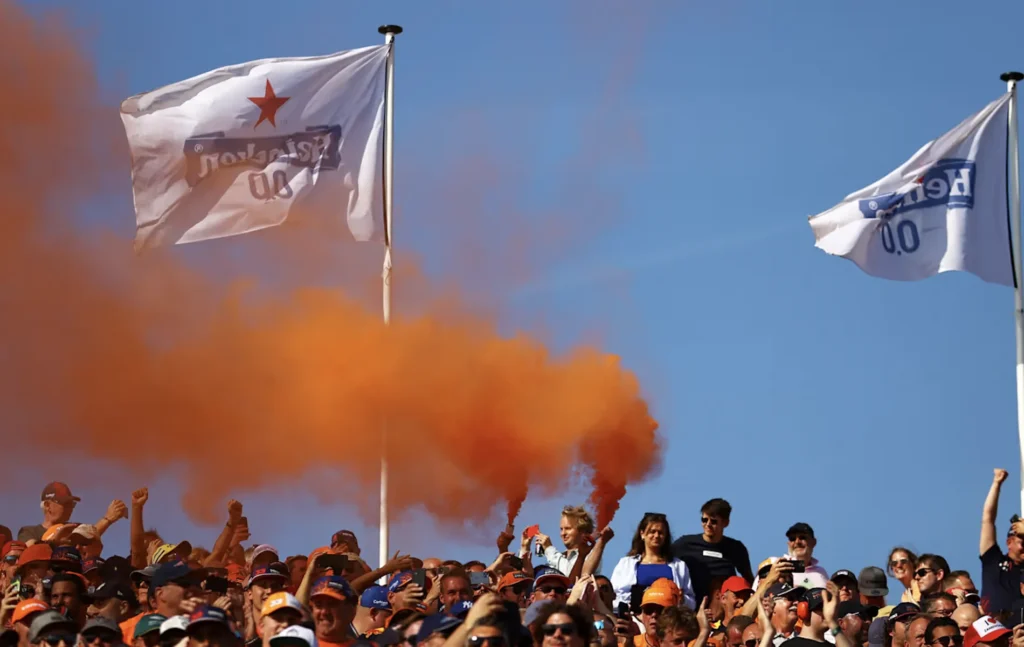
Its modern return to Formula 1 has only strengthened that reputation. When Zandvoort returned in 2021 after a long absence, it reminded everyone of how powerful a passionate crowd can be. With more than 300,000 fans over the weekend, many in bright orange and many there to support home hero Max Verstappen, the atmosphere is among the loudest and most visually striking in the sport.
For all that energy, though, Zandvoort also retains something pleasantly laid-back. It feels like a race weekend on holiday, where beach bars, bikes, sea air and Formula 1 all fit together naturally.
Dutch Grand Prix: What Makes Zandvoort Special
Zandvoort feels different because it does not try to be anything other than itself. It is historic without being dusty, modern without feeling artificial, and coastal in a way that genuinely shapes the experience of the race.
See also…
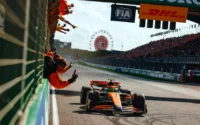
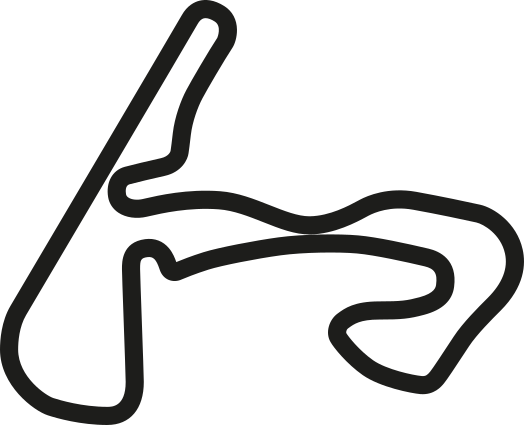
The circuit still carries much of the spirit of the old track, even if some of the fastest sweeping sections of the original layout have gone. What remains is a rollercoaster of rises, falls and narrow, technical corners woven through the dunes of the North Sea coast — a proper driver’s circuit with a lot of personality.
The banking helps define the modern experience too. The reprofiled Hugenholtzbocht and Arie Luyendykbocht corners gave the revived circuit a distinctive look and feel, while also helping create more dramatic viewing spots for fans in the grandstands.
Then there is the crowd. Plenty of drivers have inspired passionate home support over the years, but few have triggered anything quite like the sea of orange that follows Verstappen and now defines the Dutch Grand Prix weekend. Even if you are cheering for somebody else, the atmosphere is impossible not to enjoy.
And unlike some purpose-built modern venues, Zandvoort’s location really adds something. The beach is part of the story here, not just a backdrop. It gives the whole event a holiday mood that no amount of artificial fan zone design could reproduce.
F1 Spectator Tips for Zandvoort
- Use public transport or cycle in
The Dutch Grand Prix is one of Formula 1’s most accessible and sustainable events, and it is far easier to leave the car behind. - Wear orange
You do not have to, but you will definitely blend in if you do. - Respect the flare ban
Smoke flares are banned, so support the atmosphere with your voice rather than pyrotechnics. - Plan for sun and little shade
Zandvoort can be hot in late August, and the exposed coastal setting means there is limited cover. - Explore the beach after the sessions
One of the best parts of Zandvoort is that the day does not need to end when the cars stop running.
Getting to Circuit Zandvoort
Zandvoort is one of the easier races on the calendar to combine with a proper city stay and stress-free travel.
- Nearest major hub: Amsterdam
- Travel time: Around 30 minutes by train
- Other strong base: Zandvoort itself for beachfront convenience
Many fans choose to stay in Amsterdam and commute to the circuit thanks to the regular rail connection, which makes the Dutch Grand Prix one of the most straightforward European races for visitors without a car. That also means you can pair track days with evenings in one of Europe’s most popular and characterful capitals.
If you want to keep the whole weekend within walking distance of the sea, staying in Zandvoort itself is a great option. The town has plenty of beachfront accommodation, and waking up to the sound of the North Sea before heading to the circuit is one of the more enjoyable ways to start a Grand Prix day.
Things to Do Near Zandvoort
Zandvoort Beach & Surfing
The beach is the obvious place to start. With around 9km of North Sea coastline on your doorstep, Zandvoort is one of the few Formula 1 destinations where a genuine beach break feels like part of the race weekend rather than a side trip.
If you want more than just a walk along the sand, Zandvoort also has a strong watersports scene. Surfana Surf School is a popular choice for those keen to try surfing with enthusiastic local instruction and an appropriately relaxed beach-town mindset.
Best for: Unwinding, sea air and extending the summer-holiday feel
The Dunes, Bunkers & Cycling
Zandvoort is perfect for exploring on two wheels. The town is full of bike rental shops and the surrounding coastal cycle paths are safe, scenic and extensive, taking you through dunes and nature reserves where deer and dune lizards are among the wildlife you may spot.
The dunes also hide traces of World War II history. Large parts of Zandvoort were destroyed during the occupation, and bunkers were built into the sand as part of the Atlantic Wall. Some remain visible today, while others lie partially buried and can be explored on foot using local bunker route maps.
Best for: Bike rides, local history and seeing another side of the coast
Haarlem
Just a short distance from Zandvoort, Haarlem is one of the most worthwhile additions to a Dutch Grand Prix trip. Once a major North Sea trading port, it retains a richly historic feel, with cobbled streets, gabled houses and a strong cultural identity.
The imposing Grote Kerk dominates the centre and houses the vast organ played by both Handel and a young Mozart. Today Haarlem also has a modern edge, with smart restaurants, concept stores, canalside cafés and a reputation as one of North Holland’s most enjoyable smaller cities.
Travel time: About 15 minutes from Zandvoort
Best for: Architecture, canals and a slower-paced city visit
Amsterdam
Amsterdam is close enough to feel like part of the Dutch Grand Prix itself. Famous for canals, museums, nightlife, cycling culture and narrow gabled houses, it offers enough to fill an entire week around the race.
From major institutions like the Rijksmuseum to the city’s smaller, stranger museums, there is no shortage of things to do. And the best way to enjoy it all is often by bike — fittingly enough in a country where bicycles outnumber cars by a considerable margin.
Food & Drink
Zandvoort’s coastal location shapes its food scene in the best possible way. Fish and seafood are everywhere, but there is plenty more to the Dutch Grand Prix weekend than a simple plate of fried cod by the beach.
- Try herring the traditional way — raw herring, eaten by holding it by the tail and lowering it down, is one of the Netherlands’ most famous coastal specialities. Berg vis Zandvoort, right opposite the circuit, is one of the best places to try it.
- Seafood in town is a safe bet — De Meerpaal, the oldest fish restaurant in Zandvoort, is known for its warm atmosphere and simple, well-made fish dishes.
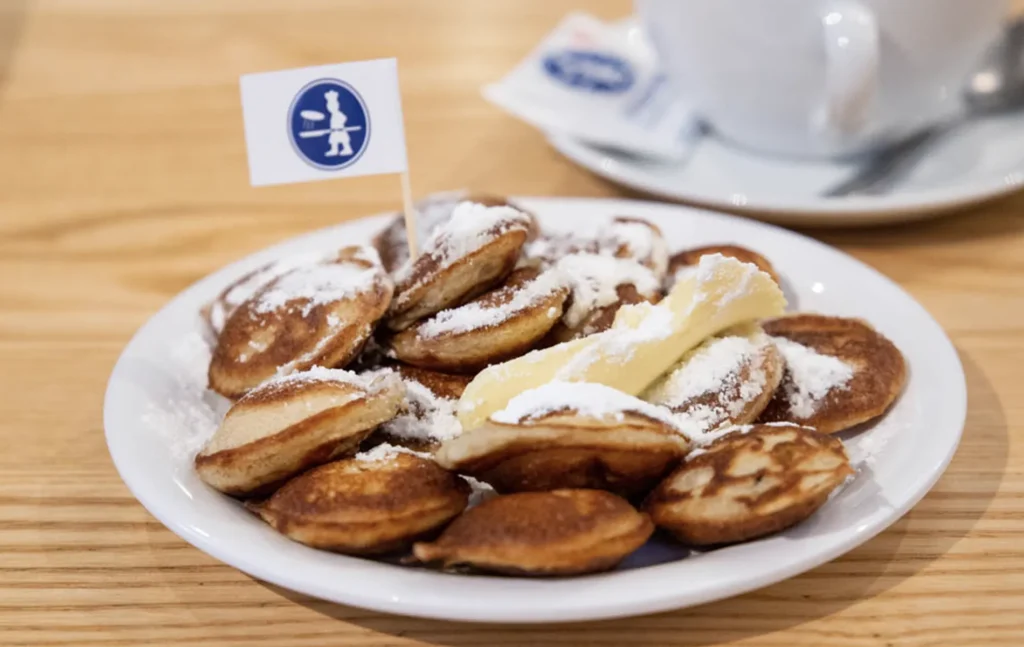
- Dutch pancakes are essential — larger and thinner than American pancakes but thicker than crêpes, they can be sweet or savoury. Dune, set among the sand dunes, serves more than 65 topping combinations in a wonderfully fitting setting.
- Beach clubs are part of the appeal — with more than 30 restaurants and clubs along the beachfront, it is easy to move from breakfast to post-race cocktails without ever straying far from the sea.
If you head to Haarlem, Thrill Grill offers another strong option, bringing a Michelin-starred chef’s standards to burgers, fries and sauces. And for a sweet local classic, never overlook the stroopwafel — especially warmed gently over a cup of coffee.
Weather & Climate
Zandvoort in late August usually delivers exactly what you would want from a beachside Grand Prix after the summer break.
- Typical conditions: Warm, sunny and summery
- Coastal factor: The exposed North Sea location can provide a welcome breeze
- Best advice: There is very little shade at the circuit, so sunscreen, water and a cap are all important
The sea air can make conditions feel more comfortable than at some inland summer races, but that should not fool you into underestimating the exposure. A full day in the grandstands still demands proper preparation.
Essential Travel Information
| Category | Details |
|---|---|
| Language | Dutch |
| Currency | Euro (EUR) |
| Time Zone | UTC +1 |
| Electricity | 230V/50Hz, European plugs |
| Population | ~17.7 million |
Final Thoughts
Zandvoort has quickly re-established itself as one of Formula 1’s most enjoyable modern weekends. The circuit has genuine history and character, the beachside location gives it a relaxed identity unlike anywhere else on the calendar, and the orange wall of Dutch support creates an atmosphere that is impossible to ignore. Add in easy transport, good food, coastal scenery and the option of staying in Amsterdam, and it becomes one of the smartest race trips in Europe.
Whether you are there for Verstappen, the dunes, the beach clubs, or simply to experience one of Formula 1’s loudest and most distinctive crowds, the Dutch Grand Prix is a weekend that knows exactly what it is — and does it brilliantly.
Seen in: