










































Sponsored by

When it comes to team sports, most fans follow a local team. Even in sports like football, where clubs have become far more global in their reach, location remains the most important factor in deciding where fans come from. In a nominally individual sport like F1, the growth of a fan base can be very different.
There are still obvious factors when it comes to the support of individual drivers and teams, but there is less of an expectation. All the best Formula 1 betting sites attract fans from around the world, and the best drivers also enjoy a greater global following than the stars of other major sports and leagues.
In this article, we will take a look at how an F1 driver’s fan base can be created and maintained. We will also look at how drivers engage with their fans in the modern era and how F1’s broader fan base continues to grow as the sport reaches new places and countries.
National Pride
Without a local team to cheer for, the most obvious place to begin an F1 fandom is with the drivers from where you live. National pride and identity are important factors when it comes to supporters of many sports, and there is no denying that it can play a part in the fan base of any F1 driver too.
It makes sense that F1 fans will feel they can bond with a driver who comes from the same place as they do. Although this can happen at any stage of a driver’s career, it can be particularly common when a driver is first starting out and racing his first Grand Prix. Backing the local boy is always popular.
Team History
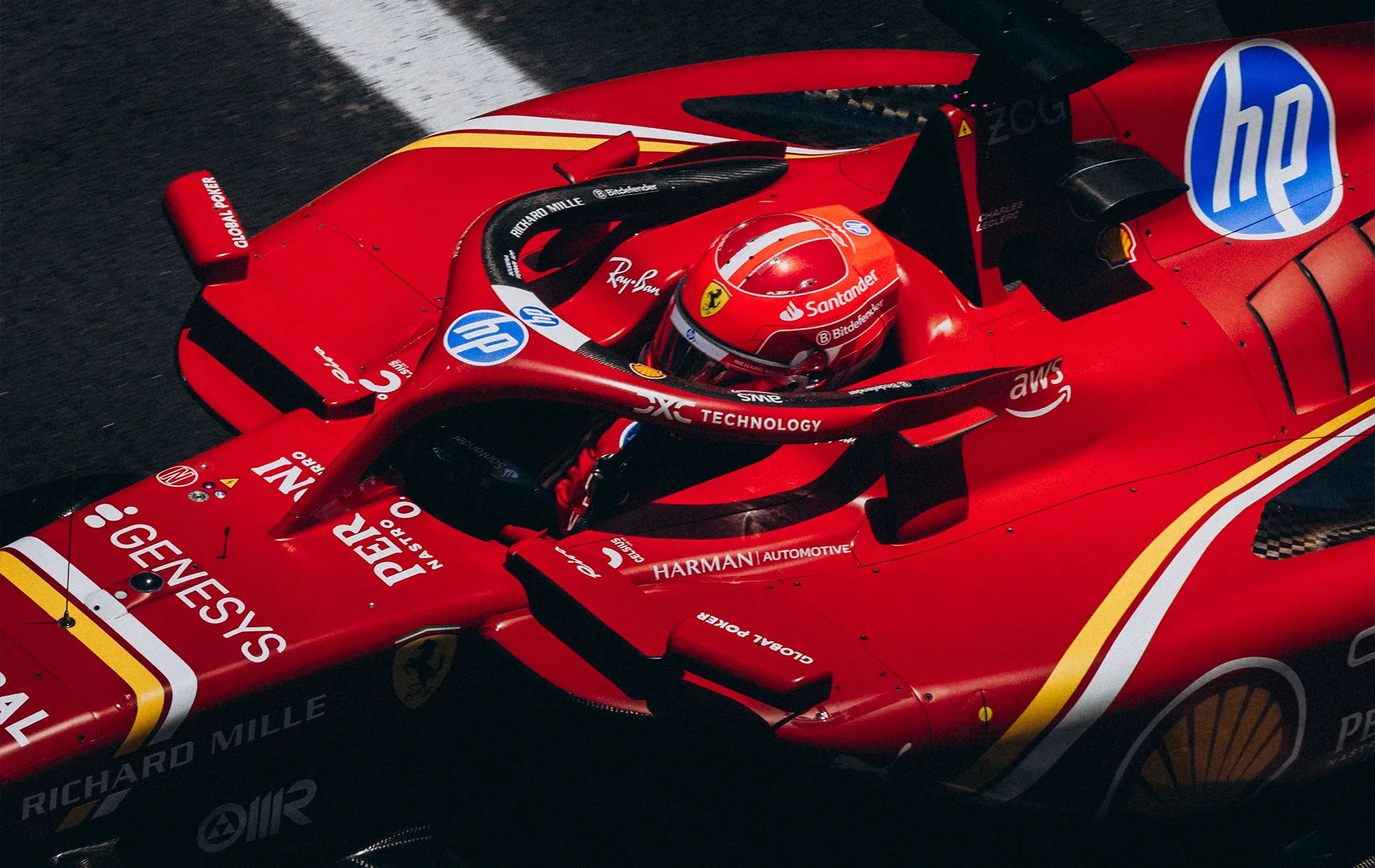
Drivers come and go, but the teams are always a part of Formula 1. That is obviously the thinking of many fans of the sport, who ignore national borders and even homegrown favorites, to get behind whoever is driving for the team they support. This is more common for the big names, like Mercedes or Ferrari.
There is something about the tradition and history of a team that attracts F1 fans. When you are supporting a team, you are simply following that tradition and continuing the support given to drivers who have worn the same colors in the past. Many of these team fans are able to get behind individual drivers as well, but the team trumps all.
New Drivers
For some F1 fans, there is nothing more satisfying than supporting a driver from the very early years of his career and celebrating when they begin to take checkered flags and even championships. It can be worn as a badge of honour, as a sign that you have been a fan for a long time and understand what it takes for drivers to succeed.
Getting behind a new driver crosses over into supporting a young driver from your home country. These kinds of fandoms escape the criticism of only following the big names (the glory hunters), as it shows that you believe in the talent of a driver, even when they are yet to really make a name for themselves in the sport.
Social Media Content
Recent F1 fan surveys have shown that newer demographics come to the sport through the use of social media and the content it produces. Growing Gen Z and female fan bases are interested in engaging with drivers and teams, and the ones that are best able to fulfil that need end up having more fans.
As social media grows its influence across all sectors and areas of everyday life, F1 has been keen to capture the phenomenon and bring more people to the sport. The fact that there are demographics not traditionally associated with F1 now eagerly consuming content shows that investment into this area is beneficial to teams and drivers.
Media Coverage
It is a well-known fact that Netflix’s Formula 1: Drive to Survive series has been huge in growing the sport’s fanbase, especially in the US. F1 has then been able to use that new interest and make the sport even bigger by hosting more races in North America. It is by moving into new markets that F1 can continue to grow.
Media coverage has always been important for any sport or league. But the different streaming and broadcasting options available now mean that there is even more scope for F1 to use global media as a tool for growth. The Netflix show proved that there is still room to grow further, and more media ventures should be expected in the years to come.
F1 is Global
F1 does not begin and end with the Grand Prix race on a Sunday. Fans are attracted to all kinds of different aspects of the sport now, and the rise of social media – and media coverage in general – is allowing F1 to reach new potential fan bases. This allows those new fans to decide how they want to interact with the drivers, the teams, and F1 as a whole.
Although there are some local connections, one of the incredible things about F1 is its ability to connect fans from all over the world. Whether it is a bond with an iconic team or following a young driver as he sets out on a promising career, fans can grow attachments in a number of ways. But whatever attachment they make, they are following F1 for life and growing the sport. F1 is becoming ever more global – and that is a huge positive for motorsports in general.
Seen in: