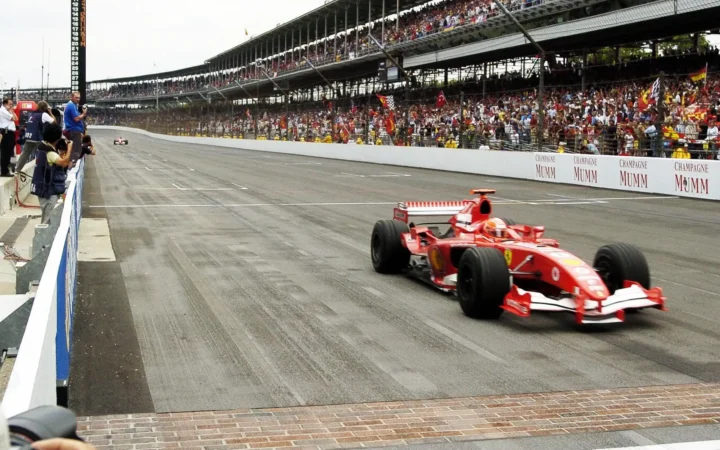





























Austin delivers one of Formula 1’s biggest all-round weekends, a dramatic purpose-built circuit, a city that knows how to entertain, and a race atmosphere that feels every bit as bold and energetic as Texas itself.
Held at the Circuit of The Americas, the United States Grand Prix has become one of the standout events on the Formula 1 calendar. Since opening in 2012, COTA has achieved something many modern circuits struggle to manage. It feels distinctive, rooted in place, and full of character rather than like a generic international venue dropped into the landscape.
United States Grand Prix
Circuit of The Americas
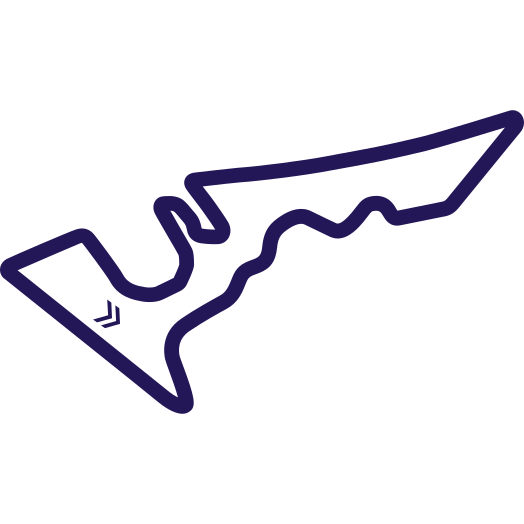
Laps 56
First Grand Prix 2012
Circuit Length 5.513km
Race Distance 308.405 km
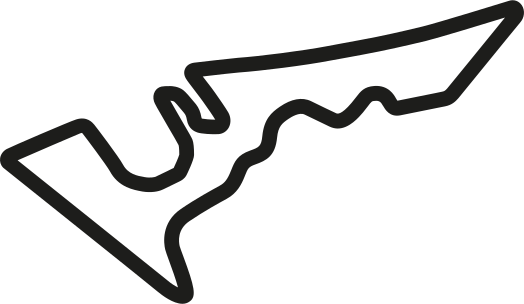
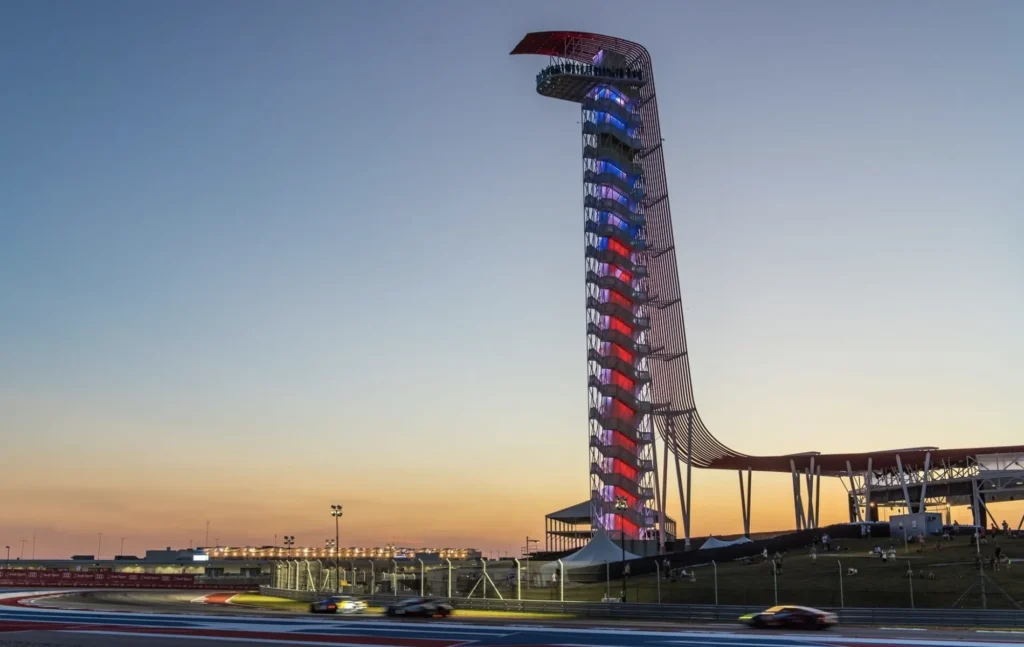
That character starts with the layout itself. From the steep uphill charge into Turn 1 to the flowing esses, the fast triple-apex sequence later in the lap, and the iconic observation tower overlooking the whole facility, COTA is one of the most recognisable tracks in Formula 1.
But the US Grand Prix is more than just the track. Austin brings live music, barbecue, murals, college football energy, lakeside trails, craft beer and a laid-back weirdness that makes it one of the easiest races on the calendar to turn into a much longer trip. The race weekend does not simply happen near Austin — it feels inseparable from the city’s personality.
That is what makes the United States Grand Prix so appealing. One moment you are watching Formula 1 cars crest the hill into Turn 1; the next, you are back downtown, eating tacos, listening to live music, or watching the skyline glow at sunset. Few races balance sport and destination quite as well.
United States Grand Prix: What Makes Austin Special
COTA works because it offers both spectacle and substance. The circuit looks good, sounds good, and is genuinely fun to watch from multiple vantage points. It has the kind of elevation, rhythm and openness that make modern Formula 1 feel especially impressive in person.
See also…
That spectator experience is one of COTA’s great strengths. The circuit’s rolling terrain offers some of the best natural viewing opportunities on the calendar, and even if you have a reserved seat, it is worth moving around to see the cars from different angles over the course of the weekend.
Austin itself adds the rest. This is a city that can entertain almost anyone: music fans, food lovers, outdoorsy travellers, sports obsessives, and people who simply want somewhere with a bit of personality after the chequered flag falls. It is colourful, creative and informal, with just enough unpredictability to feel properly memorable.
The result is a Grand Prix that feels like a full event rather than just a race. There are concerts, fan zones, fireworks, downtown energy and enough off-track options to make the trip rewarding even for people who are not spending every waking hour thinking about lap times.
F1 Spectator Tips for Austin
- Head up the observation tower
COTA’s tower is one of the best places to understand the circuit’s layout and take in the surrounding landscape. It is especially good later in the day when the light softens. - Sit higher if you can
Catch fencing can affect views in the lower rows, so higher seats often give much better value. - Do not stay rooted to one spot all weekend
Even with a grandstand ticket, walking through general admission areas gives you a much better sense of just how varied COTA’s views can be. - Stay after the race if you want to avoid traffic
Concerts, fireworks and post-race fan activity are not just entertainment — they can also save you from the worst exit delays. - Bring a reusable water bottle
Austin can still be hot in October, and staying hydrated matters both in the city and at the circuit.
Getting to Circuit of The Americas
COTA sits about 15 miles southeast of downtown Austin, which means race-day travel rewards planning ahead.
- Nearest major hub: Downtown Austin
- Driving: Parking is available, but should be pre-booked in advance
- Other options: Event shuttles, rideshare and organised transport from the city
Traffic can be heavy on Grand Prix weekend, especially before and after the main sessions, so leave more time than you think you need. Satellite navigation does not always tell the full story once race-day congestion builds around the circuit.
Shuttles are often one of the easiest ways to get to the track from central Austin, while rideshare can work well if you are prepared for a short walk from the designated drop-off zones. The circuit itself is large and hilly, so comfortable shoes are essential, whatever transport method you choose.
If you are driving, one of the smartest moves is to avoid rushing out immediately after the race. Stay for the concert, take another lap around the fan areas, or simply let the crowds thin before heading back into the city.
Things to Do Near Austin
Lady Bird Lake & Green Spaces
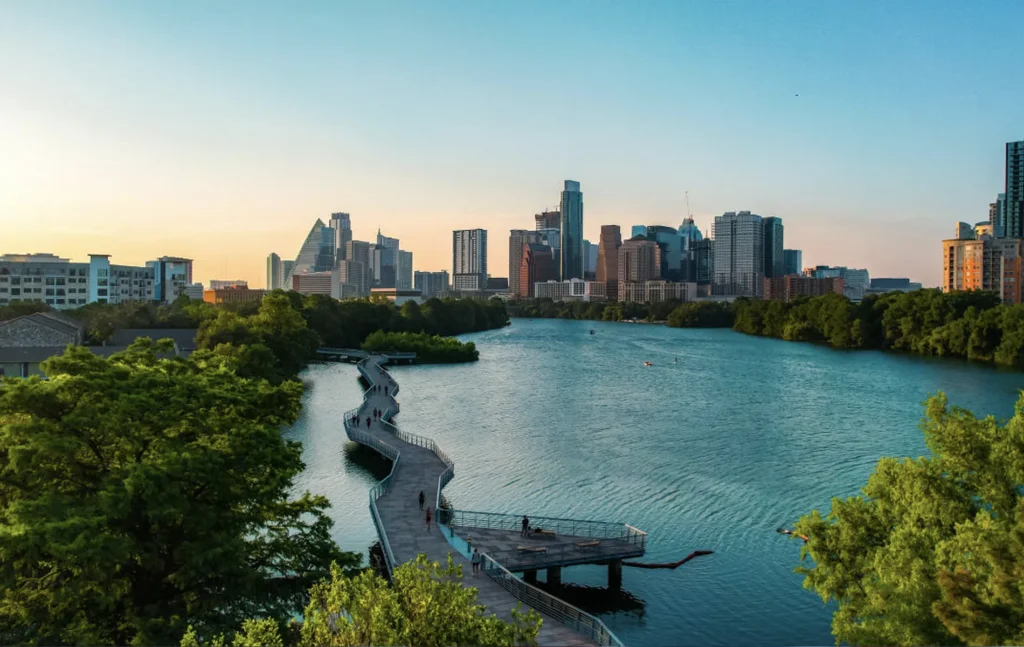
If you want a calmer start to your race day, Austin’s outdoor spaces are ideal. Lady Bird Lake is one of the city’s best-loved areas, with waterfront trails, skyline views, and the option to rent a kayak or paddleboard for a gentler morning before the track takes over your day.
Zilker Park and the Barton Creek Greenbelt are also excellent options if you want trees, open space and a bit of breathing room before the crowds and noise of COTA.
Best for: Walks, fresh air and resetting before race-day intensity
South Congress, East Austin & the City’s Quirky Side
Austin’s personality really comes through in areas like South Congress and East Austin, where colourful murals, local markets, independent shops and characterful bars make wandering around feel like an attraction in itself.
If you want something a little stranger, Austin has you covered there too. Places like the Cathedral of Junk capture the city’s creative, offbeat instincts better than any slogan ever could.
Best for: Murals, local culture, browsing and understanding why Austin has the reputation it does
Sport Culture & the University of Texas
Austin is not only about music and food. If you want to tap into another side of Texan sporting life, spend some time around the University of Texas campus. Even outside game day, there is a strong sense of scale and significance around college sports here, and the stadium alone is worth seeing.
Best for: Sports fans and anyone curious about a very American kind of atmosphere
Nightlife, Live Music & Sixth Street
Austin’s nickname as the Live Music Capital of the World is not just marketing. Once the circuit action is done, the city keeps going. Sixth Street, South Congress, the Red River District and Rainey Street all offer different versions of Austin after dark, from full-throttle bar energy to converted bungalows, rooftops and smaller live venues.
That means the United States Grand Prix can keep going long after the cars stop. In Austin, the after-hours part of the weekend is a genuine draw rather than an afterthought.
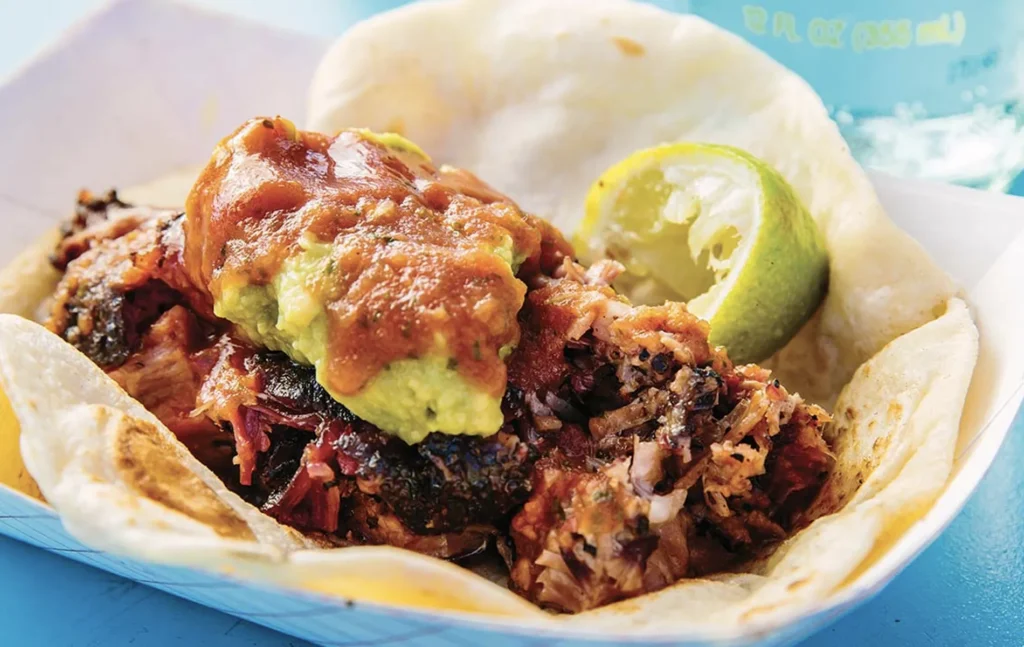
Food & Drink
Austin’s food scene is as confident as the race weekend itself: bold, varied and a little bit excessive in all the right ways.
- Barbecue is non-negotiable — slow-cooked brisket, ribs and smoked meats are central to the Austin experience, and local favourites such as Franklin Barbecue and La Barbecue are as much a part of the city’s identity as the music scene.
- Breakfast tacos matter — in Austin, they are not just a snack, they are a proper institution. Eggs, cheese, jalapeños and salsa make for a very good start to a race day.
- Food trucks are everywhere — from barbecue to Tex-Mex to more experimental fusion ideas, Austin’s food-truck culture is one of the easiest ways to eat well without overplanning.
- Cool down properly — local craft beer, frozen margaritas, homemade ice cream and even a slice of pecan pie all have their place after hours in the Texas heat.
One of the best things about Austin is that the food never feels separate from the rest of the city. It is all tied into the same easygoing culture of patios, music, queues worth joining, and locals who care a great deal about where you should be eating next.
Weather & Climate
The United States Grand Prix takes place in October, by which point Austin is usually past the worst of its extreme summer heat — but that does not mean cool conditions.
- Typical temperatures: Mid-20s°C (around 75–80°F)
- Conditions: Often warm and sunny, though daily changes are possible
- Trackside reality: COTA has very little cover from the sun or rain
That means it is worth planning for both heat and changing weather. Sunscreen, water and comfortable clothing matter, but a light extra layer or rain protection is not a bad idea either if the forecast shifts.
Essential Travel Information
| Category | Details |
|---|---|
| Language | English & Spanish |
| Currency | US Dollar (USD) |
| Time Zone | UTC -6 / -5 |
| Electricity | 120V/60Hz, North American plugs |
| Population | ~1 million in Austin city, ~2.5 million metro |
Final Thoughts
Austin is one of Formula 1’s strongest modern destination weekends. COTA has a look and feel all of its own, the circuit delivers some of the best spectator views on the calendar, and the city adds far more than just a convenient base. Between the live music, the food, the energy downtown and the scale of the event itself, the United States Grand Prix feels unmistakably American without ever losing its Formula 1 identity.
Whether you are there for Turn 1, the observation tower, the barbecue, the nightlife or simply to experience Formula 1 in Texas, the United States Grand Prix is a weekend that earns its reputation as one of the most entertaining trips of the season.
Other F1 Travel Guides
Planning on heading to more than one F1 race weekend? We’ve got you covered with all the tips and tricks needed to enjoy your next Formula One Grand Prix adventure from Australia to Abu Dhabi.
Seen in: