





































Suzuka is one of Formula 1’s spiritual homes, a circuit where championships have been decided, legends are forged, and fans bring a unique energy you simply won’t find anywhere else.
Located in Mie Prefecture, Japan, the Suzuka Circuit is more than just a race track. Built by Honda as a test facility, it has evolved into one of the most revered and challenging layouts in motorsport, remaining largely unchanged for decades.
Japanese Grand Prix
Suzuka International Racing Course
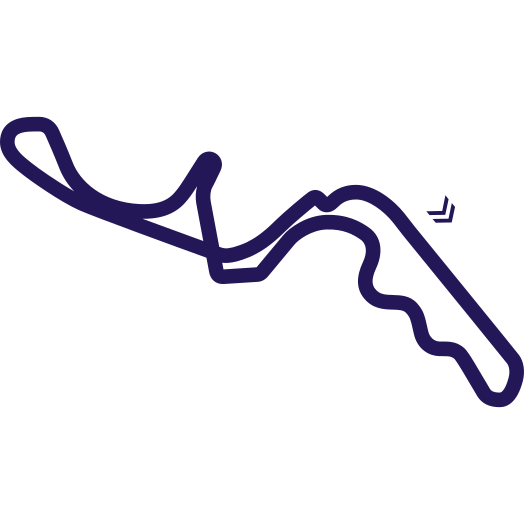
Laps 52
First Grand Prix 1987
Circuit Length 5.281 km
Race Distance 301.664 km
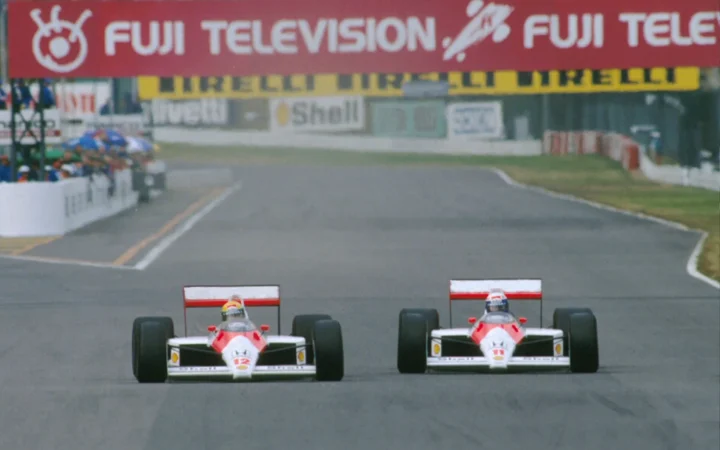
From the iconic S Curves to the flat-out bravery test of 130R, Suzuka demands precision and courage. It’s also the site of some of F1’s most dramatic moments, including the infamous clashes between Ayrton Senna and Alain Prost in 1989 and 1990, Damon Hill’s title triumph in 1996, and Michael Schumacher securing Ferrari glory in 2000.
But what really sets Suzuka apart isn’t just the track, it’s the fans. Japanese spectators are famously passionate, creative, and deeply knowledgeable. Expect elaborate costumes, handmade tributes, and a welcoming atmosphere that makes every visitor feel part of something special.
Japanese Grand Prix: What Makes Suzuka Special
Suzuka is one of the few figure-eight circuits in the world, giving it a rhythm unlike any other on the F1 calendar. Drivers talk about the flow of the track, a sequence of corners that rewards commitment and punishes mistakes.
See also…
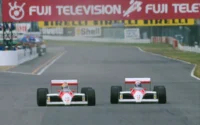

Corners like the Esses demand finesse, while Degner and Spoon test balance and bravery. Then comes 130R, one of the most famous high-speed corners in motorsport.
Watching modern F1 cars attack this circuit is a spectacle in itself. Even in an era of evolving tracks, Suzuka remains gloriously old-school.
F1 Spectator Tips for Suzuka
- Ride the Ferris Wheel early
One of Suzuka’s most iconic features offers panoramic views of the circuit. Go on Friday or Saturday to avoid long queues. - Plan your food strategy
Queues can get long during peak times. Bringing your own bento or eating early is a smart move. - Learn a few Japanese phrases
English isn’t widely spoken, but locals are incredibly helpful. Even basic phrases go a long way. - Expect crowds — and embrace them
Suzuka is busy, especially on race day, but the atmosphere is part of the magic. - Consider alternative accommodation
Hotels in Nagoya fill quickly. If you’re stuck, try a ‘manga kissa’ (24-hour internet café) — surprisingly comfortable and very affordable.
Getting to Suzuka Circuit
Suzuka is well-connected despite its relatively small size.
- Nearest major hub: Nagoya
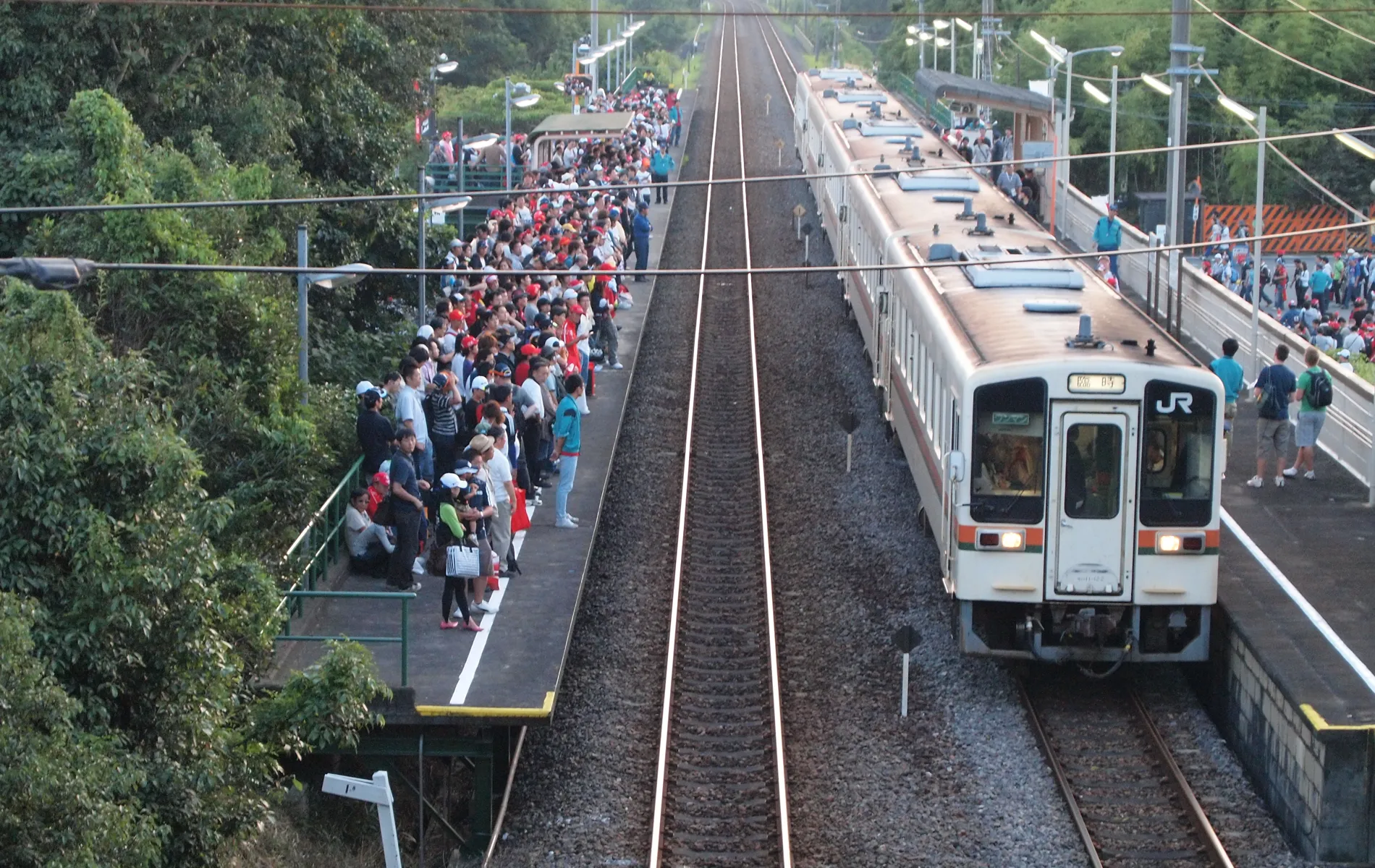
- Main access station: Shiroko Station (with shuttle buses)
- Closest station: Suzuka Circuit Ino Station (1.5km walk)
From Nagoya, the journey takes around 45–60 minutes depending on your route. Shuttle buses run frequently during the Grand Prix weekend, though queues can build, so arrive early.
Parking near the circuit is limited and must be booked in advance.

Things to Do Near Suzuka
Toyota Kaikan Museum
A must-visit for automotive fans. Located near Toyota City, this museum showcases cutting-edge technology, concept cars, and future mobility innovations. Factory tours offer a rare look inside a working production line and must be booked in advance.
Travel time: ~1 hour 30 minutes from Nagoya
Entry: Free
Hours: 9 am–5 pm (weekdays)
Toyota Commemorative Museum of Industry and Technology
Dive into Japan’s industrial heritage, from early textile machinery to modern automotive engineering. The Automobile Pavilion is the highlight, featuring working production equipment and historic vehicles.
Location: Near Nagoya Station
Entry: ¥500
Hours: 9:30 am–5 pm
Kyoto (Kansai Region)
If you’re extending your trip, Kyoto offers a completely different experience. Think temples, gardens, and traditional culture — a peaceful contrast to race weekend intensity.
Travel time: ~1.5 hours from Nagoya
Osaka: Dotonbori & Shinsaibashi
For nightlife, Osaka delivers. Neon lights, street food, and buzzing crowds make it one of Japan’s most exciting cities after dark.
Food & Drink
Japan is one of the world’s great food destinations, and Suzuka is no exception.
- Unagi (freshwater eel) is a local speciality — often served over rice in a rich, savoury glaze.
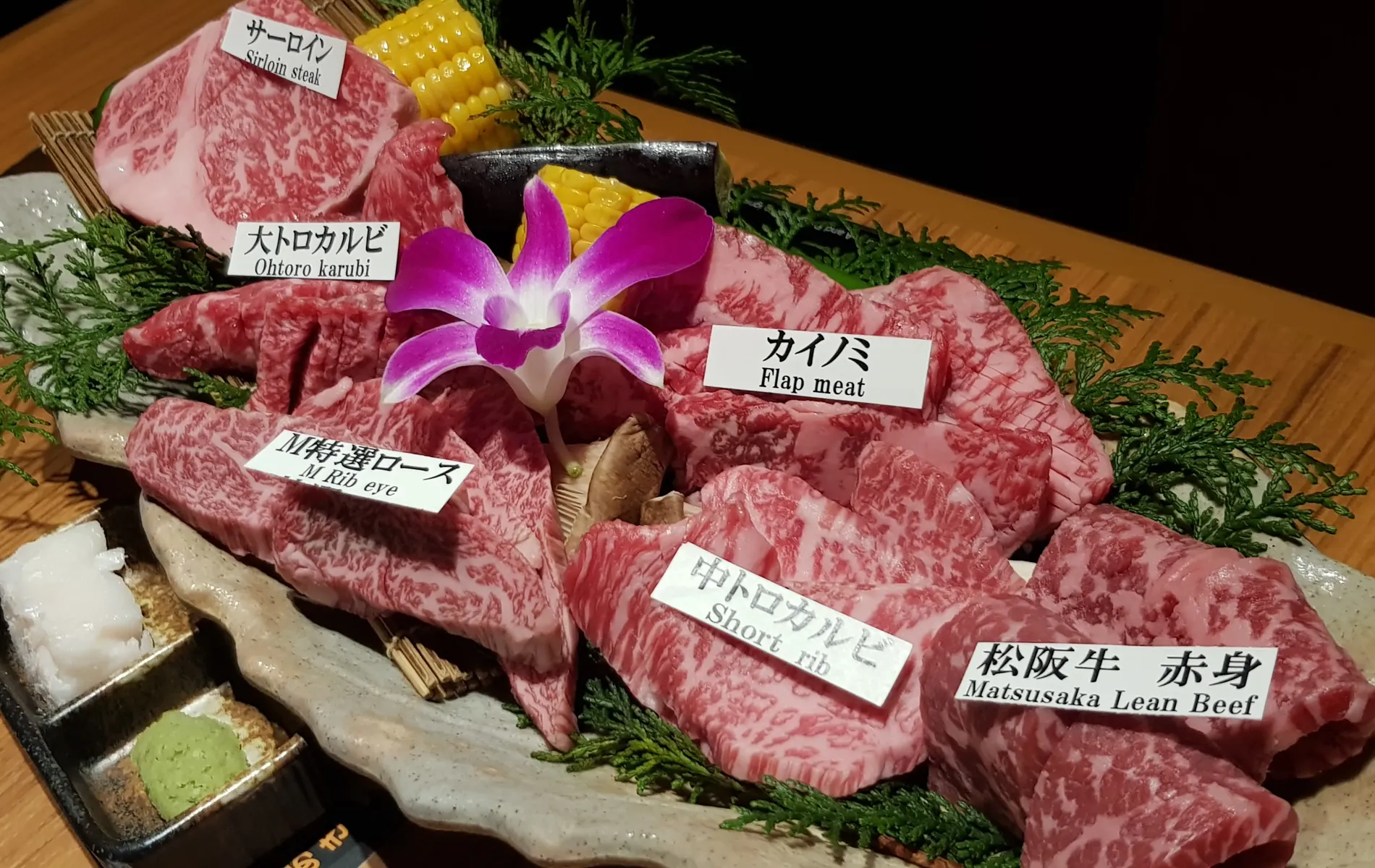
- Matsusaka beef, one of Japan’s premium wagyu varieties, is renowned for its tenderness and flavour.
- Street food in nearby cities like Osaka offers everything from takoyaki to okonomiyaki.
Even casual meals are crafted with care, making food a highlight of any trip.
Weather & Climate
The Japanese Grand Prix now takes place in late March, marking the transition from winter to spring.
- Average highs: 14–17°C
- Average lows: 6–8°C
- Conditions: Mild but breezy, with possible light rain
Layers are essential. It can feel warm in the sun but chilly in the wind.
Essential Travel Information
| Category | Details |
|---|---|
| Language | Japanese |
| Currency | Yen (JPY) |
| Time Zone | UTC +9 |
| Electricity | 100V, Type A/B plugs |
| Population | ~200,000 |
Final Thoughts
Suzuka isn’t just another race on the calendar; it’s an F1 fan pilgrimage.
Between its historic layout, unforgettable racing moments, and one-of-a-kind fan culture, the Japanese Grand Prix offers an experience every Formula 1 fan should have at least once.
Whether you’re there for the racing, the atmosphere, or to explore Japan itself, Suzuka delivers something honestly special.
Seen in: