
























Formula 1’s move to Madrid gives the Spanish Grand Prix an entirely new identity, a brand-new city circuit in one of Europe’s great capitals, built for easy access, big-event energy, and a very different kind of race weekend from Barcelona.
The 2026 Formula 1 season sees the Spanish Grand Prix move to Madrid for the first time in the World Championship era since 1981. Rather than reviving a historic venue, organisers have introduced an all-new circuit centred around IFEMA Madrid, bringing Spain’s headline race into the heart of a globally connected capital city.
Spanish Grand Prix
Circuito IFEMA Madrid “Madring”
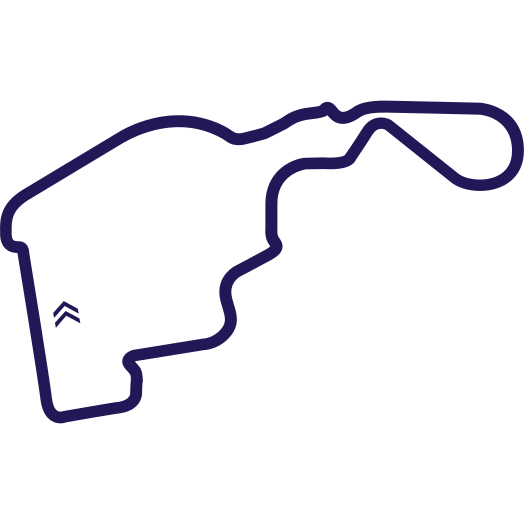
Laps 57
First Grand Prix 2026
Circuit Length 5.474km
Race Distance 307.236 km (190.908 miles)
That shift says a lot about where modern Formula 1 is heading. Madrid offers international transport links, a major airport, extensive public transport, and all the culture, nightlife and hospitality you would expect from one of Europe’s biggest city-break destinations. For fans, that means a Grand Prix weekend that should feel logistically easier than many races on the calendar.
Of course, the move also brings debate. Plenty of fans will always prefer the old-school character of traditional purpose-built circuits, and Barcelona-Catalunya has long been deeply familiar to teams and spectators alike. But Madrid gives the Spanish Grand Prix something fresh — a new setting, a new atmosphere, and the chance to experience Formula 1 in a city built for major events.
If you are heading to the inaugural Madrid edition, planning matters. Where you stay, how you get to IFEMA, what type of ticket you choose and what the September weather will actually feel like all make a difference. This guide covers the essentials.
Spanish Grand Prix: What Makes Madrid Special
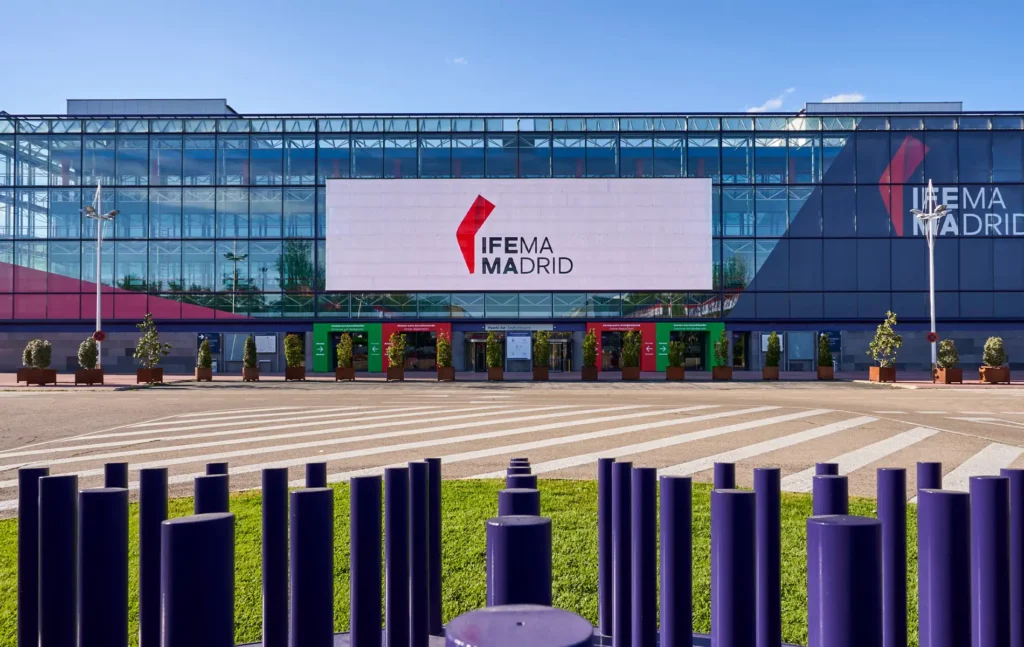
Madrid’s biggest advantage is location. The circuit is built around the IFEMA Madrid exhibition centre, which anchors the race inside the city’s existing infrastructure rather than far beyond it. That gives the Spanish Grand Prix one of the strongest logistical foundations of any race on the calendar.
See also…
It is close to Adolfo Suárez Madrid-Barajas Airport, well connected to the city centre, and reachable by metro, Renfe commuter rail, bus and taxi. For travelling fans, that means less stress about race-day travel and more flexibility in choosing where to stay.
There is also a wider appeal beyond the circuit itself. Madrid is a city with world-class museums, late-night dining, grand boulevards, excellent public spaces and a rhythm that suits a big sporting weekend. Formula 1 is not arriving in an empty shell here — it is stepping into a city that already knows how to host.
That combination of modern event infrastructure and big-city atmosphere is what makes Madrid intriguing. It may not offer the nostalgic pull of some older venues, but it should deliver convenience, energy and a distinctly urban version of the Spanish Grand Prix experience.
F1 Spectator Tips for Madrid
- Use public transport wherever possible
IFEMA’s location makes metro and rail the smartest options for most fans, especially if you are staying centrally. - Choose your ticket tier carefully
Madrid’s grandstands are organised by rating, so think about whether you value budget, comfort, shade or a more premium overall experience. - Do not underestimate the sun
September in Madrid is usually warm and bright, with long periods of direct sunshine across the day. - Covered seats are worth considering
Silver Plus and most Gold options offer cover, which can make a real difference in the afternoon heat. - Stay central if you want the full city experience
Areas around Gran Vía and central Madrid make it easy to combine race-day travel with evenings out in the city.
Getting to IFEMA Madrid
Getting to the Madrid circuit should be one of the race’s strongest selling points.
- Nearest airport: Adolfo Suárez Madrid-Barajas Airport
- Circuit hub: IFEMA Madrid exhibition centre
- Approximate public transport time from Gran Vía: 45 minutes
Fans will be able to use Madrid’s metro network, Renfe commuter trains, buses and taxis to reach the circuit area. That makes the Spanish Grand Prix one of the more straightforward urban race weekends on the calendar, particularly for visitors already used to navigating European capitals by public transport.
If you are staying downtown, the journey from central areas like the Gran Vía to IFEMA takes roughly 45 minutes on public transport. That means you can comfortably base yourself in the heart of Madrid and still get to the track without needing a rental car.
For most visitors, that will be the best of both worlds: city-centre hotels, restaurants and nightlife after the sessions, then a relatively simple trip out to the circuit the next day.
Things to Do Near Madrid
Gran Vía & Central Madrid
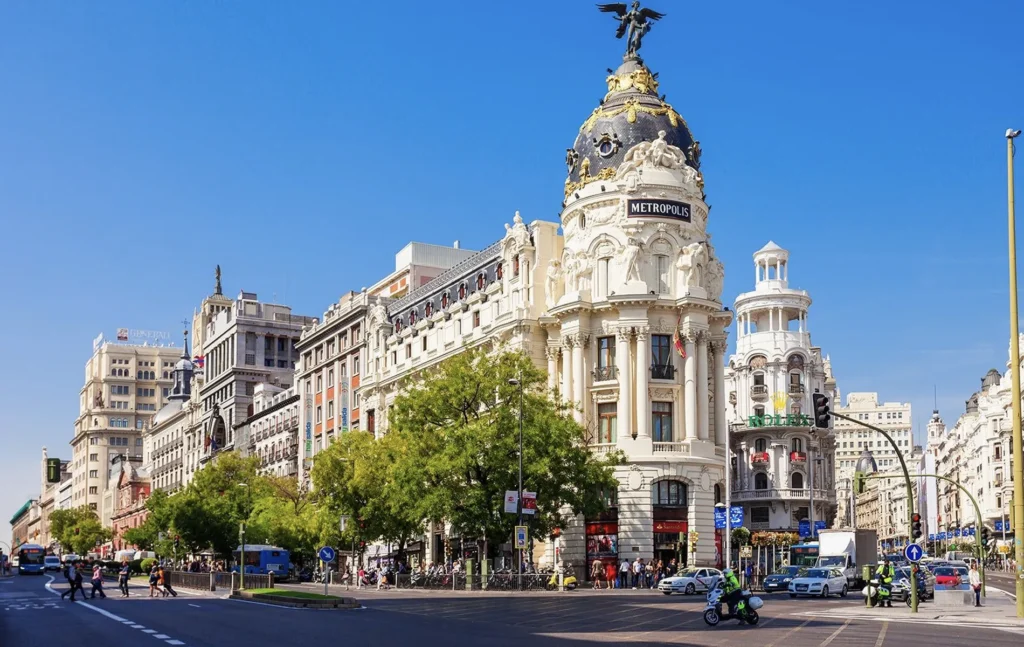
If you are basing yourself downtown, central Madrid is an attraction in its own right. Gran Vía offers grand architecture, major hotels, theatres, shopping, and plenty of late-night energy, making it one of the most practical and enjoyable places to stay during Grand Prix weekend.
Best for: Convenience, nightlife and easy access to transport
Prado, Reina Sofía & Thyssen
Madrid is one of Europe’s great museum cities, so if you arrive early or want a break from the racing intensity, the city’s major art institutions are obvious additions. The Prado, Reina Sofía and Thyssen-Bornemisza together make up one of the strongest cultural line-ups anywhere on the Formula 1 calendar.
Best for: Art, culture and adding substance to the race weekend
Retiro Park
If the city heat starts to build, Retiro Park is one of the best places to slow the pace. Its tree-lined walks, boating lake and open spaces provide a useful reset before another long day in the grandstands.
Best for: Green space, walking and a calmer start to race day
La Latina, Malasaña & Tapas Neighbourhoods
Madrid’s neighbourhood life is a huge part of its appeal. La Latina is excellent for traditional tapas-hopping, while Malasaña offers a younger, livelier atmosphere of bars, cafés and late-night energy. Both are ideal for winding down — or carrying on — after a day at the circuit.

Food & Drink
One of the big advantages of a city race in Madrid is that the food scene is already world-class before Formula 1 even arrives.
- Tapas are essential — race weekend in Madrid should absolutely include hopping between bars for small plates and drinks rather than just sitting down for one long meal.
- Jamón, croquetas and tortilla española are all staples worth seeking out if you want the classic route.
- Late dining is part of the city’s rhythm — Madrid suits Formula 1 weekends because the city is naturally set up for long evenings.
- Central districts offer the widest variety — around Gran Vía, La Latina, Chamberí and Salamanca, you will find everything from casual taverns to more polished dining rooms.
Madrid is also one of the better cities on the calendar for spontaneous eating. Good bars, bakeries, coffee spots and restaurants are everywhere, which makes fitting meals around circuit travel far easier than at more remote venues.
Weather & Climate
September in Madrid should provide warm, dry and mostly race-friendly conditions.
- Average temperature: Around 21°C (70°F)
- Typical highs: Around 28°C (82°F)
- Rain: Infrequent, with roughly 3–6 rainy days across the month
- Sunshine: Around seven hours of direct sun on most days
In practical terms, that means a bright, summer-like atmosphere across race weekend. Wet running is possible but unlikely, while strong afternoon sun is much more likely to shape the spectator experience. Sunscreen, sunglasses and light clothing are all sensible.
Essential Travel Information
| Category | Details |
|---|---|
| Language | Spanish |
| Currency | Euro (EUR) |
| Time Zone | UTC +1 |
| Electricity | 230V/50Hz, European plugs |
| Population | ~3.4 million |
Ticket Tiers at a Glance
| Feature | Bronze | Silver | Silver Plus | Gold |
|---|---|---|---|---|
| Seating | Numbered bleachers | Reserved seating | Reserved seating | Comfortable reserved seating |
| Coverings | Not covered | Not covered | Covered | Covered* |
| Views | Giant screens | Giant screens | Giant screens | Giant screens |
| Amenities | Food and beverage areas | Food and beverage areas | Food and beverage areas | Food and beverage areas |
With 16 grandstand options and general admission, Madrid offers a wide range of ticket choices. The tier system makes comparisons relatively simple, especially if your decision comes down to balancing cost against shade and comfort.
Final Thoughts
The move to Madrid gives the Spanish Grand Prix a completely new feel. It may not have the traditional circuit heritage of Barcelona-Catalunya, but it offers something modern Formula 1 values enormously: direct access, a major global city, and a race weekend built around convenience as much as spectacle. For fans, that could make Madrid one of the easier and more enjoyable European Grand Prix to attend.
Whether you are going for the novelty of the new circuit, the ease of IFEMA’s location, or simply to pair Formula 1 with a long weekend in one of Europe’s best capitals, Madrid’s first modern Spanish Grand Prix already looks like one of 2026’s most interesting additions.
Other F1 Travel Guides
Planning on heading to more than one F1 race weekend? We’ve got you covered with all the tips and tricks needed to enjoy your next Formula One Grand Prix adventure from Australia to Abu Dhabi.
Seen in: