Formula 1 is a sport shaped by legends, but not every great driver is defined by victory. Since the world championship began in 1950, countless extraordinary talents have lined up on the grid with the speed, intelligence and skill expected of future winners—yet circumstances, reliability, timing and politics have often denied them that defining achievement. The history of F1 is filled with drivers who dazzled with pace, led races convincingly, changed teams’ fortunes and captured the imagination of fans, but never once stood atop the podium.
What To Know?
- Nick Heidfeld – the benchmark of consistency: With 13 podiums and eight second-place finishes, Heidfeld remains the most successful driver in F1 history without a win. His technical input was pivotal to BMW Sauber’s development and laid foundations for their late-2000s rise.
- Chris Amon – the ultimate case of cruel timing: Amon’s speed was unquestionable, but reliability failures, tyre issues and strategic misfortune cost him multiple likely victories. Many historians regard him as the best F1 driver never to win a Grand Prix.
- Nico Hülkenberg – the modern prototype of elite midfield talent: Known for extracting peak performance from unstable cars, Hülkenberg has delivered exceptional qualifying laps and race drives across multiple eras—yet narrowly missed the breakthrough podium opportunities he fought for.
- Stefan Bellof – brilliance taken too soon: Bellof’s raw speed stunned contemporaries in both Formula 1 and sportscars. His legendary Nordschleife exploits and flashes of F1 heroics left a sense that a future world champion had been lost to time.
- Martin Brundle – a legacy beyond statistics: Although results never aligned for a victory, Brundle’s career remains celebrated—not only for podium-worthy speed, but for becoming one of the defining voices of modern Formula 1 broadcasting and analysis.
Like those drivers who crossed the line first but didn’t win the race, in many cases, these winless greats competed in eras of mechanical fragility, huge performance gaps between teams, or dominant dynasties that choked every opportunity for the midfield to break through. Others were victims of bad luck or were cruelly denied victories that seemed inevitable. Yet all left a lasting mark on the sport—whether through development expertise, electric qualifying speed, heroic defensive drives, or iconic performances outside F1.
Nick Heidfeld
13 F1 podiums – Best GP finish: 2nd (x8)
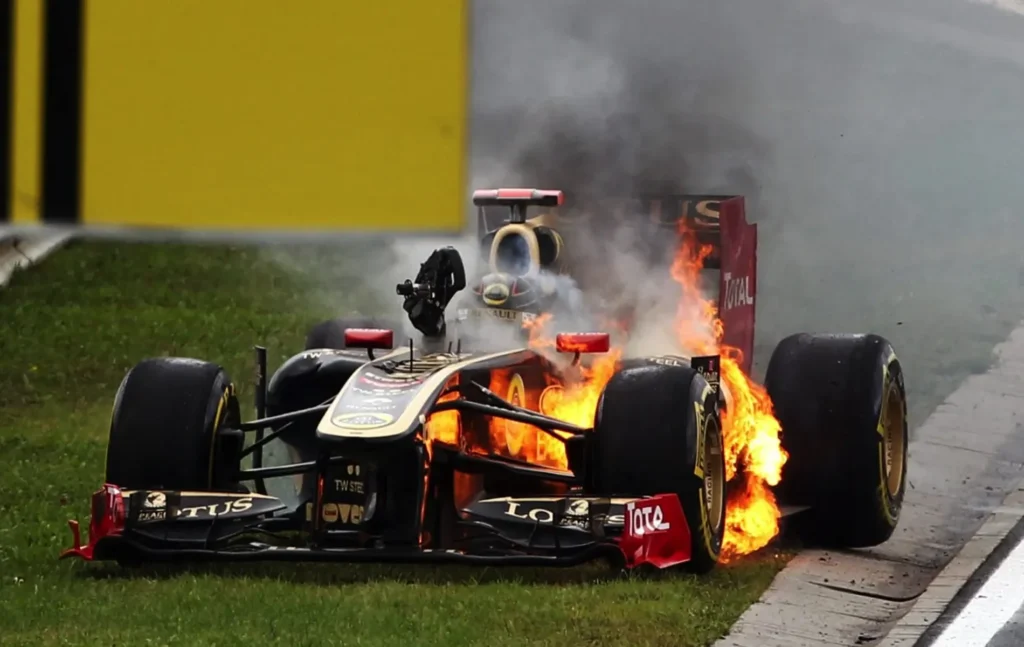
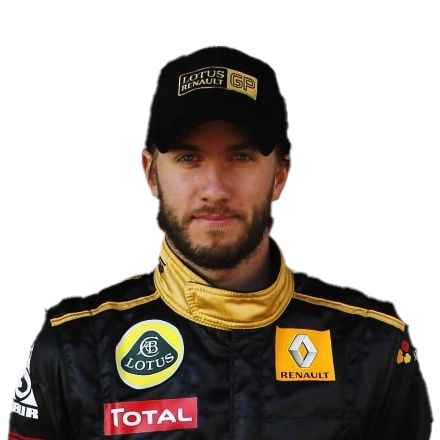
Nick Heidfeld’s Formula 1 career is often defined by remarkable consistency and agonising near-misses. With 13 podiums and eight second-place finishes, he regularly maximised machinery that was seldom capable of genuine race-winning pace. In the high-pressure environment of the BMW Sauber era, Heidfeld became a benchmark for technical feedback and tyre management, earning deep respect within the paddock as a methodical racer whose calm temperament helped carry programmes forward.
Nick Heidfeld
F1 Debut 2000 Australian Grand Prix
Current/Last Team Renault
To modern fans, Heidfeld represents the modern F1 archetype of the “quiet cornerstone”: the driver whose data work and race intelligence elevate the team even without headline victories. His career serves as a reminder that results on paper don’t always reflect a driver’s competitive value within a factory project. He may not have stood on the top step of the podium, but his influence helped build the platform for one of the strongest independent team periods of the late 2000s.
Derek Bell
5 Le Mans 24 Hour wins – Best GP finish: 6th
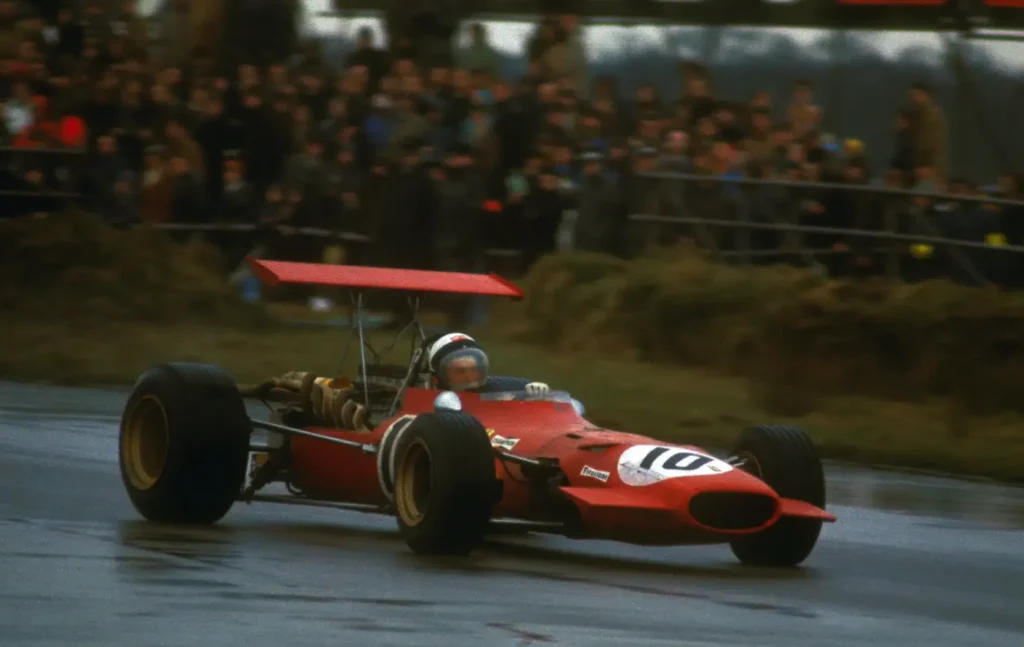
Derek Bell’s Formula 1 results are modest on the surface, with a best finish of sixth, yet they conceal a driver of immense adaptability and mechanical sympathy. His single-seater career unfolded during a volatile period of technical experimentation and fragile reliability, particularly within smaller privateer teams. Bell was often entrusted with making the best of uncompetitive packages, gaining an invaluable understanding of car balance, tyre behaviour, and evolving chassis philosophies.
Derek Bell
F1 Debut 1968 Italian Grand Prix
Current/Last Team Surtees
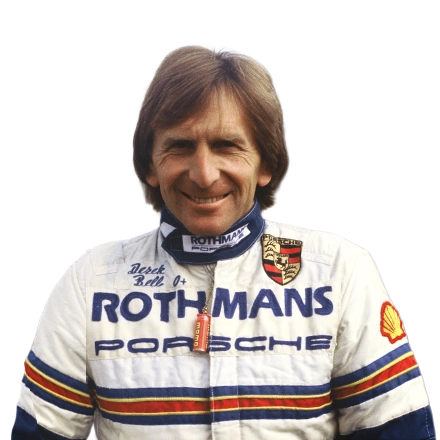
Bell represented the purest link between Formula 1 and the greatness of endurance racing. His later dominance at Le Mans—five victories across multiple eras—underscores qualities current fans increasingly admire (just look at Max Verstappen‘s recent dance with endurance racing): racecraft, consistency, and the ability to withstand relentless pressure over long stints. While F1 never gave him the hardware his talent merited, sportscar racing enshrined his legacy.
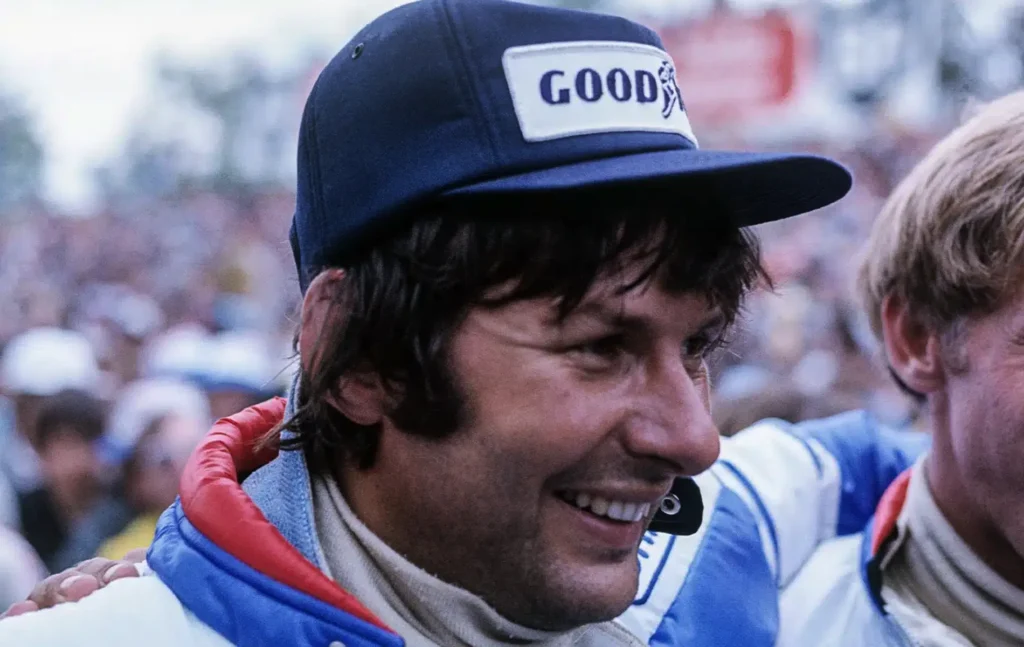
Jean-Pierre Jarier
3 F1 podiums – Best GP finish: 3rd (x3)
Jean-Pierre Jarier arrived in Formula 1 with explosive pace, securing three podiums and becoming known for his outright speed in qualifying trim. His peak performances—particularly in underdog machinery—demonstrated a driver capable of punching well above the expectations of his equipment. Yet technical misfortune and timing often thwarted potential victories, leaving Jarier as one of the era’s most tantalising “what-ifs.”
Jean-Pierre Jarier
F1 Debut 1971 Italian Grand Prix
Current/Last Team Ligier
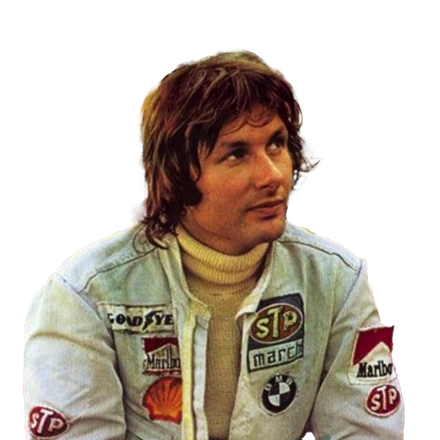
With F1 now dominated by work teams, Jarier’s story is a lesson in how talent can be trapped by circumstance. His career was a razor-thin runway available to midfield challengers: a mechanical gremlin at the wrong moment erasing a season’s defining opportunity. Jarier’s flair, aggression, and raw pace have since earned him a cult following amongst modern F1 history fans.
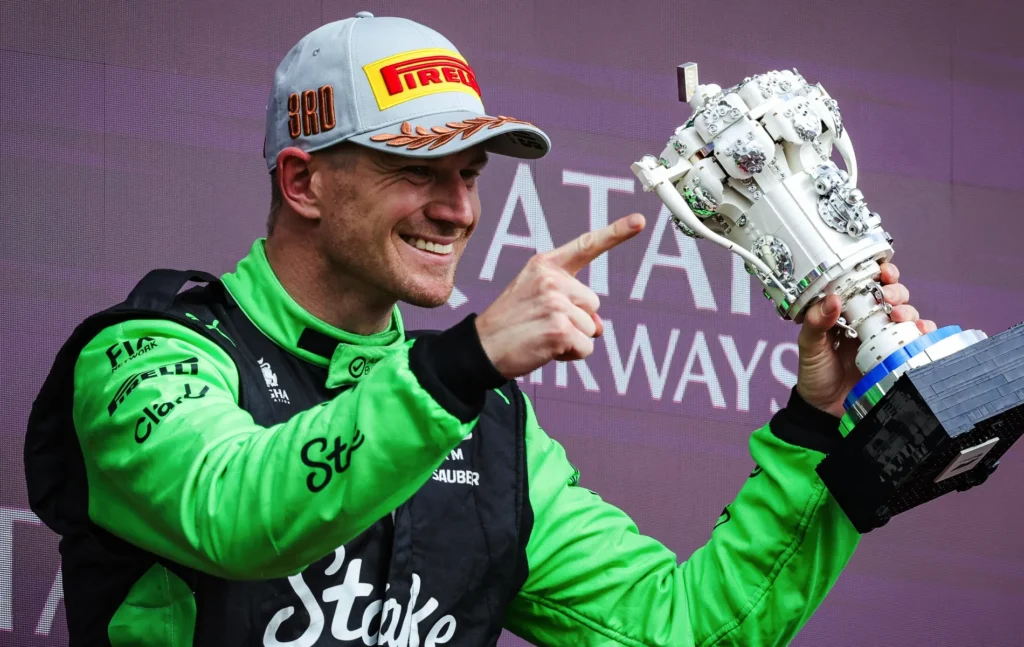
Nico Hülkenberg
Le Mans 24 Hour winner (2015) – Best GP finish: 3rd
Nico Hülkenberg is the modern gold standard of the elite, winless driver—an ever-present measuring stick in Formula 1’s midfield. His 2015 Le Mans 24 Hour victory stands as proof of top-tier talent under endurance pressure, while his F1 record includes standout qualifying laps, podium-shaping drives, and a well-documented ability to extract performance from difficult chassis concepts. His career remains defined by supreme consistency paired with frustratingly timed opportunities.
Nico Hulkenberg
F1 Debut 2010 Bahrain Grand Prix
Current/Last Team Sauber
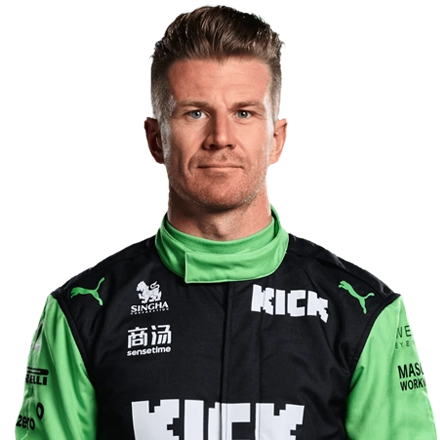
Until 6 July 6 2025, he held an unfortunate distinction — the highest number of Formula One race starts (239) without achieving a podium. Come the 2025 British Grand Prix, he finally secured an F1 podium after starting nineteenth on the grid, with a third-place finish behind Lando Norris in first and Oscar Piastri in second, having been chased down in the closing laps, and holding off a charging Lewis Hamilton in the Ferrari.
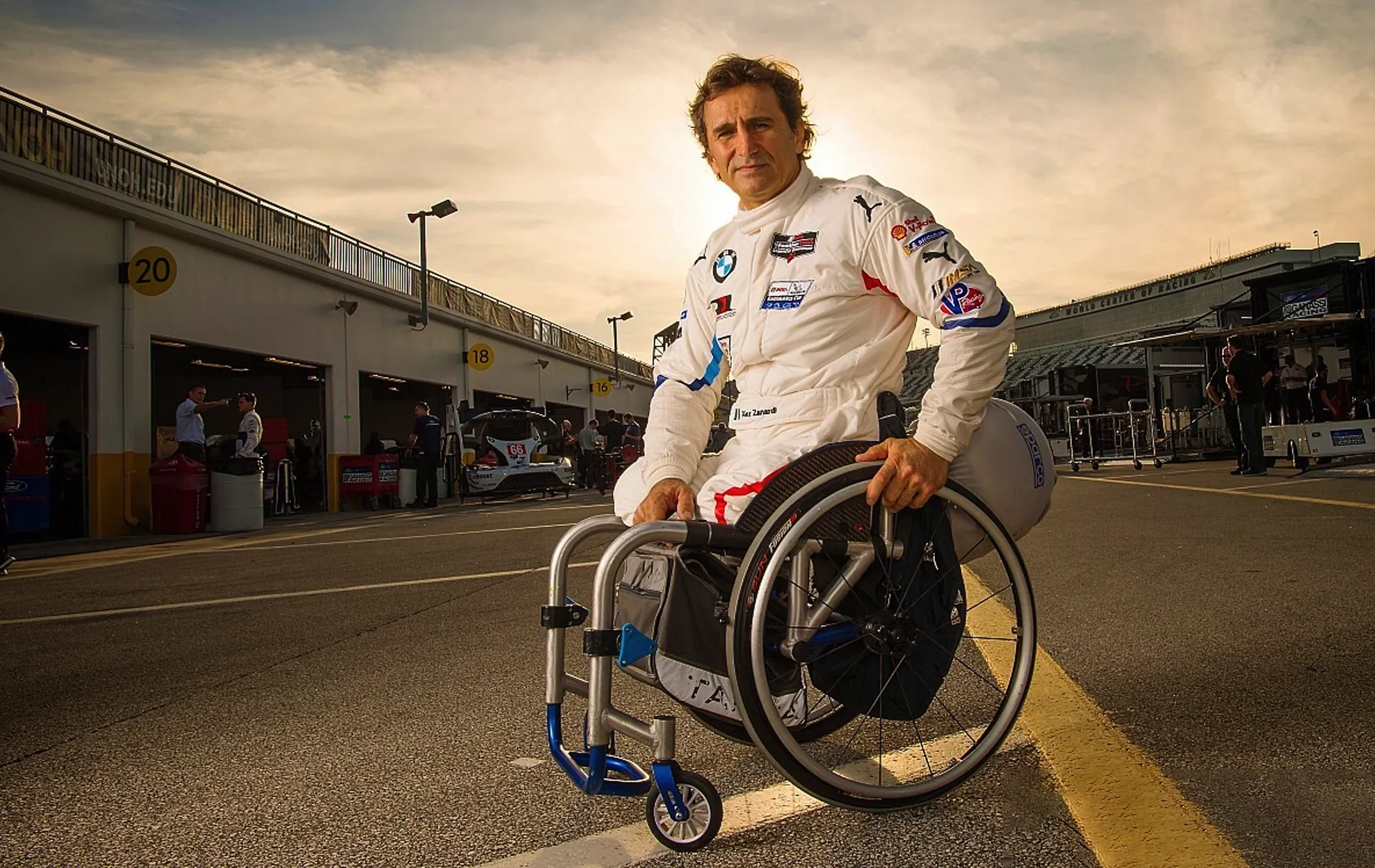
Alex Zanardi
2-time CART champion – Best GP finish: 6th
Alex Zanardi’s Formula 1 tenure is often overshadowed by what he achieved beyond it, yet his best finish of sixth belies exceptional grit. His early F1 years coincided with challenging team environments and difficult machinery, giving him few chances to display the talent that later made him a two-time CART champion. In the United States, his racecraft flourished, revealing the racer many had long suspected he could be.
Alex Zanardi
F1 Debut 1991 Spanish Grand Prix
Current/Last Team Williams
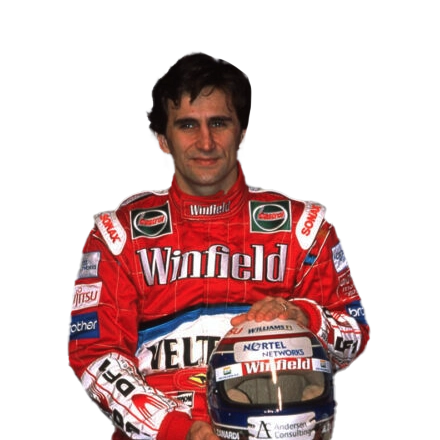
Zanardi’s wider career provides vital context for evaluating drivers across different series. Success in motorsport is not confined to a single category—and his journey is proof that skill and legacy transcend results from one championship. Zanardi is now revered not only for his driving accomplishments, but also for his extraordinary personal courage and influence beyond the cockpit, espeically after a crash on 15 September 2001, during the American Memorial 500 at the EuroSpeedway Lausitz, when Zanardi spun while rejoining the track after a pit stop and was struck broadside by another car. The impact severed both his legs — one at and one above the knee — where he lost nearly 75% of his blood. Miraculously, emergency crews saved his life.
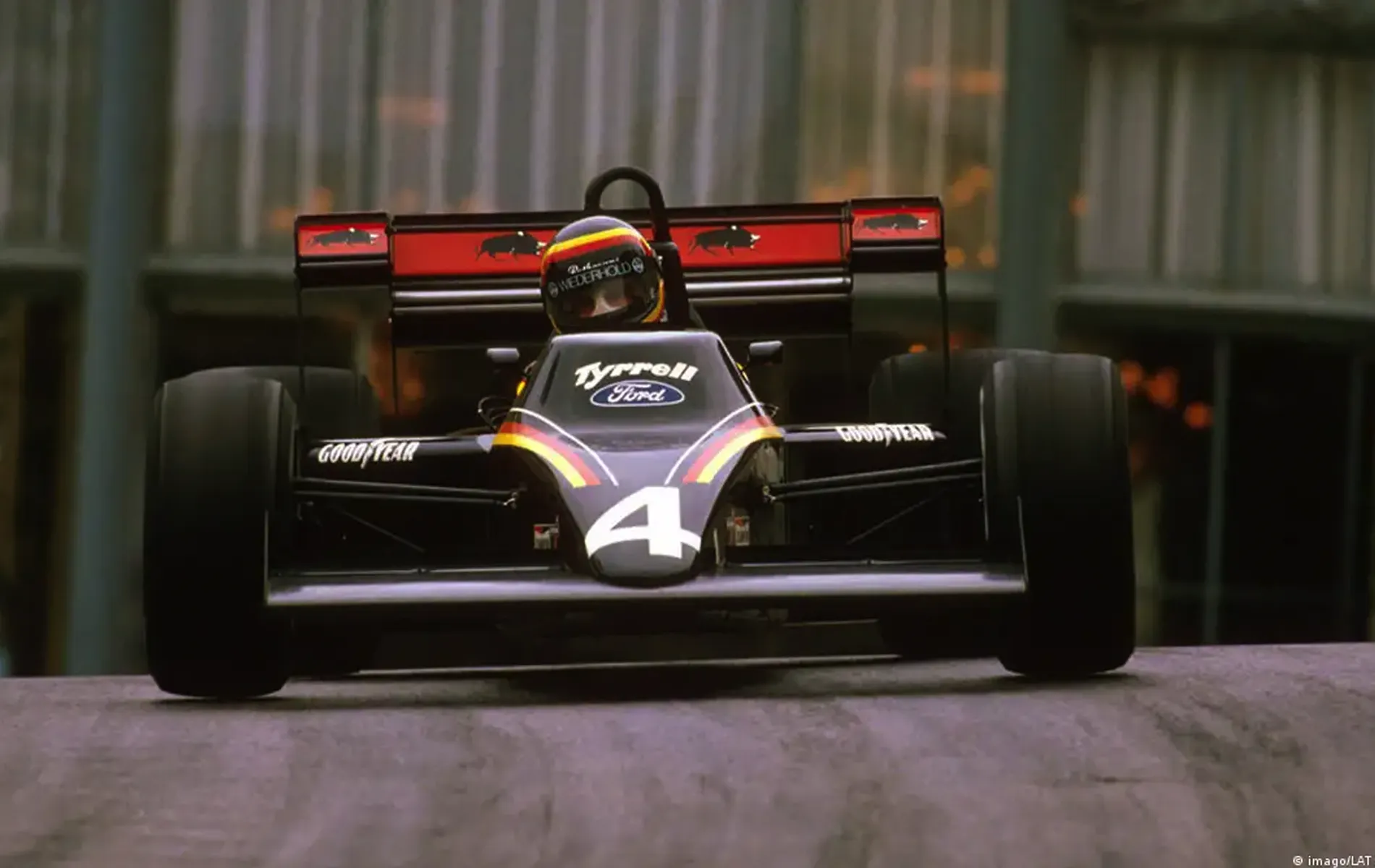
Stefan Bellof
World Sportscar Champion (1984) – Best GP finish: 4th
Stefan Bellof remains one of motorsport’s most powerful lost promises. As World Sportscar Champion in 1984, he stunned the racing world with impossible speed, and his best Formula 1 result of fourth only hints at what might have been possible. His qualifying performances, especially at circuits dominated by commitment, showed flashes of potential greatness.
Stefan Bellof
F1 Debut 1984 Brazilian Grand Prix
Current/Last Team Tyrrell
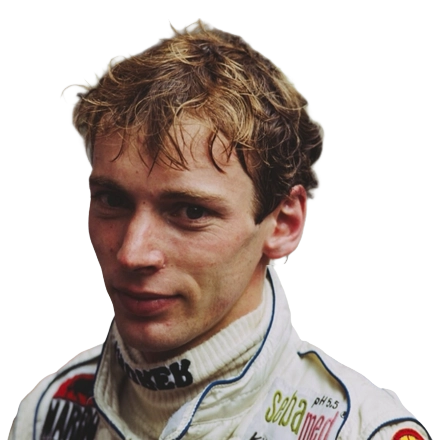
Bellof stands as an almost mythical benchmark of pure car control. His Nürburgring Nordschleife feats are still spoken of with awe. Modern analysis would likely frame his career as trajectory interrupted rather than potential fulfilled, cementing his legacy as one of racing’s brightest flames.
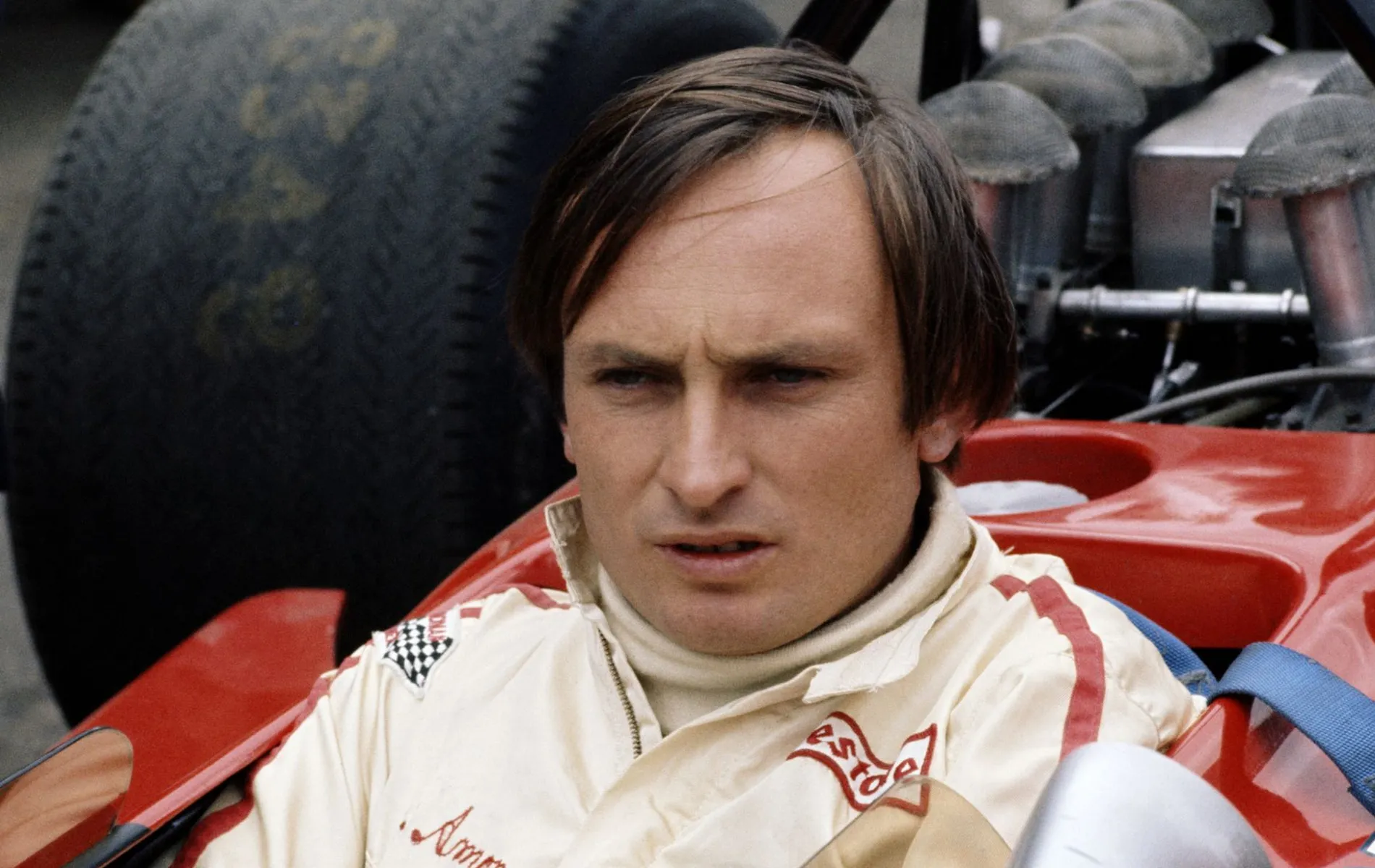
Chris Amon
11 F1 podiums – Best GP finish: 2nd (x3)
Chris Amon is perhaps the most celebrated unlucky driver in Formula 1 history. With 11 podiums and three second-place finishes, he frequently came within touching distance of victory only to be denied by mechanical failure, strategy misfortune, or sheer bad luck. Yet Amon’s raw pace and car development instincts were widely acknowledged across the paddock.
Chris Amon
F1 Debut 1963 Monaco Grand Prix
Current/Last Team Frank Williams Racing Cars
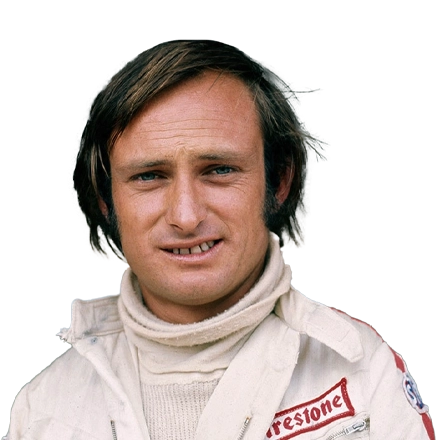
Amon suffered the cruel unpredictability that still shapes Formula 1. Analytics may reduce chance, but racing will always retain an element of chaos. Amon’s career simply never fell his way. His skill was undeniable; fate was less forgiving.
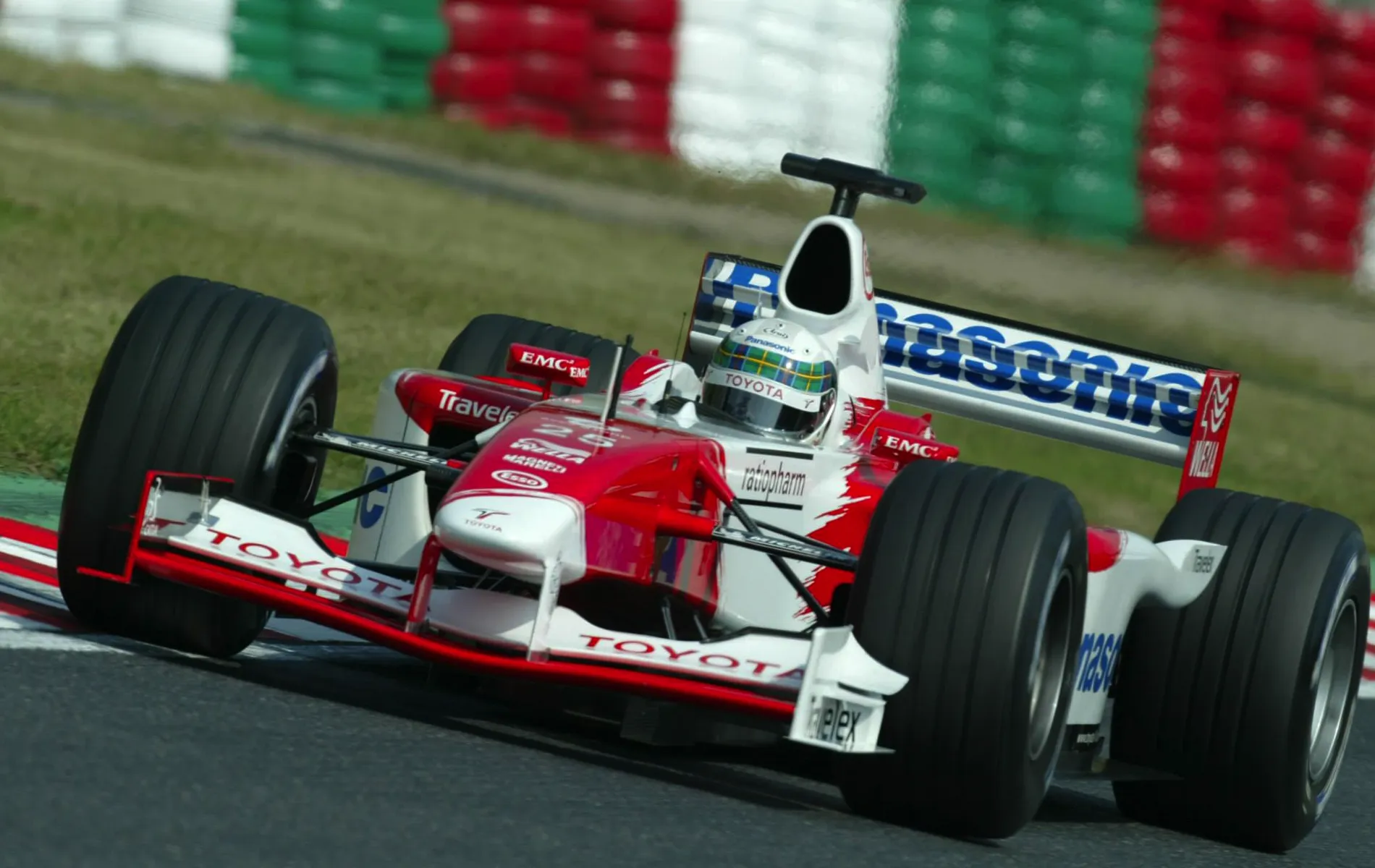
Allan McNish
3 Le Mans 24 Hour wins – Best GP finish: 7th
Allan McNish’s Formula 1 stint may not have produced major results, with a best finish of seventh, but his broader racing résumé tells a deeper story. His early-2000s campaign, undertaken with a developing works programme for Toyota, gave him invaluable exposure to top-class engineering environments while demonstrating his technical communication strengths.
Allan McNish
F1 Debut 2002 Australian Grand Prix
Current/Last Team Toyota Racing
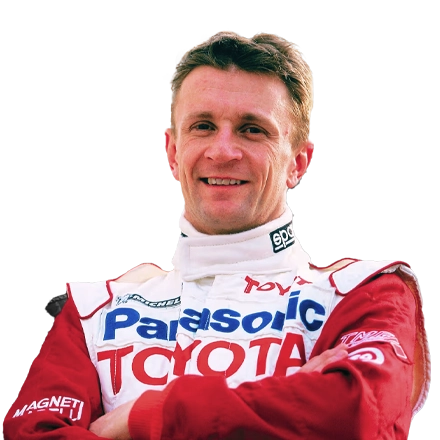
To today’s fans, McNish is one of motorsport’s most versatile figures: a three-time Le Mans 24 Hour winner, factory leader, broadcaster, and team manager. His F1 experience becomes part of a much larger tapestry—one that underscores how championship-winning ability can manifest outside the F1 bubble. He is a vital link between modern F1, WEC, and the hybrid-era philosophy of multi-discipline.
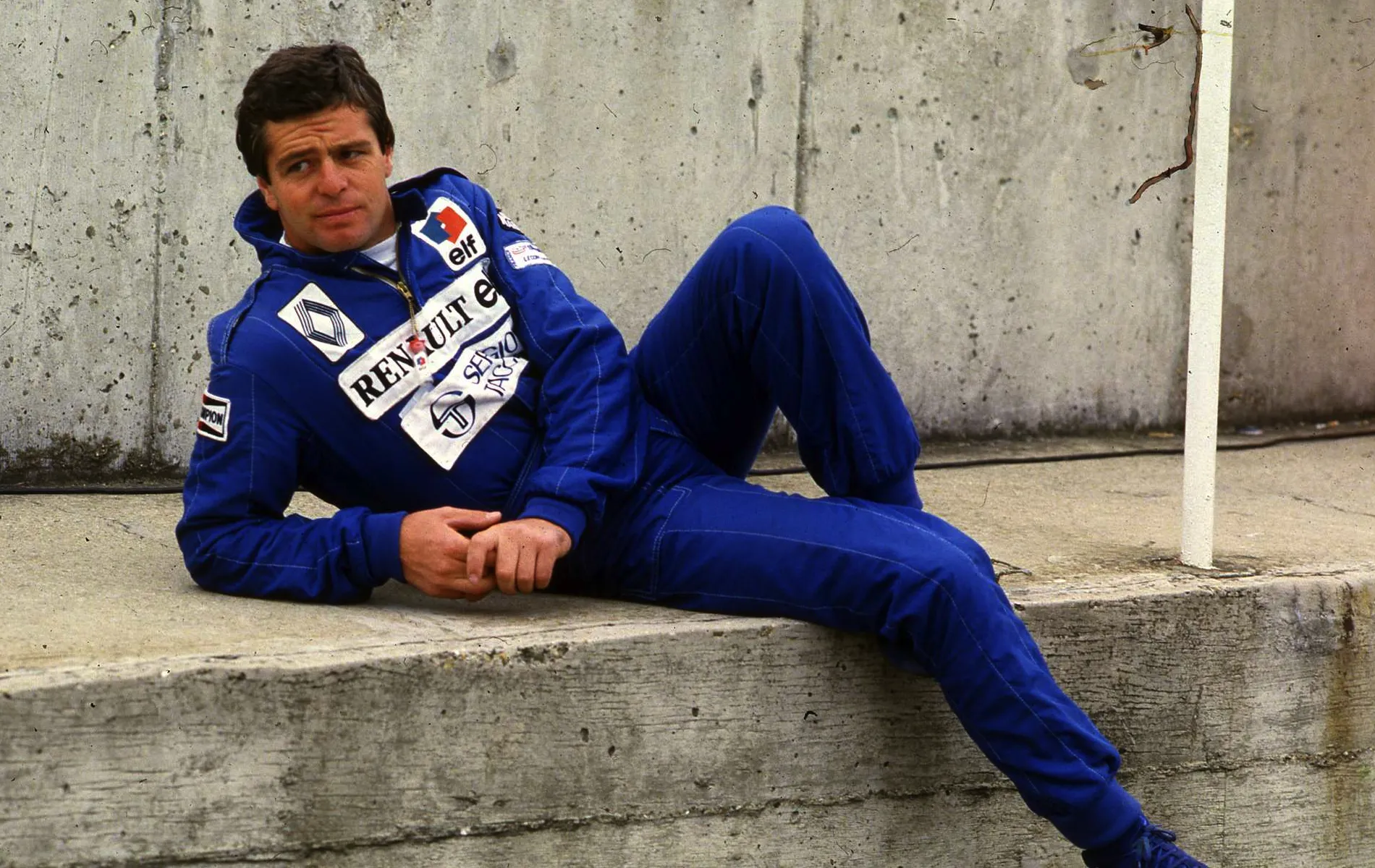
Derek Warwick
Le Mans 24 Hour winner (1992) – Best GP finish: 2nd (x2)
Derek Warwick came painfully close to becoming a Formula 1 race winner, securing two second-place finishes and racing in highly competitive eras. He was respected for his fighting spirit, adaptability and technical feedback, spending much of his career as a key figure in the midfield while enduring inconsistency from the cars beneath him.
Derek Warwick
F1 Debut 1981 San Marino Grand Prix
Current/Last Team Footwork Arrows
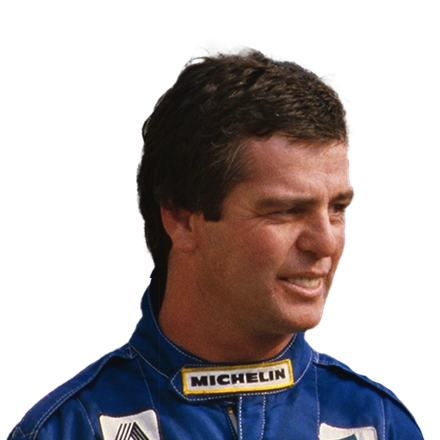
His parallel achievements, such as his 1992 Le Mans victory, reinforced his endurance pedigree. Warwick’s career is a reminder that greatness isn’t always shaped by statistics alone.
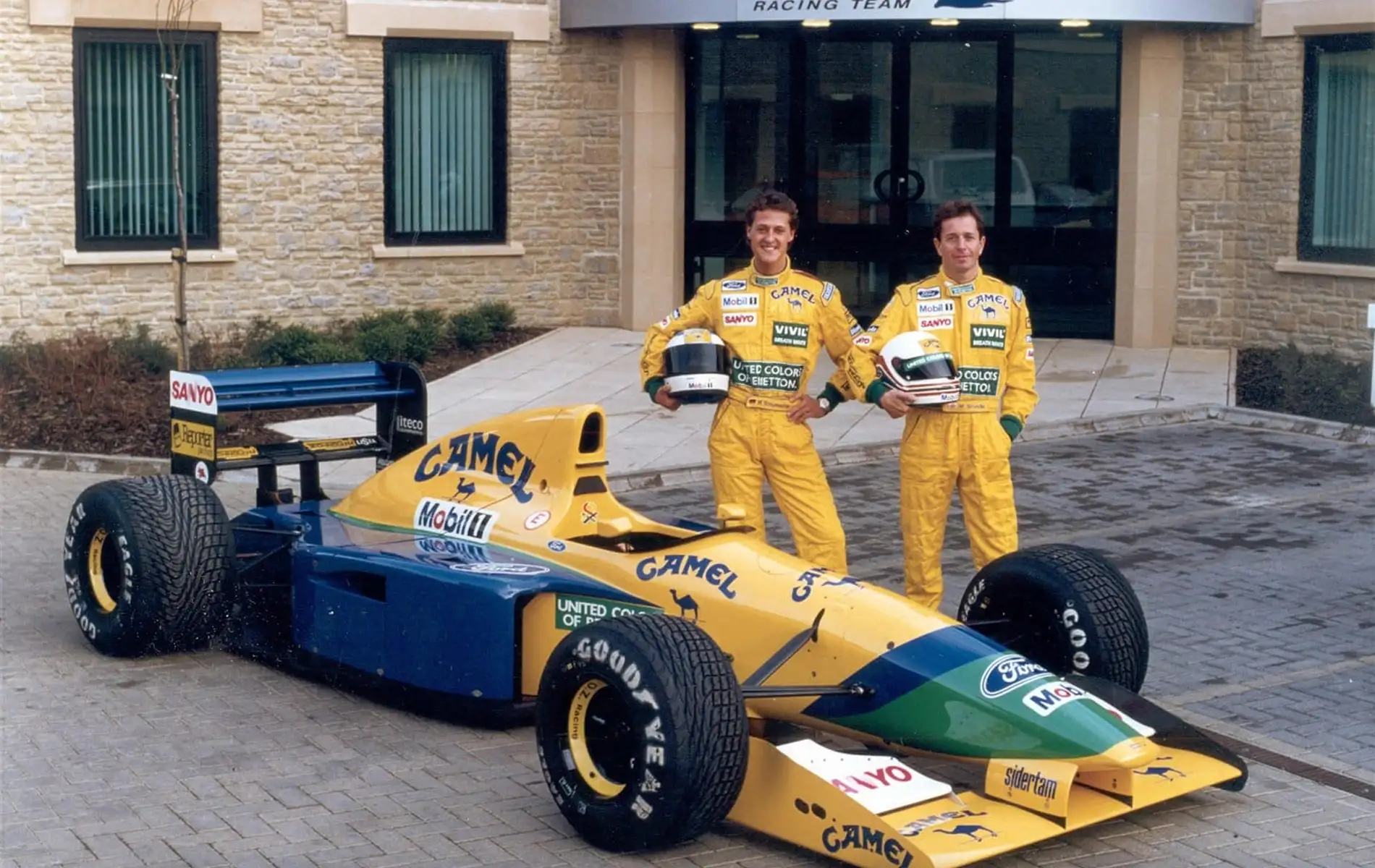
Martin Brundle
Le Mans 24 Hour winner (1990) – Best GP finish: 2nd (x2)
Martin Brundle’s career demonstrates the brutal competitive reality of Formula 1 in the 1980s and 1990s. His best grand prix results—second place twice—illustrate both his capability and the limitations of the machinery at his disposal. A fierce rival of Ayrton Senna in Formula 3, Brundle’s performances in F1 earned him significant respect from engineers and fellow drivers alike, his star dimmed by a crash in F3 before his leap into F1.
Martin Brundle
F1 Debut 1984 Brazilian Grand Prix
Current/Last Team Jordan Grand Prix
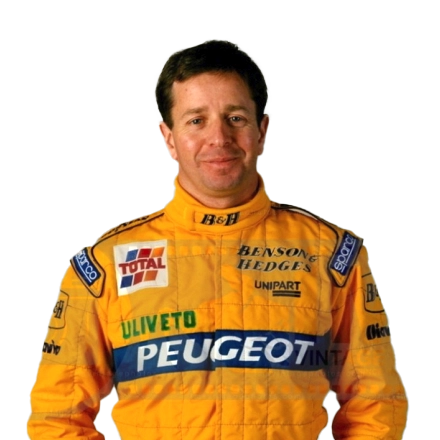
Brundle is more than a statistic in the record books. His move into broadcasting has offered generations of viewers unparalleled insight into car behaviour, driver psychology and competitive nuance. In this way, Brundle’s impact on Formula 1 arguably eclipses what victories alone could have provided, securing his place in the sport’s cultural heritage.
Seen in: