



























The well-established route from the F1 paddock to American open-wheel racing has seen many F1 drivers take the path to glory, stretching back decades to some of the sport’s most influential names. But the question remains: who made the most successful move from Formula 1 to IndyCar?
To qualify for this ranking, drivers must have competed in Formula 1 before racing in IndyCar. That excludes Michael Andretti, who raced for McLaren in 1993 after an already-established CART career, as well as his father, Mario Andretti, the 1978 F1 World Champion.
Danny Sullivan is also ruled out. Despite winning the 1985 Indianapolis 500 and the 1988 IndyCar title, his IndyCar debut in 1982 pre-dated his single Formula 1 season with Tyrrell. Juan Pablo Montoya and Sébastien Bourdais are likewise excluded, having won IndyCar titles before moving to Formula 1 and later returning to the United States.
You May Like
This list is not ordered by Formula 1 success. Instead, the sole criteria is how effectively each driver adapted to IndyCar machinery, circuits, and competition. Immediate impact is rewarded, as is sustained greatness. On that basis, Fernando Alonso’s impressive 2017 Indianapolis 500 debut does not provide a sufficient body of work for inclusion, nor does Graham Hill, despite winning the 1966 Indy 500.
It is also worth noting that some drivers listed here never competed at Indianapolis due to the 1996 CART/IRL split, which fractured American open-wheel racing for more than a decade.
Before the rankings, honourable mentions go to Mauricio Gugelmin and Mark Blundell, standout PacWest teammates in 1997; 1998 Indy 500 winner Eddie Cheever; three-time CART winner Max Papis; and Roberto Moreno, whose “supersub” performances included taking the 2000 title fight to the finale at Fontana.
Top 10 F1 to IndyCar Converts
| Rank | Driver | F1 Starts | IndyCar Wins | Best Indy 500 Result | Best IndyCar Championship Result |
|---|---|---|---|---|---|
| 1 | Nigel Mansell | 187 | 5 | 3rd (1993) | 1st (1993) |
| 2 | Emerson Fittipaldi | 144 | 22 | 1st (1989, 1993) | 1st (1989) |
| 3 | Alex Zanardi | 41 | 15 | N/A | 1st (1997, 1998) |
| 4 | Bobby Rahal | 2 | 24 | 1st (1986) | 1st (1986, 1987, 1992) |
| 5 | Jim Clark | 72 | 2 | 1st (1965) | 6th (1963) |
| 6 | Alexander Rossi | 5 | 7 | 1st (2016) | 2nd (2018) |
| 7 | Dan Gurney | 86 | 7 | 2nd (1968, 1969) | 4th (1969) |
| 8 | Justin Wilson | 16 | 7 | 5th (2013) | 2nd (2006, 2007) |
| 9 | Teo Fabi | 64 | 5 | 7th (1994) | 2nd (1983) |
| 10 | Takuma Sato | 90 | 6 | 1st (2017, 2020) | 8th (2017) |
1. Nigel Mansell
F1 starts: 187
Best result: 1st (31 wins)
IndyCar wins: 5
Best Indianapolis 500 finish: 3rd (1993)
IndyCar titles: 1 (1993)
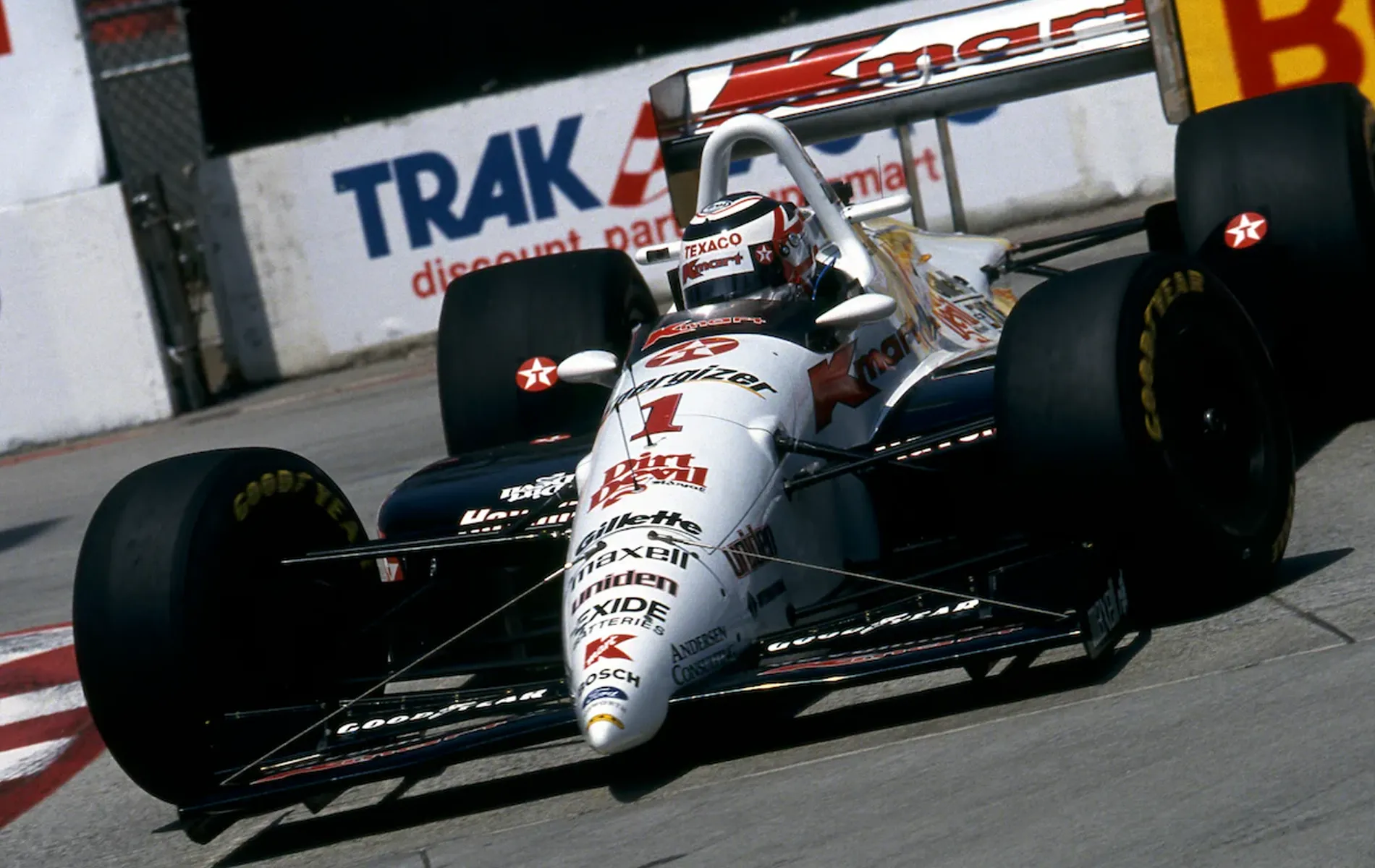
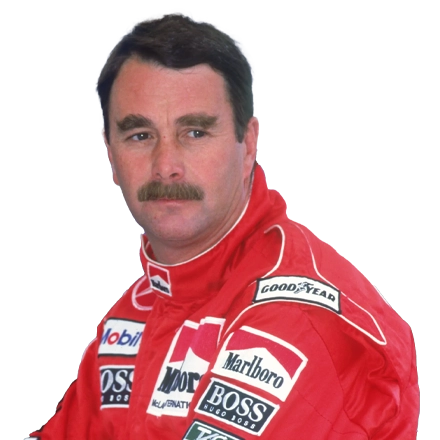
Nigel Mansell earns the top spot for one compelling reason: he adapted instantly. In 1993, the reigning Formula 1 world champion crossed the Atlantic and won the IndyCar title as a rookie, a feat that remains unprecedented in the modern era.
Fresh from dominating the 1992 F1 season in Williams’ FW14B, Mansell departed amid contract disputes and accepted Carl Haas’ offer to join Newman/Haas Racing. With no oval experience and only one previous appearance at Long Beach more than a decade earlier, expectations were cautious.
Nigel Mansell
F1 Debut 1980 Austrian Grand Prix
Current/Last Team McLaren
They were shattered immediately. Mansell took pole on debut at Surfers Paradise and became the first rookie race winner since 1966 with a stunning comeback after an unscheduled pit stop. Despite missing Phoenix due to injury sustained in a heavy practice crash, he finished third at Long Beach and repeated the feat on his Indianapolis debut.
From there, Mansell was untouchable on ovals. Victories at Milwaukee, Michigan, New Hampshire and Nazareth — the latter sealing the championship — underlined how quickly he learned. His Michigan triumph, achieved while battling flu and dehydration, epitomised his grit.
Although 1994 was less successful, with accidents and misfortune blunting his momentum, Mansell had already proven his point: a Formula 1 champion could arrive, adapt, and conquer IndyCar immediately.
2. Emerson Fittipaldi
F1 starts: 144
Best result: 1st (14 wins)
IndyCar wins: 22
Best Indianapolis 500 finish: 1st (1989, 1993)
IndyCar titles: 1 (1989)
Emerson Fittipaldi’s IndyCar career was a remarkable second act for a driver who had seemingly closed the book on top-level racing after retiring from Formula 1 in 1980.
A strong IMSA comeback convinced him — and team owners — that his competitive edge remained sharp. He joined WIT Racing in 1984 and quickly impressed before stepping in at Patrick Racing following Chip Ganassi’s injury.
Emerson Fittipaldi
F1 Debut 1970 British Grand Prix
Current/Last Team Fittipaldi

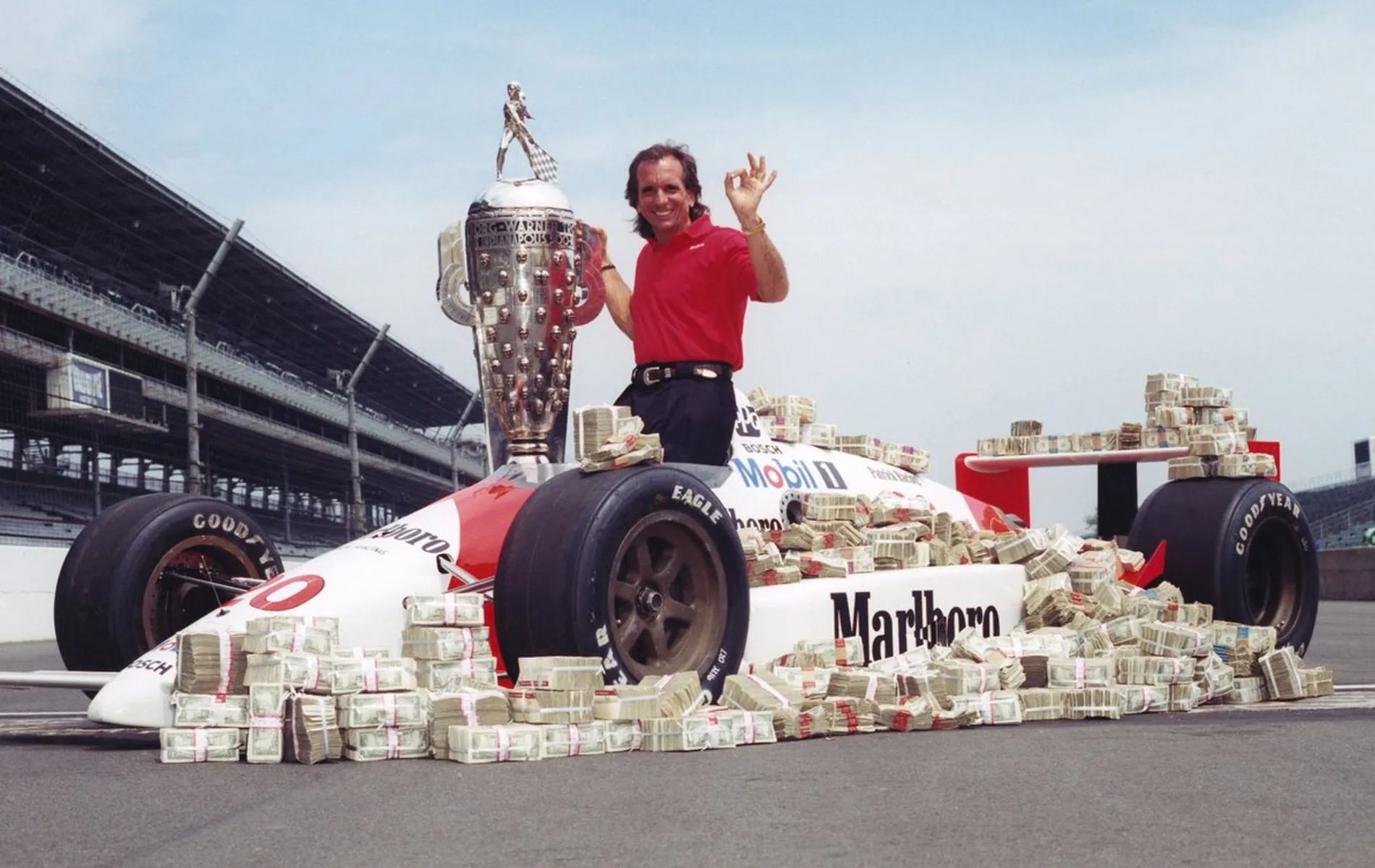
With Patrick, Fittipaldi became a perennial contender. The arrival of engineer Morris Nunn and a switch to Lola machinery transformed him into a genuine title threat, culminating in the 1989 championship and a dramatic Indianapolis 500 victory after a late clash with Al Unser Jr.
His later years included heartbreak — including throwing away certain Indy victories in 1994 — but two wins at the Brickyard and 22 overall victories cemented his status as one of IndyCar’s most successful converts.
3. Alex Zanardi
F1 starts: 41
Best result: 6th
IndyCar wins: 15
Best Indianapolis 500 finish: N/A
IndyCar titles: 2 (1997, 1998)
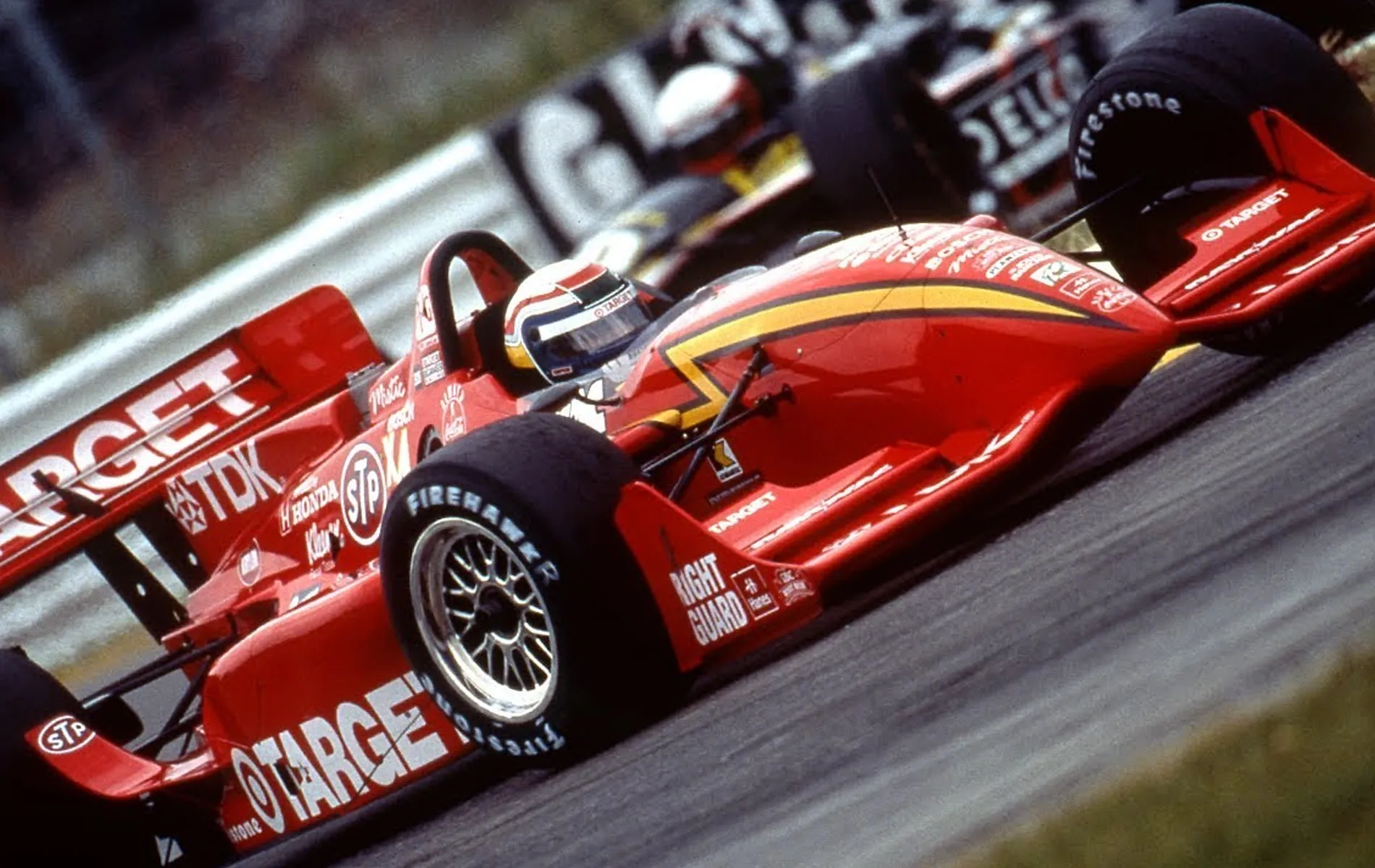
Alex Zanardi’s Formula 1 career never fulfilled its promise, but his move to CART transformed him into a superstar. Signed by Chip Ganassi on the recommendation of Reynard agent Rick Gorne, Zanardi flourished.
From his first win at Portland in 1996 to his unforgettable Corkscrew pass at Laguna Seca, Zanardi combined fearlessness with flair. His comeback drives, audacious overtakes, and celebratory “donuts” made him a fan favourite.
Alex Zanardi
F1 Debut 1991 Spanish Grand Prix
Current/Last Team Williams
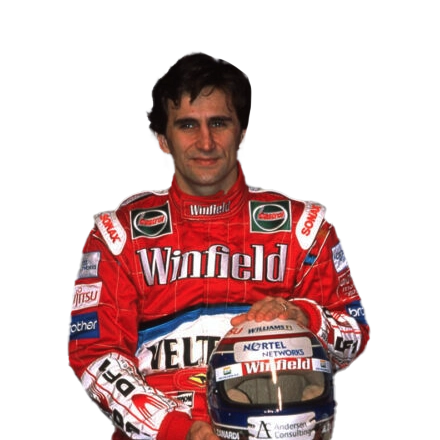
Back-to-back championships in 1997 and 1998 — including seven wins in the latter season without a single pole position — underlined his dominance. Tragically, a horrific crash in 2001 ended his single-seater career before he could contest an Indianapolis 500.
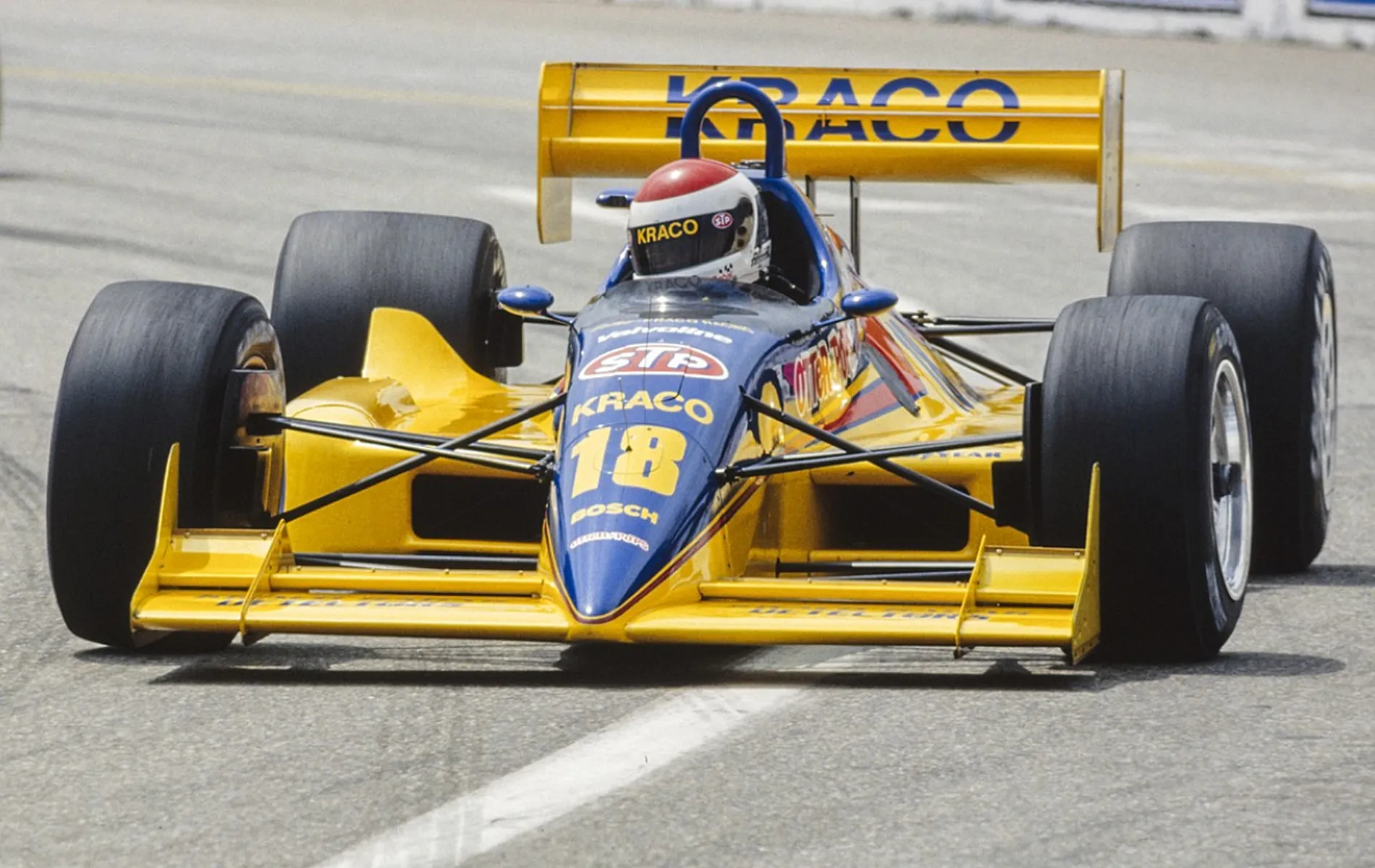
4. Bobby Rahal
F1 starts: 2
Best result: 12th
IndyCar wins: 24
Best Indianapolis 500 finish: 1st (1986)
IndyCar titles: 3 (1986, 1987, 1992)
Bobby Rahal’s brief Formula 1 appearance in 1978 was merely a prelude to one of the most decorated IndyCar careers of all time. Joining Jim Trueman’s fledgling Truesports operation, Rahal adapted rapidly despite limited oval experience.
Bobby Rahal
F1 Debut 1978 United States Grand Prix
Current/Last Team Wolf
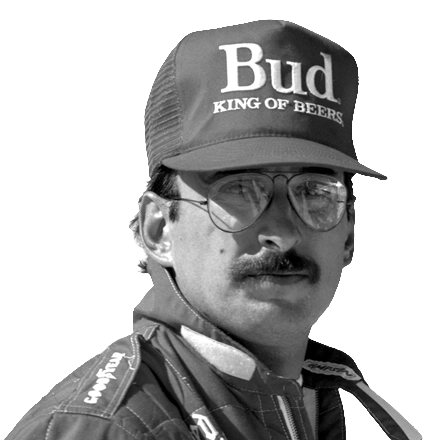
Titles in 1986, 1987 and 1992 — the last achieved driving for his own team — showcased his intelligence and consistency. His emotional Indianapolis 500 victory in 1986 remains one of the race’s defining moments.
Although later years were marred by ill-judged technical decisions, Rahal’s overall IndyCar record places him firmly among the elite.
5. Jim Clark
F1 starts: 72
Best result: 1st (25 wins)
IndyCar wins: 2
Best Indianapolis 500 finish: 1st (1965)
Best IndyCar ranking: 6th (1963)
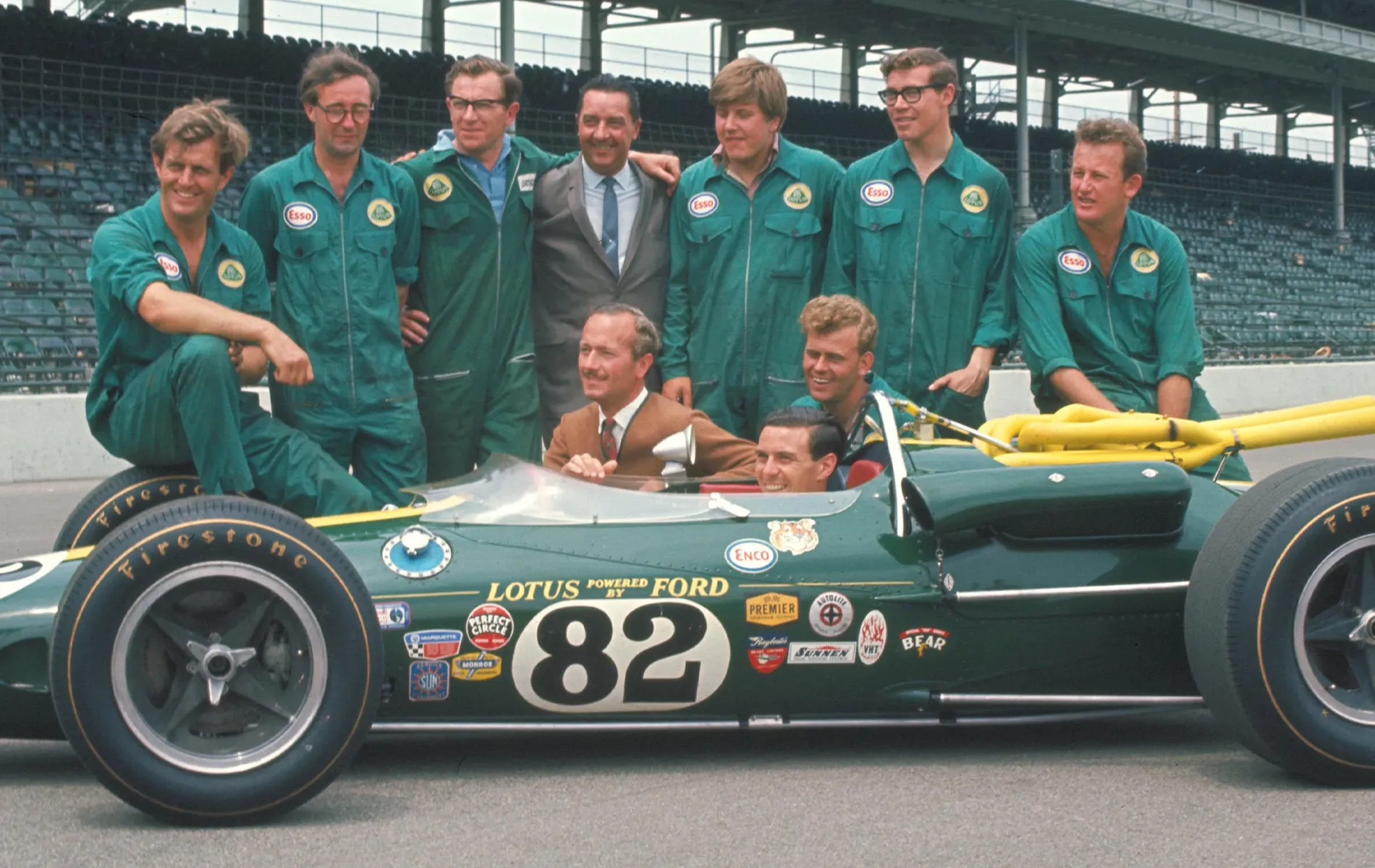
Jim Clark’s impact on Indianapolis was immediate and profound. With no prior oval experience, he finished second on debut in 1963, dominated in 1965, and rewrote the rulebook by winning in a rear-engined Lotus.
Jim Clark
F1 Debut 1960 Dutch Grand Prix
Current/Last Team Team Lotus
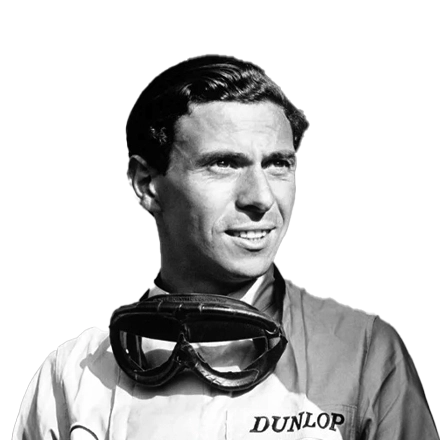
From five starts, Clark finished in the top two three times and led laps in all but one appearance. His 1965 victory, leading 190 laps, remains one of the most commanding performances in Indy 500 history.
Clark’s tragic death in 1968 robbed the sport of what might have been many more triumphs on both sides of the Atlantic.
6. Alexander Rossi
F1 starts: 5
Best result: 20th
IndyCar wins: 7
Best Indianapolis 500 finish: 1st (2016)
Best IndyCar ranking: 2nd (2018)
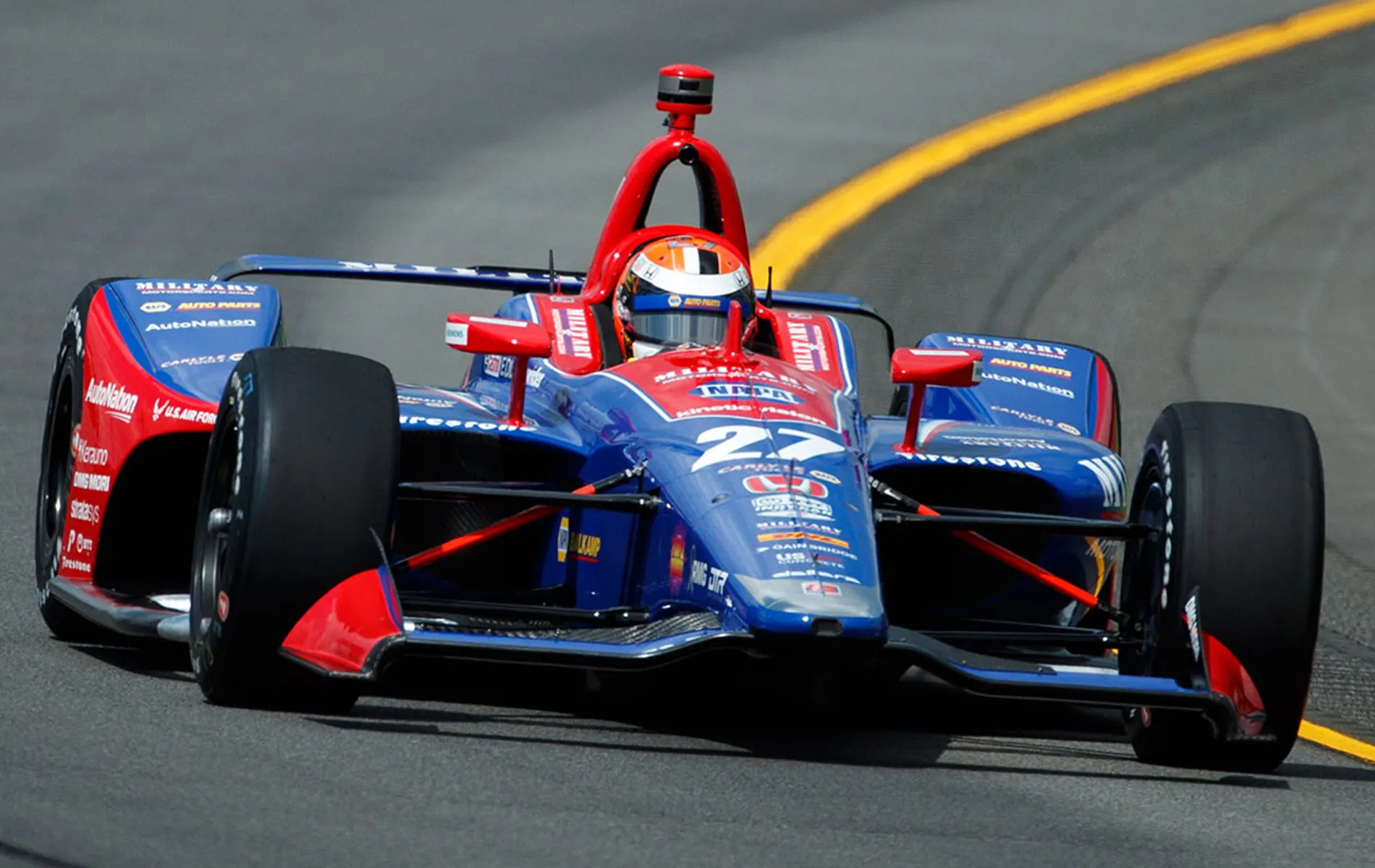
Alexander Rossi’s IndyCar career was kick-started by one of the most audacious Indianapolis 500 victories ever. Initially keeping one eye on Formula 1, his 2016 fuel-saving masterclass changed everything.
Alexander Rossi
F1 Debut 2014 Belgian Grand Prix
Current/Last Team Marussia F1
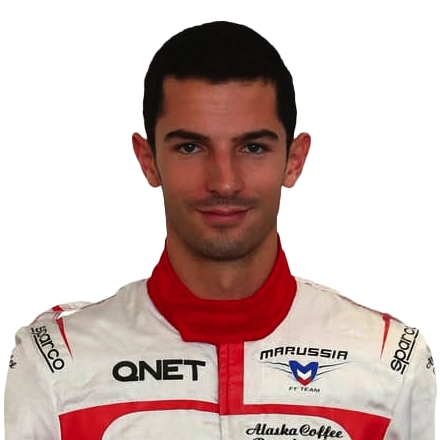
Joining Andretti Autosport, Rossi grew into a consistent frontrunner. He pushed Scott Dixon hard in 2018 and was arguably the standout driver of 2019 despite finishing third in points.
His performances at Indianapolis, including a classic duel with Simon Pagenaud, have marked him out as one of the modern era’s finest racers.
7. Dan Gurney
F1 starts: 86
Best result: 1st (4 wins)
IndyCar wins: 7
Best Indianapolis 500 finish: 2nd (1968, 1969)
Best IndyCar ranking: 4th (1969)
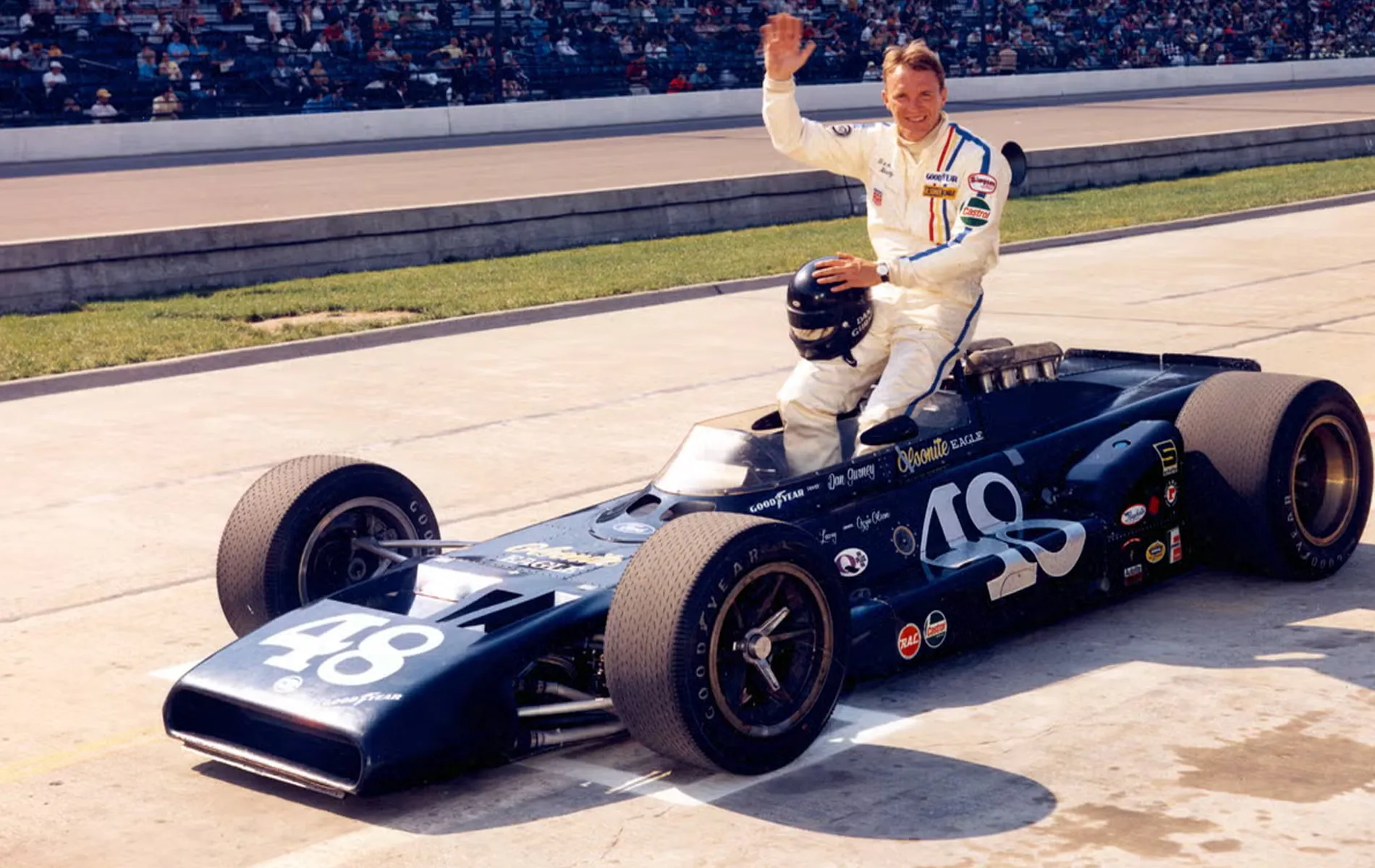
Dan Gurney was the ultimate all-rounder. His versatility meant that oval racing never intimidated him, and his success in USAC competition underlined his adaptability.
Dan Gurney
F1 Debut 1959 French Grand Prix
Current/Last Team McLaren
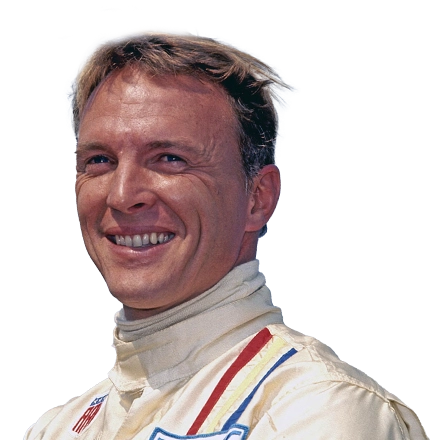
“Dan was the guy I really admired,” said Mario Andretti, “because he raced everything: Formula 1, sportscars, stock cars, Indycars. He really inspired me.”
Driving cars built by his own All-American Racers outfit, Gurney achieved remarkable consistency and nearly won the Indianapolis 500 on multiple occasions.
8. Justin Wilson
F1 starts: 16
Best result: 8th
IndyCar wins: 7
Best Indianapolis 500 finish: 5th (2013)
Best IndyCar ranking: 2nd (2006, 2007)
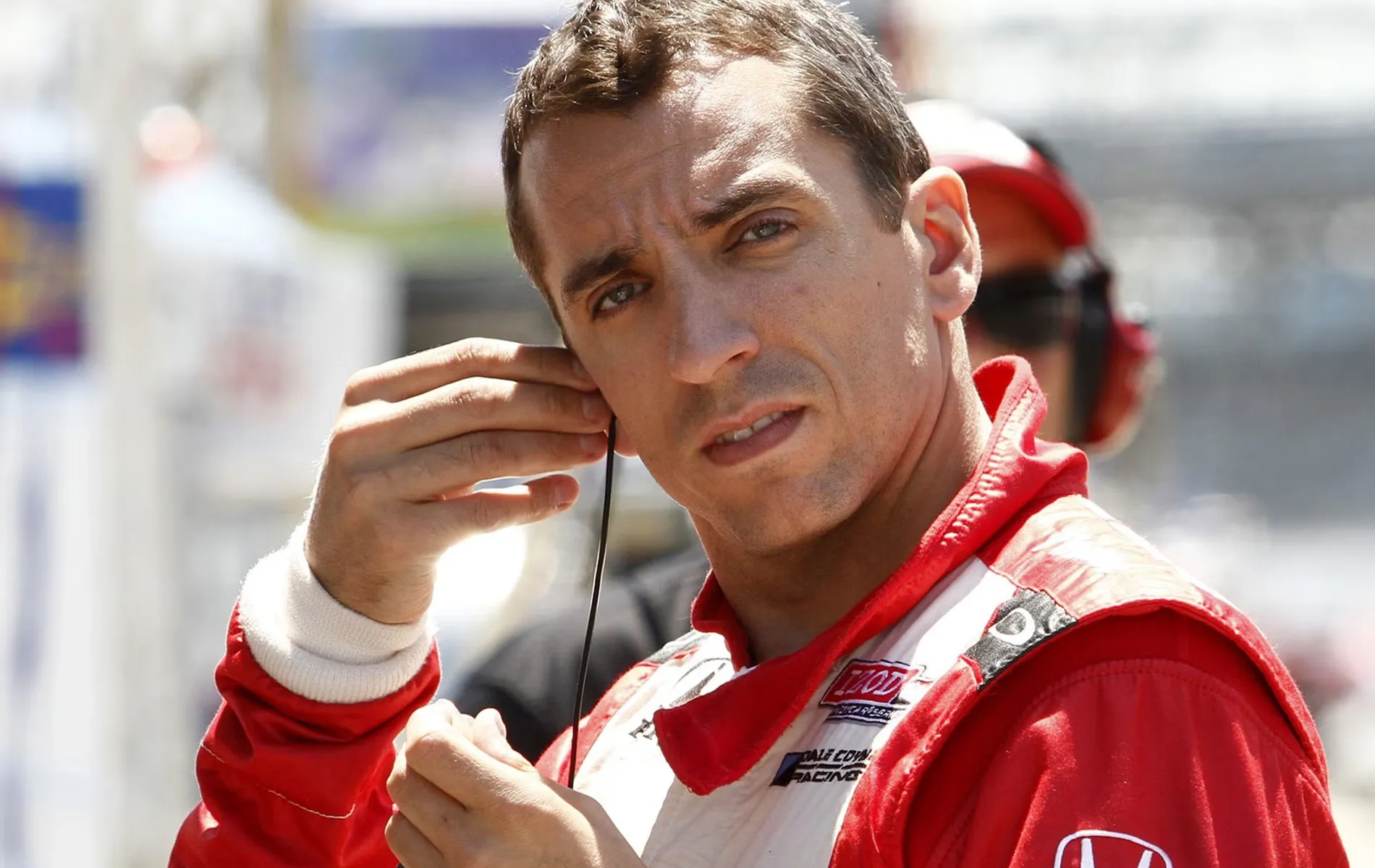
Justin Wilson’s IndyCar career was defined by perseverance, intelligence, and respect. His Formula 1 stint in 2003 failed to reflect his talent, but America offered opportunity.
Justin Wilson
F1 Debut 2003 Australian Grand Prix
Current/Last Team Jaguar
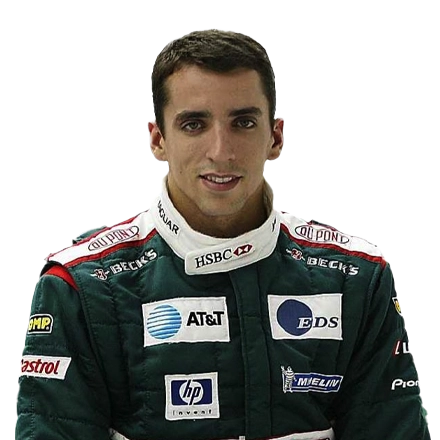
Wilson became a consistent frontrunner, narrowly missing titles behind Sébastien Bourdais, and repeatedly delivered standout performances in underpowered machinery. His death at Pocono in 2015 was a devastating loss to the sport.
9. Teo Fabi
F1 starts: 64
Best result: 3rd
IndyCar wins: 5
Best Indianapolis 500 finish: 7th (1994)
Best IndyCar ranking: 2nd (1983)
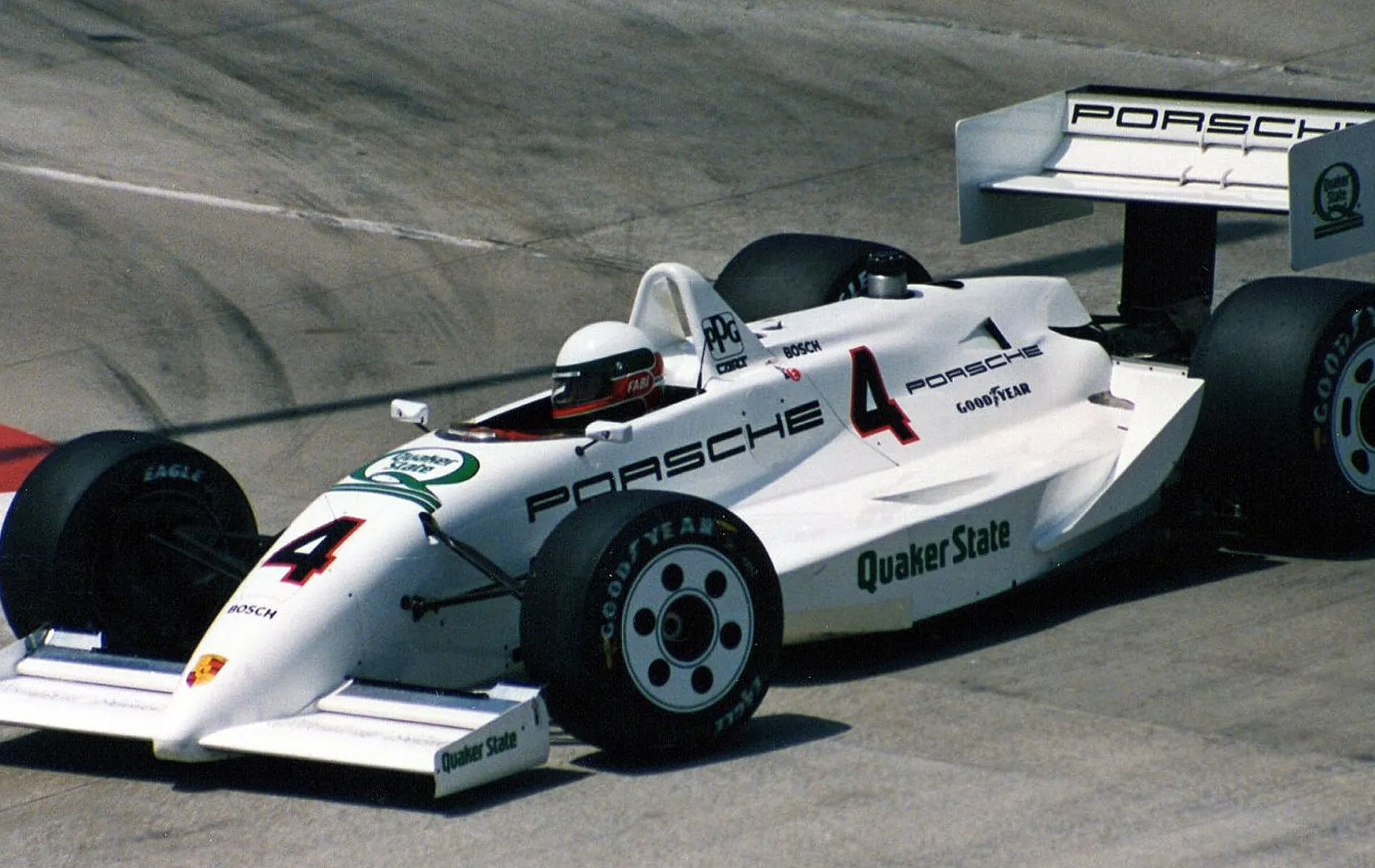
Teo Fabi’s 1983 rookie season was sensational, taking six poles and four victories. But divided commitments between Formula 1 and IndyCar ultimately prevented him from sustaining that momentum.
Despite flashes of brilliance — including Porsche’s maiden CART win — his career never quite matched its early promise.
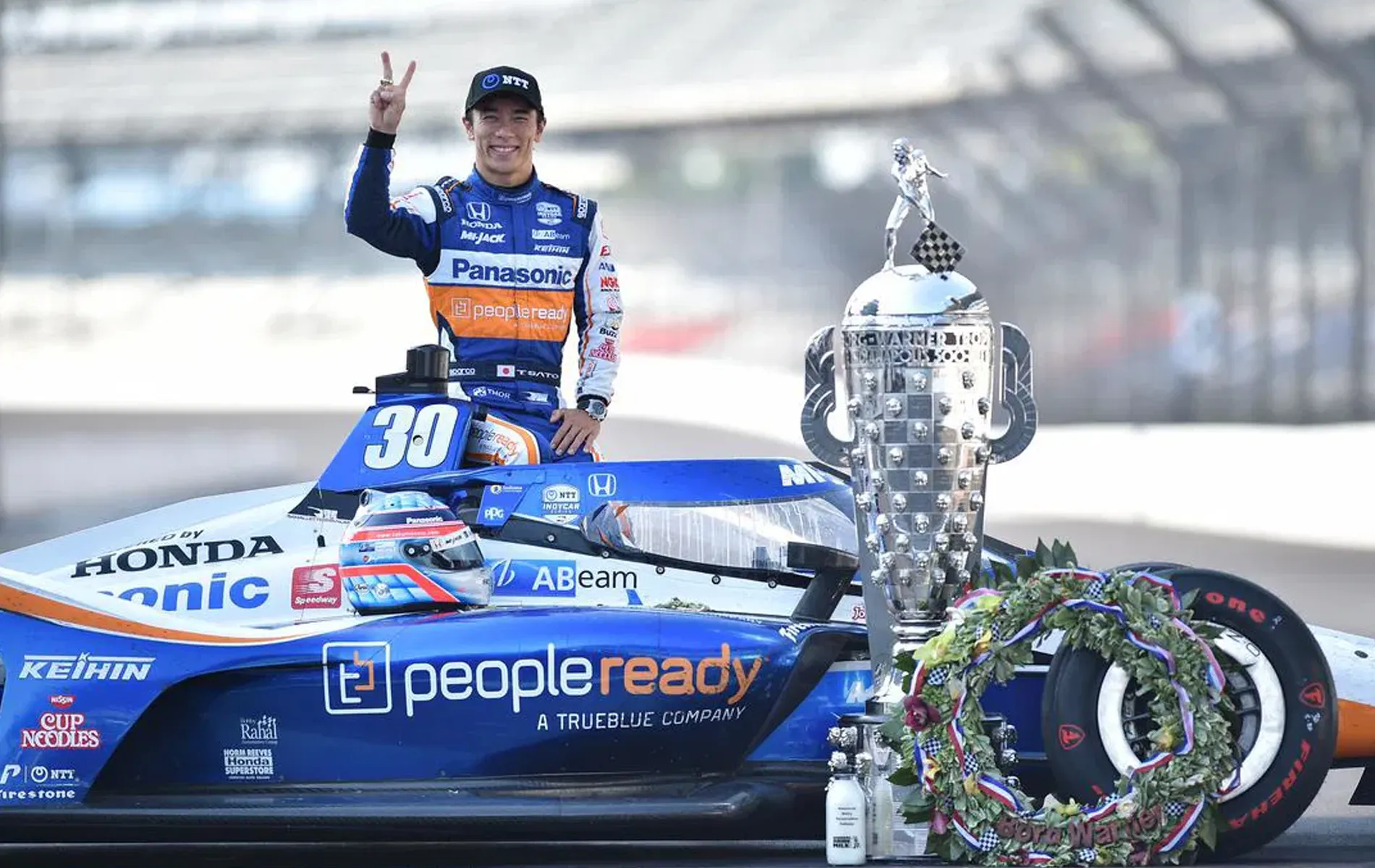
10. Takuma Sato
F1 starts: 90
Best result: 3rd
IndyCar wins: 6
Best Indianapolis 500 finish: 1st (2017, 2020)
Best IndyCar ranking: 8th (2017)
Takuma Sato’s IndyCar career has been unpredictable, fearless, and unforgettable. His two Indianapolis 500 victories — including the dramatic 2020 win — define his legacy.
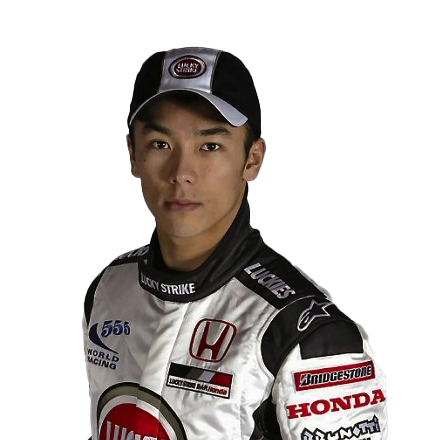
Takuma Sato
F1 Debut 2002 Australian Grand Prix
Current/Last Team Super Aguri F1
His resilience is best captured by rebounding from a multi-car crash at Pocono to win the very next race at Gateway. That mentality, divisive though it may be, has earned him a place among IndyCar’s most accomplished converts.
Seen in: