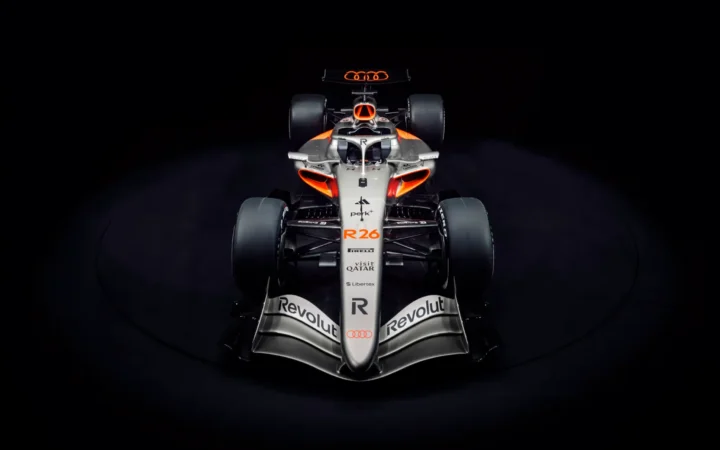

































Formula 1’s all-new 2026 era finally hit the track at the Circuit de Barcelona-Catalunya, as teams began the most significant reset the sport has seen in a decade. New chassis rules, radically revised power units and aero packages meant every lap of this behind-closed-doors shakedown carried extra weight, even if lap times themselves told only part of the story. Over five days, the opening test provided the first real insight into how teams have interpreted the regulations — and who arrived best prepared.
While the headline times changed daily, Barcelona was ultimately about foundations rather than form guides. Reliability runs, installation checks, and early balance work dominated proceedings, interrupted by weather, red flags and the occasional reminder of how narrow the margins remain under the new rules. From Mercedes’ quietly impressive mileage to Ferrari’s late statement of intent, and Red Bull’s stop-start programme, the picture that emerged was one of cautious optimism — with far more questions left to answer.
What To Know?
- Ferrari ended the Barcelona shakedown fastest, while Mercedes impressed with reliability and the most mileage across all five days
- Red Bull and Aston Martin faced disrupted programmes, leaving performance questions heading into Bahrain
- Williams were absant from the five day test
- Bahrain testing is expected to reveal a clearer pecking order as teams switch focus from validation to performance runs
Day 1: Barcelona
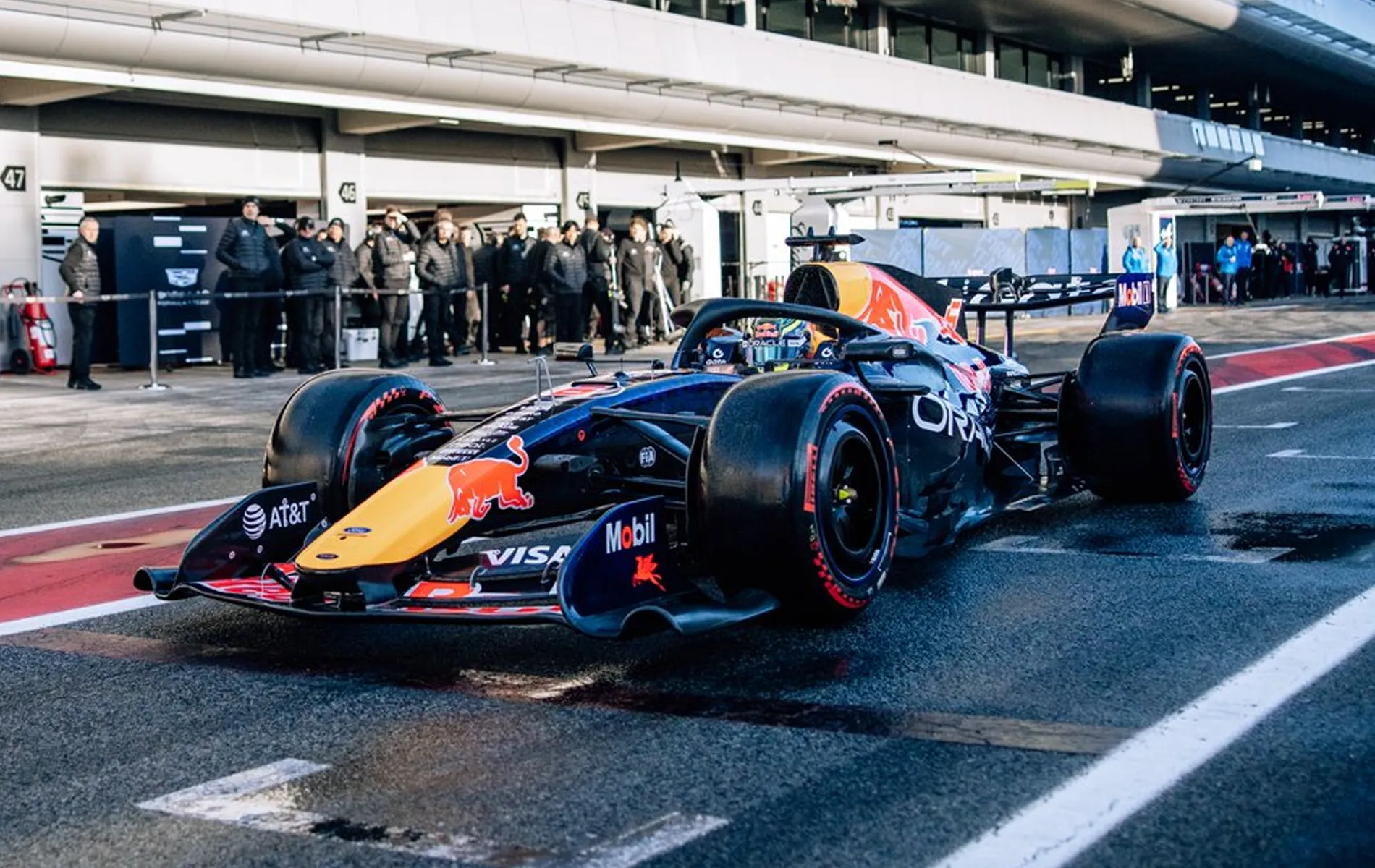
Isack Hadjar set the early pace as F1’s 2026 pre-season testing began in Barcelona, topping both the morning session and the overall timesheets with a 1:18.159 for Red Bull. George Russell finished second after taking over the Mercedes in the afternoon, with Alpine’s Franco Colapinto third, on a day where lap times were largely unrepresentative due to the early stage of running.
The behind-closed-doors shakedown featured only seven teams, with McLaren, Ferrari, Aston Martin and Williams absent, and was disrupted by red flags and technical issues. Haas’ Esteban Ocon led the way on mileage with 154 laps, while Cadillac endured a cautious day as Sergio Perez focused on installation running, and Hadjar ultimately held on to P1 after a late exchange of fastest laps with Russell.
Day 1 Unofficial Times
| Pos | Driver | Team | Time | Laps |
|---|---|---|---|---|
| 1 | Isack Hadjar | Red Bull | 1:18.159s | 107 |
| 2 | George Russell | Mercedes | +0.537s | 93 |
| 3 | Franco Colapinto | Alpine | +2.030s | 60 |
| 4 | Kimi Antonelli | Mercedes | +2.541s | 56 |
| 5 | Esteban Ocon | Haas | +3.142s | 154 |
| 6 | Liam Lawson | Racing Bulls | +3.354s | 88 |
| 7 | Valtteri Bottas | Cadillac | +6.492s | 33 |
| 8 | Gabriel Bortoleto | Audi | +7.137s | 27 |
| 9 | Sergio Perez | Cadillac | +7.815s | 11 |
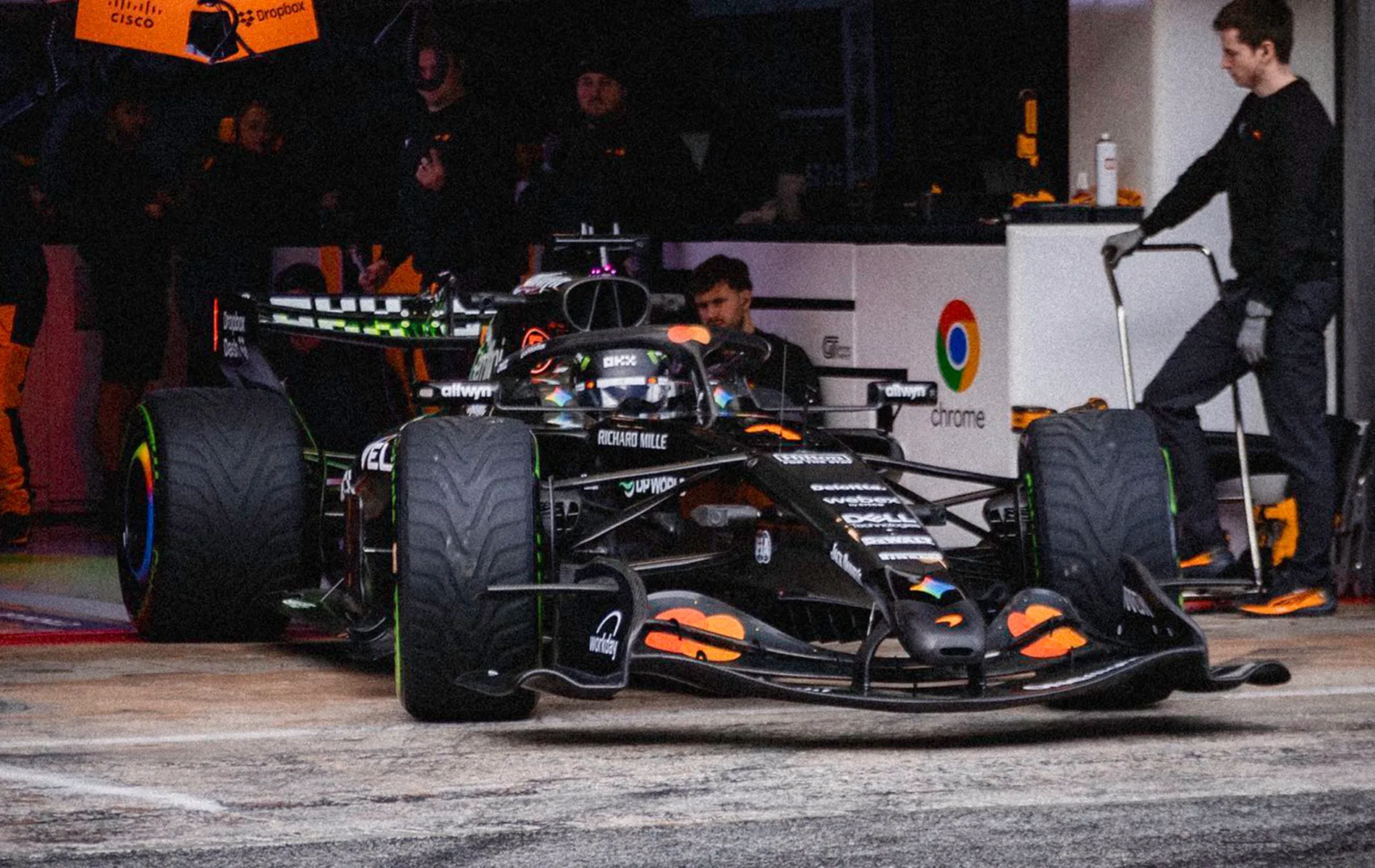
Day 2: Barcelona
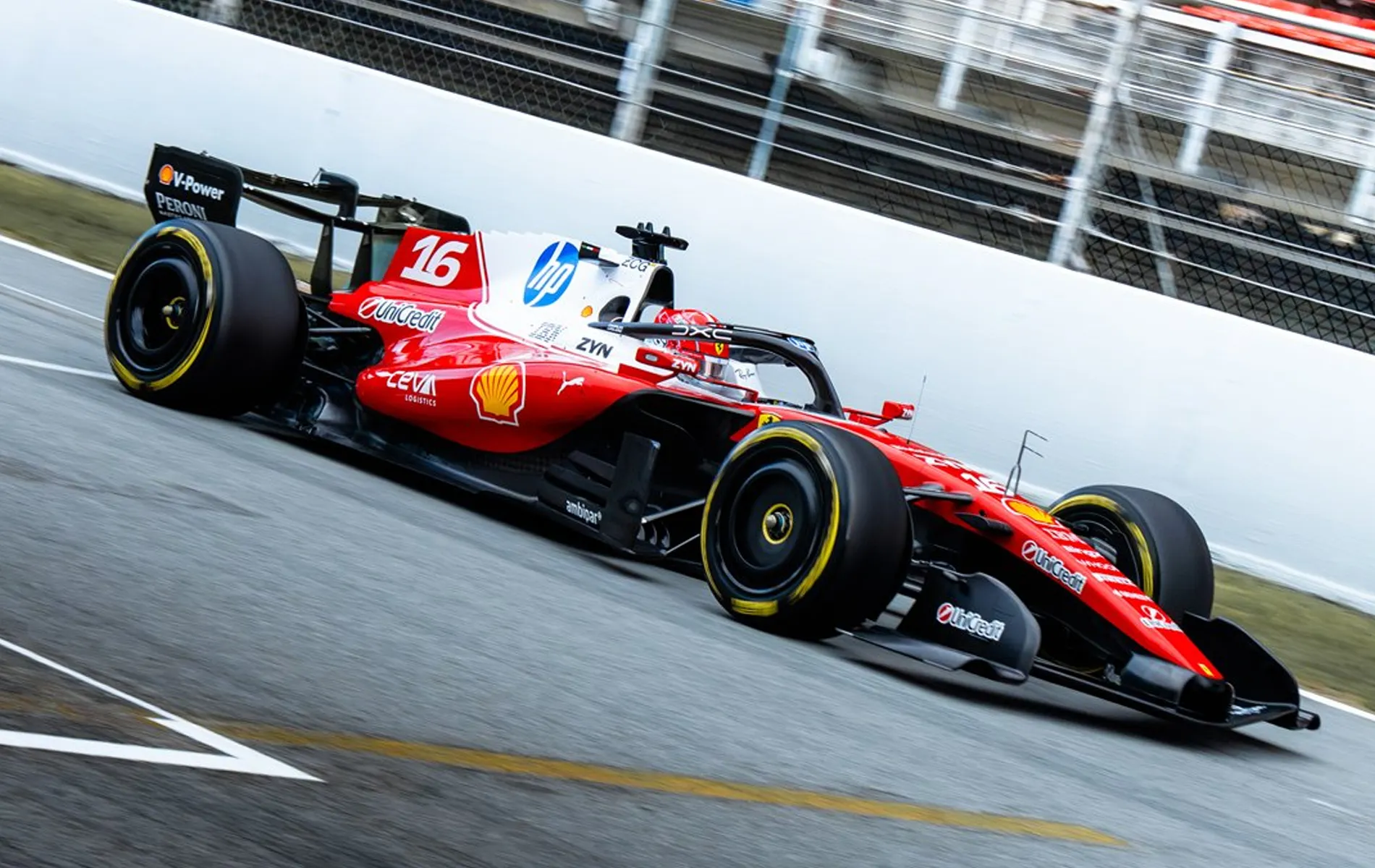
Day 2 of F1 2026 testing in Barcelona was heavily shaped by rain, with Red Bull and Ferrari the only teams running. Max Verstappen briefly triggered a red flag early on after running through the gravel, before sharing wet and dry running with Charles Leclerc, who logged the bulk of Ferrari’s mileage and set an unofficial best of around 1:20.8 in damp conditions. As rain arrived earlier than expected, both drivers continued on wet tyres, with Leclerc completing 66 laps and Verstappen 27.
Red Bull’s day ended prematurely in the afternoon when Isack Hadjar crashed the RB22 at the final corner, damaging the rear wing and bringing running to a halt with around 30 minutes remaining. Hadjar, who topped Day 1, had taken over from Verstappen to gain wet-weather experience, while Ferrari later handed their car to Lewis Hamilton. With Red Bull the only team to run across both days so far, the incident left them weighing repair time against their remaining permitted test days.
Day 2 Unofficial Times
| Pos | Driver | Team | Time | Laps |
|---|---|---|---|---|
| 1 | Max Verstappen | Red Bull | 1:19.578s | 27 |
| 2 | Charles Leclerc | Ferrari | 1:20.844s | 66 |
| 3 | Isack Hadjar | Red Bull | 1:31.891s | 51 |
| 4 | Lewis Hamilton | Ferrari | 1:33.455s | 45 |
Day 3: Barcelona
Mercedes continued their strong start to Formula 1’s 2026 era on the third day of the Barcelona shakedown, with Kimi Antonelli setting the fastest time so far and George Russell close behind after extensive running in cold conditions. The team completed the most mileage of the day, focusing on reliability and long runs rather than outright pace, and expressed optimism about the feel of the new, lighter cars ahead of competitive testing later in the year.
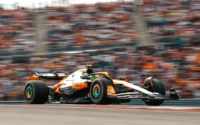
Attention also centred on McLaren as reigning world champion Lando Norris completed the first on-track running of the new MCL40, sporting the No 1 for the first time. Norris described the debut as productive and focused on understanding systems rather than performance. Elsewhere, Alpine logged solid mileage, Racing Bulls exceeded 100 laps, while Haas and Audi both faced reliability interruptions.
Day 3 Unofficial Times
| Pos | Driver | Team | Time | Laps |
|---|---|---|---|---|
| 1 | Kimi Antonelli | Mercedes | 1m17.362s | 91 |
| 2 | George Russell | Mercedes | +0.218s | 92 |
| 3 | Lando Norris | McLaren | +0.945s | 76 |
| 4 | Franco Colapinto | Alpine | +1.788s | 58 |
| 5 | Pierre Gasly | Alpine | +1.935s | 67 |
| 6 | Ollie Bearman | Haas | +1.952s | 42 |
| 7 | Arvid Lindblad | Racing Bulls | +2.058s | 120 |
| 8 | Nico Hulkenberg | Audi | +3.648s | 68 |
Day 4: Barcelona
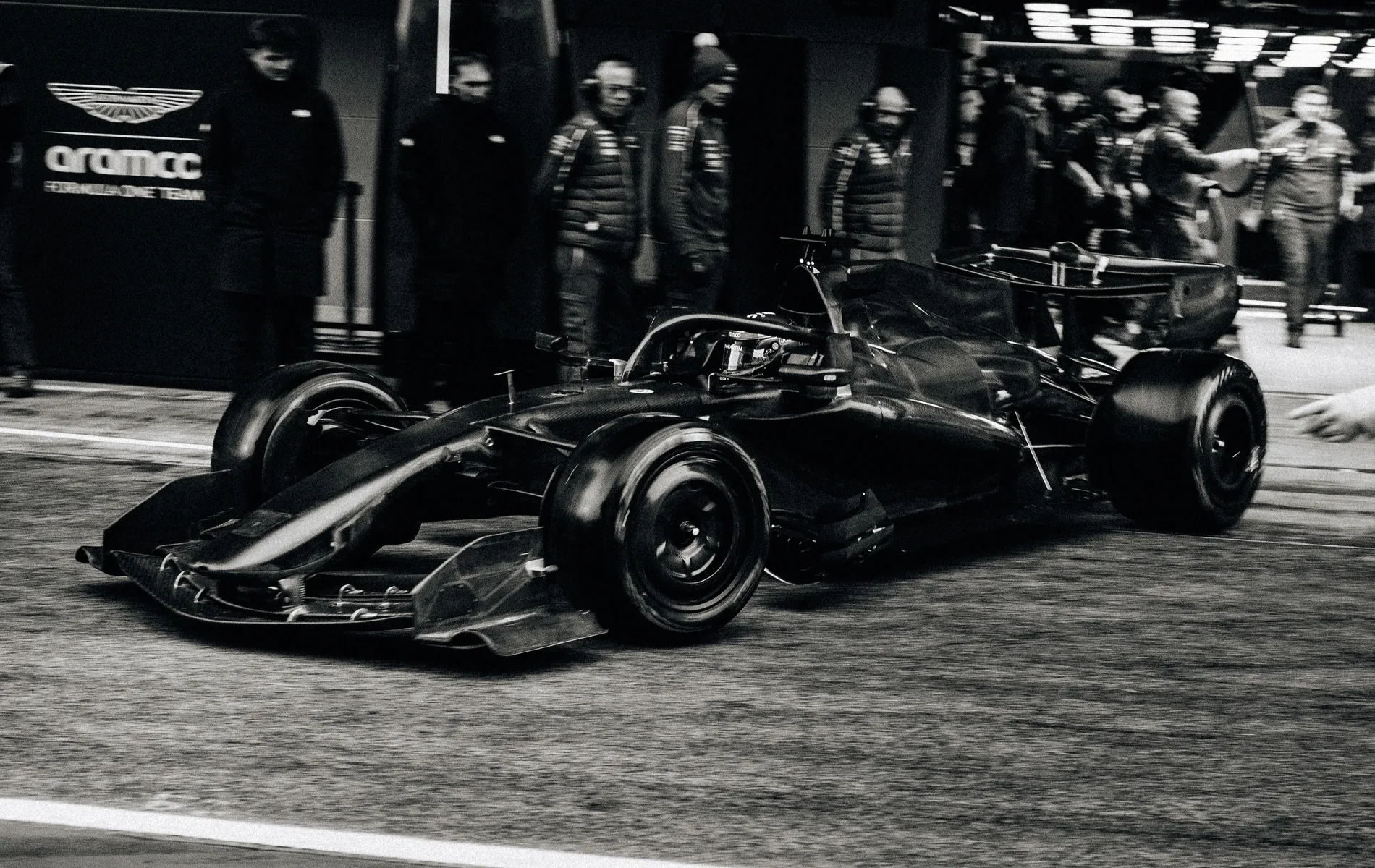
The penultimate day of Formula 1’s first 2026 pre-season test in Barcelona was marked by a clear split between reliability and disruption. McLaren’s running was limited when a fuel system issue hampered Oscar Piastri’s afternoon, restricting the team to just 48 laps. Aston Martin also endured a frustrating return to the track, with Lance Stroll completing only a handful of laps before his Adrian Newey-inspired AMR26 stopped on circuit, bringing out the only red flag of the day during the team’s long-awaited first appearance of the test.
In contrast, Mercedes and Ferrari enjoyed productive and confidence-boosting outings. Mercedes completed the final day of its permitted running in strong form, with George Russell setting the fastest time of the week as the team amassed significant mileage. Ferrari also logged heavy running, with Lewis Hamilton and Charles Leclerc combining for more than 170 laps, reinforcing the sense that the Scuderia had made a solid start to Formula 1’s new 2026 regulations.
Day 4 Unofficial Times
| Pos | Driver | Team | Time | Laps |
|---|---|---|---|---|
| 1 | George Russell | Mercedes | 1m16.445 | 78 |
| 2 | Kimi Antonelli | Mercedes | 1m17.081s | 90 |
| 3 | Charles Leclerc | Ferrari | 1m18.223s | 83 |
| 4 | Oscar Piastri | McLaren | 1m18.419s | 48 |
| 5 | Arvid Lindblad | Racing Bulls | 1m18.451 | 47 |
| 6 | Lewis Hamilton | Ferrari | 1m18.654s | 87 |
| 7 | Liam Lawson | Racing Bulls | 1m18.840 | 64 |
| 8 | Sergio Perez | Cadillac | 1m21.024 | 66 |
| 9 | Lance Stroll | Aston Martin | 1m46.404 | 4 |
Day 5: Barcelona
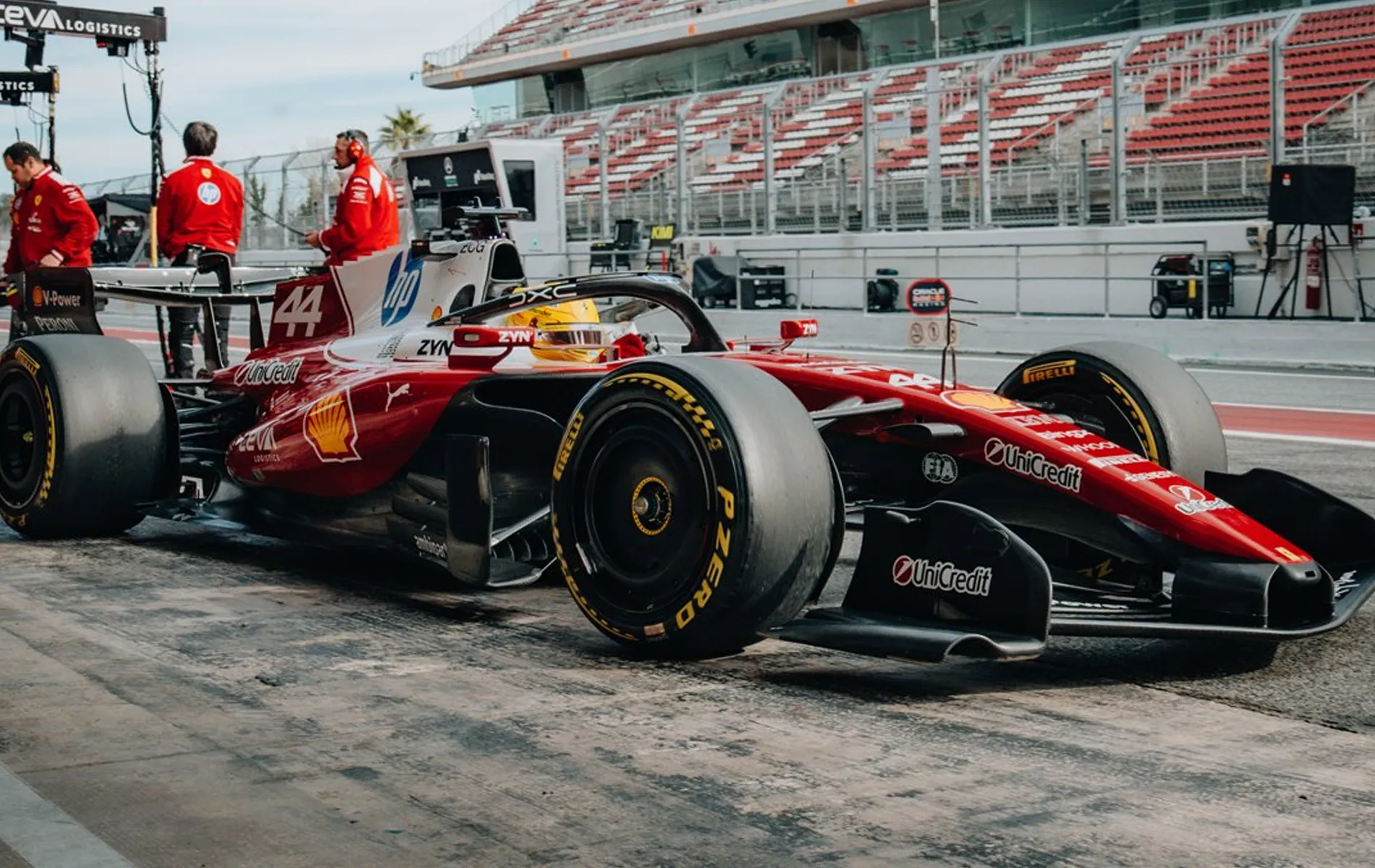
Lewis Hamilton finished Formula 1’s first pre-season test of the 2026 era on top after setting the fastest lap of the five-day Barcelona running for Ferrari. His late-session time of 1:16.348 on Friday edged Mercedes driver George Russell’s Thursday benchmark and underlined a promising start for Ferrari under the new regulations, with Hamilton noting the team is in a stronger position than at the same stage in 2024.
McLaren emerged as Ferrari’s closest challenger, with world champion Lando Norris second fastest ahead of Charles Leclerc, while Max Verstappen logged 118 laps for Red Bull on its return to action. Fernando Alonso completed a clean first outing in the Aston Martin AMR26, as teams concluded a tightly regulated test that offered early clues — but no firm answers — about the competitive order for 2026.
Day 5 Unofficial Times
| Pos | Driver | Team | Time | Laps |
|---|---|---|---|---|
| 1 | Lewis Hamilton | Ferrari | 1m16.348s | 63 |
| 2 | Lando Norris | McLaren | 1m16.594s | 83 |
| 3 | Charles Leclerc | Ferrari | 1m16.653s | 80 |
| 4 | Oscar Piastri | McLaren | 1m17.586s | 80 |
| 5 | Max Verstappen | Red Bull | 1m17.586s | 118 |
| 6 | Pierre Gasly | Alpine | 1m17.707s | 164 |
| 7 | Esteban Ocon | Haas | 1m18.393s | 85 |
| 8 | Ollie Bearman | Haas | 1m18.423s | 105 |
| 9 | Nico Hulkenberg | Audi | 1m19.870s | 78 |
| 10 | Gabriel Bortoleto | Audi | 1m20.179s | 67 |
| 11 | Fernando Alonso | Aston Martin | 1m20.795s | 61 |
| 12 | Valtteri Bottas | Cadillac | 1m20.920s | 54 |
What next?
By the end of five days, the Barcelona shakedown had delivered exactly what teams expected, and fans crave at this stage: clues without conclusions. Ferrari closed out the test at the top of the timesheets with Lewis Hamilton, while Mercedes laid down exactly 500 laps, the most of any team, a robust and confident start, while McLaren positioned itself firmly in the leading group despite limited early running. Red Bull’s programme was less visible, shaped by interruptions and weather, while Aston Martin, Audi and Cadillac left Spain with clear reliability targets ahead of the next phase.
Attention now shifts to the Bahrain International Circuit, where warmer conditions, representative tyre behaviour and back-to-back sessions should begin to sharpen the competitive picture. Expect teams to unlock more performance, explore race simulations and finally reveal their true pace. Early signs suggest a closer, more nuanced pecking order for the 2026 season — with multiple teams and drivers t start the season on near-equal footing if development continues on its current trajectory.
What about Williams?
Williams’ decision to skip Formula 1’s 2026 Barcelona shakedown was, according to team principal James Vowles, the result of an overstretched production process rather than a fundamental flaw with the car. Vowles described missing the test as “incredibly painful”, admitting the team had pushed itself to the limit as it tackled a car far more complex than anything previously produced at Grove. Delays in manufacturing parts ultimately forced Williams to abandon its planned running, despite having passed the required crash tests.
Vowles also moved to dismiss speculation that the FW48 will begin the season significantly overweight, insisting it is too early to draw conclusions before full testing in Bahrain. He explained that accurate weight figures can only be established once the car runs without extensive sensor packages, something that will not happen until later in pre-season. While Williams could have made the Barcelona test at a stretch, Vowles said protecting spare parts supply and early-season updates for Bahrain, Melbourne and beyond was a more responsible call — prioritising long-term competitiveness over limited shakedown mileage in cold, unrepresentative conditions.
Seen in: