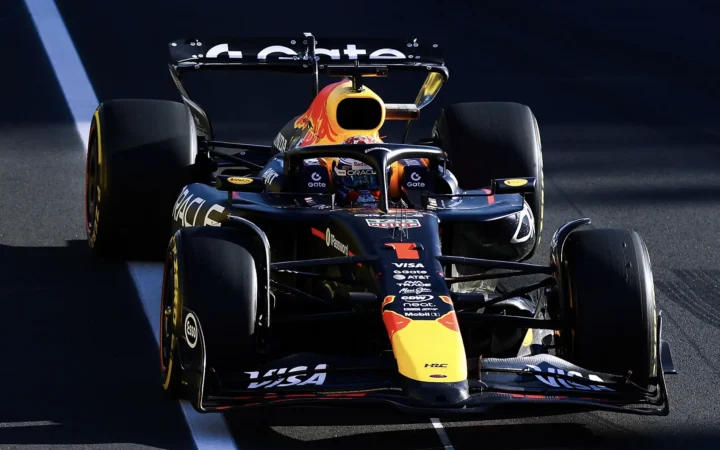











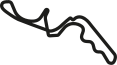











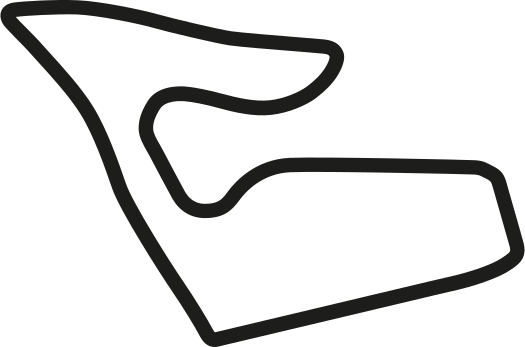

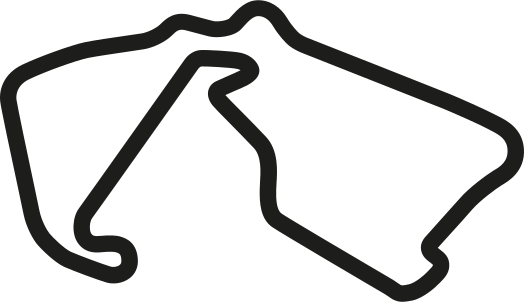

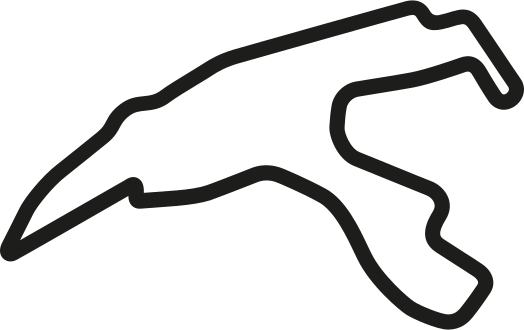





Formula 1 has always been defined by speed, but not every circuit delivers it in the same way. Some tracks rely on immense straight-line velocity, others reward relentless high-speed cornering, and a select few demand both.
While top speed figures often grab the headlines, they only tell part of the story. A circuit’s true pace is measured by average lap speed—the figure that reveals how quickly drivers can complete an entire qualifying lap. It reflects the complete performance package: power, downforce, braking stability, tyre grip and, above all, driver commitment.
What To Know?
- Monza is Formula 1’s fastest circuit, with a 2025 qualifying average speed of 164.3mph (264.4km/h).
- Six current F1 circuits record qualifying average lap speeds of more than 150mph.
- Spa-Francorchamps and Monza both produce top speeds of around 222mph (357km/h) despite very different layouts.
- Average lap speed—not top speed—is the key measure used to rank Formula 1’s fastest circuits because it reflects complete lap performance.
Modern Formula 1 cars have become significantly quicker through corners than previous generations thanks to aerodynamic development. Although absolute top speeds have remained broadly similar over recent seasons, average lap speeds continue to climb as teams unlock more downforce and efficiency.
Here are the fastest circuits on today’s Formula 1 calendar—and why each one has earned its place in F1 history.
What are the fastest F1 circuits?
| Rank | Circuit | Average Qualifying Speed | Top Speed | Why It’s Fast |
|---|---|---|---|---|
| 1 | Monza | 164.3 mph (264.4 km/h) | 221.9 mph (357.1 km/h) | Long straights and minimal corners make Monza Formula 1’s fastest circuit. |
| 2 | Jeddah Corniche Circuit | 158.2 mph (254.6 km/h) | 212.1 mph (341.2 km/h) | High-speed street circuit with fast, flowing corners and little margin for error. |
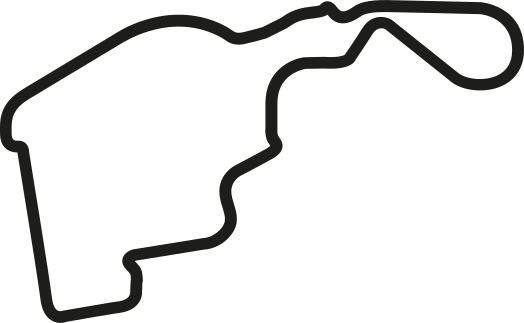
| 3 | Albert Park | 157.3 mph (253.1 km/h) | 209.0 mph (336.3 km/h) | Redesigned layout dramatically increased average speeds while maintaining overtaking opportunities. |
| 4 | Silverstone | 155.5 mph (250.3 km/h) | 208.7 mph (335.8 km/h) | Famous for ultra-fast cornering through Copse, Maggotts and Becketts. |
| 5 | Spa-Francorchamps | 151.2 mph (243.2 km/h) | 222.0 mph (357.2 km/h) | Combines huge top speeds with iconic high-speed corners like Eau Rouge and Raidillon. |
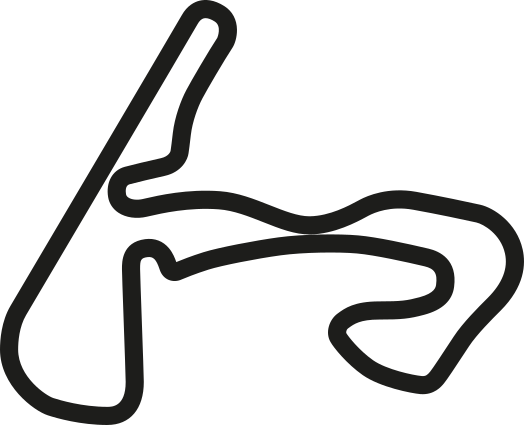
| 6 | Red Bull Ring | 151.3 mph (243.5 km/h) | 204.4 mph (328.9 km/h) | Short lap packed with long straights, heavy braking zones and fast corners. |
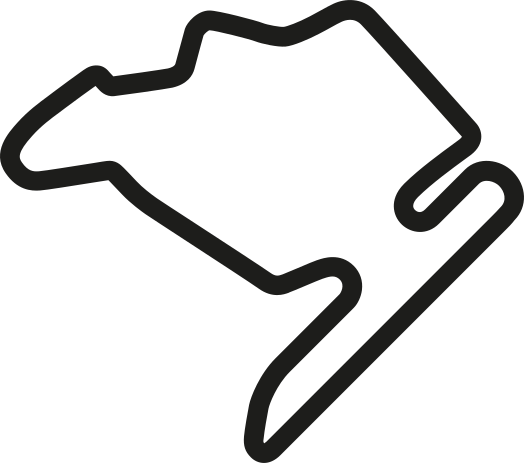
| 7 | Suzuka | 149.3 mph (240.3 km/h) | 192.5 mph (309.8 km/h) | Speed comes from flowing, technical corners rather than long straights. |
| 8 | Las Vegas Strip Circuit | 148.2 mph (238.5 km/h) | 221.2 mph (355.9 km/h) | Massive full-throttle sections balanced by slower technical corners. |
1. Monza – The Temple of Speed
Average qualifying lap speed: 164.3mph (264.4km/h)
Top speed: 221.9mph (357.1km/h)
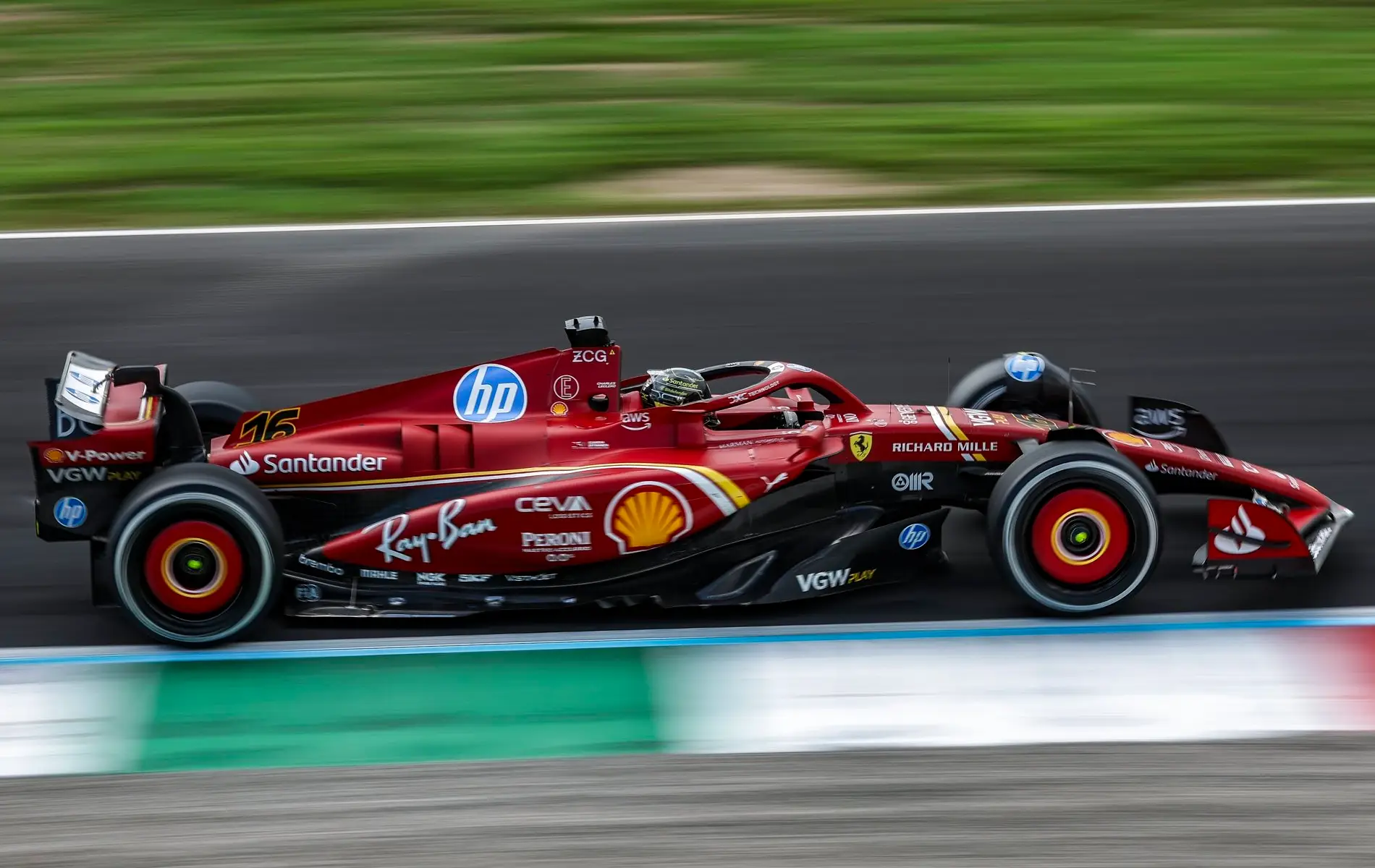
If one circuit defines outright speed, it is Monza.
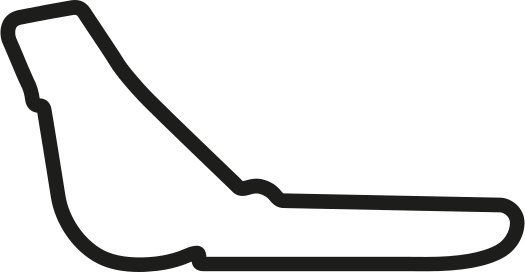
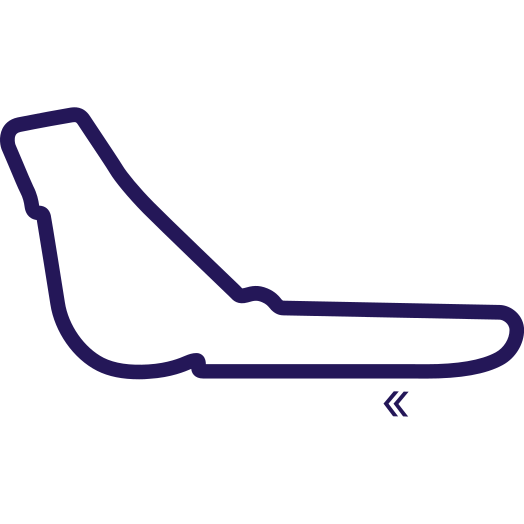
The Italian Grand Prix venue has carried its “Temple of Speed” nickname for generations, and modern Formula 1 continues to justify it. Long straights interrupted by just three chicanes, plus iconic corners including Curva Grande, the Lesmos and Parabolica, create the quickest lap on the Formula 1 calendar.
Italian Grand Prix
Autodromo Nazionale di Monza
Laps 53
First Grand Prix 1950
Circuit Length 5.793km
Race Distance 306.72 km
The latest benchmark arrived in 2025, when Max Verstappen set pole position with an average speed of 164.3mph—edging beyond the previous qualifying lap record and reinforcing Monza’s status as Formula 1’s fastest circuit.
Yet Monza’s significance stretches well beyond the stopwatch. Opened in 1922, it is one of motorsport’s oldest permanent venues and has witnessed some of Formula 1’s most memorable finishes, from Peter Gethin‘s extraordinary 1971 victory by just 0.01 seconds to Charles Leclerc‘s emotional Ferrari triumph before the Tifosi in 2019 and 2024.
Its history also reflects the sport’s evolution in safety. Fatal accidents involving Emilio Materassi, Wolfgang von Trips and Jochen Rindt remain part of Monza’s story, while the circuit itself has continually adapted to modern standards without sacrificing the flat-out character that makes it unique.
2. Jeddah Corniche Circuit – The Fastest Street Circuit
Average qualifying lap speed: 158.2mph (254.6km/h)
Top speed: 212.1mph (341.2km/h)
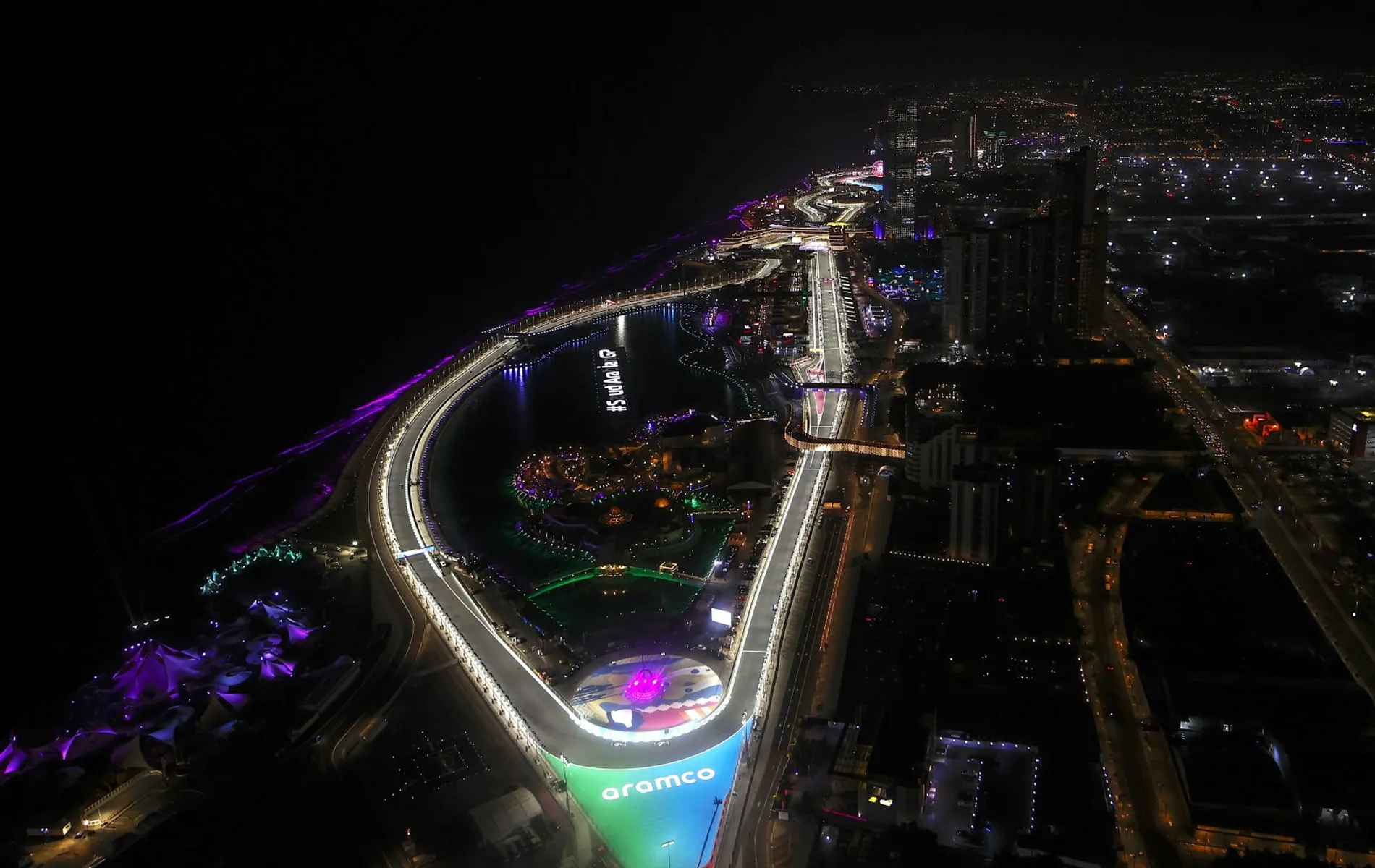
Since joining the Formula 1 calendar in 2021, Jeddah has immediately established itself as one of the most demanding venues in world motorsport.
Unlike traditional street circuits that prioritise slow corners and heavy braking, Jeddah features an extraordinary sequence of fast, flowing bends bordered by unforgiving concrete walls. With 27 corners and almost no margin for error, drivers spend much of the lap threading through blind, high-speed direction changes.
Saudi Arabian Grand Prix
Jeddah Corniche Circuit

Laps 50
First Grand Prix 2021
Circuit Length 6.174km
Race Distance 308.45 km
Its combination of speed and risk has divided opinion. Sergio Pérez described it as one of the calendar’s most dangerous venues, while Carlos Sainz praised the circuit for delivering an adrenaline rush unlike almost anything else in Formula 1.
Several serious accidents—including Mick Schumacher‘s heavy qualifying crash in 2022—prompted visibility improvements and further safety modifications, but Jeddah remains a circuit where precision is rewarded and mistakes are punished instantly.
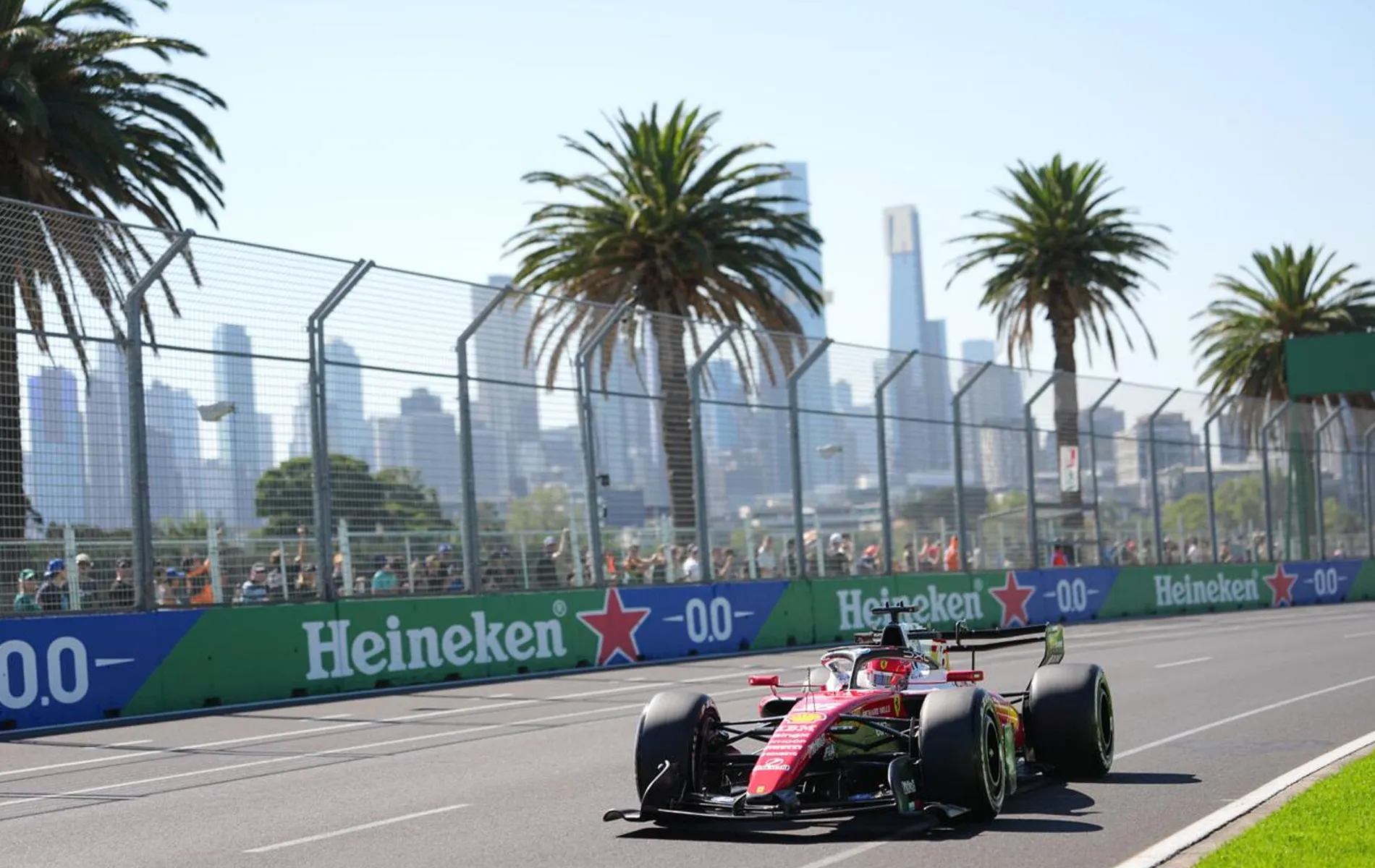
3. Albert Park – Melbourne’s High-Speed Transformation
Average qualifying lap speed: 157.3mph (253.1km/h)
Top speed: 209.0mph (336.3km/h)
Few Formula 1 venues have become faster as dramatically as Albert Park.
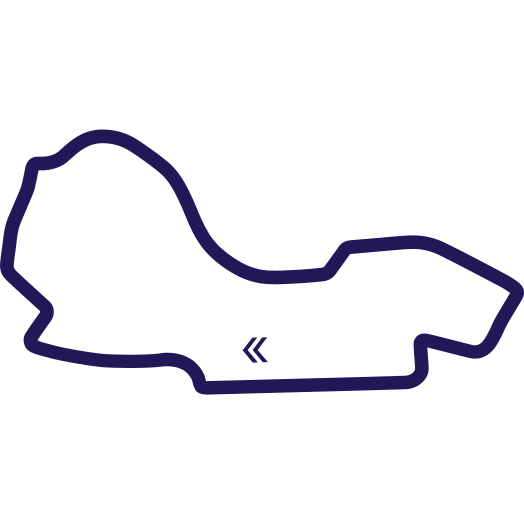
Ahead of Formula 1’s return in 2022, Melbourne underwent one of the most significant circuit redesigns of the modern era. A complete resurfacing, wider corners and the removal of the old Turns 9 and 10 chicane transformed the character of the lap.
Australian Grand Prix
Albert Park Circuit
Laps 58
First Grand Prix 1996
Circuit Length 5.278km
Race Distance 306.124 km
The result was an increase of roughly five seconds in qualifying pace compared to the previous configuration.
Drivers now carry remarkable speed through the revised middle sector before braking heavily for the technical final section. The updated layout has elevated Albert Park into Formula 1’s fastest trio while preserving the close racing that has produced memorable Grands Prix, including Jenson Button‘s masterful wet-weather victory in 2010.
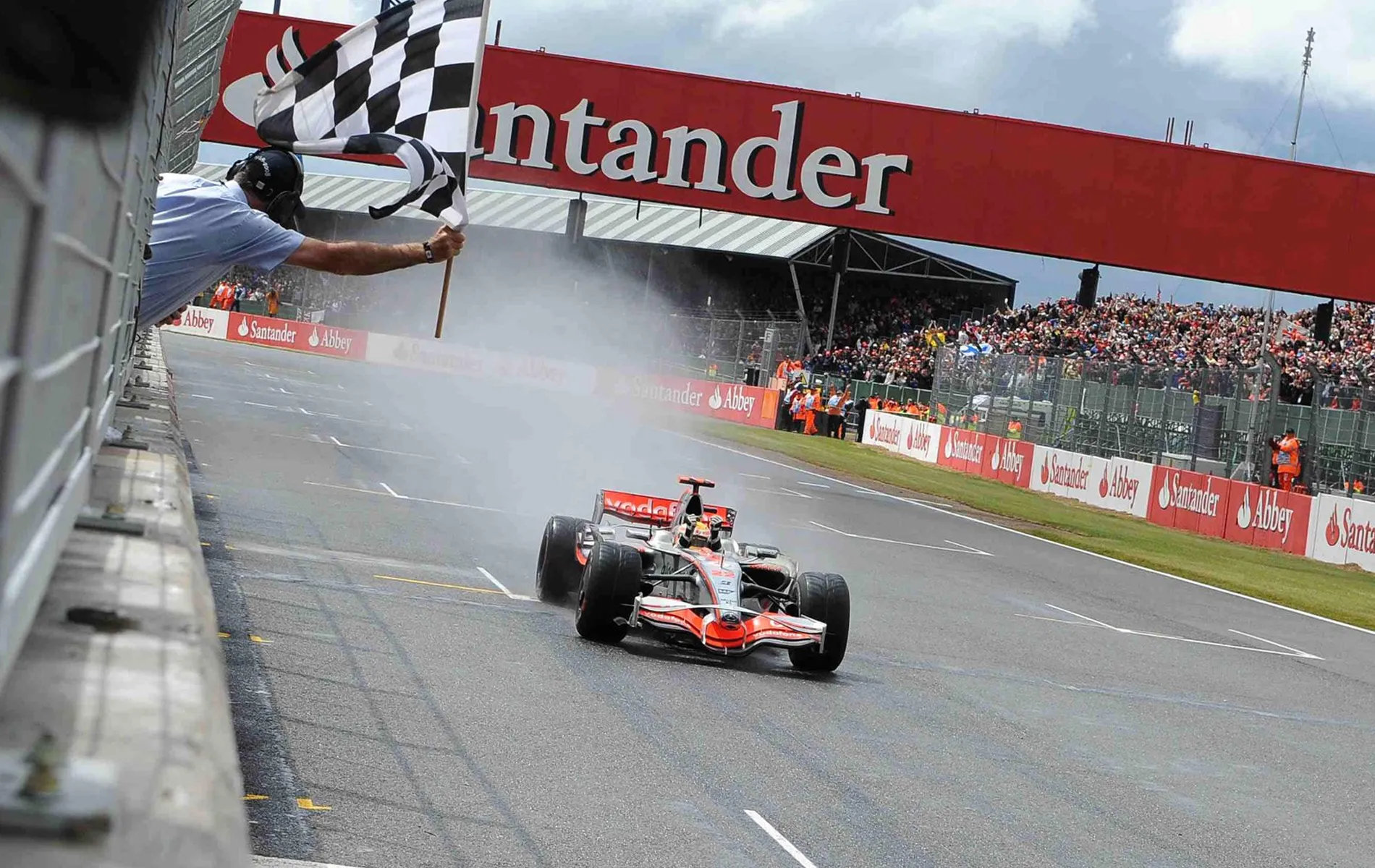
4. Silverstone – High-Speed Cornering at Its Finest
Average qualifying lap speed: 155.5mph (250.3km/h)
Top speed: 208.7mph (335.8km/h)
Silverstone demonstrates that outright speed is not solely about long straights.
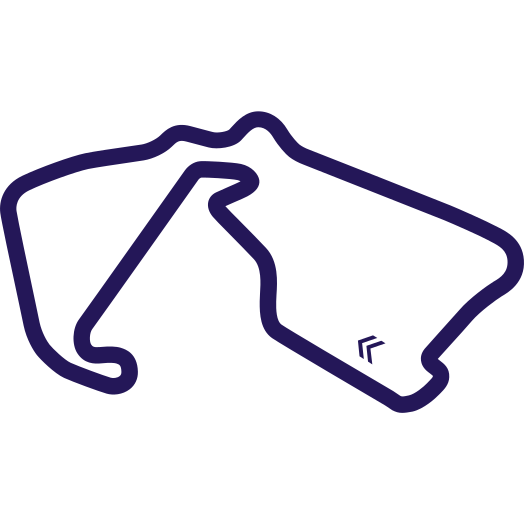
The British Grand Prix circuit rewards aerodynamic efficiency more than almost any other venue, with drivers spending much of the lap carrying enormous speed through legendary sequences including Copse, Maggotts, Becketts and Chapel.
Biritsh Grand Prix
Silverstone Circuit
Laps 52
First Grand Prix 1950
Circuit Length 5.891km
Race Distance 306.198 km
Although the 2010 redevelopment introduced a more technical opening sector, the circuit remains among Formula 1’s quickest. Modern qualifying laps average well beyond 155mph, with drivers balancing bravery and precision through corners that were once almost unimaginable at full throttle.
Silverstone has produced countless defining moments in Formula 1 history, from championship battles to iconic overtakes, while the first-lap collision between Lewis Hamilton and Max Verstappen in 2021 added another dramatic chapter to its legacy.
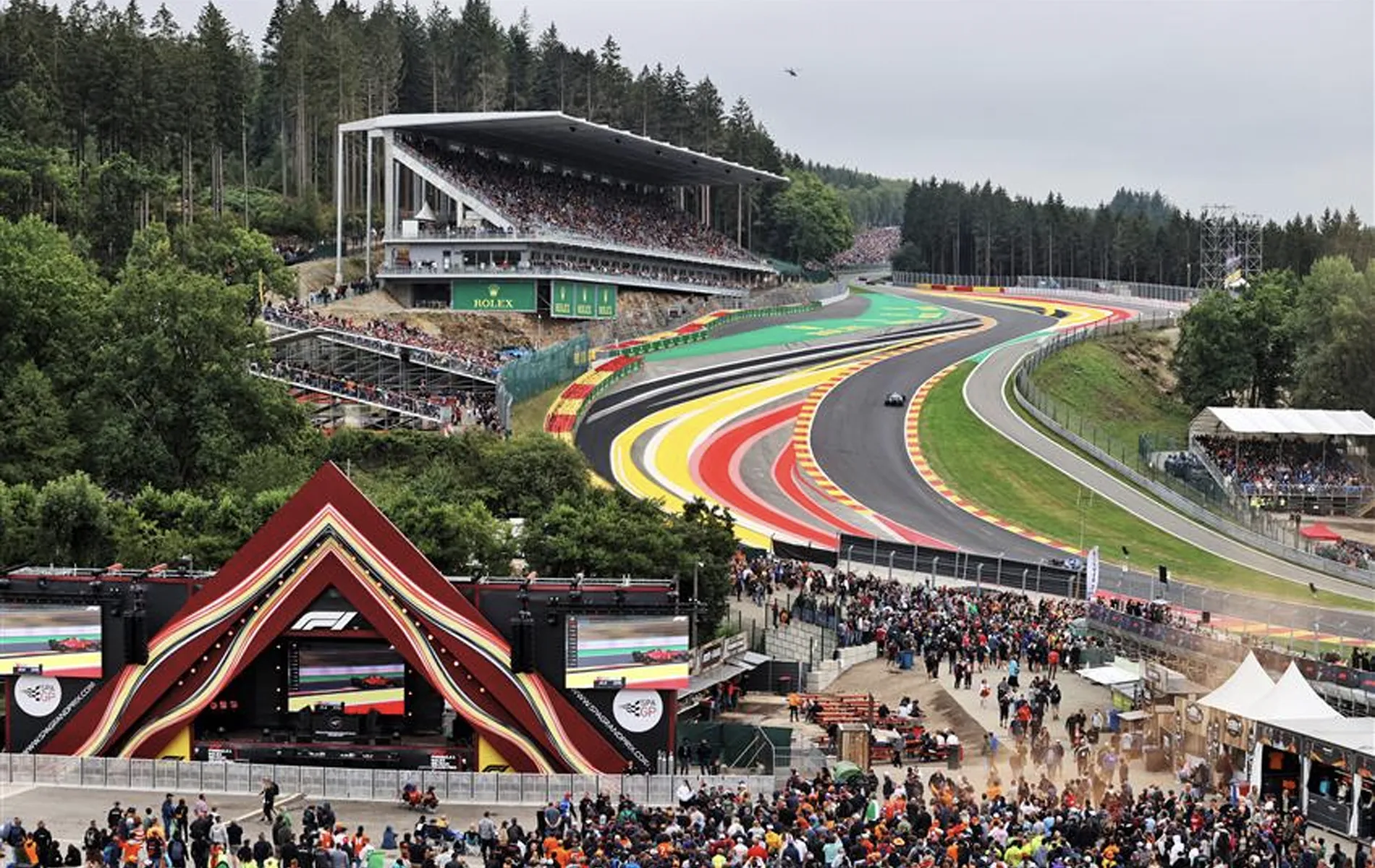
5. Spa-Francorchamps – Speed Through the Ardennes
Average qualifying lap speed: 151.2mph (243.2km/h)
Top speed: 222.0mph (357.2km/h)
Spa-Francorchamps remains one of the greatest driver’s circuits ever created.
Despite multiple layout revisions over the decades, the Belgian venue still combines breathtaking speed with dramatic elevation changes unlike anywhere else in Formula 1.
Belgium Grand Prix
Circuit de Spa-Francorchamps
Laps 44
First Grand Prix 1950
Circuit Length 7.004km
Race Distance 308.052 km
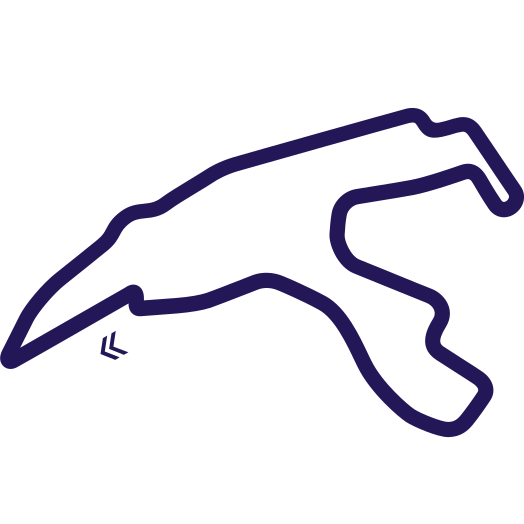
The lap begins quietly at La Source before immediately launching drivers downhill into Eau Rouge and Raidillon, arguably the sport’s most famous corner sequence. Modern Formula 1 cars now take the climb flat-out in qualifying, but the challenge remains immense, particularly in changing weather.
The Kemmel Straight then allows cars to reach around 222mph before another relentless sequence of high-speed corners including Les Combes, Pouhon, Stavelot and Blanchimont.
Spa has long been regarded as one of Formula 1’s purest tests, blending technical excellence, driver commitment and natural landscape into one unforgettable circuit.
6. Red Bull Ring – Short Lap, Big Speeds
Average qualifying lap speed: 151.3mph (243.5km/h)
Top speed: 204.4mph (328.9km/h)
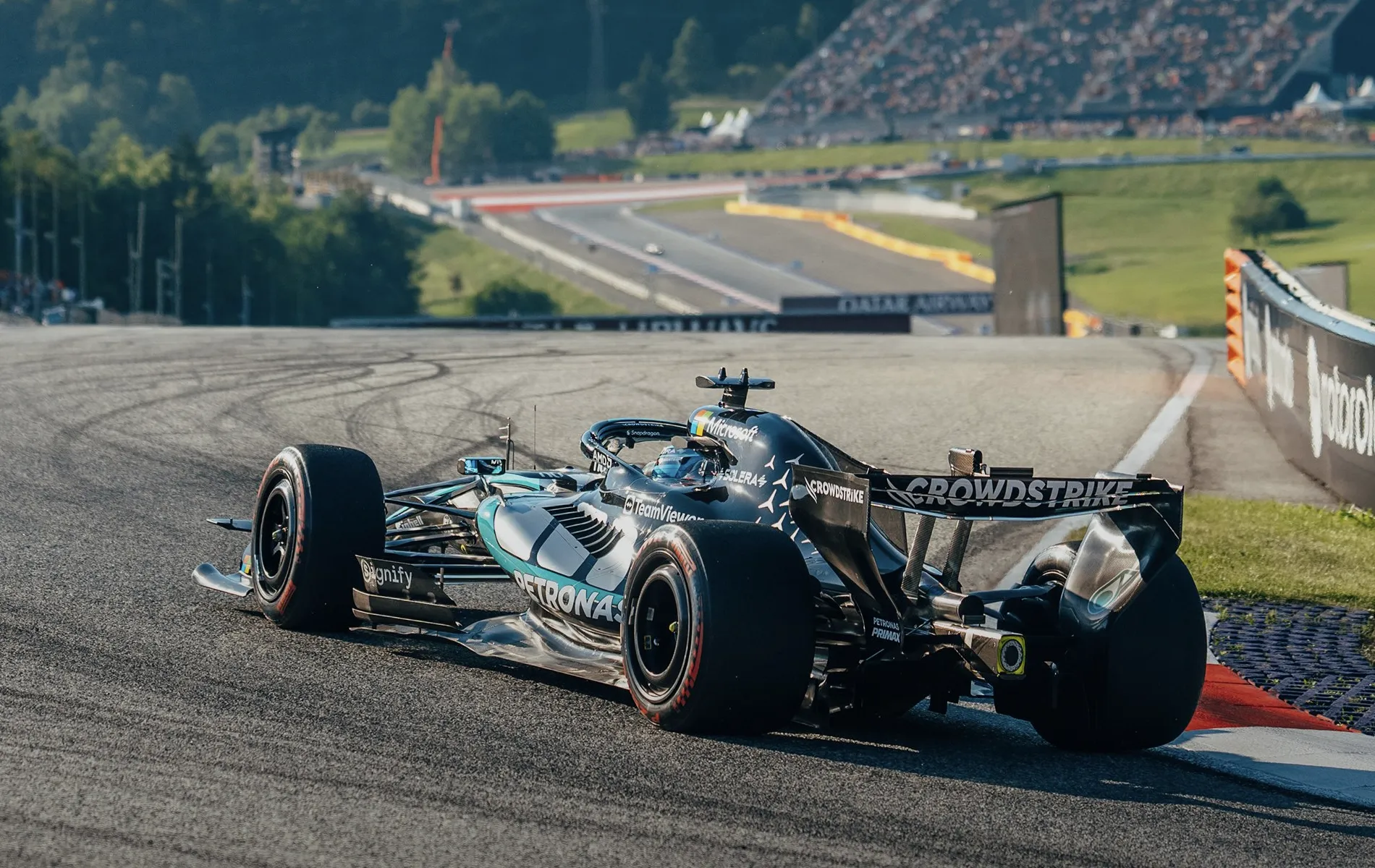
The Red Bull Ring proves that circuit length has little connection to outright pace.
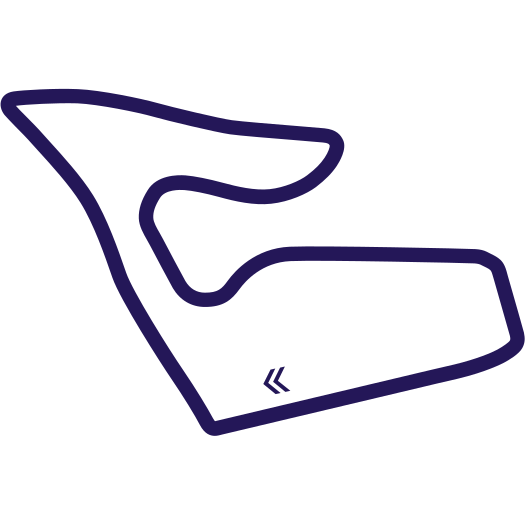
As Formula 1’s shortest lap, it packs three long straights, heavy braking zones and a flowing final sector into little more than four kilometres.
Austrian Grand Prix
Red Bull Ring
Laps 71
First Grand Prix 1970
Circuit Length 4.318km
Race Distance 306.452 km
The circuit’s mountainous setting adds another distinctive element, with drivers climbing steeply away from the start before attacking a series of uphill braking zones that encourage overtaking.
Although many fans still remember the fearsome Österreichring, today’s Red Bull Ring has developed its own identity, producing memorable battles including Max Verstappen‘s victory over Charles Leclerc in 2019 and numerous last-lap fights in recent seasons.
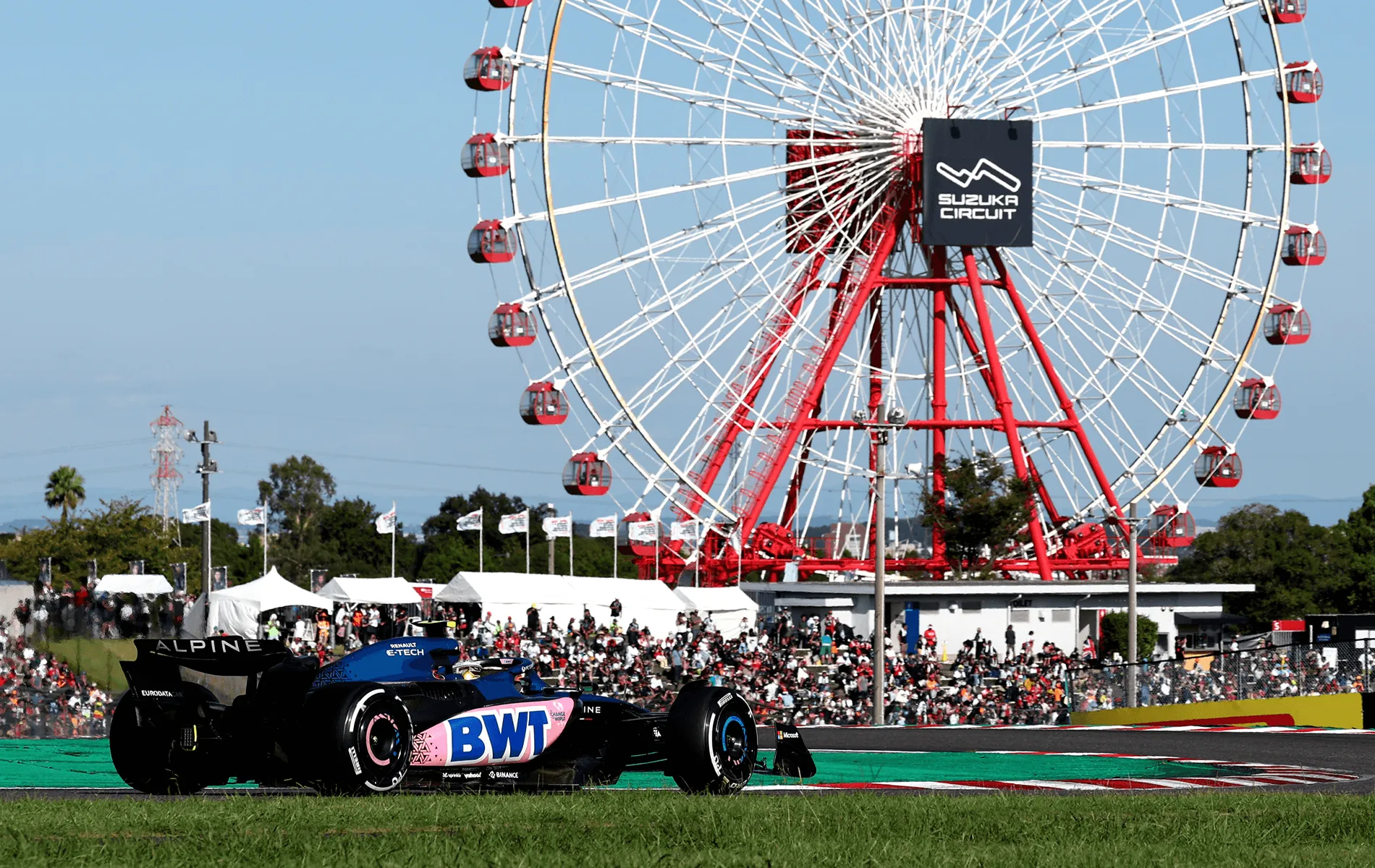
7. Suzuka – The Ultimate Driver’s Challenge
Average qualifying lap speed: 149.3mph (240.3km/h)
Top speed: 192.5mph (309.8km/h)
Suzuka remains one of the most respected circuits in Formula 1.
Unlike Monza, its speed comes less from straight-line acceleration and more from relentless rhythm. The opening S Curves demand absolute precision before drivers tackle the Degners, Spoon Curve and the legendary 130R, one of Formula 1’s greatest high-speed corners.
Japanese Grand Prix
Suzuka International Racing Course
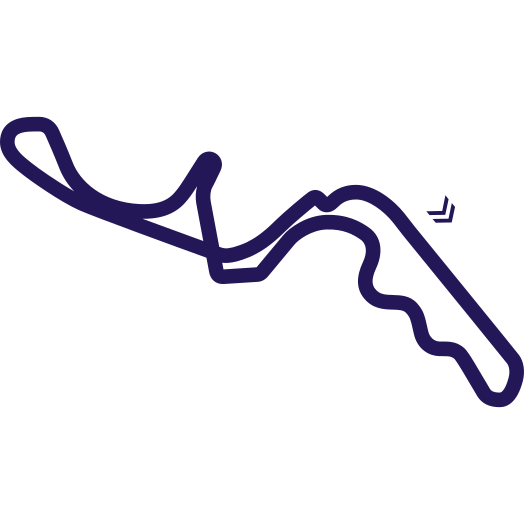
Laps 52
First Grand Prix 1987
Circuit Length 5.281 km
Race Distance 301.664 km
Modern cars complete qualifying laps at almost 150mph on average despite relatively modest maximum speed figures compared to other circuits on this list.
Suzuka has also played host to some of Formula 1’s defining championship moments, including the famous Ayrton Senna and Alain Prost clashes in 1989 and 1990. Its history also includes tragedy, most notably Jules Bianchi‘s (eventual) fatal accident during the 2014 Japanese Grand Prix, an event that accelerated major safety developments across the sport.
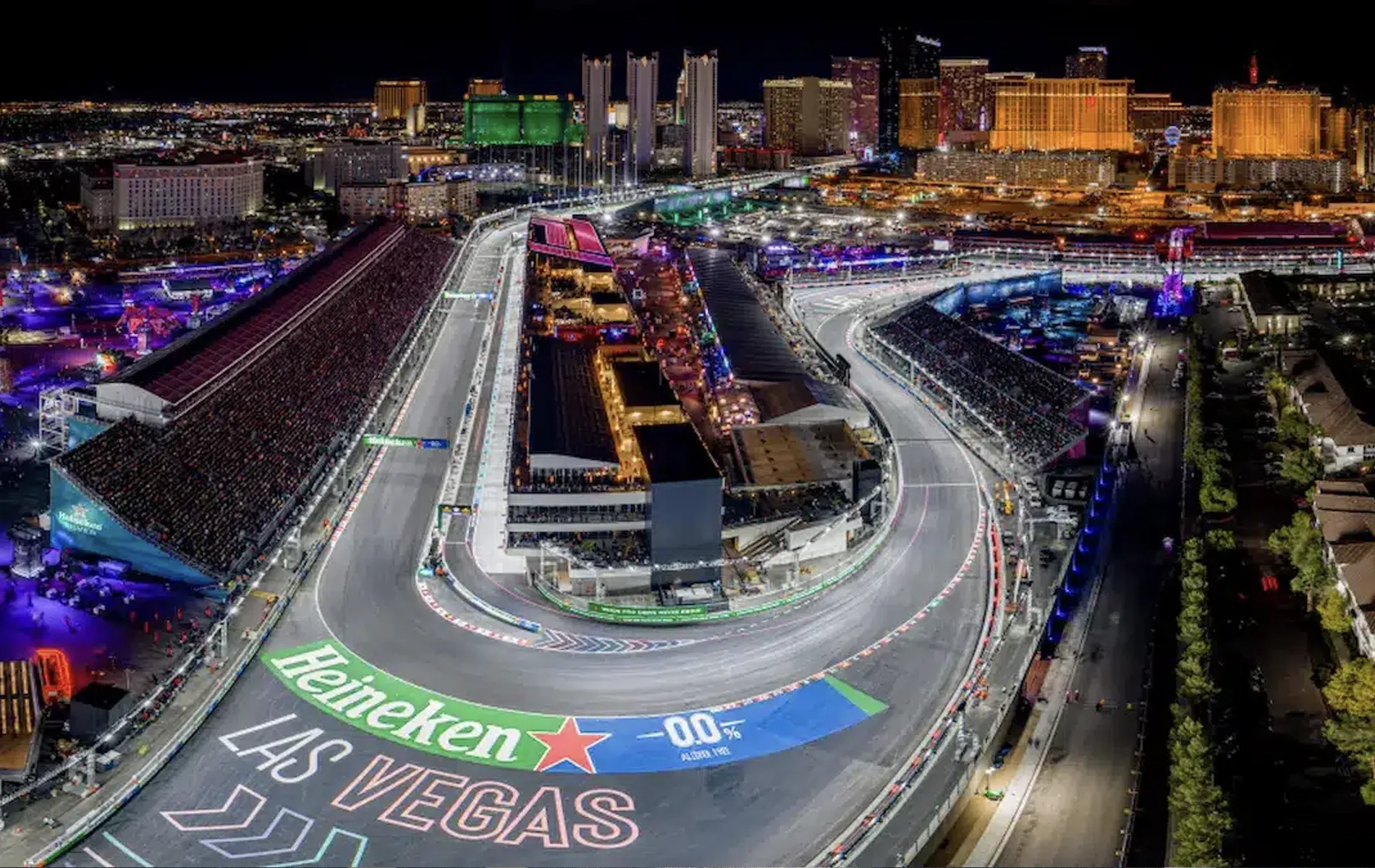
8. Las Vegas Strip Circuit – Formula 1’s New High-Speed Showpiece
Average qualifying lap speed: 148.2mph (238.5km/h)
Top speed: 221.15mph (355.9km/h)
Las Vegas arrived on the Formula 1 calendar in 2023 with a layout unlike any other.
The circuit combines one of the longest full-throttle sections in Formula 1 with slower technical corners around the start-finish complex and the Sphere, creating a fascinating balance between straight-line speed and braking performance.
Las Vegas Grand Prix
Las Vegas Strip Circuit

Laps 50
First Grand Prix 2023
Circuit Length 6.201km
Race Distance 309.958 km
Cars regularly exceed 220mph along the Strip, placing Las Vegas alongside Monza and Spa for outright velocity. However, the slower sections reduce its average lap speed enough to place it eighth on the current list.
It also bears little resemblance to Formula 1’s previous visit to the city. The tight Caesars Palace circuit of the early 1980s was widely disliked by drivers, whereas today’s Strip layout has quickly established itself as one of the championship’s fastest and most visually spectacular venues.
Caesars Palace Grand Prix
Caesars Palace

Laps 75
First Grand Prix 1981
Circuit Length 3.650 km
Race Distance 273.750 km
Speed Means More Than Top Speed
One surprising feature of modern Formula 1 is that the fastest circuits are not necessarily those with the highest recorded speed trap figures.
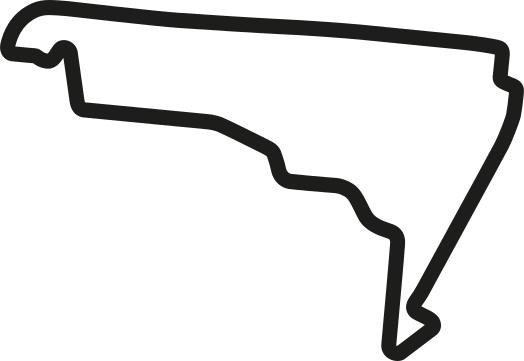
Mexico City’s Autódromo Hermanos Rodríguez, for example, regularly produces some of the highest top speeds thanks to its high-altitude location and thinner air. However, reduced aerodynamic grip means average lap speeds remain significantly lower than circuits such as Monza or Silverstone.
That distinction highlights how Formula 1 performance has evolved. Today’s cars generate extraordinary cornering speeds through ever more sophisticated aerodynamics, allowing average lap records to continue falling even when maximum straight-line speeds change very little.
Seen in: