





















Enzo Anselmo Giuseppe Maria Ferrari (18 February 1898 – 14 August 1988) was far more than the founder of one of the world’s most famous car manufacturers. He was a racing driver, engineer, entrepreneur and uncompromising visionary whose passion for motorsport helped shape Formula One and the modern supercar industry.
As the creator of Scuderia Ferrari, he transformed a small Italian racing outfit into one of the most successful teams in motorsport history before establishing Ferrari as a road car manufacturer synonymous with speed, luxury and engineering excellence. During Enzo Ferrari’s lifetime, the Scuderia secured nine Formula One World Drivers’ Championships and eight Constructors’ Championships, cementing Ferrari’s place at the pinnacle of international racing.
| Born | Enzo Anselmo Giuseppe Maria Ferrari 18 February 1898 Modena, Kingdom of Italy |
|---|---|
| Died | 14 August 1988 (aged 90) Maranello, Italy |
| Occupations | Racecar driver, professional motor racing team entrepreneur, automotive industry executive, and industrialist |
| Known for | Founding Ferrari and Scuderia Ferrari |
| Spouse | Laura Dominica Garello (m. 1923; died 1978) |
| Partner | Lina Lardi |
| Children | Alfredo Ferrari Piero Ferrar |
Ferrari was also a larger-than-life personality. Friends, rivals and journalists all had their own names for him. In Italy he was affectionately called Il Commendatore, while British competitors nicknamed him Il Drake, comparing his relentless competitiveness to the famed English privateer Sir Francis Drake. Later in life he became known by several equally memorable titles, including “The Engineer,” “The Grand Old Man,” “The Wizard,” and “The Patriarch”—all reflecting the immense influence he held over both Ferrari and the wider motorsport world.
Early Life
Enzo Ferrari was born in Modena, Italy, on 18 February 1898, although official records list his birth two days later on 20 February. He was the younger son of Alfredo Ferrari and Adalgisa Bisbini, and grew up alongside his older brother, Alfredo Jr., who was known within the family as Dino.
The Ferrari family home stood on Via Paolo Ferrari, next to the metalworking workshop owned by Enzo’s father. Alfredo manufactured mechanical components while also working with the nearby railway company. Today, the site has been transformed into the Enzo Ferrari Museum, celebrating the life and achievements of Modena’s most famous son.
Unlike many successful industrialists of his era, Enzo was never particularly interested in formal education. Classrooms held little appeal compared with the noisy, busy workshop beside his home, where he spent countless hours learning about machinery, tools and engineering. Watching his father build and repair metal components gave him an early appreciation for precision craftsmanship—something that would later define every Ferrari.
As a teenager, Enzo even helped with construction work, including assisting in the building of the canopy at Giulianova railway station in 1914. At that point, however, his future seemed far from certain.
Like many young boys, he dreamed of several different careers. At various times he imagined becoming an operetta singer, a sports journalist, or eventually a professional racing driver. Only one of those ambitions would survive.
A defining moment came when Enzo was just ten years old. He watched Italian driver Felice Nazzaro win the 1908 Circuito di Bologna, an experience that left a lasting impression. The excitement, noise and bravery of motor racing captivated him, and from that day onward he became determined to build a life around racing.
War and Personal Tragedy
Enzo’s early adulthood coincided with one of the darkest periods in European history.
During the First World War, he served in the 3rd Mountain Artillery Regiment of the Italian Army. Yet while military service shaped many young men of his generation, Ferrari’s greatest hardships came away from the battlefield.
In 1916, tragedy struck the Ferrari family when both his father, Alfredo, and his older brother died during a devastating influenza outbreak that swept across Italy. Losing the two people closest to him at such a young age profoundly affected Enzo and forced him to mature quickly.
Only two years later, during the global influenza pandemic of 1918, Ferrari himself became seriously ill. His condition was severe enough that he was discharged from military service before the war ended. Recovering from the illness gave him a second chance at life—and ultimately allowed him to pursue the career that would make him world famous.
Racing Career
One of Enzo Ferrari’s most famous sayings was: “Second place is the first loser.”
That uncompromising philosophy would define not only his own career but the culture of Ferrari for decades to come.
Breaking Into Motorsport
Following the collapse of his family’s business after the war, Ferrari desperately searched for work within the growing Italian motor industry.
His first choice was Fiat in Turin, but the company rejected his application. Although disappointed, Ferrari refused to give up. Instead, he accepted a position with CMN (Costruzioni Meccaniche Nazionali) in Milan, where he initially worked as a test driver for vehicles converted from military trucks into passenger cars.
The opportunity soon opened the door to competitive racing.
In 1919, Ferrari made his competitive debut in the Parma–Poggio di Berceto hill climb, driving a 2.3-litre four-cylinder CMN 15/20. He finished fourth in the three-litre class—an encouraging result for a newcomer.
Later that year he entered the legendary Targa Florio, one of Europe’s toughest road races. His event ended prematurely when a leaking fuel tank forced him to retire, although the high attrition rate still saw him classified ninth overall.
Joining Alfa Romeo
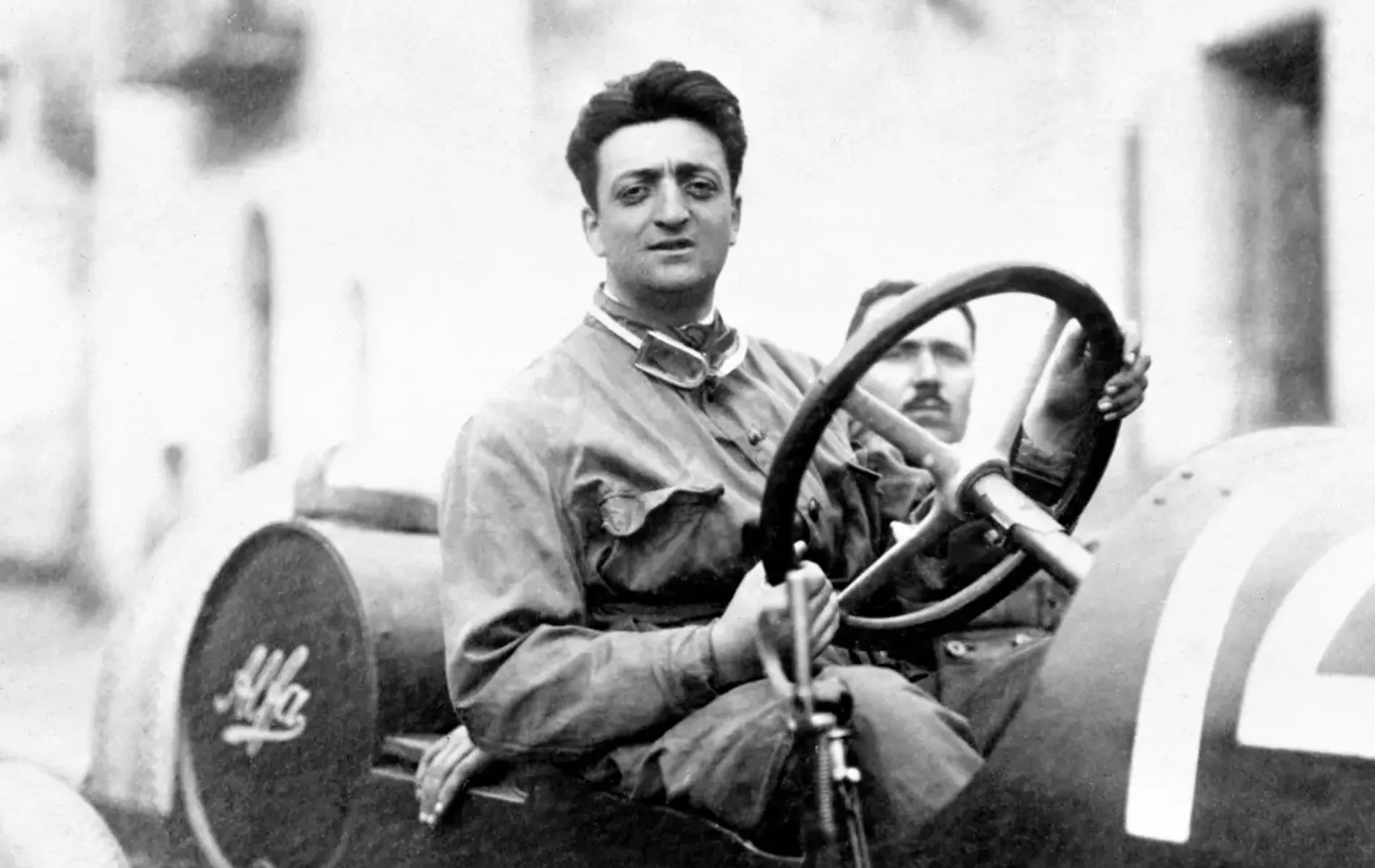
Ferrari’s performances attracted the attention of Alfa Romeo, and in 1920 he joined the manufacturer’s racing department as one of its official drivers.
The move transformed his career.
Over the following years he steadily developed into a respected competitor, claiming his first major race victory in 1923 at the Circuito del Savio near Ravenna.
His finest season came in 1924, when he recorded three important victories, Ravenna, Polesine, and Coppa Acerbo in Pescara.
Although his driving career appeared to be flourishing, Ferrari’s enthusiasm for competing gradually faded.
The deaths of fellow racing drivers Ugo Sivocci in 1923 and Antonio Ascari in 1925 deeply affected him. Both men were close colleagues, and the constant danger of Grand Prix racing forced Ferrari to reconsider his priorities.
While he continued driving, he admitted years later that he no longer raced with the same passion. Instead, he found himself becoming increasingly interested in the strategy, logistics and management behind successful racing teams.
That shift in focus would ultimately prove far more significant than any victory behind the wheel.
The Birth of Scuderia Ferrari
In 1929, Enzo Ferrari founded Scuderia Ferrari, initially operating as Alfa Romeo’s official racing team rather than an independent manufacturer.
The timing proved perfect.
Ferrari assembled an extraordinary line-up featuring some of Italy’s greatest drivers, including Giuseppe Campari and the legendary Tazio Nuvolari. Combined with highly competitive Alfa Romeo machinery—most notably the iconic Alfa Romeo P3—the team quickly established itself as one of Europe’s leading racing organisations.
As Scuderia Ferrari expanded, Enzo increasingly stepped away from driving altogether.
The birth of his son, Alfredo “Dino” Ferrari, in 1932 reinforced his decision to concentrate on team management instead of personal competition.
By the time he retired from racing, Enzo Ferrari had competed in 41 Grands Prix, collecting 11 victories during a career that provided the experience and credibility needed to lead others.
The Story Behind the Prancing Horse
During this period, Ferrari adopted what would become one of the most recognisable emblems in automotive history—the Prancing Horse.
The symbol originally belonged to Francesco Baracca, Italy’s most celebrated fighter pilot during the First World War. Baracca painted the rearing horse on the side of his aircraft and became a national hero before being killed in combat in 1918.
After the war, Baracca’s mother suggested that Ferrari use the horse as a good-luck symbol on his racing cars.
Ferrari embraced the idea, placing the black horse on a yellow shield—the yellow representing his hometown of Modena.
The emblem first appeared on Alfa Romeo race cars entered by Scuderia Ferrari before becoming the official badge of Ferrari road cars when the company launched its own production models in 1947.
Building Ferrari
By the early 1930s, Scuderia Ferrari had become one of the most respected teams in European motorsport. Although it operated Alfa Romeo’s racing programme, Enzo Ferrari was already proving himself to be far more than a former racing driver. He possessed an instinct for identifying talent, organising teams and extracting maximum performance from both people and machines.
Partnership with Alfa Romeo
Initially, the relationship between Alfa Romeo and Scuderia Ferrari was highly successful. Ferrari managed the racing operation while Alfa supplied the cars, creating a partnership that produced impressive results across Grand Prix racing.
In 1933, however, financial difficulties forced Alfa Romeo to withdraw its direct support for the Scuderia. The decision threatened the team’s future, but tyre manufacturer Pirelli stepped in to help secure additional funding, allowing Ferrari to continue competing.
Even with experienced drivers and capable machinery, the competition had changed dramatically.
German manufacturers Mercedes-Benz and Auto Union were receiving enormous government backing and producing technically advanced racing cars that dominated much of European motorsport during the mid-1930s.
Despite the odds, Ferrari’s team still delivered memorable victories.
One of the greatest came at the 1935 German Grand Prix, where the brilliant Tazio Nuvolari defeated the heavily favoured German teams on home soil. Driving an Alfa Romeo prepared by Scuderia Ferrari, Nuvolari beat both Rudolf Caracciola and Bernd Rosemeyer in front of a partisan crowd—a triumph that remains one of the most celebrated upsets in Grand Prix history.
Returning to Alfa Corse
The relationship between Ferrari and Alfa Romeo changed significantly in 1937.
Scuderia Ferrari was dissolved as an independent racing organisation, with Alfa Romeo choosing to bring its competition activities fully back under factory control. The racing department was reorganised as Alfa Corse, and Enzo Ferrari accepted the position of Sporting Director.
Although the role gave him considerable responsibility, Ferrari found it increasingly difficult to work within the company’s corporate structure.
His independent nature frequently clashed with Alfa Romeo management, particularly managing director Ugo Gobbato. Their disagreements eventually became impossible to resolve.
In 1939, Ferrari resigned.
It was a defining moment. After spending nearly two decades helping build Alfa Romeo’s racing success, he was finally free to pursue his own ambitions.
Auto-Avio Costruzioni
Leaving Alfa Romeo came with an important restriction.
As part of his departure agreement, Ferrari was prohibited from using his own surname in connection with racing cars or competitions for four years. It was an attempt to prevent him from becoming a rival immediately.
Rather than fighting the agreement, Ferrari simply worked around it.
He founded Auto-Avio Costruzioni, a company based in Modena that manufactured engineering components and supplied parts to other racing teams.
Even under the contractual restrictions, Ferrari could not resist building racing cars.
For the 1940 Mille Miglia, Auto-Avio Costruzioni produced two competition cars known as the 815. Driven by Alberto Ascari and Lotario Rangoni, they represented Ferrari’s first attempt at designing his own race cars—even though they could not officially bear the Ferrari name.
The project demonstrated that Ferrari’s ambitions extended far beyond managing other manufacturers.
The Impact of the Second World War
Any momentum generated by the new company was quickly interrupted by the outbreak of the Second World War.
Like many Italian manufacturers, Ferrari’s factory was required to support wartime production for Benito Mussolini’s government. Instead of racing cars, the business turned its attention to manufacturing components needed for the war effort.
As Allied bombing intensified, Ferrari made another pivotal decision.
He relocated his operations from Modena to nearby Maranello, a small town that would forever become associated with the Ferrari name.
The move was initially a practical necessity, but it would ultimately establish Maranello as the permanent home of Ferrari.
Even today, Ferrari’s headquarters remain there.
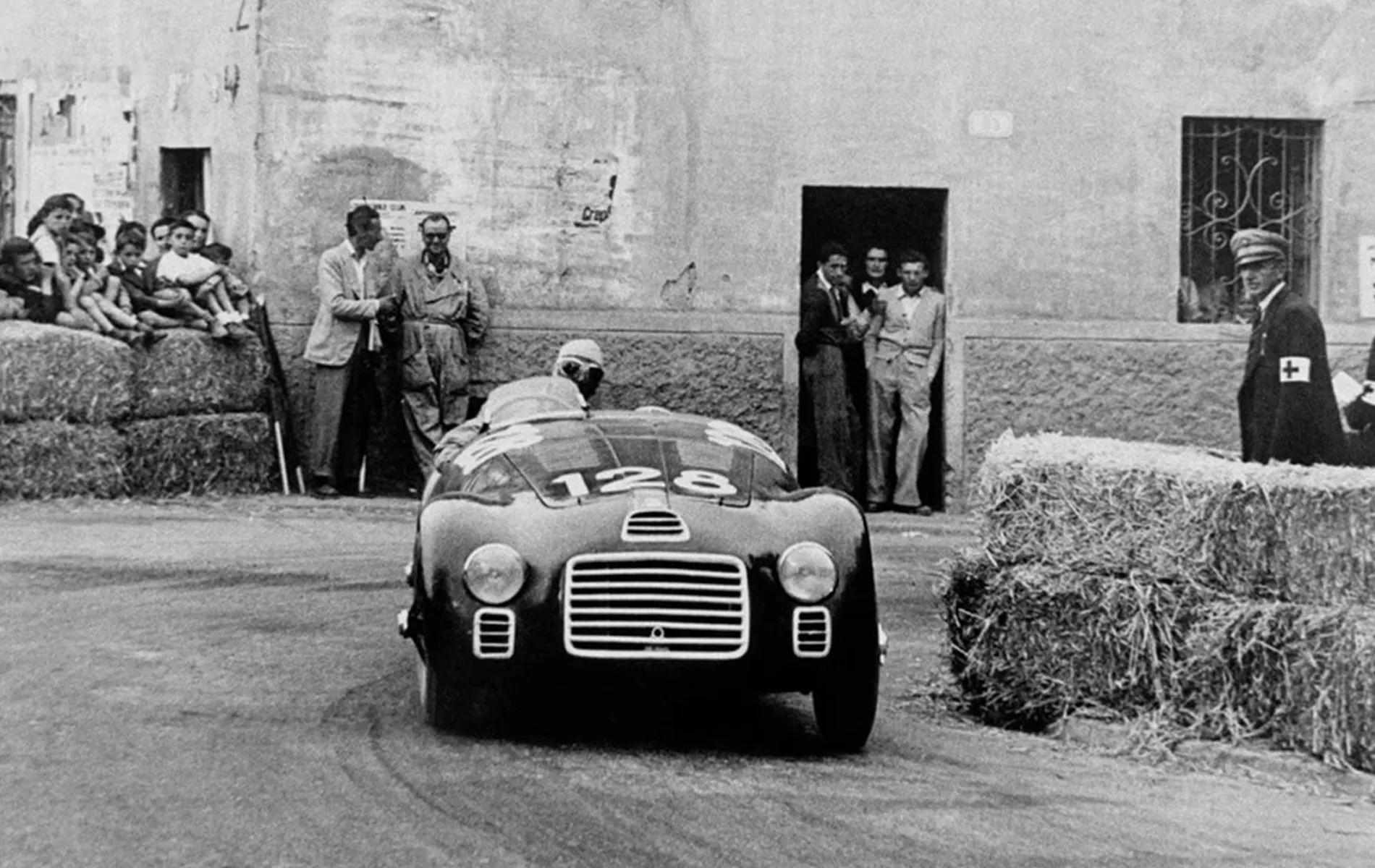
Ferrari S.p.A. Is Born
When the war finally ended, Enzo Ferrari faced perhaps the biggest decision of his career.
Rather than returning to Alfa Romeo or simply continuing as a supplier, he chose to build cars carrying his own name.
In 1947, Ferrari S.p.A. was officially established.
It marked the beginning of a new chapter—not only for Ferrari himself but for automotive history.
The company’s very first production model, the Ferrari 125 S, featured a sophisticated V12 engine designed by Gioachino Colombo. Although only a handful were built, the car established the engineering philosophy that would define Ferrari for decades: lightweight construction, powerful engines and uncompromising performance.
Racing Under the Ferrari Name
Enzo Ferrari never intended to become simply a road car manufacturer.
His true passion remained competition.
The new Ferrari team entered its first open-wheel race in Turin in 1948, giving the young company an opportunity to compete directly against many of the manufacturers Ferrari had once managed or worked alongside.
Success came quickly.
Later that same year, Ferrari secured its first victory at Lago di Garda, proving that the company could compete at the highest level despite its limited resources.
An even greater milestone followed in 1949.
A Ferrari 166 MM, driven by Luigi Chinetti and Peter Mitchell-Thomson (Baron Selsdon), claimed victory at the prestigious 24 Hours of Le Mans.
Winning Le Mans established Ferrari as a serious force in international endurance racing and gave the young manufacturer worldwide credibility.
Formula One Begins
The creation of the Formula One World Championship in 1950 opened another exciting opportunity.
Ferrari entered the inaugural championship and achieved something no other team has managed since.
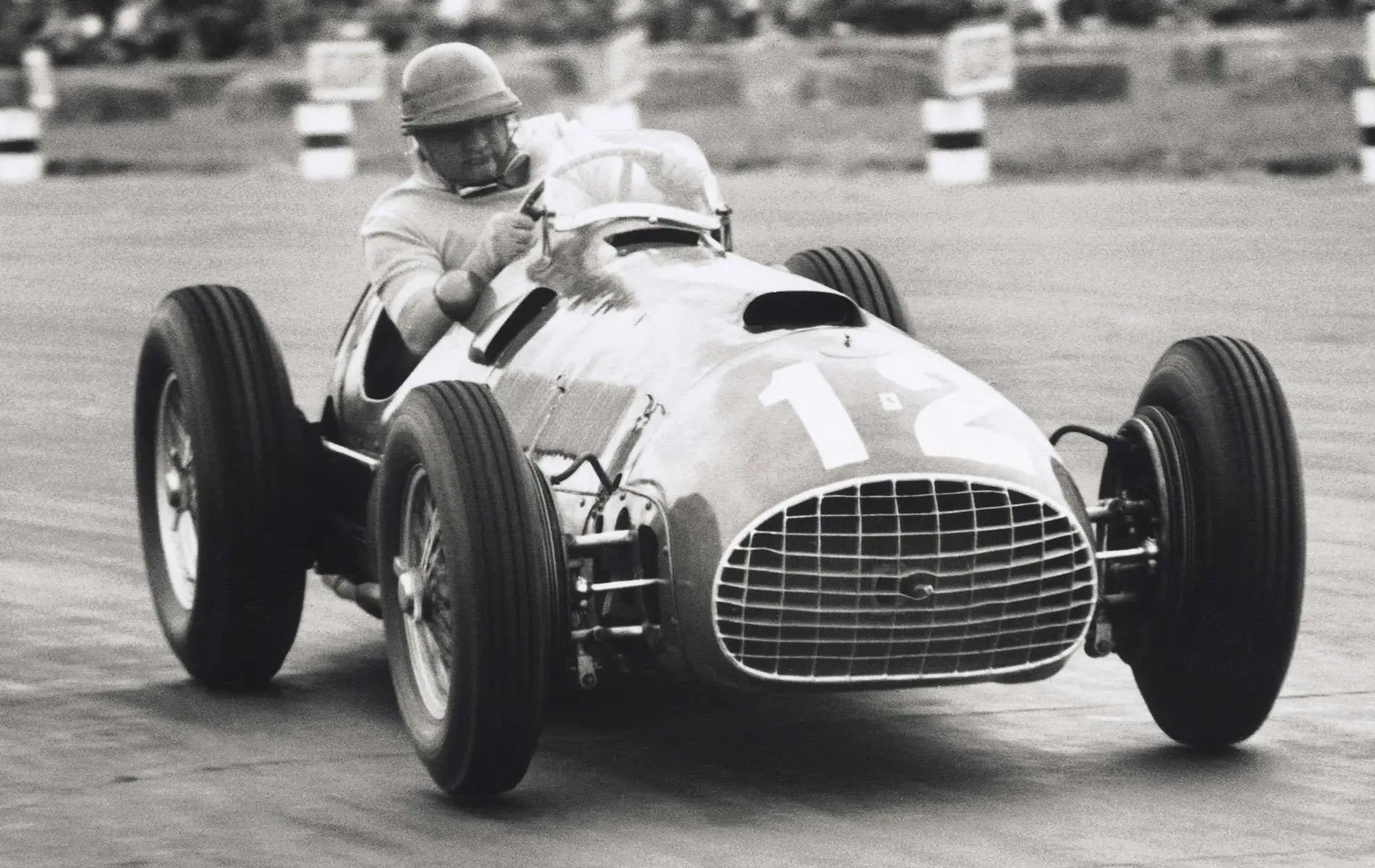
The Scuderia has competed in every Formula One World Championship season since the series began, making it the only team to maintain an unbroken presence throughout the sport’s entire history.
Ferrari’s first Formula One World Championship race victory arrived in 1951 at Silverstone, where José Froilán González defeated Alfa Romeo’s dominant Alfetta 159.
According to one famous story, Enzo Ferrari became so emotional after finally beating his former employer that he openly wept.
Whether entirely true or not, the victory symbolised Ferrari’s arrival as a true Formula One powerhouse.
The First Championships
The breakthrough quickly turned into sustained success.
In 1952, Ferrari secured its first Formula One World Drivers’ Championship with Alberto Ascari.
Ascari successfully defended the title the following year, giving Ferrari consecutive world championships and firmly establishing the Scuderia among the sport’s elite.
That same season, Ferrari also ventured into American motorsport by entering the Indianapolis 500.
The experiment was short-lived.
Driving a specially prepared Ferrari, Alberto Ascari crashed on lap 41, bringing the company’s only Indianapolis 500 attempt to an early end.
Selling Road Cars to Fund Racing
Unlike many manufacturers, Ferrari never viewed road cars as the company’s primary purpose.
Instead, Enzo often described them as a means of financing his real passion: racing.
The profits generated by Ferrari’s growing range of sports cars helped fund increasingly expensive programmes in Formula One, Le Mans, the Mille Miglia and numerous other international events.
This philosophy became one of Ferrari’s defining characteristics.
Rather than racing to advertise road cars, Ferrari built road cars so that he could continue racing.
That approach shaped the company throughout Enzo’s lifetime and remains part of Ferrari’s identity today.
Triumph and Tragedy at the Mille Miglia
Ferrari enjoyed considerable success in the Mille Miglia, one of Italy’s most famous road races.
Victories in the event enhanced the company’s reputation and introduced Ferrari to an ever-growing audience of enthusiasts.
However, the race also exposed the dangers of motorsport during the 1950s.
Cars became dramatically faster, while public roads remained narrow and largely unprotected. Spectators often stood only metres from vehicles travelling at extraordinary speeds.
The dangers became horrifyingly clear during the 1957 Mille Miglia.
Near the town of Guidizzolo, Alfonso de Portago was driving a Ferrari 335 S at around 250 km/h (160 mph) when a tyre failed.
The car crashed into spectators lining the roadside.
De Portago, his co-driver and nine spectators, including five children, lost their lives.
The tragedy shocked Italy.
Ferrari and tyre manufacturer Englebert were both charged with manslaughter, beginning a lengthy legal case that attracted enormous public attention.
After several years of investigation and court proceedings, the charges were finally dismissed in 1961.
Despite the legal outcome, the accident marked the end of an era and contributed significantly to the decision to discontinue the Mille Miglia as an open-road race.
Ferrari’s Racing Empire Grows
Despite the controversy surrounding the Mille Miglia, Ferrari’s commitment to motorsport never wavered. If anything, Enzo became even more determined to prove that his company belonged at the very top of world racing.
Away from the circuit, he also wanted to shape how the sport was discussed.
Supporting Motorsport Journalism
By the early 1960s, Ferrari had grown increasingly frustrated with the quality and tone of motorsport reporting in the Italian press. He believed racing deserved more informed coverage from people who truly understood the sport.
In 1961, he backed Bologna-based publisher Luciano Conti in launching a new motorsport magazine called Autosprint.
Ferrari didn’t simply lend his name to the publication—he actively contributed to it. For several years, he wrote articles and shared his thoughts on racing, engineering and the future of motorsport, giving readers a rare glimpse into the mind of one of the sport’s most influential figures.
Dominating Endurance Racing
While Ferrari was steadily becoming a Formula One powerhouse, the company also established itself as the dominant force in endurance racing.
The 24 Hours of Le Mans proved to be particularly successful.
Ferrari cars claimed nine overall victories, including an extraordinary run of six consecutive wins between 1960 and 1965. Those triumphs cemented the manufacturer’s reputation for producing machines that combined outright speed with remarkable reliability over one of the toughest races in the world.
At the same time, Ferrari continued collecting Formula One success.
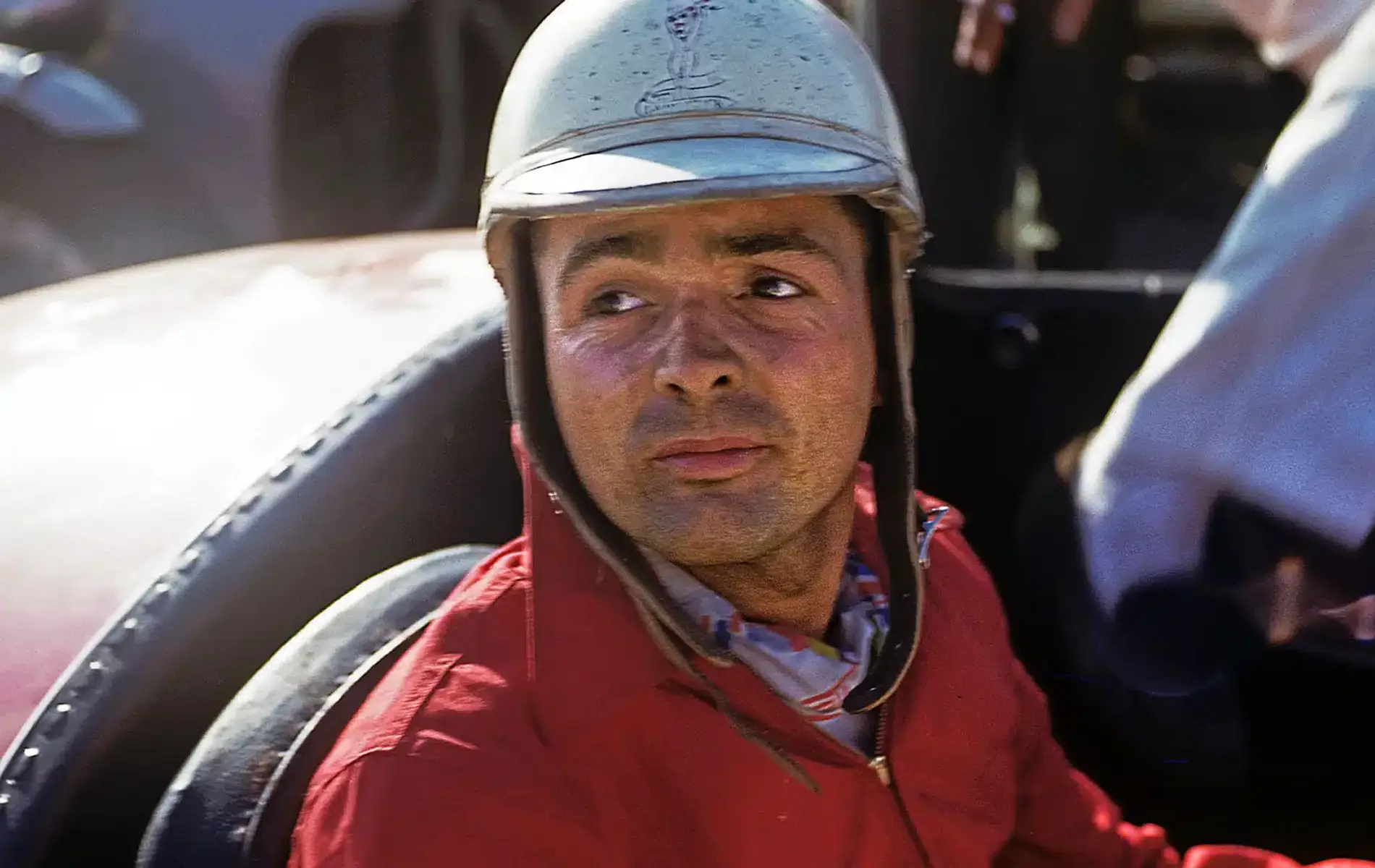
The Scuderia captured World Drivers’ Championships with some of the greatest racers of the era, including Juan Manuel Fangio in 1956, Mike Hawthorn in 1958 and Phil Hill in 1961
These championships reinforced Ferrari’s status as the benchmark by which every other Formula One team was measured.
The Great Walkout
By the beginning of the 1960s, Enzo Ferrari had become almost as famous for his management style as he had for his racing success.
Brilliant, demanding and uncompromising, he expected absolute loyalty from everyone who worked for him. While many admired his leadership, others found it impossible to work under his authority.
Those tensions eventually exploded into one of the most dramatic moments in Ferrari’s history.
A Company Divided
In 1962, disagreements within Ferrari reached breaking point.
A group of senior executives—including sales manager Girolamo Gardini, team manager Romolo Tavoni, chief engineer Carlo Chiti, sports car designer Giotto Bizzarrini and several other influential figures—left the company following a bitter dispute.
The departures became known as “The Great Walkout.”
Rather than quietly moving elsewhere within the automotive industry, many of the departing employees joined forces to establish a rival manufacturer and Formula One team called Automobili Turismo e Sport (ATS).
Based in Bologna and financially supported by Count Giovanni Volpi, ATS attempted to challenge Ferrari both on the road and on the racetrack.
The new company even persuaded two Ferrari drivers—Phil Hill and Giancarlo Baghetti—to make the switch.
For many businesses, losing so much senior talent at once would have been devastating.
Ferrari responded in typical fashion.
Backing a New Generation
Instead of dwelling on those who had left, Enzo turned his attention to the people who remained.
He promoted several promising young engineers into positions of responsibility, including: Mauro Forghieri, Sergio Scaglietti and Giampaolo Dallara.
Each would go on to become a hugely influential figure in automotive engineering.
Ferrari also rebuilt his driver line-up, bringing in talented competitors such as: Ludovico Scarfiotti, Lorenzo Bandini, Willy Mairesse and John Surtees. The reshuffle represented a significant gamble.
Experienced managers had departed, key projects were still under development, and Ferrari faced intense competition from rival manufacturers.
A Crisis Becomes an Opportunity
The timing of the walkout could hardly have been worse.
Engineers were already working on a new model derived from the famous Ferrari 250, and there were serious doubts about whether development could continue successfully after so many senior designers had left.
Yet the crisis unexpectedly accelerated Ferrari’s evolution.
The newly promoted Mauro Forghieri became one of the company’s greatest technical minds, while Ferrari’s emerging Dino racing programme laid the groundwork for a series of highly competitive mid-engined sports prototypes.
Among them was the Ferrari 250 P, a car that would become one of the manufacturer’s most successful endurance racers.
On the Formula One front, John Surtees rewarded Ferrari’s faith by winning the 1964 World Drivers’ Championship after a closely fought battle with Jim Clark and Graham Hill.
Away from racing, Ferrari’s road car business also gathered momentum.
The Dino models proved popular with customers, while future icons such as the Ferrari 275 and the legendary Daytona were already taking shape.
Meanwhile, ATS struggled almost from the outset.
Its Formula One campaign in 1963 proved deeply disappointing. Reliability problems plagued the team, and both cars retired repeatedly throughout the season.
By the end of the year, ATS had effectively collapsed.
Ferrari had survived one of the greatest internal crises in its history—and emerged stronger than before.
Looking Back
For decades, the circumstances surrounding the Great Walkout remained the subject of speculation.
Then, in 1998, former Ferrari manager Romolo Tavoni offered a different perspective.
According to Tavoni, the senior staff had not chosen to leave voluntarily but had instead been dismissed following disagreements over the involvement of Enzo Ferrari’s wife, Laura, in company affairs.
Reflecting on the events many years later, Tavoni admitted that the situation had been handled poorly on both sides. Rather than resolving the dispute through honest conversation, legal action and personal tensions escalated the conflict until reconciliation became impossible.
Regardless of who was ultimately responsible, the Great Walkout remains one of the defining episodes in Ferrari history—an event that reshaped the company and paved the way for a new generation of engineers who would help build Ferrari’s future.
Merging with Fiat
By the late 1960s, Ferrari had established itself as one of the world’s most admired automotive brands.
Its racing teams were competing across multiple championships, while demand for Ferrari road cars continued to grow around the globe.
Success, however, came at a price.
Rising Costs
Building high-performance road cars was becoming increasingly expensive.
Governments were introducing stricter safety standards and emissions regulations, forcing manufacturers to invest heavily in research and development.
At the same time, Ferrari remained committed to competing in Formula One, endurance racing and several other motorsport categories.
For a relatively small independent company, maintaining that level of investment was becoming increasingly difficult.
Enzo Ferrari realised that if his company was to continue competing with larger manufacturers, it needed a powerful financial partner.
The Ford Negotiations
Before reaching an agreement with Fiat, Ferrari explored another possibility.
In 1963, the American giant Ford Motor Company entered negotiations to purchase Ferrari for approximately US$18 million.
For months, the discussions progressed positively.
Then everything changed.
As the contracts neared completion, Enzo discovered that Ford intended to retain control over Ferrari’s racing activities.
That was one compromise he refused to make.
Racing was the heart of Ferrari’s identity, and Enzo had no intention of surrendering authority over the Scuderia.
He walked away from the deal at the final moment.
The failed negotiations would later inspire one of the automotive industry’s greatest rivalries, eventually leading Ford to develop the GT40 specifically to defeat Ferrari at Le Mans.
Joining Forces with Fiat
Ferrari found a more suitable partner in Fiat. The relationship had already begun in 1965, when Fiat acquired a small stake in the company.
A much larger agreement followed in 1969. Under its terms, Fiat purchased 50% of Ferrari, providing the company with the financial stability it needed for future growth.
Crucially, Enzo negotiated one condition that mattered above all others.
He retained complete control of Ferrari’s racing operations.
Fiat also agreed to provide significant financial support while allowing Ferrari to continue operating from its factories in Maranello and Modena.
For Enzo, it was the perfect compromise. Ferrari gained the resources of one of Italy’s largest industrial groups without sacrificing the independence of the Scuderia—the one part of the business he valued above everything else.
A New Era Under Fiat
The partnership with Fiat marked the beginning of a new chapter for Ferrari. While Enzo remained the guiding force behind the company, he gradually stepped back from the day-to-day management of the road car business, allowing trusted colleagues to oversee its growing commercial success.
In 1971, Ferrari officially relinquished his role as managing director of the road car division, choosing instead to focus his energy where his heart had always been—motor racing.
Building for the Future
One of Enzo Ferrari’s greatest strengths was recognising talent, not only behind the wheel but also in the boardroom.
In 1974, he appointed the young Luca Cordero di Montezemolo as Sporting Director and Formula One Team Manager. Although relatively inexperienced at the time, Montezemolo quickly impressed Ferrari with his leadership and organisational skills.
The appointment proved to be one of the most significant decisions in Ferrari’s modern history. Montezemolo would later become president of Ferrari in 1992, leading the company through one of its most successful commercial and sporting periods before stepping down in 2014.
Returning to the Top
Ferrari’s Formula One fortunes improved dramatically during the 1970s.
Swiss driver Clay Regazzoni finished runner-up in the 1974 World Championship, signalling that Ferrari was once again capable of challenging for titles.
The breakthrough arrived a year later.
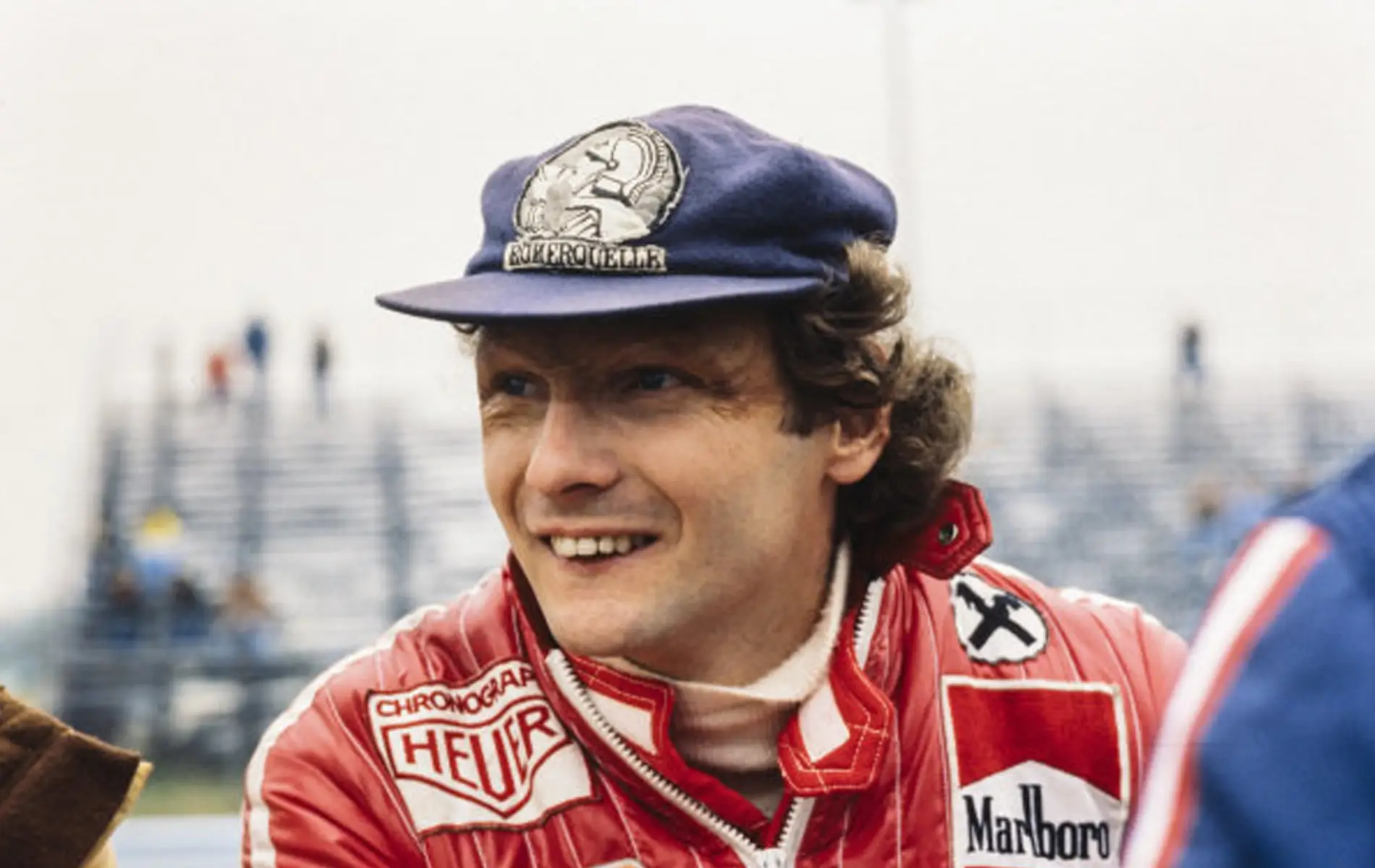
Driving the Ferrari 312T, Niki Lauda captured the 1975 Formula One World Drivers’ Championship, ending an 11-year wait for Ferrari’s next title. The combination of Lauda’s precision, Mauro Forghieri’s engineering brilliance and Ferrari’s relentless pursuit of excellence restored the Scuderia to the summit of Formula One.
Lauda repeated the achievement in 1977, securing another world title despite missing part of the previous season after his near-fatal accident at the Nürburgring.
The Arrival of Gilles Villeneuve
One of Ferrari’s most controversial decisions came during the 1977 season, when he chose to replace reigning World Champion Niki Lauda with the relatively unknown Canadian driver Gilles Villeneuve.
Many observers questioned the move.
Villeneuve had little Formula One experience and had yet to prove himself at the highest level. To Ferrari, however, statistics mattered less than character.
He believed Villeneuve possessed the same fearless spirit he had admired decades earlier in Tazio Nuvolari.
That belief was spectacularly reinforced during the 1979 French Grand Prix.
Although Villeneuve finished second behind Renault’s René Arnoux, the race became legendary because of the breathtaking wheel-to-wheel battle between the two drivers over the closing laps.
Technical director Mauro Forghieri later recalled that Ferrari was absolutely delighted after the race.
Despite not winning, Enzo viewed Villeneuve’s performance as a perfect example of courage, determination and racing instinct. According to Forghieri, he had never seen Ferrari happier about a second-place finish.
The Modena Aerautodrome
Away from Formula One, Enzo Ferrari continued looking for ways to improve the development of his cars.
By the early 1970s, he had become increasingly frustrated with the condition of the Aerautodromo di Modena, the local circuit traditionally used by manufacturers for testing.
A Better Testing Facility
Ferrari joined forces with fellow Modena manufacturers Maserati and Automobili Stanguellini in urging local authorities and the Automobile Club d’Italia to modernise the ageing circuit.
They argued that the track no longer reflected the demands of contemporary racing cars and lacked the facilities needed for effective development.
Although the proposal initially received support, political delays and a lack of funding meant the project never progressed.
Rather than waiting for someone else to solve the problem, Ferrari chose to build his own.
Creating Fiorano
Enzo purchased land beside the Ferrari factory in Maranello and commissioned the construction of a dedicated private test circuit.
The result was the Fiorano Circuit, approximately three kilometres in length.
Unlike public race tracks, Fiorano was designed specifically for development work. Engineers could evaluate new engines, suspension systems and aerodynamics without the restrictions imposed by competitive events.
The circuit quickly became one of Ferrari’s greatest engineering assets.
Decades later, Fiorano remains an integral part of Ferrari’s operations, with both Formula One cars and road-going models continuing to undergo testing on the same circuit envisioned by Enzo Ferrari.
Final Years
As Ferrari entered the final decade of his life, his company remained one of the sport’s biggest names, but Formula One was becoming increasingly competitive.
Although the Scuderia continued winning races, championship success became harder to achieve.
Difficult Seasons
After Jody Scheckter claimed Ferrari’s most recent Drivers’ Championship in 1979, expectations were high for the following season.
Instead, 1980 proved deeply disappointing. The team struggled with an uncompetitive car and endured one of its weakest campaigns in years. Never willing to stand still, Ferrari responded by embracing new technology.
In 1981, the Scuderia committed to turbocharged engines, believing they represented the future of Formula One.
The decision laid the foundations for a dramatic recovery.
Promise and Heartbreak in 1982
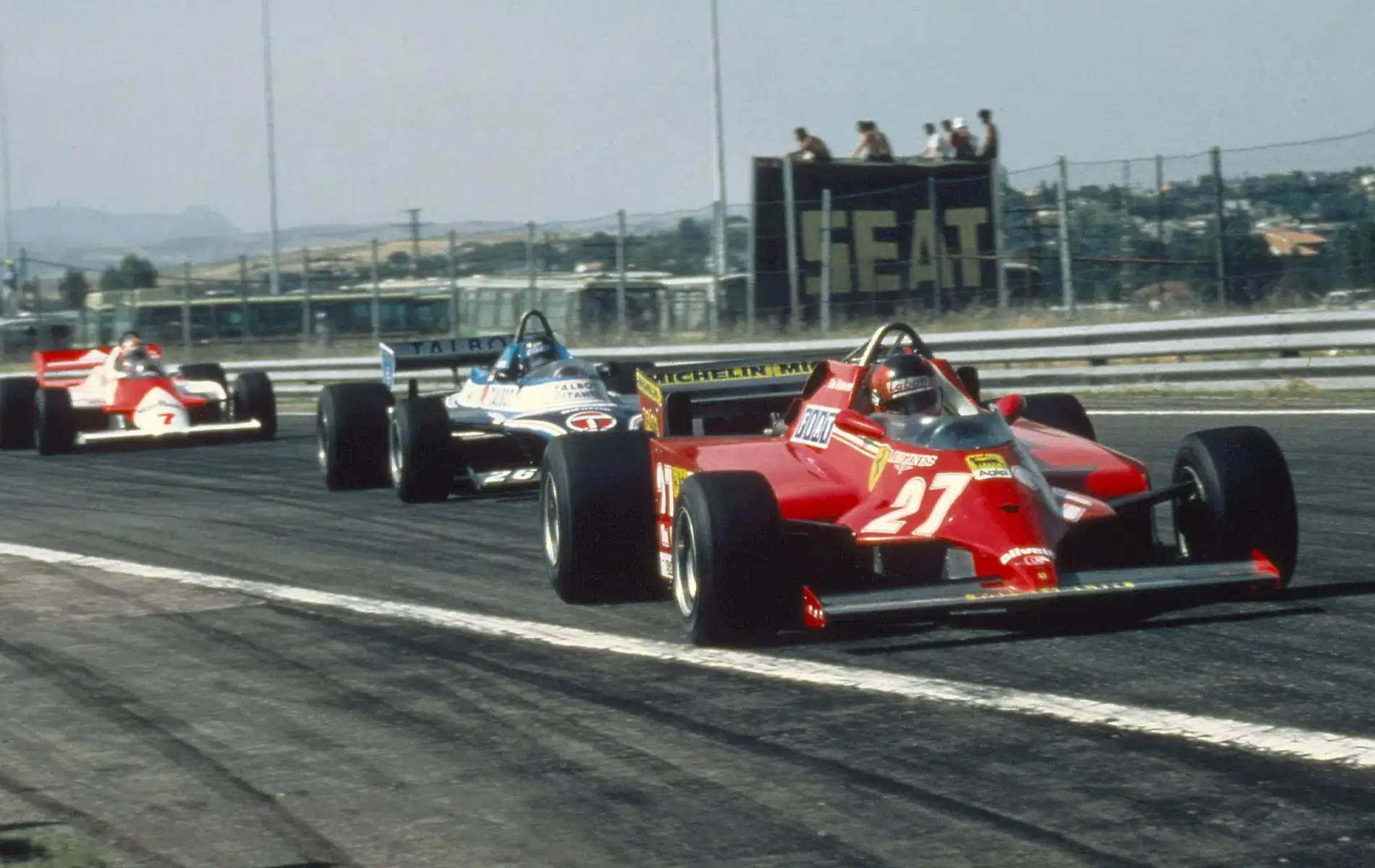
Ferrari’s 126C2 emerged in 1982 as one of the fastest cars on the grid and appeared capable of delivering another world championship.
Yet the season became one of the darkest in Ferrari history.
During qualifying for the Belgian Grand Prix at Zolder, Gilles Villeneuve was killed in a high-speed accident.
His death devastated Enzo Ferrari.
Villeneuve had become far more than an employee. Ferrari admired his fearless commitment and regarded him as one of the purest racing drivers he had ever known.
Just a few months later, another tragedy struck. At Hockenheim, Villeneuve’s team-mate Didier Pironi suffered horrific injuries after colliding with Alain Prost‘s Renault during qualifying in wet conditions.
Pironi survived but sustained career-ending leg injuries. At the time of the accident, he was leading the World Championship. Unable to compete in the remaining races, he ultimately lost the title by just five points.
Despite the immense setbacks, Ferrari still secured the 1982 Constructors’ Championship.
The team repeated the achievement in 1983, with René Arnoux remaining in championship contention until the final race of the season.
One Last Championship Challenge
Ferrari continued producing competitive cars throughout the mid-1980s.
In 1985, Michele Alboreto mounted a serious challenge for the Drivers’ Championship before reliability problems prevented him from sustaining his title bid.
Although Ferrari remained capable of winning races, another Drivers’ Championship would not arrive during Enzo Ferrari’s lifetime. The final Grand Prix victory he witnessed came at the closing race of the 1987 Formula One season in Australia.
There, Gerhard Berger led team-mate Michele Alboreto home in a memorable Ferrari one-two finish.
For Enzo, it was a fitting reminder that even after decades in the sport, Ferrari remained capable of beating the very best.
Auto Racing and Management Controversies
Few figures in motorsport have inspired stronger opinions than Enzo Ferrari.
To supporters, he was a visionary whose relentless pursuit of excellence transformed racing forever.
To critics, he could appear distant, demanding and sometimes ruthless.
The truth almost certainly lay somewhere in between.
An Uncompromising Leader
Ferrari managed his teams with extraordinary intensity.
He believed competition drove excellence and often encouraged rivalry between his own drivers rather than trying to maintain harmony within the team.
His reasoning was simple.
If two drivers constantly pushed one another, both would perform at a higher level.
Former Ferrari driver Tony Brooks later explained that Ferrari deliberately created psychological pressure because he believed it produced faster racing.
Not everyone agreed with the approach.
Some drivers felt the constant internal competition increased risks in a sport that was already incredibly dangerous.
World Champion Mario Andretti, however, offered a more balanced view.
He acknowledged Ferrari’s relentless demands but also noted that Enzo understood when a driver had extracted everything possible from an imperfect car. According to Andretti, Ferrari respected total commitment above all else and appreciated genuine effort even when victory proved impossible.
Those who worked for him often found him intimidating, but many also believed his expectations ultimately made them better competitors.
A Sport Shadowed by Danger
Motor racing during the 1950s and 1960s was exhilarating, but it was also exceptionally dangerous. Fatal accidents were tragically common, and Ferrari’s teams were not spared from the risks that defined the era.
Between 1955 and 1971, eight Ferrari drivers lost their lives while racing Ferrari machinery:
- Alberto Ascari
- Eugenio Castellotti
- Alfonso de Portago
- Luigi Musso
- Peter Collins
- Wolfgang von Trips
- Lorenzo Bandini
- Ignazio Giunti
The number of fatalities led some critics to question Ferrari’s methods and the relentless pursuit of performance that characterised the team.
The Vatican newspaper L’Osservatore Romano even compared Ferrari to Saturn, the mythological figure who consumed his own children—a striking metaphor intended to illustrate the human cost of racing success.
Others, however, strongly defended Enzo Ferrari.
Former Formula One star Stirling Moss argued that he could not recall a single occasion when a Ferrari driver’s death had been caused by a mechanical failure attributable to the team. In his view, Ferrari’s cars were no more dangerous than those of any other manufacturer competing during one of motorsport’s most hazardous periods.
Public Image vs Private Feelings
Ferrari was careful in public when discussing his drivers.
Whenever the team celebrated victory, he insisted that success belonged equally to the people behind the wheel and those who designed and built the cars.
Privately, however, his long-time friend and company accountant Carlo Benzi revealed that Ferrari often believed the machine deserved most of the credit for victory. It reflected Enzo’s lifelong conviction that engineering excellence formed the foundation of every great racing achievement.
Despite this reputation for emotional distance, Ferrari was deeply affected by the loss of those closest to him.
The deaths of Giuseppe Campari in 1933 and Alberto Ascari in 1955 had a profound impact. Both men were not only outstanding drivers but also close friends, and their deaths convinced Ferrari to avoid becoming too personally attached to future members of his team.
He believed maintaining emotional distance would spare him further heartbreak.
As the years passed, however, that resolve softened.
Ferrari developed particularly close relationships with Clay Regazzoni and, above all, Gilles Villeneuve, whom he regarded almost as family. Villeneuve’s death in 1982 was one of the greatest personal blows Enzo would ever endure.
Personal Life
Away from the racetrack, Enzo Ferrari was an intensely private man.
While his company became famous across the world, Ferrari himself rarely sought publicity and gave relatively few interviews. He preferred to let his cars and racing results speak for him.
Even after becoming one of Italy’s most recognisable figures, his lifestyle remained surprisingly reserved.
A Man Who Stayed Close to Home
Unlike many leading figures in international motorsport, Ferrari travelled remarkably little.
He rarely left Modena or Maranello, and after the 1950s he stopped attending Formula One races held outside Italy.
One reason was practical.
Following the legal proceedings connected to the 1957 Mille Miglia tragedy, Ferrari’s passport was confiscated for a period, making international travel difficult.
As a result, he was usually seen only at nearby races, particularly the Italian Grand Prix at Monza and events held at Imola, a circuit that would later be renamed in honour of his late son, Dino Ferrari.
His final known journey outside Italy came in 1982, when he travelled to Paris to help mediate discussions between the governing body FISA and the Formula One Constructors’ Association (FOCA) during one of the sport’s most politically turbulent periods.
Ferrari also had several well-known personal habits.
He refused to fly in aeroplanes, preferring to travel by car or train whenever possible.
He also avoided lifts, choosing to climb stairs instead—even though he admitted doing so became increasingly exhausting as he grew older.
Marriage to Laura Garello
Enzo met Laura Dominica Garello while living in Turin.
The couple spent two years together before marrying on 28 April 1923.
Their relationship was often complicated.
According to author Brock Yates, Ferrari believed marriage was important for maintaining the respectable public image expected of a successful businessman in predominantly Catholic Italy, where divorce remained socially unacceptable for many years.
Yates also suggested that Ferrari pursued numerous romantic relationships throughout his life, driven more by personal pride than romance.
One remark frequently attributed to Ferrari reflects his unconventional attitude toward relationships.
He reportedly told racing manager Romolo Tavoni that “a man should always have two wives.”
On another occasion, while involved with several women simultaneously, Ferrari wrote that when a man claimed to love a woman, what he often truly meant was that he desired her, adding that the only perfect love in the world was that of a father for his son.
Whether taken literally or not, the statement revealed how deeply fatherhood influenced him.
Dino Ferrari
In 1932, Enzo and Laura welcomed their only child together, Alfredo Ferrari, affectionately known as Dino.
From an early age, Dino was expected to become his father’s successor.
Although he never competed professionally, he shared Enzo’s fascination with engineering and racing. His father surrounded him with cars, encouraged his technical interests and involved him in discussions about engine development.
Sadly, Dino suffered from muscular dystrophy, a progressive condition that increasingly affected his health throughout his youth.
Confined to bed for long periods, he continued working on engineering ideas and contributed to the development of new engine concepts alongside Ferrari engineers.
He died in 1956, aged just 24.
His death devastated Enzo.
Friends and biographers have often described Dino as the emotional centre of the Ferrari family. According to Time magazine, the shared love both parents had for their son helped hold Enzo and Laura’s marriage together despite its many difficulties.
Automotive historian John Nikas later remarked that, above everything else, Enzo Ferrari’s two greatest loves were motor racing and Dino.
Dino’s memory remained a constant presence throughout Ferrari’s life.
His name would later be immortalised through the Ferrari Dino range of sports cars, created as a tribute to his engineering ideas and enduring influence.
Piero Ferrari
While still married to Laura, Enzo began a long-term relationship with Lina Lardi.
Together they had a son, Piero, who was born in 1945.
At the time, Italian law did not permit divorce, meaning Enzo could not legally recognise Piero as his son while Laura was alive.
For many years, Piero’s existence remained known only to a small circle of trusted friends and colleagues.
Eventually, after Laura Ferrari died in 1978, Enzo formally acknowledged his second son.
Piero adopted the surname Lardi Ferrari, becoming Piero Ferrari.
He would go on to play an important role within the company, eventually serving as Vice Chairman of Ferrari while retaining a 10% ownership stake.
Reflecting on his father decades later, Piero praised director Michael Mann’s 2023 film Ferrari for accurately portraying Enzo’s relentless mindset.
According to Piero, his father was always focused on the future, constantly moving forward and rarely looking back.
Honours and Recognition
Throughout his lifetime, Enzo Ferrari received numerous honours recognising his extraordinary contribution to engineering, industry and motorsport.
Among the most prestigious was his appointment as a Cavaliere del Lavoro in 1952, adding to earlier honours including Cavaliere and Commendatore, titles by which he became widely known.
Universities also recognised his achievements with several honorary degrees.
His awards included:
- Hammarskjöld Prize (1962)
- Columbus Prize (1965)
- De Gasperi Award (1987)
Recognition continued after his death.
Enzo Ferrari was inducted into the International Motorsports Hall of Fame in 1994 and later entered the Automotive Hall of Fame in 2000, reflecting his lasting influence on both racing and automotive engineering.
Death
Enzo Ferrari died on 14 August 1988 at his home in Maranello, aged 90, after suffering from leukaemia.
True to his intensely private nature, he made one final request.
Ferrari asked that news of his death should not be announced until 16 August, one day after his funeral had taken place.
His burial on 15 August was attended only by close family members.
There was another reason for the secrecy.
Ferrari worried that public attention surrounding his death might overshadow the difficult Formula One season his team was enduring. Up to that point in 1988, Ferrari had been beaten in every championship race by the dominant McLaren team, and Enzo preferred to avoid becoming the centre of attention during such a disappointing campaign.
Even in death, his thoughts remained with Ferrari.
The Ferrari F40
Just weeks before he died, Enzo witnessed the launch of what would become one of the greatest supercars ever built—the Ferrari F40.
Created to celebrate 40 years of Ferrari, it represented everything Enzo believed a performance car should be.
Lightweight, brutally fast and almost entirely free from electronic driver aids, the F40 has since become an icon of the analogue supercar era.
Many enthusiasts consider it the purest expression of Enzo Ferrari’s engineering philosophy.
In 2002, Ferrari honoured its founder once again with the introduction of the Ferrari Enzo, a limited-production flagship supercar carrying his name.
A Fitting Farewell
Only weeks after Enzo’s death, Formula One arrived at Monza for the 1988 Italian Grand Prix.
Against all expectations, Ferrari achieved a memorable one-two finish.
Gerhard Berger crossed the line first, followed by Michele Alboreto, delivering an emotional victory for the Scuderia in front of its home supporters.
It proved to be the only race that McLaren failed to win during the entire 1988 season, making Ferrari’s triumph all the more remarkable.
Many supporters regarded it as the perfect tribute to the man who had devoted his life to the team.
Enzo Ferrari’s Lasting Legacy
Although Enzo Ferrari never witnessed the modern era of Formula One, the foundations he built continued to deliver extraordinary success.
Under the Ferrari banner:
- The team won the Formula One Constructors’ Championship every year from 1999 to 2004, before adding further titles in 2007 and 2008.
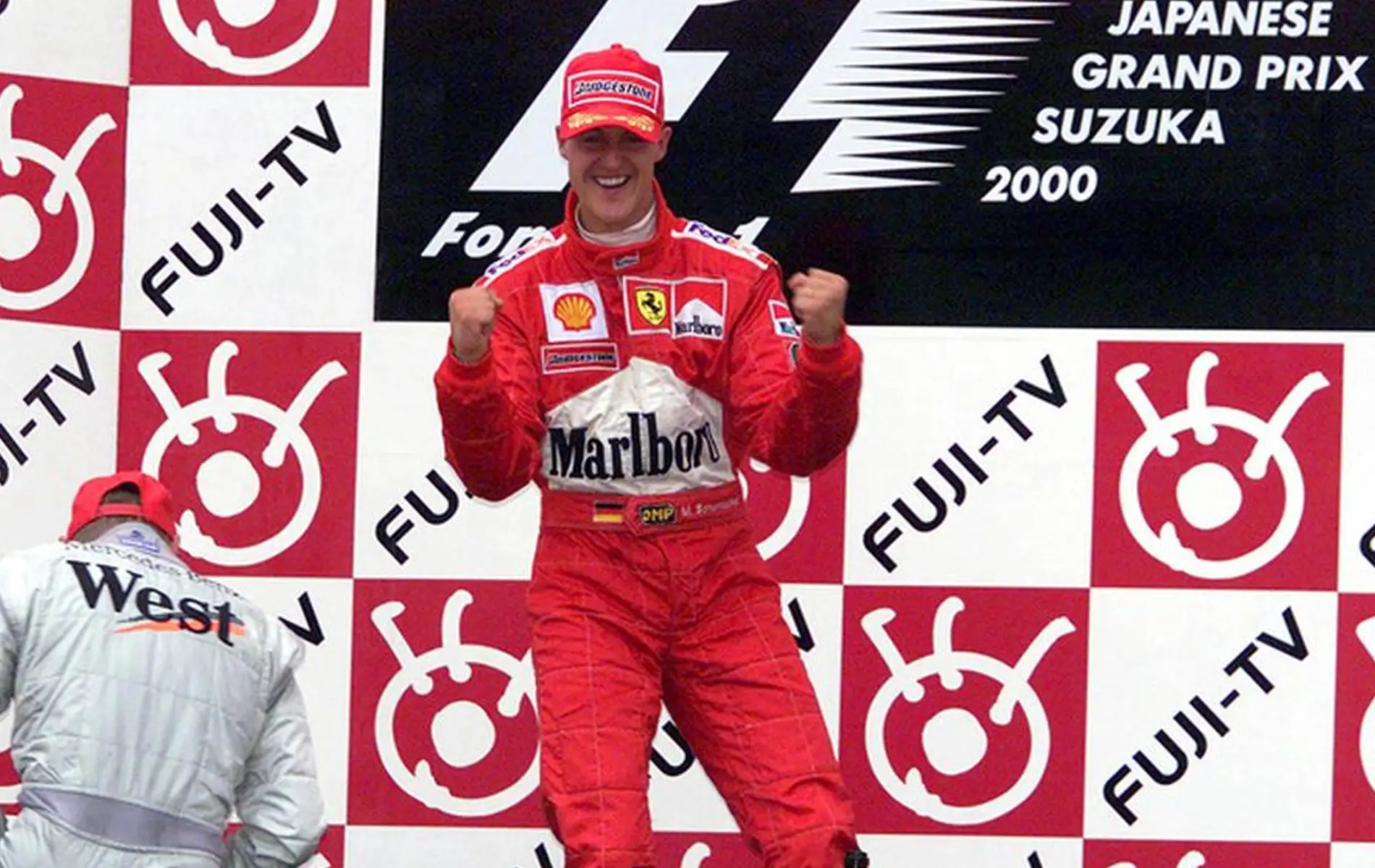
- Michael Schumacher secured five consecutive World Drivers’ Championships with Ferrari between 2000 and 2004, becoming the most successful driver in the team’s history.
- Kimi Räikkönen claimed Ferrari’s most recent Drivers’ Championship in 2007.
More than three decades after his death, Enzo Ferrari’s influence can still be felt throughout motorsport. His uncompromising pursuit of excellence transformed a small workshop in Modena into one of the world’s most admired automotive brands, while the Prancing Horse remains an enduring symbol of speed, innovation and racing passion.
For millions of enthusiasts around the world, Enzo Ferrari’s legacy is about far more than building remarkable cars—it is about an unwavering belief that the pursuit of perfection is never truly finished.
Seen in: