





























A new Formula 1 circuit gives every driver the same starting point: no previous Grand Prix at the venue. Practice and simulation can reveal a great deal, but the first race still brings questions about grip, overtaking, tyre wear and the quickest way to the finish.
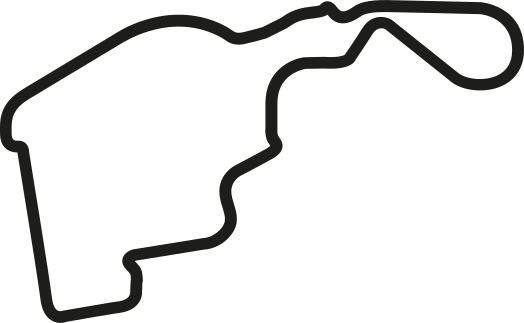
Some inaugural winners made it look straightforward from pole. Others had to pass a rival or seize a strategy opportunity. The latest example came at Madrid’s new Madring in September 2026, when Kimi Antonelli won a Spanish Grand Prix that had begun with Lando Norris very much in control.
What to know
- Kimi Antonelli is the most recent winner on a debut F1 circuit, taking victory for Mercedes at the Madring in the 2026 Spanish Grand Prix.
- Seven of these 11 winners started from pole position. Antonelli, Max Verstappen at Miami and Lewis Hamilton at Austin are among the four who won from elsewhere on the grid.
- Lewis Hamilton appears five times, more than any other driver in this list: Austin, Sochi, Mugello, Portimão, Losail and Jeddah.
- A circuit debut can produce very different races: Hamilton won at Austin by 0.675 seconds, while his first Losail victory came with a 25.743-second margin.
Recent Winners at Brand New F1 Circuits
| No. | Debut circuit and year | Grand Prix | Winner | Team | Start | Winning margin |
|---|---|---|---|---|---|---|
| 1 | Madring, 2026 | 2026 Spanish Grand Prix | Kimi Antonelli | Mercedes | P2 | 4.351s |
| 2 | Las Vegas Strip Circuit, 2023 | 2023 Las Vegas Grand Prix | Max Verstappen | Red Bull | P2 | 2.070s |
| 3 | Miami International Autodrome, 2022 | 2022 Miami Grand Prix | Max Verstappen | Red Bull | P3 | 3.786s |
| 4 | Jeddah Corniche Circuit, 2021 | 2021 Saudi Arabian Grand Prix | Lewis Hamilton | Mercedes | P1 | 21.825s |
| 5 | Lusail International Circuit, 2021 | 2021 Qatar Grand Prix | Lewis Hamilton | Mercedes | P1 | 25.743s |
| 6 | Algarve International Circuit, 2020 | 2020 Portuguese Grand Prix | Lewis Hamilton | Mercedes | P1 | 25.592s |
| 7 | Mugello Circuit, 2020 | 2020 Tuscan Grand Prix | Lewis Hamilton | Mercedes | P1 | 4.880s |
| 8 | Baku City Circuit, 2016 | 2016 European Grand Prix | Nico Rosberg | Mercedes | P1 | 16.696s |
| 9 | Sochi Autodrom, 2014 | 2014 Russian Grand Prix | Lewis Hamilton | Mercedes | P1 | 13.657s |
| 10 | Circuit of the Americas, 2012 | 2012 United States Grand Prix | Lewis Hamilton | McLaren | P2 | 0.675s |
| 11 | Buddh International Circuit, 2011 | 2011 Indian Grand Prix | Sebastian Vettel | Red Bull | P1 | 8.433s |
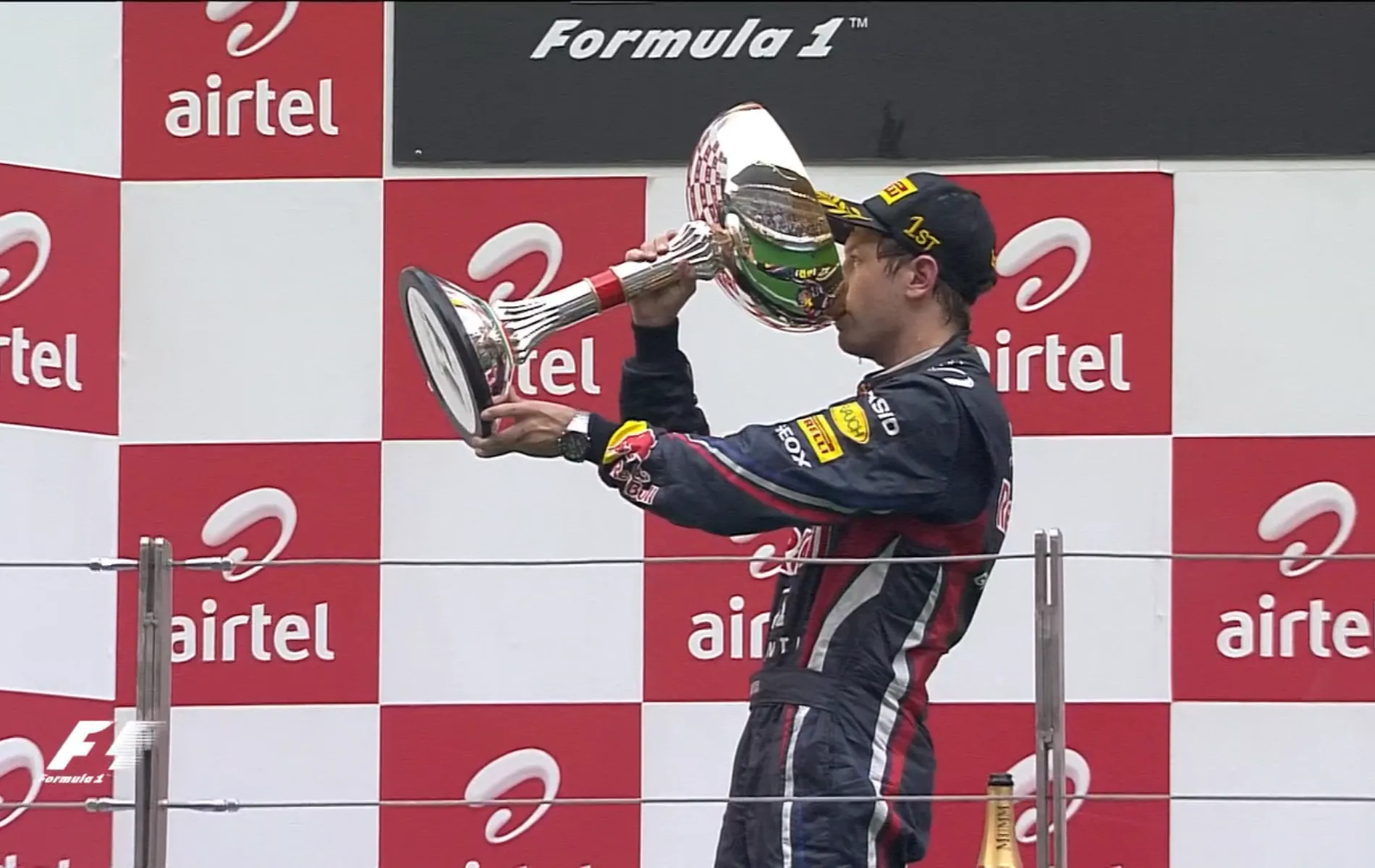
11. Buddh International Circuit, 2011 — Sebastian Vettel
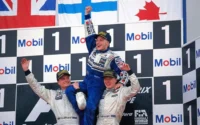
Sebastian Vettel arrived at India’s first World Championship Grand Prix having already secured the 2011 drivers’ title. The new Buddh International Circuit still offered a fresh test: a fast opening section, substantial elevation changes and a surface the teams had to learn over the weekend.
Vettel took pole and won for Red Bull, finishing 8.433 seconds ahead of Jenson Button. It was a controlled start to India’s F1 history. The unfamiliar venue did little to interrupt the form that had carried Vettel through the season.
Buddh would host only three championship Grands Prix, making that first result part of a short, distinctive chapter in the sport’s calendar.
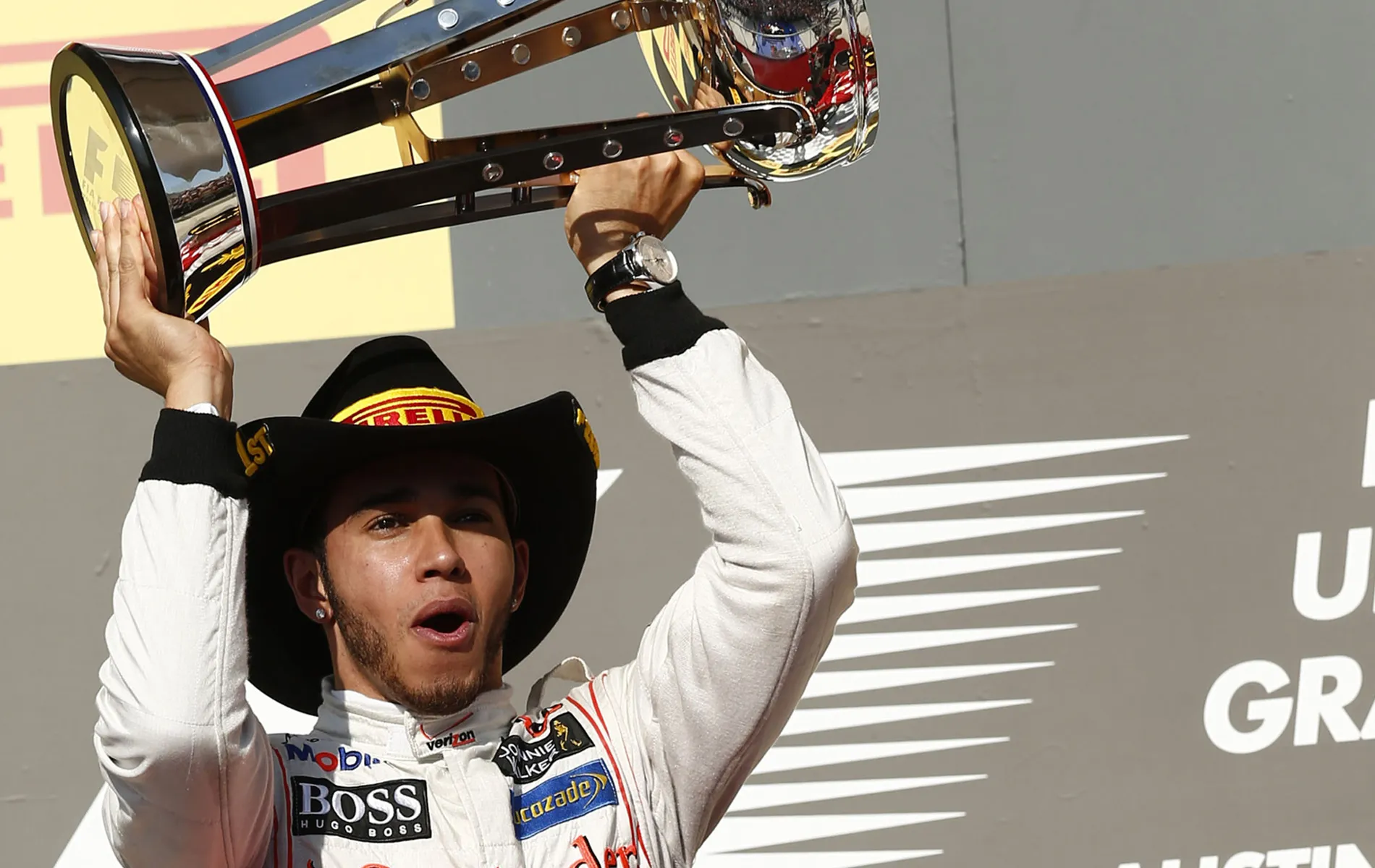
10. Circuit of the Americas, 2012 — Lewis Hamilton
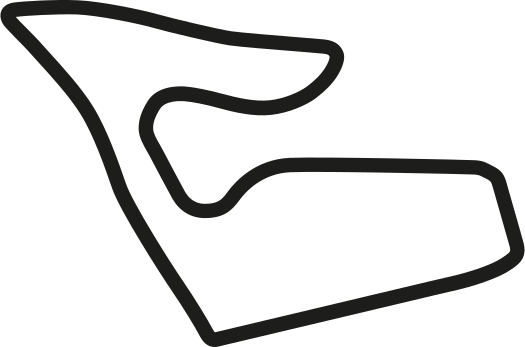
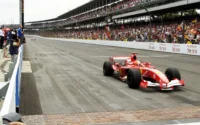
The first United States Grand Prix at Austin’s Circuit of the Americas gave modern F1 one of its strongest circuit openings. The steep run to Turn 1 and the quick changes of direction promised plenty, but Vettel led from pole as Red Bull pursued another championship.
Lewis Hamilton started second for McLaren and stayed close enough to challenge. He passed Vettel late in the race and won by 0.675 seconds—the smallest winning margin anywhere on this list.
For fans who associate Hamilton with Mercedes, Austin is also a reminder of his earlier career. This was a McLaren victory, earned by taking the lead on track at a circuit nobody had raced in F1 before.
9. Sochi Autodrom, 2014 — Lewis Hamilton
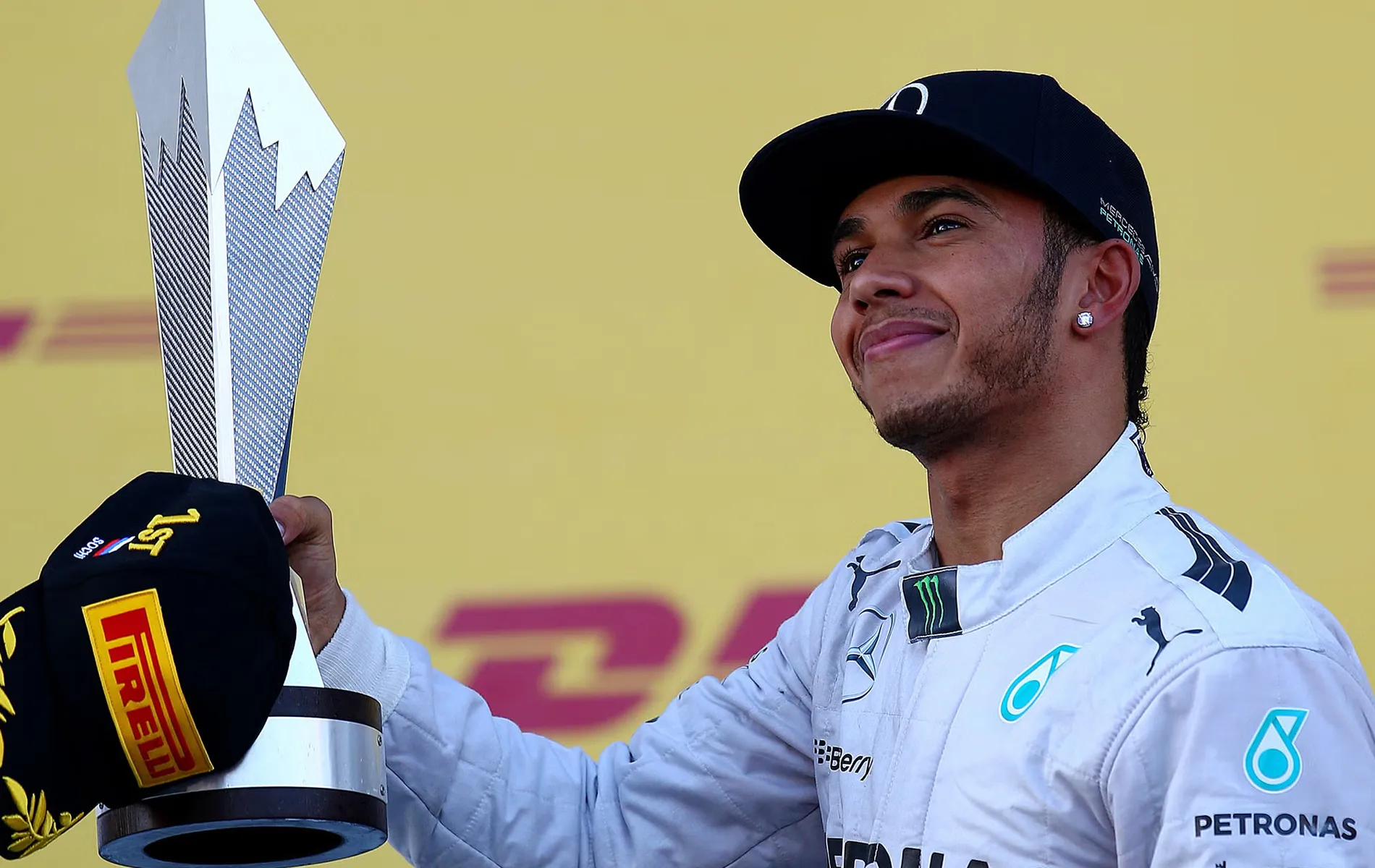
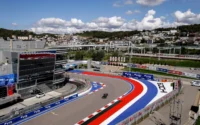
Sochi’s Olympic Park hosted the first Russian Grand Prix of the World Championship era in 2014. Its long straights and angular corners posed a different question from Austin: could anyone break Mercedes’ command of the season at a completely new venue?
Hamilton started on pole and answered with a win, beating team-mate Nico Rosberg by 13.657 seconds. Rosberg recovered to second after an early lock-up forced him into a long stint on one set of tyres.
The result showed that a new circuit does not automatically reset the competitive order. Mercedes brought its established advantage to Sochi, and Hamilton made full use of it.
8. Baku City Circuit, 2016 — Nico Rosberg
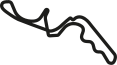
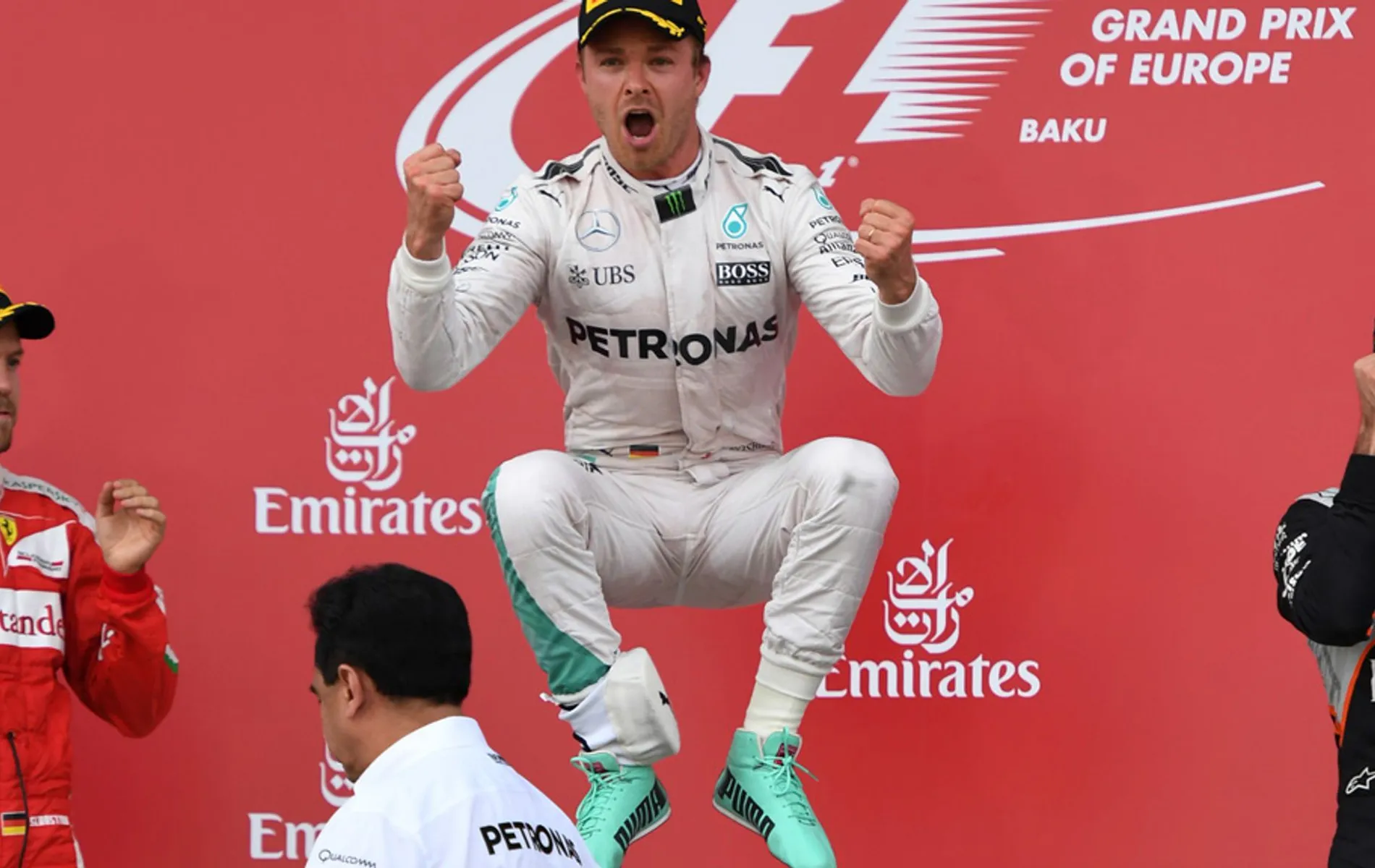
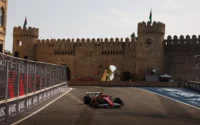
Baku first joined the calendar under the European Grand Prix name. The Azerbaijan Grand Prix name came later, but this 2016 race was the World Championship debut for the city circuit: long, flat-out sections met tight streets around Baku’s old town.
Rosberg started from pole and won for Mercedes by 16.696 seconds over Vettel. While Baku would later become associated with unpredictable races, its first winner gave little away. Rosberg converted a strong qualifying performance into a commanding result.
It is an important distinction for a debut-circuit list: the inaugural Baku race was the 2016 European Grand Prix, even though today’s fans know the venue through the Azerbaijan Grand Prix.
7. Mugello Circuit, 2020 — Lewis Hamilton
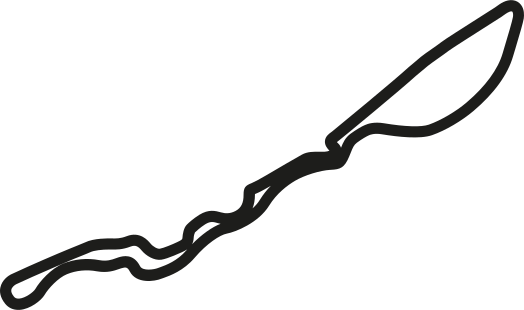
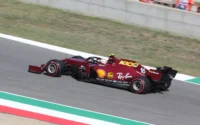
Mugello had long been a racing venue, but it had never hosted a Formula 1 World Championship Grand Prix before the unusual 2020 calendar brought F1 there. Its fast, flowing corners gave drivers a very different challenge from the temporary city layouts elsewhere in this list.
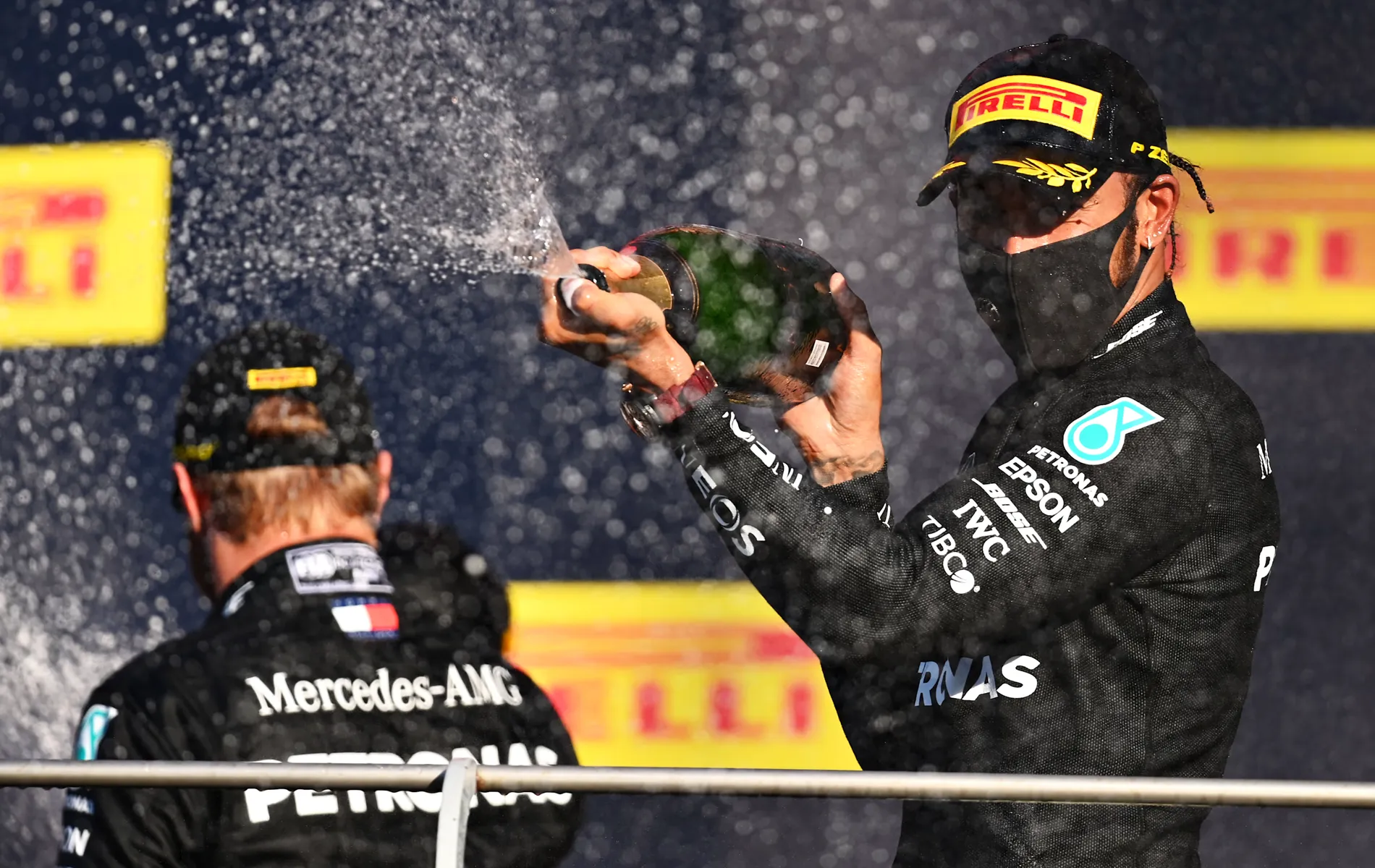
Hamilton took pole and won the Tuscan Grand Prix by 4.880 seconds over Mercedes team-mate Valtteri Bottas. The finishing gap tells only part of the story: two red flags and repeated starts made the race far less settled than a routine Mercedes one-two might suggest.
Mugello is the clearest reminder here that “new to F1” does not have to mean newly built. A familiar circuit from other forms of motorsport can still be an unknown on Grand Prix Sunday.
6. Algarve International Circuit, 2020 — Lewis Hamilton
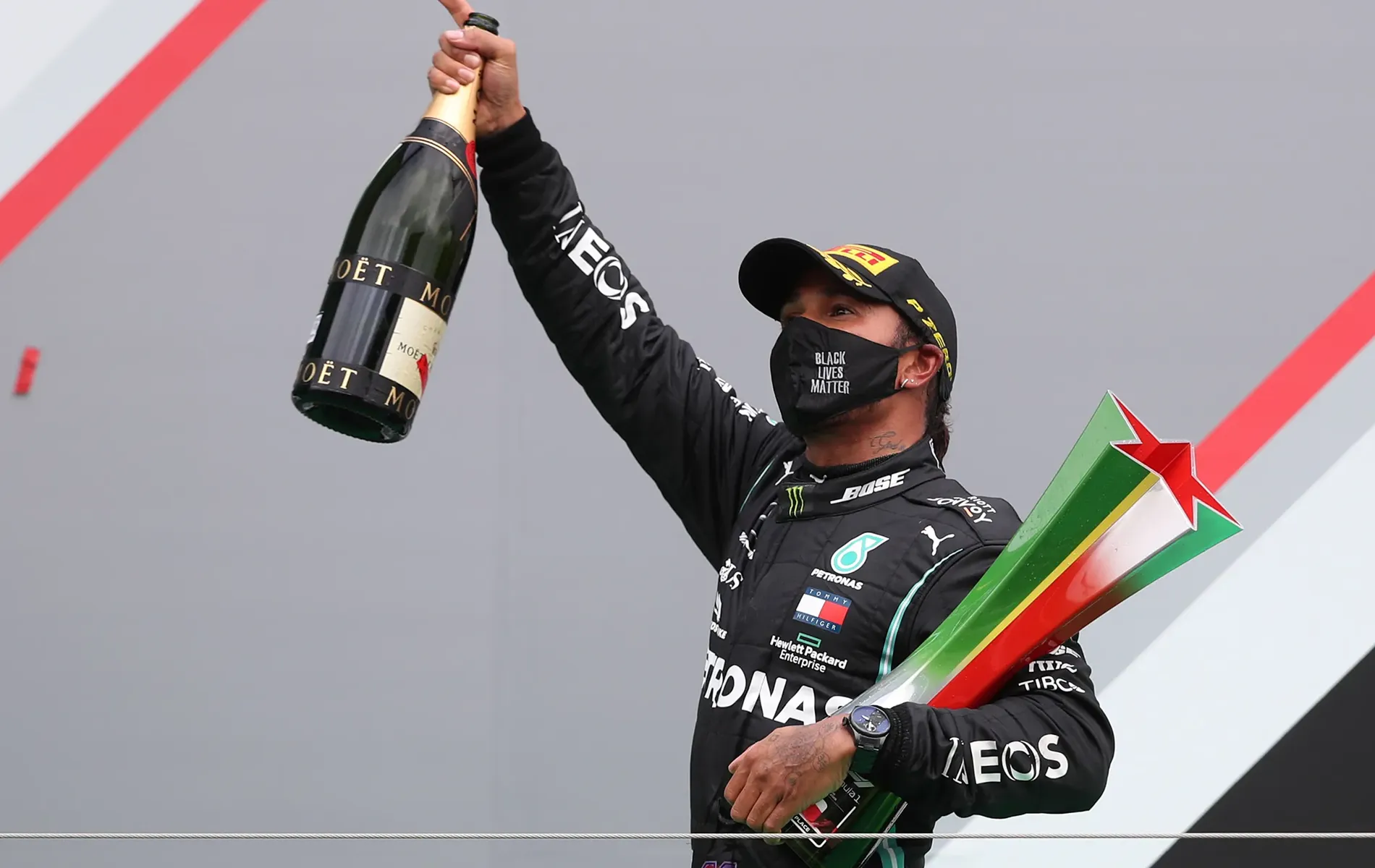
Portugal’s return to the F1 calendar took the championship to Portimão’s Algarve International Circuit for the first time. Its rises, drops and blind crests produced a lap that looked dramatic on television and demanded precision from the cockpit.
Hamilton started from pole, endured a tricky opening phase and then pulled clear. He beat Bottas by 25.592 seconds to claim his 92nd World Championship Grand Prix victory, moving beyond Michael Schumacher’s previous record of 91.
That gives Portimão’s debut a place in two histories at once: the circuit staged its first F1 championship race, and Hamilton became the sport’s outright leader in Grand Prix wins.
5. Lusail International Circuit, 2021 — Lewis Hamilton
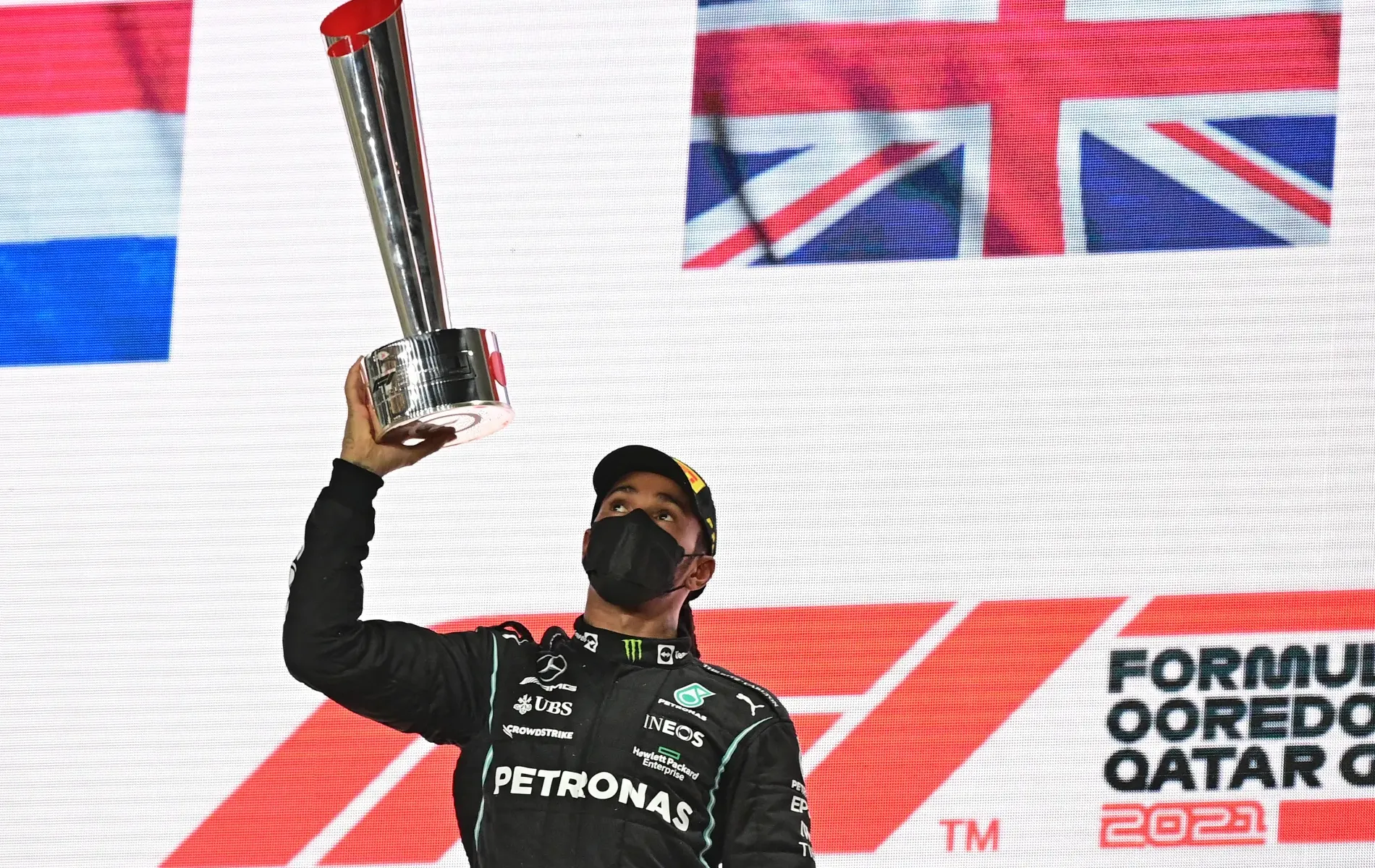
Qatar’s first F1 Grand Prix came at Lusail, a circuit already established in motorcycle racing. Its quick corners placed sustained demands on cars and tyres, while the 2021 title fight gave every point extra weight.
Hamilton started on pole and won by 25.743 seconds from Verstappen. It was the largest margin among these 11 debut-circuit victories. Although his championship rival finished second, Hamilton had controlled the race at the front.
For a modern fan, Lusail is a useful example of how a first F1 visit can reward rapid learning without necessarily producing a close finish. By Sunday, Hamilton and Mercedes had found a decisive advantage.
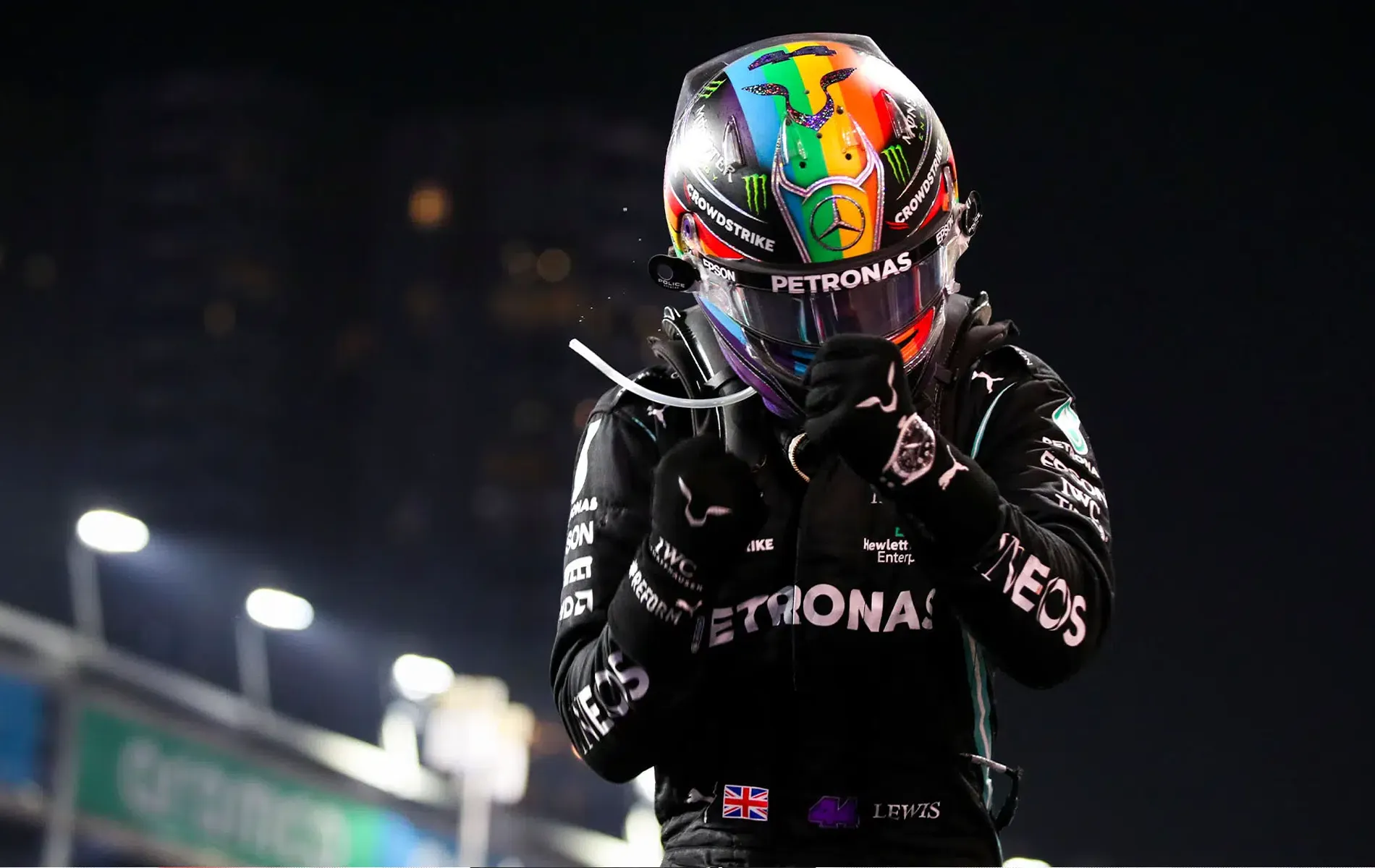
4. Jeddah Corniche Circuit, 2021 — Lewis Hamilton
Jeddah’s first Saudi Arabian Grand Prix arrived near the end of the intense 2021 championship battle. The new street circuit combined high speed with walls close to the racing line, leaving little room for mistakes.
Hamilton took pole and won by 21.825 seconds over Verstappen, but the final margin hides an eventful contest. The race featured stoppages, restarts and direct confrontation between the title rivals. Hamilton’s victory sent them to the Abu Dhabi finale level on points.
Unlike his comfortable-looking Lusail result, the Jeddah number cannot explain the race on its own. On a brand new track, the decisive story was how the drivers handled interruptions and pressure.
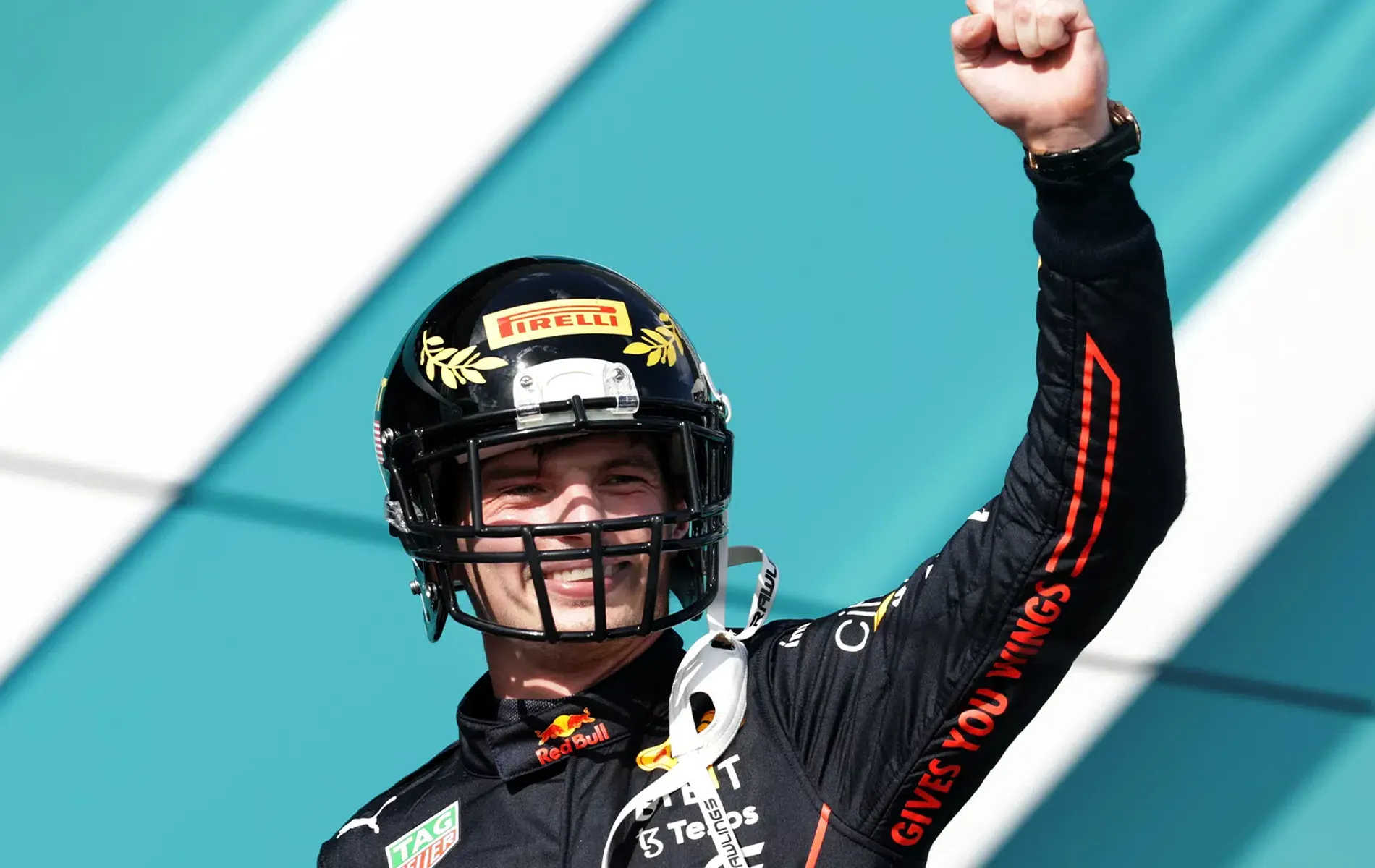
3. Miami International Autodrome, 2022 — Max Verstappen
Miami’s first Grand Prix put a temporary circuit around Hard Rock Stadium onto the F1 calendar. Ferrari locked out the front row, leaving Verstappen third on the grid and with work to do on race day.
He made that grid position count. Verstappen moved past Carlos Sainz and then Charles Leclerc, winning for Red Bull by 3.786 seconds over Leclerc. It was a debut-circuit victory built on overtaking rather than control from pole.
Miami also illustrates why qualifying position matters in this list. A new venue gives teams limited information, but the fastest qualifier does not necessarily have the best race. Verstappen found a route to the front once the lights went out.

2. Las Vegas Strip Circuit, 2023 — Max Verstappen
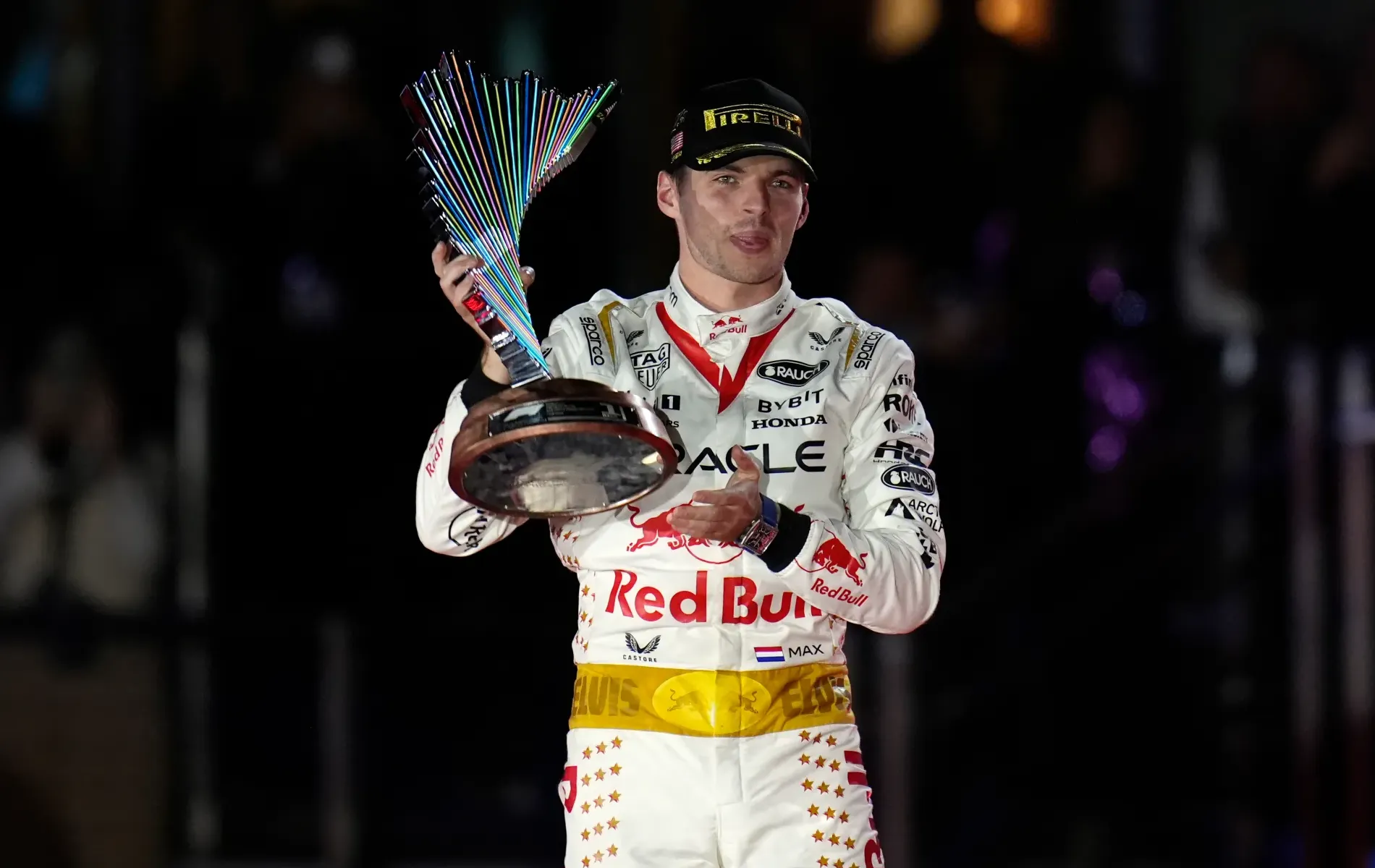
The Las Vegas Grand Prix entered the calendar in 2023 on a new circuit incorporating the Strip. A cool night race, long straights and tight corners gave teams a fresh set of tyre and braking questions.
Verstappen started second behind Leclerc. His route to victory included a time penalty after their opening-lap battle and another fight through the field, but he still won by 2.070 seconds over Leclerc.
Las Vegas was a reminder that an inaugural race can take time to settle into its pattern. The spectacle supplied the setting; overtakes, penalties and race execution decided the first winner.

1. Madring, 2026 — Kimi Antonelli
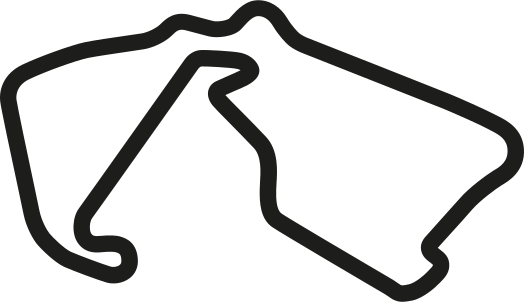
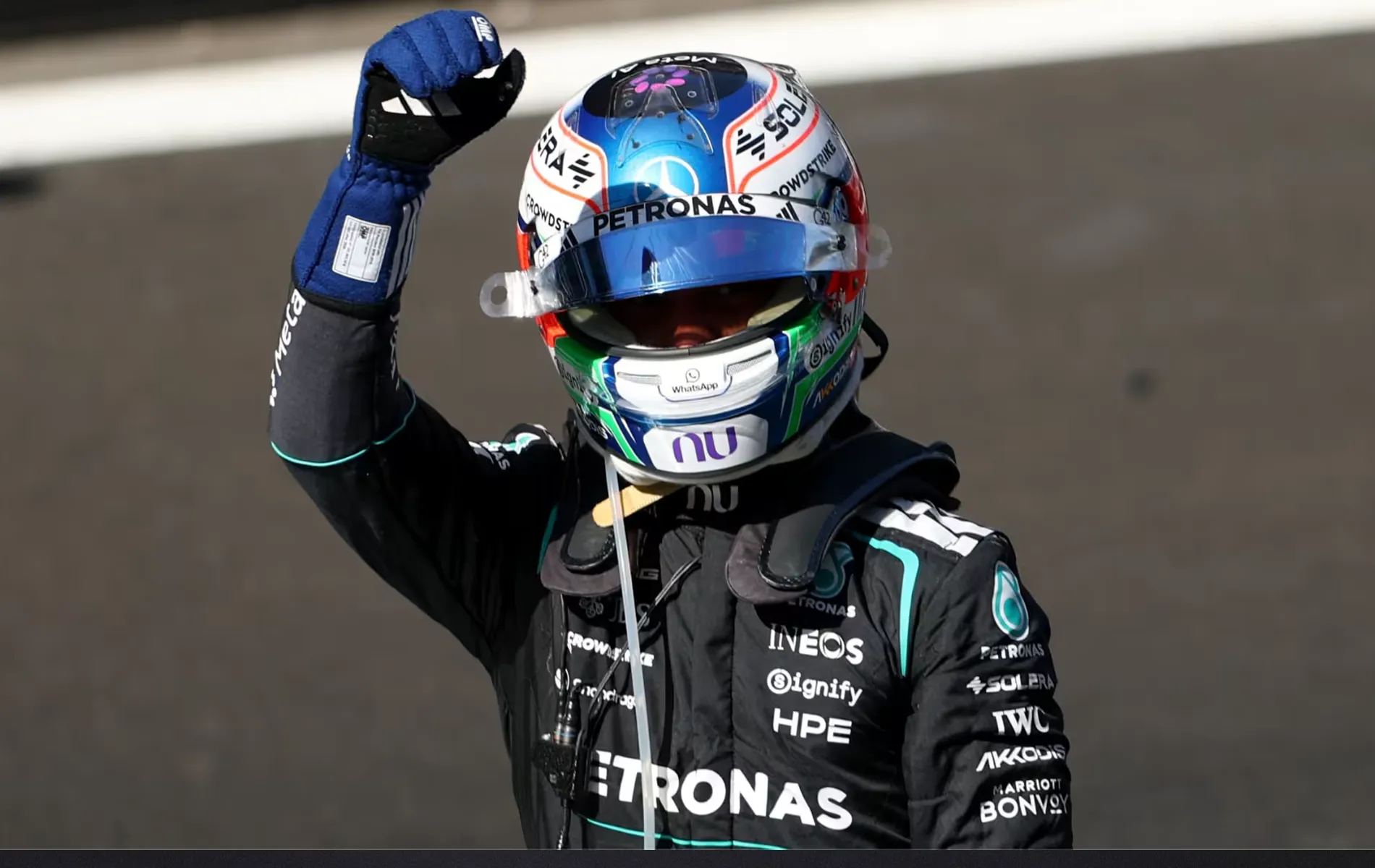
Madrid brought the Spanish Grand Prix to the new Madring on 13 September 2026. Lando Norris claimed the circuit’s first F1 pole by just 0.011 seconds over Antonelli, who started second for Mercedes. The race ran for 57 laps, with Verstappen joining them on the eventual podium.
Norris held the lead through a tense opening, but a Virtual Safety Car changed the pit-stop picture. Antonelli stopped with a reduced time loss; Norris had already passed the pit entry and then lost further time at his stop. Charles Leclerc stayed out longer and temporarily led, before his eventual stop handed Antonelli the lead. The Mercedes driver won by 4.351 seconds over Verstappen, with Norris third.
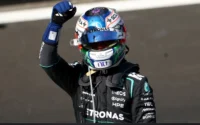
Madrid adds a distinctly modern ending to this list. The first winner did not start on pole or make the decisive pass for the lead on track. He stayed close enough for Mercedes to exploit a narrow strategy window—a first-race lesson on a circuit no team had yet learned completely.
Across these 11 debuts, the venue changed, but the winning conditions remained familiar: qualify well, understand the tyres, react to the race and take the opportunity when it appears. From Hamilton’s late move at Austin to Antonelli’s Madrid pit-stop advantage, the first name in a circuit’s F1 record book has always had to earn its place.
Seen in: