







































Formula 1 driver transfers are rarely just about swapping one race suit for another. At their biggest, they change careers, alter the balance of power between teams, and sometimes reshape an entire era of the World Championship.
Lewis Hamilton’s switch from Mercedes to Ferrari for 2025 was a reminder of just how powerful a driver move can be. A partnership that had delivered six drivers’ championships came to an end so Hamilton could pursue perhaps the most famous challenge in motorsport: winning in Ferrari red.
What to know
- The most important F1 transfers can reshape championships: Schumacher’s move to Ferrari and Hamilton’s switch to Mercedes developed into era-defining partnerships.
- World champions have made extraordinary moves: Fittipaldi left McLaren for his family’s team, while Hill joined Arrows immediately after winning the 1996 title.
- Fangio completed the ultimate mid-season transfer: He moved from Maserati to Mercedes during the 1954 campaign and still won the world championship.
- Hamilton features twice in the modern transfer story: His 2013 move to Mercedes preceded six more titles, while his 2025 Ferrari switch opened a new chapter late in his career.
Yet F1 history is full of transfers that seemed equally extraordinary in their own time. World champions have walked away from winning machinery, established stars have gambled on rebuilding projects, and, in one remarkable case, the championship leader changed teams during the season.
Here are 10 of the biggest driver transfers in Formula 1 history, ordered chronologically, and why each mattered.
| No. | Season | Driver | Transfer | Why it mattered |
|---|---|---|---|---|
| 1 | 1954 | Juan Manuel Fangio | Maserati → Mercedes | Fangio changed teams during a championship-winning season |
| 2 | 1976 | Emerson Fittipaldi | McLaren → Fittipaldi | A champion left a front-running team for his family’s new operation |
| 3 | 1990 | Alain Prost | McLaren → Ferrari | The reigning champion left McLaren after his explosive rivalry with Ayrton Senna |
| 4 | 1991 | Nigel Mansell | Ferrari → Williams | Mansell reversed his retirement plans and ultimately became world champion |
| 5 | 1996 | Michael Schumacher | Benetton → Ferrari | The move became the foundation of Ferrari’s dominant Schumacher era |
| 6 | 1997 | Damon Hill | Williams → Arrows | The reigning world champion went from the title-winning team towards the back of the grid |
| 7 | 1999 | Jacques Villeneuve | Williams → BAR | Another recent Williams champion gambled on a brand-new project |
| 8 | 2013 | Lewis Hamilton | McLaren → Mercedes | Hamilton bet on Mercedes before its era of dominance began |
| 9 | 2019 | Daniel Ricciardo | Red Bull → Renault | A proven race winner left a leading team for a rebuilding works operation |
| 10 | 2025 | Lewis Hamilton | Mercedes → Ferrari | F1’s most successful driver-team partnership of the modern era came to an end |
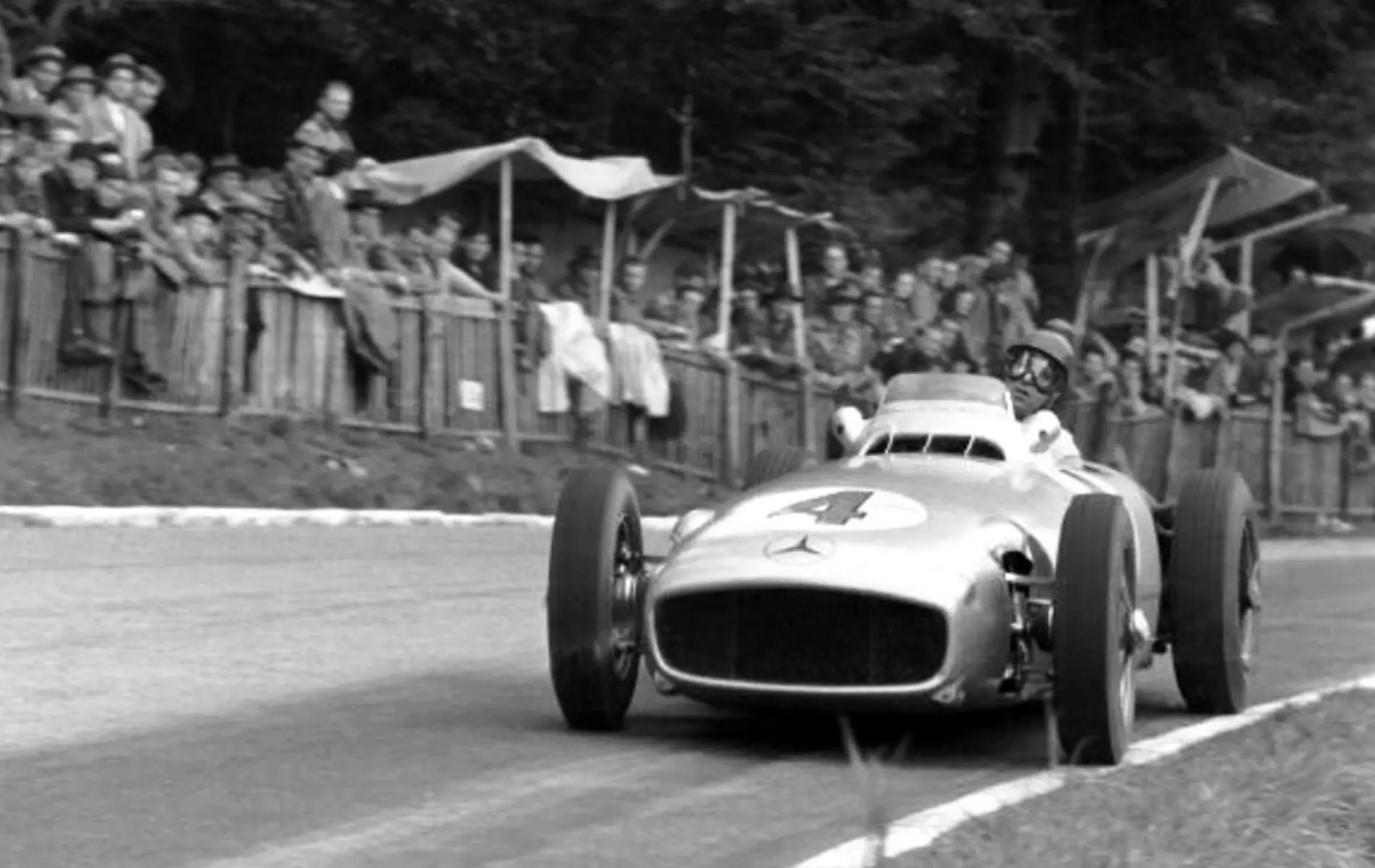
1. Juan Manuel Fangio: Maserati to Mercedes, 1954
Modern F1 contracts make changing teams halfway through a championship seem almost unthinkable. Juan Manuel Fangio managed exactly that while leading the 1954 title race.
Fangio began the season driving for Maserati and won the opening races in Argentina and Belgium. Mercedes was preparing to enter the championship later in the year, however, and Fangio moved across when the German manufacturer arrived.
It was an extraordinary transfer made even more remarkable by how smoothly it worked. Fangio won four of the six races he drove for Mercedes in 1954 and secured the championship. He then remained with the team to win another title in 1955.
For the modern fan accustomed to transfer announcements months before a driver actually changes teams, Fangio’s move belongs to an almost unrecognisable version of Formula 1.
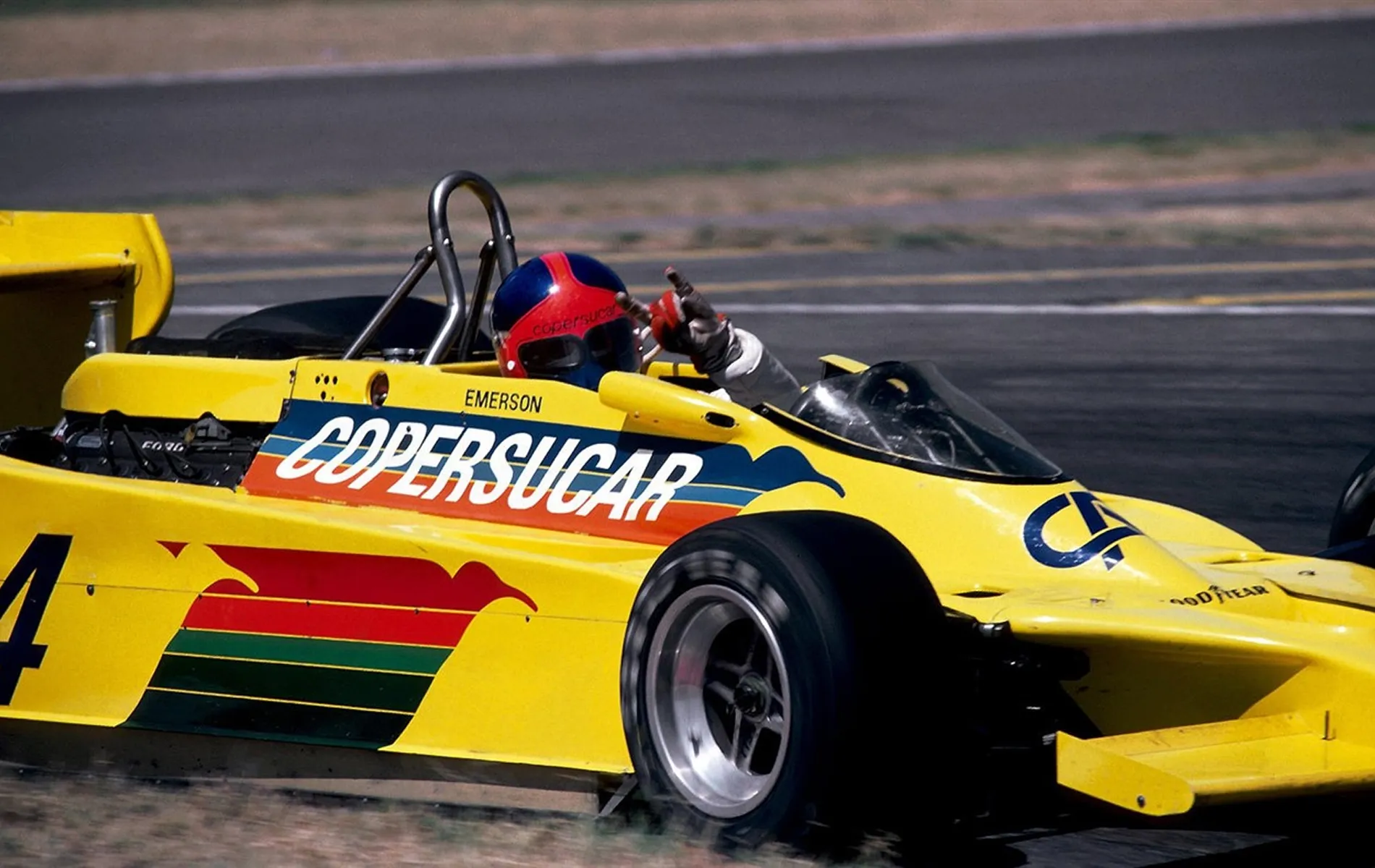
2. Emerson Fittipaldi: McLaren to Fittipaldi, 1976
Leaving a leading team is risky. Leaving one shortly after becoming world champion to join a struggling family operation is something else entirely.
Emerson Fittipaldi had won the 1974 championship with McLaren and finished runner-up to Niki Lauda in 1975. At the height of his powers, he walked away to race for the Brazilian Fittipaldi team established by his brother Wilson.
It was a romantic idea: one of Brazil’s greatest racing stars trying to bring success to the only Brazilian-based team in Formula 1. Competitively, it never produced the hoped-for results.
Fittipaldi spent five seasons with the team. His best result was second at the 1978 Brazilian Grand Prix, with only one other podium during his time there. Few transfers better illustrate the difference between an emotionally compelling move and a competitively successful one.
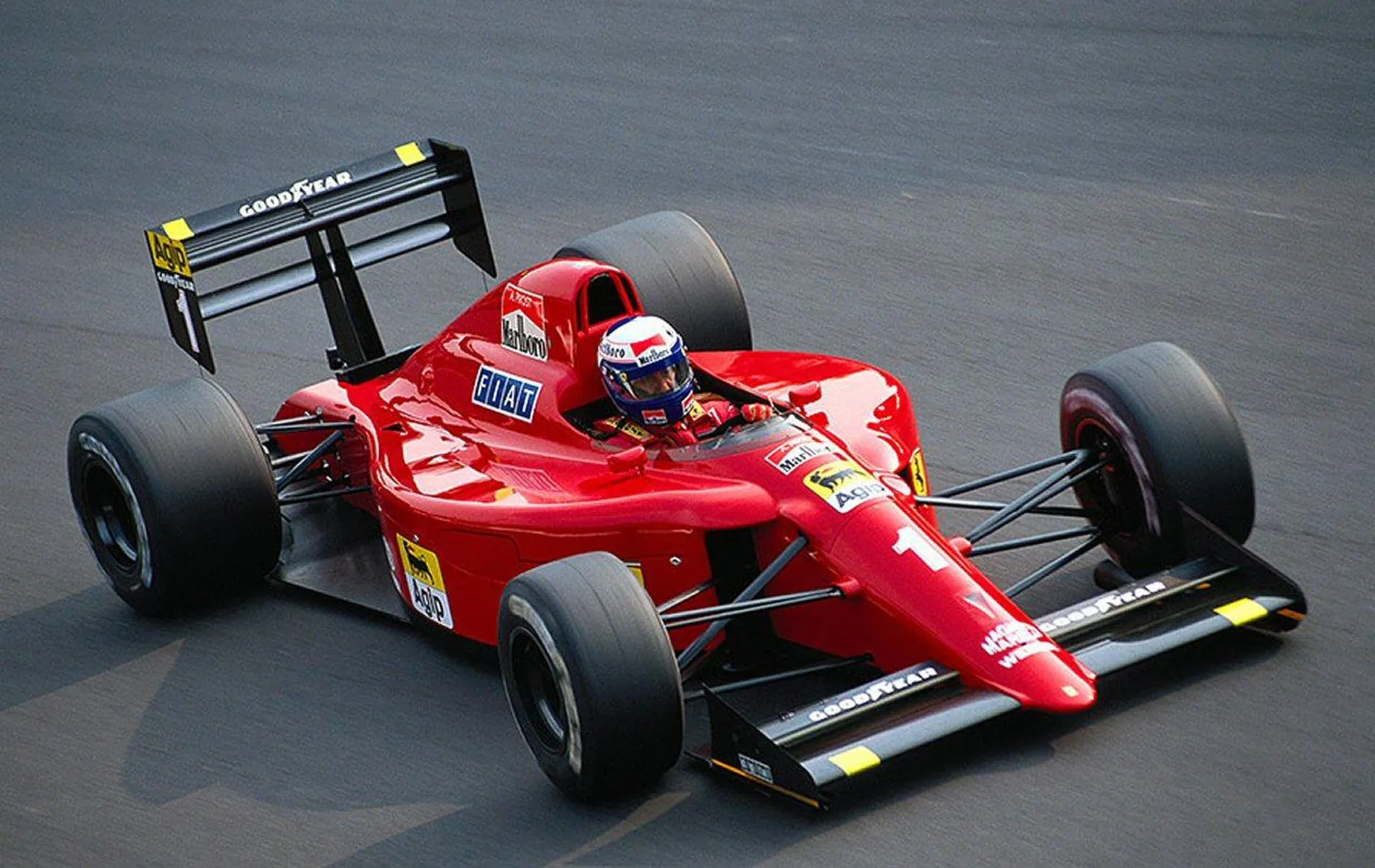
3. Alain Prost: McLaren to Ferrari, 1990
Alain Prost‘s relationship with McLaren produced three world championships, but his rivalry with Ayrton Senna made their partnership increasingly combustible.
The two had become team-mates in 1988, when Senna won his first championship. By 1989, accusations and arguments between the pair had escalated dramatically, and they were no longer speaking after Imola.
Prost announced during the 1989 season that he would join Ferrari the following year. He even handed his Italian Grand Prix winner’s trophy to the Tifosi, further inflaming tensions with McLaren.
He nevertheless finished the season at McLaren and claimed his third world championship after his infamous Suzuka collision with Senna. His subsequent arrival at Ferrari gave the Scuderia a reigning champion and transformed the Prost-Senna rivalry from an internal McLaren battle into a fight between rival teams.

4. Nigel Mansell: Ferrari to Williams, 1991
Nigel Mansell‘s return to Williams is unusual because, for a time, it appeared there would be no transfer at all.
Mansell’s two seasons at Ferrari brought flashes of success but also reliability problems, on-track setbacks and increasing tension. His relationship with team-mate Prost deteriorated, with Mansell believing the pair were not always receiving equal treatment.
During the 1990 season, Mansell announced his intention to retire.
Frank Williams had other ideas. Williams persuaded Mansell to return to the team for 1991 with number-one status, guarantees of support and a reported salary of £4.6 million per season.
The comeback proved inspired. Mansell finished runner-up in 1991 before dominating the following season and finally becoming Formula 1 world champion in 1992.
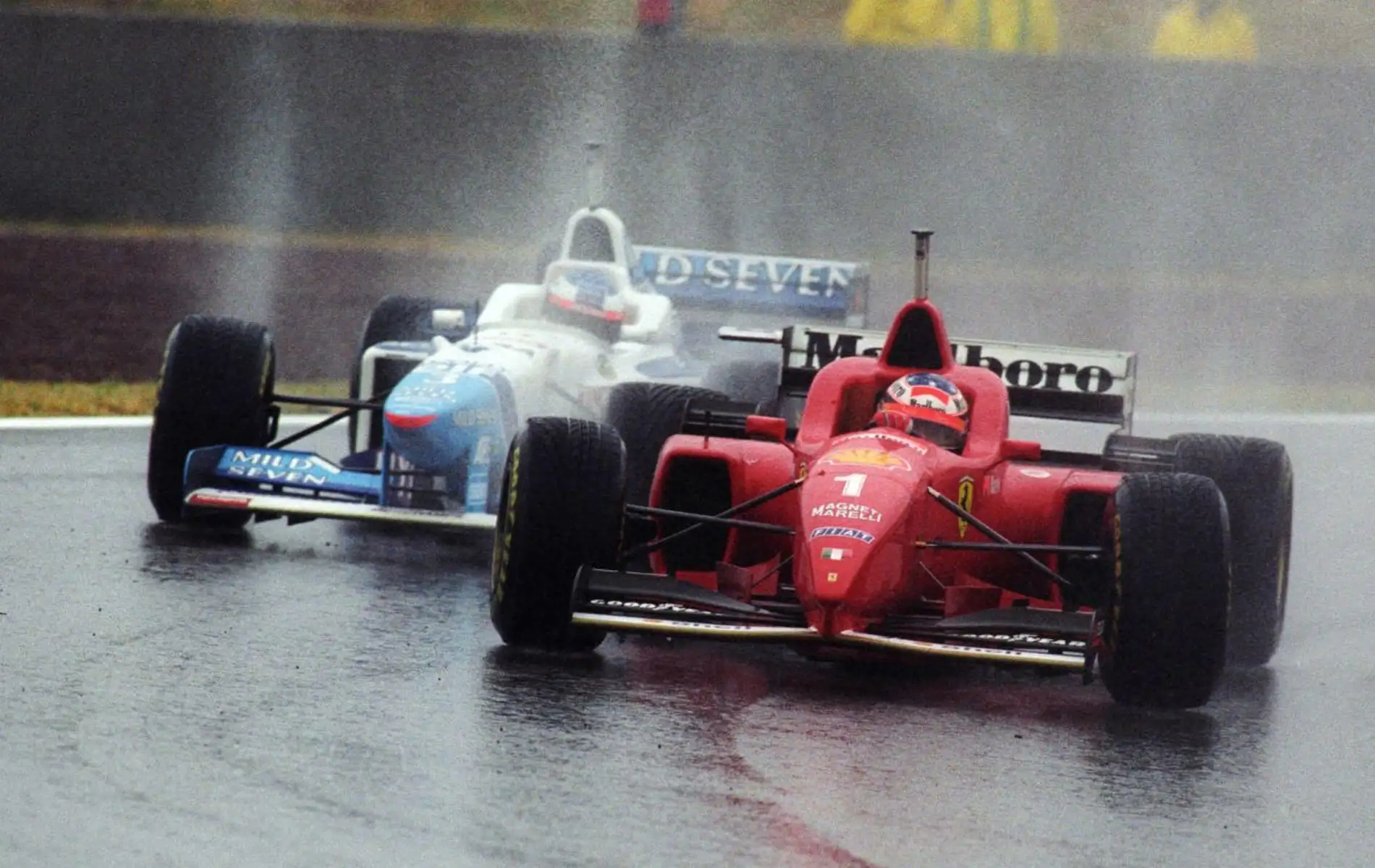
5. Michael Schumacher: Benetton to Ferrari, 1996
With hindsight, Michael Schumacher joining Ferrari looks inevitable. In 1995, it was anything but.
Schumacher was Formula 1’s outstanding young star and a champion with Benetton. Ferrari had the name and history, but not recent dominance: the Scuderia had finished no higher than third in the constructors’ championship during the preceding five seasons and was undergoing a major rebuild.
Team boss Jean Todt wanted a driver around whom that rebuild could be constructed. Schumacher was the obvious target, and Todt reportedly spent a day in Monaco convincing him to join.
Schumacher won his first Ferrari race at the rain-soaked 1996 Spanish Grand Prix. More importantly, the move became the starting point for one of F1’s defining dynasties.
He ultimately added another 71 Grand Prix victories with Ferrari and won five consecutive drivers’ championships. What began as a gamble on a recovering giant became one of the most consequential transfers the sport has seen.
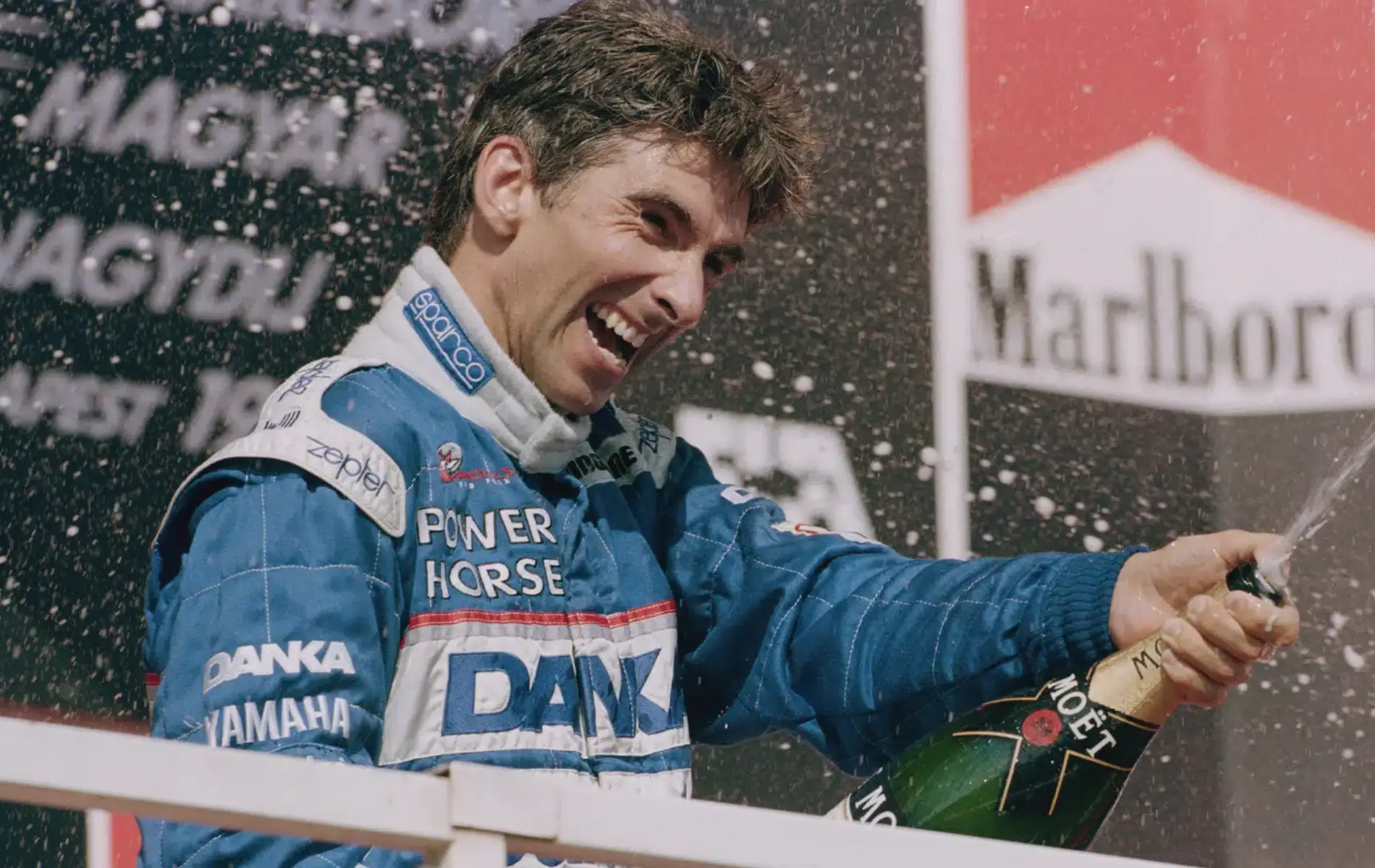
6. Damon Hill: Williams to Arrows, 1997
It is difficult to imagine the reigning world champion moving almost immediately towards the back of the grid, but that was Damon Hill‘s reality after 1996.
Hill began that season superbly, winning four of its first five races. Yet his future at Williams was already uncertain. His relationship with the team’s management had become strained, and Williams ultimately decided not to retain him for 1997.
Hill then completed the strange feat of winning the world championship while knowing he would not be defending it with the same team.
With the most desirable seats already disappearing, Hill signed for Arrows. His single season there produced one of F1’s great near-upsets when he came agonisingly close to winning the Hungarian Grand Prix, but the transfer remains memorable primarily for its extraordinary context: the new world champion being forced to find employment elsewhere.
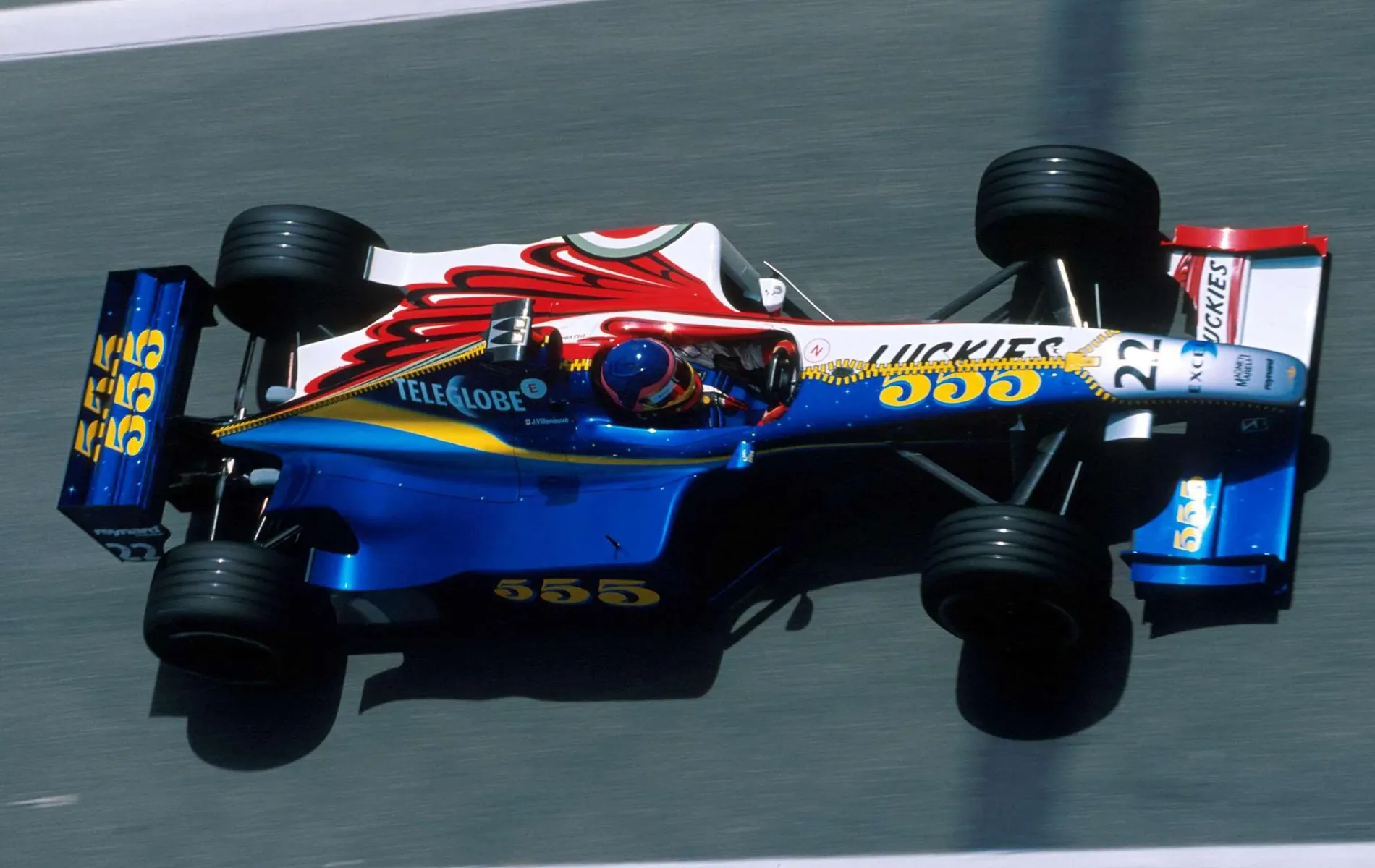
7. Jacques Villeneuve: Williams to BAR, 1999
Jacques Villeneuve won the 1997 championship in only his second Formula 1 season. Two years later, he was starting again with a brand-new team.
Williams’ competitiveness had declined and McLaren had emerged as the championship’s leading force. Villeneuve reportedly had the possibility of joining McLaren, but instead chose British American Racing, formed from Tyrrell and run by his manager Craig Pollock.
The idea was to build a competitive team around Villeneuve. The first season demonstrated just how difficult that was.
He retired from 12 of the 16 races in 1999 and managed a best finish of eighth. Results improved later, but the hoped-for breakthrough never arrived. Villeneuve subsequently acknowledged the move as one of his F1 regrets.
For today’s fans, it is a useful reminder that the promise of becoming the centrepiece of a new project can be every bit as seductive — and dangerous — as joining an established powerhouse.
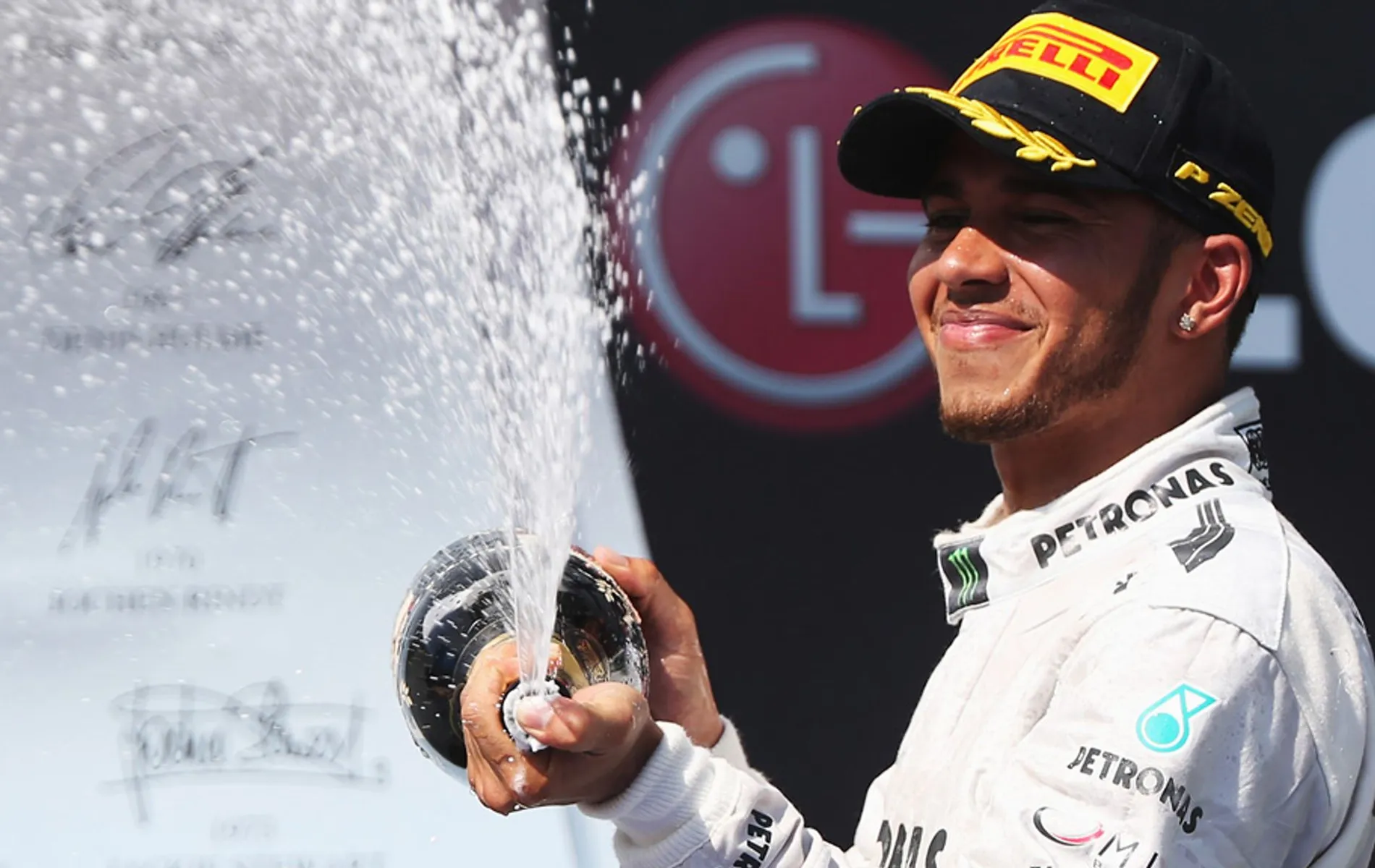
8. Lewis Hamilton: McLaren to Mercedes, 2013
This transfer has been rewritten by what happened afterwards.
Lewis Hamilton had been connected to McLaren for much of his racing life. The team supported his junior career, gave him his F1 debut in 2007 and provided the machinery with which he became world champion in 2008.
Mercedes, by comparison, had achieved only one victory since returning as a works team in 2010.
When Hamilton chose Mercedes for 2013, it was far from an obvious sporting upgrade. The looming 2014 technical regulations offered an opportunity, but no guarantee of domination.
Hamilton’s judgement proved spectacularly accurate. Mercedes became F1’s defining team of the turbo-hybrid era, while Hamilton won six further drivers’ championships with the Silver Arrows.
Few transfers have ever demonstrated more clearly that drivers are not simply choosing between the cars they can see today. They are trying to predict the cars that will exist tomorrow.
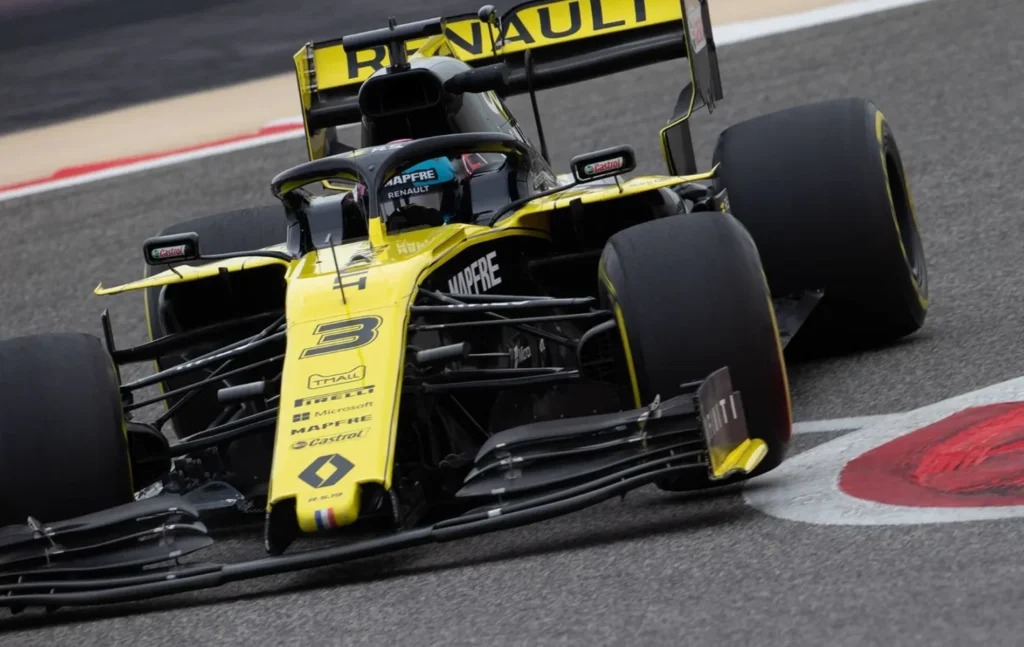
9. Daniel Ricciardo: Red Bull to Renault, 2019
Daniel Ricciardo had won seven Grand Prix for Red Bull and finished third in the championship twice. For years, he appeared to be one of the team’s natural championship hopes.
Then Max Verstappen arrived.
As Verstappen’s influence grew, Ricciardo’s long-term position became less certain. By 2018, Verstappen had outscored him and speculation about the team’s future direction was intensifying.
Ricciardo responded with one of the biggest surprises of the modern driver market: joining Renault for 2019.
Renault offered works-team status, a new environment and a lucrative contract, but it was a significant competitive step backwards from Red Bull, which remained capable of winning races.
The move became an important lesson in the modern F1 driver market. Being in a faster car is only one consideration; team hierarchy, long-term prospects and a driver’s confidence in an organisation can be equally decisive.
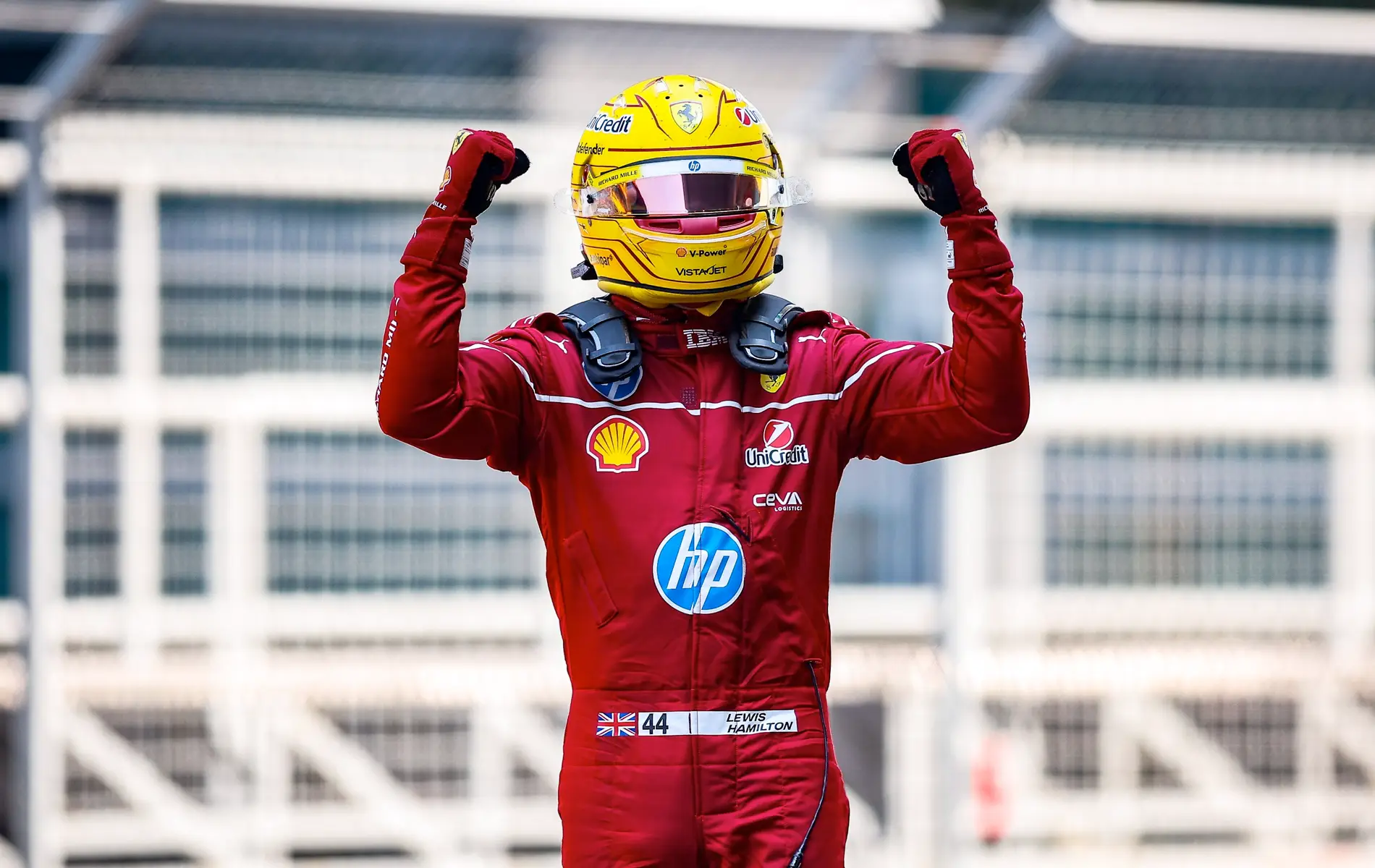
10. Lewis Hamilton: Mercedes to Ferrari, 2025
More than a decade after shocking Formula 1 by leaving McLaren, Hamilton did it again.
His Mercedes partnership had become one of the most successful in championship history. After joining in 2013, Hamilton won six drivers’ titles with the team and became synonymous with the Silver Arrows.
The competitive picture changed after the introduction of F1’s ground-effect regulations in 2022. Mercedes fell away from championship contention, while Hamilton endured the first winless season of his career.
Then, before Mercedes had even unveiled its 2024 challenger, came the announcement nobody expected: Hamilton would leave for Ferrari in 2025.
The transfer carried significance beyond results. Hamilton was leaving the team with which he had built the defining record of his career to pursue one of motorsport’s most famous ambitions — winning for Ferrari.
By 2026, the Hamilton-Ferrari partnership had already delivered a return to the top step of the podium. Its ultimate historical standing, however, remains unwritten.
Why F1’s biggest transfers matter
The common thread running through these moves is not simply surprise. It is uncertainty.
Fangio trusted Mercedes almost as soon as it arrived. Fittipaldi sacrificed proven competitiveness for a family project. Schumacher and Hamilton joined teams whose future potential was greater than their immediate results suggested. Hill discovered that even a world championship could not guarantee job security. Ricciardo chose a new environment rather than remain alongside a rapidly rising Verstappen.
That is why driver-market speculation remains so compelling in modern Formula 1.
The biggest decisions are rarely as simple as asking which team has the fastest car today. Drivers have to judge technical regulations, engine programmes, management structures, team-mates and development trajectories years into the future.
And sometimes, as Schumacher and Hamilton proved, one signature is enough to help change the course of Formula 1 history.
Seen in: