Max Verstappen could pass a rival, reach the next straight and find himself defending all over again. The 2026 Las Vegas Grand Prix produced a record 352 overtakes and 35 lead changes over 50 laps. Even the winner struggled to find a Formula 1 race to compare it with.
What to know
- The FIA’s 2026 Las Vegas post-race transcript quotes 352 overtakes and 35 lead changes; it does not publish the counting rules alongside them.
- The historical compilation used here lists 188 overtakes for the wet 2023 Dutch Grand Prix and 170 for the dry 2016 Chinese Grand Prix.
- Pass-and-repass moves can disappear from a lap-chart count, while pit-stop position changes are not necessarily on-track overtakes.
- This selection uses attributed totals for ten races; it is not an all-time statistical ranking.
Las Vegas joins a collection of races where rain, tyre wear, recovery drives and long straights kept the field moving. Below are ten remarkable examples, with Vegas as the headline and nine leading historical benchmarks.
How these overtaking totals are counted
An overtake sounds easy to count until two cars swap places twice on the same lap. A lap chart can miss both moves because the cars cross the line in their original order. Other counts track individual passes, while raw timing changes can also include pit stops, retirements and corrections. Those measures are hard to treat as interchangeable.
For the nine historical races, we exclude first laps and the first lap of a standing restart, pit-lane passes, lapping and unlapping, and several other non-racing position changes. The Las Vegas 2026 total comes separately from the FIA press conference. That doesn’t provide matching rules to the other nine, so 352 is the reported figure, not our independently verified comparative record.
The table groups the selected races by their totals but is not an exhaustive assessment of 2025–2026, and it does not claim complete coverage before 1984. We checked figures and source versions on 22 November 2026.
The historical figures come from the F1 Overtaking Data compilation spreadsheet, while the Las Vegas figure is quoted in the FIA post-race conference, and Motorsport.com explains the alternative lap-chart convention.
Which F1 race has the most overtakes?
| Grand Prix | Quoted total | Source and qualification |
|---|---|---|
| 2026 Las Vegas Grand Prix | 352 | Figure quoted at FIA press conference |
| 2023 Dutch Grand Prix | 188 | F1 Overtaking Data compilation |
| 2016 Chinese Grand Prix | 170 | F1 Overtaking Data compilation; Motorsport.com reports 161 |
| 2012 Brazilian Grand Prix | 158 | F1 Overtaking Data compilation; Pirelli figure reported by Motorsport.com: 147 |
| 2011 Turkish Grand Prix | 132 | F1 Overtaking Data compilation |
| 2011 Canadian Grand Prix | 129 | F1 Overtaking Data compilation |
| 2011 Belgian Grand Prix | 99 | F1 Overtaking Data compilation |
| 2023 Las Vegas Grand Prix | 99 | F1 Overtaking Data compilation |
| 2011 Chinese Grand Prix | 98 | F1 Overtaking Data compilation |
| 2012 Chinese Grand Prix | 97 | F1 Overtaking Data compilation |
Las Vegas 2026: passes, repasses and a three-car finish
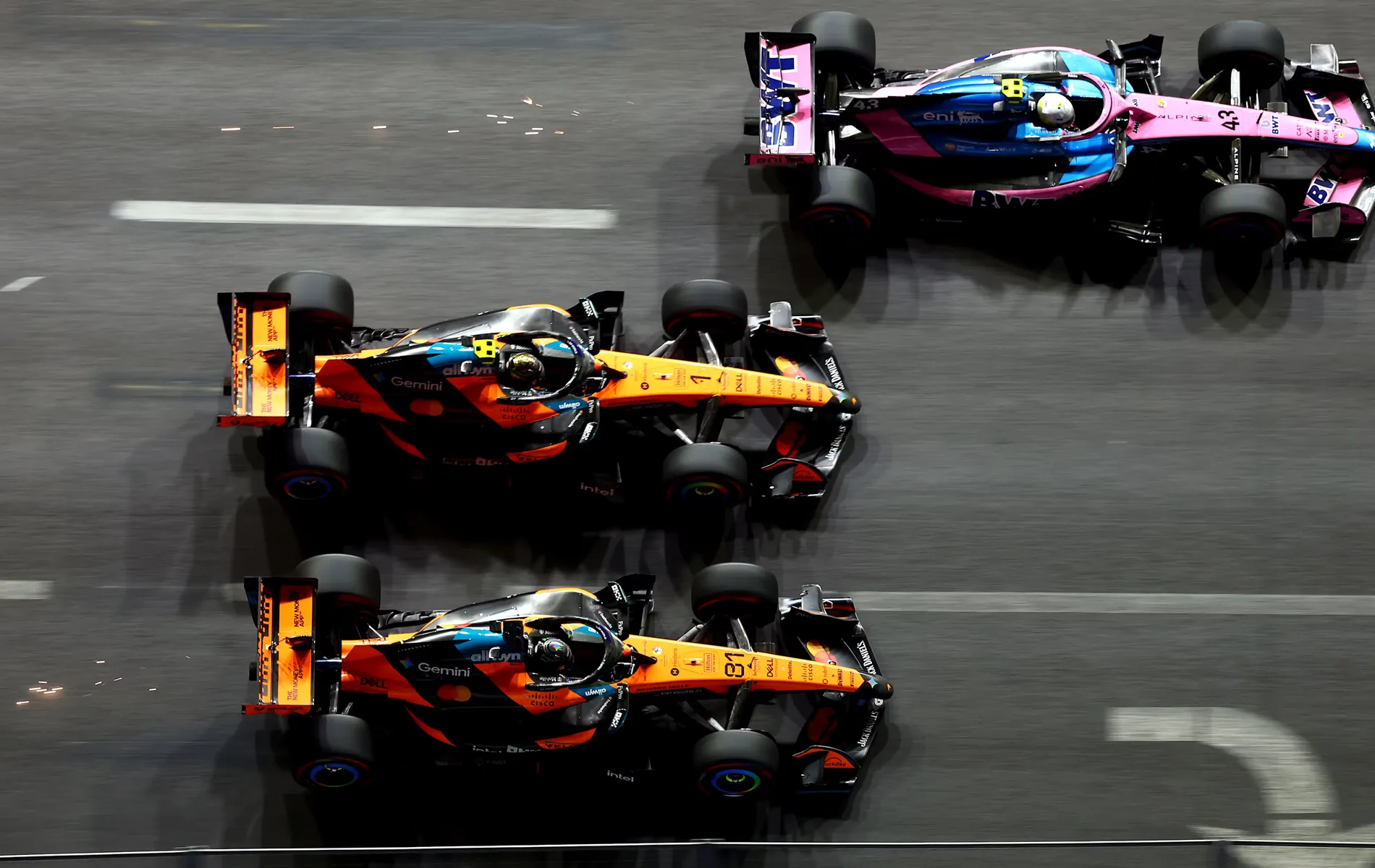
At the 2026 Las Vegas Grand Prix on 21 November 2026, Max Verstappen had to defend repeatedly as the slipstream and electrical deployment brought challengers back within reach. George Russell and Kimi Antonelli were among those attacking, while the McLarens worked their way into the fight. Getting ahead was only half the job as the next straight offered another chance to reverse the move.
Verstappen won, Lando Norris finished second, and Oscar Piastri recovered from 17th on the grid to third. In the press conference, the drivers described a race spent judging when to use their battery and how to position themselves in the tow. Piastri’s climb survived a delay when McLaren stacked its cars in the pits. The headline 352 total captures the scale of the reported action, but it must remain separate from historical counts assembled under different rules.
Further reading
The Netherlands 2023: the wrong tyre became a very big problem
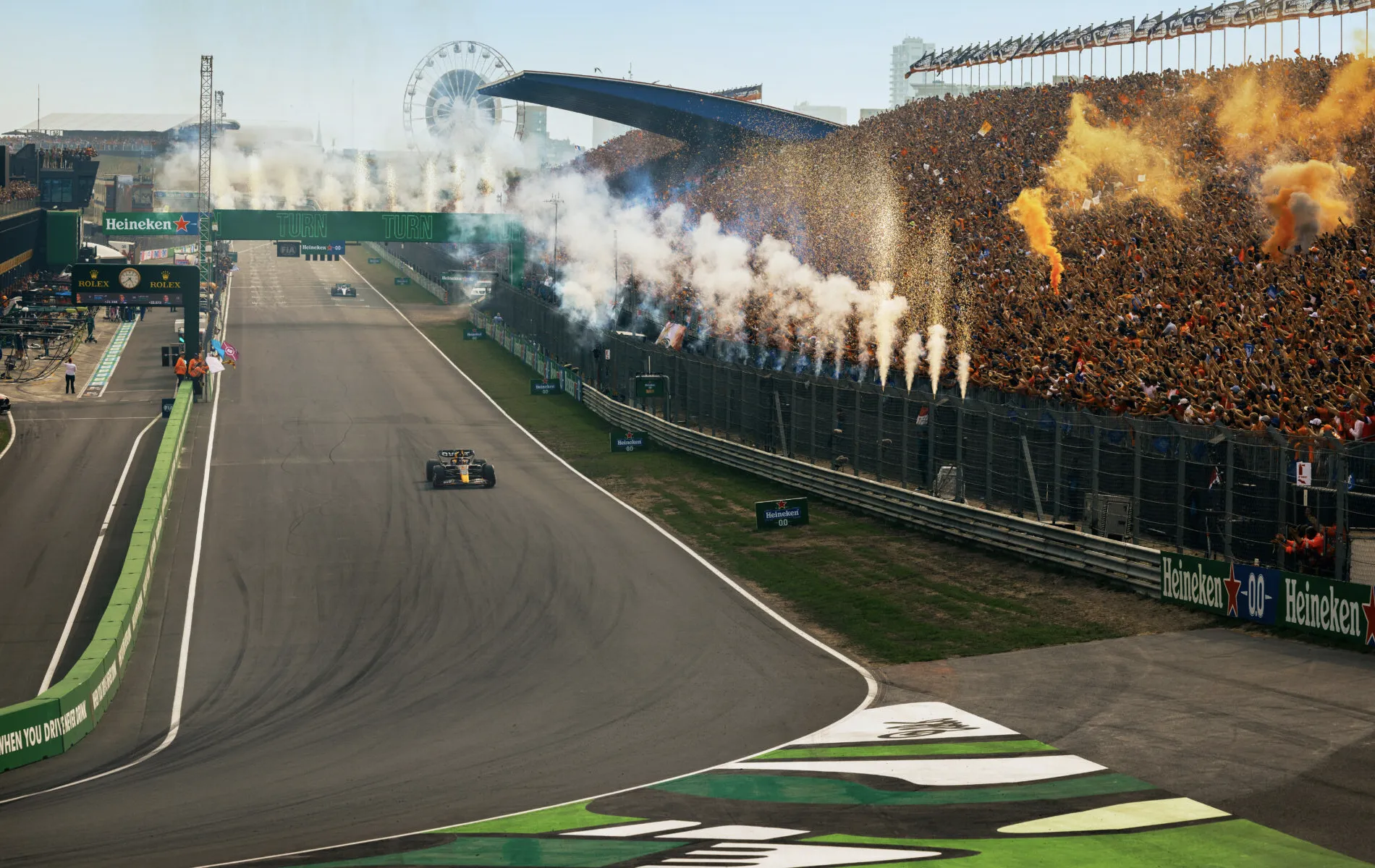
Rain transformed the 2023 Dutch Grand Prix almost as soon as it began. Drivers who stayed on slicks were suddenly exposed to rivals on intermediates, and the tight Zandvoort circuit became an unlikely setting for a huge number of passes. With 188 passes, including 63 on lap three alone, is an incredible amount in a wet race.
Max Verstappen ultimately won ahead of Fernando Alonso and Pierre Gasly, but the race demanded much more than a clean getaway from pole. The weather returned late on and brought a red flag, followed by a final restart. Verstappen emerged with a ninth consecutive victory in the 2023 season, matching Sebastian Vettel’s run from 2013. The familiar winner concealed a wildly unfamiliar afternoon for the cars behind him.
Further reading

China 2016: quick cars with a lot of ground to recover
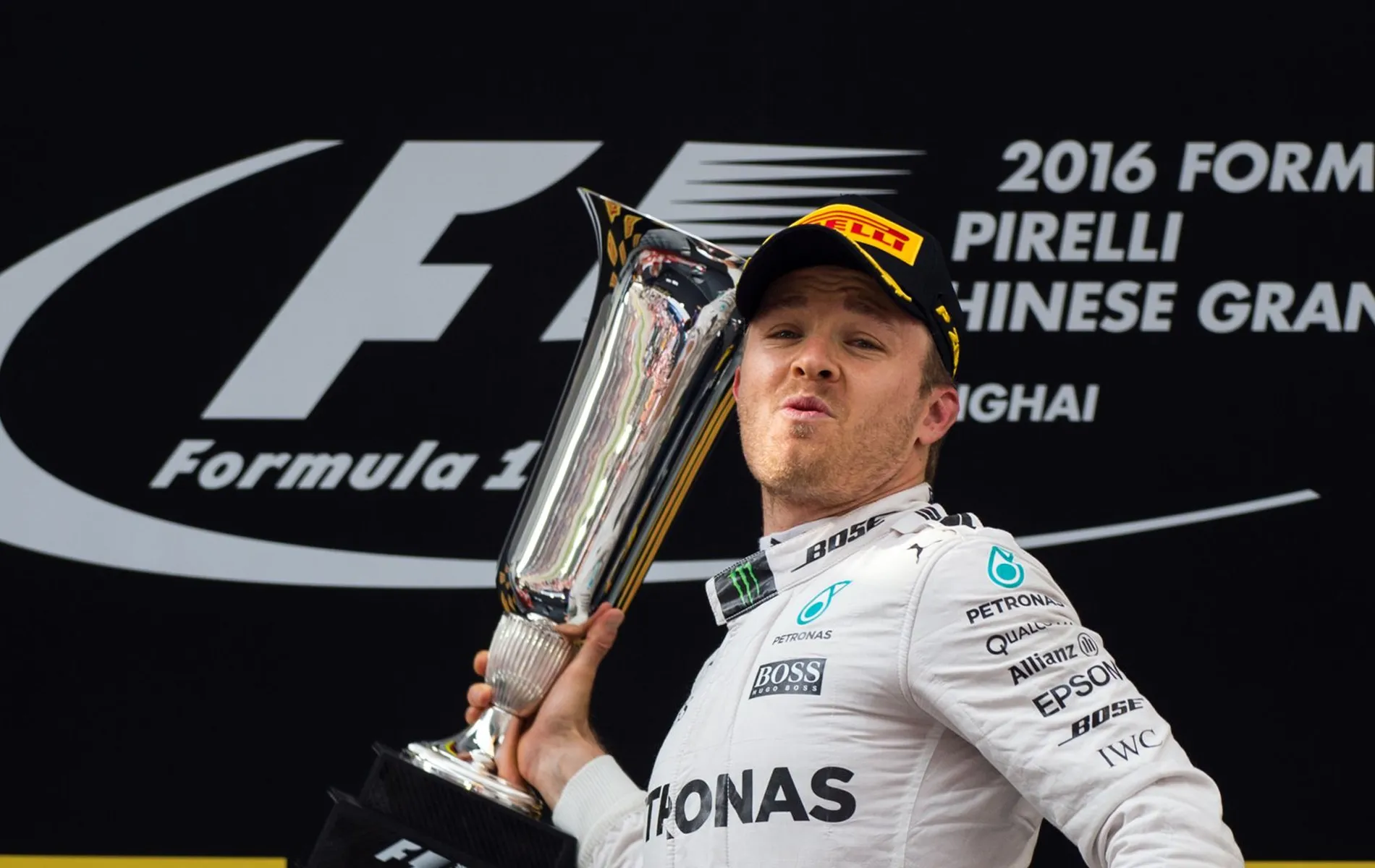
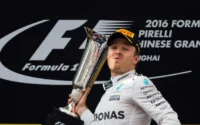
Nico Rosberg had the quietest view of the 2016 Chinese Grand Prix. Behind the Mercedes, several potential front-runners spent the afternoon recovering from trouble. Lewis Hamilton started last and finished seventh after five pit stops. Daniel Ricciardo led early, suffered a puncture and fought back to fourth. Ferrari also had recovering cars after its opening-lap collision.
Sebastian Vettel reached second and Daniil Kvyat finished third, while all 22 starters completed the race. That left plenty of cars to pass as tyre strategies and recovery drives overlapped with 170 overtakes in some records, although Motorsport.com’s separate account gives 161. Rosberg, meanwhile, collected another win on his way to the 2016 F1 World Championship, leaving most of the afternoon’s wheel-to-wheel work to everybody else.
Further reading
Brazil 2012: overtaking with the championship on the line
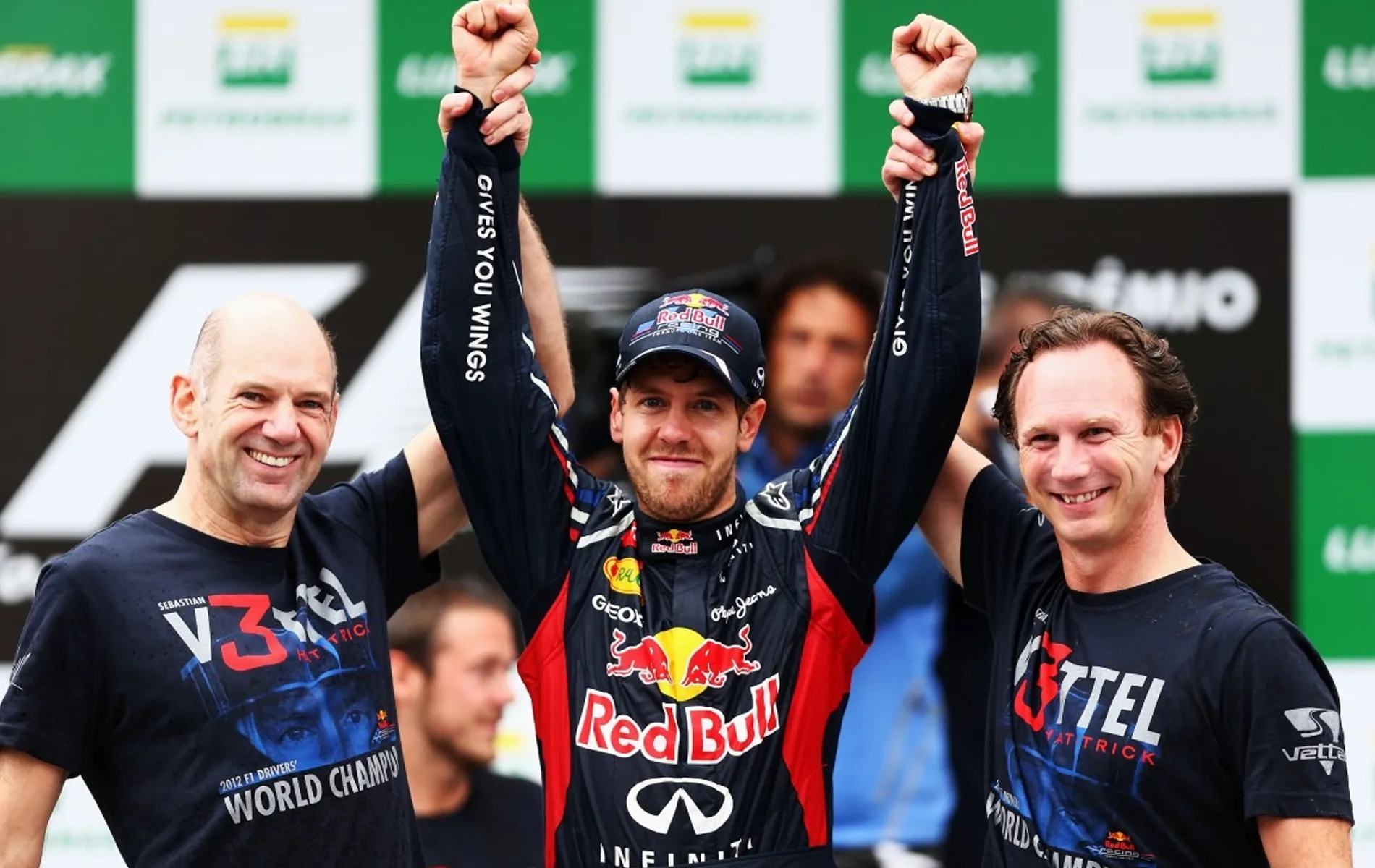
Sebastian Vettel’s 2012 Brazilian Grand Prix began with contact and a spin, leaving his championship hopes in immediate danger. Fernando Alonso was still in the title fight, and every place Vettel recovered mattered. Interlagos kept changing as rain complicated tyre decisions and the race developed into several overlapping battles rather than one straightforward chase for victory.
Jenson Button won for McLaren, Alonso finished second and Vettel recovered to sixth, enough to secure the 2012 season title by three points. Nico Hülkenberg also led for Force India before a collision with Lewis Hamilton ended their chances of winning. The F1 community count is 158, while the Pirelli figure cited by Motorsport.com is 147. Hamilton retired, Hülkenberg finished fifth and the race ended behind the Safety Car, with Vettel’s third successive championship finally secure.
Further reading
Turkey 2011: four stops and repeated battles
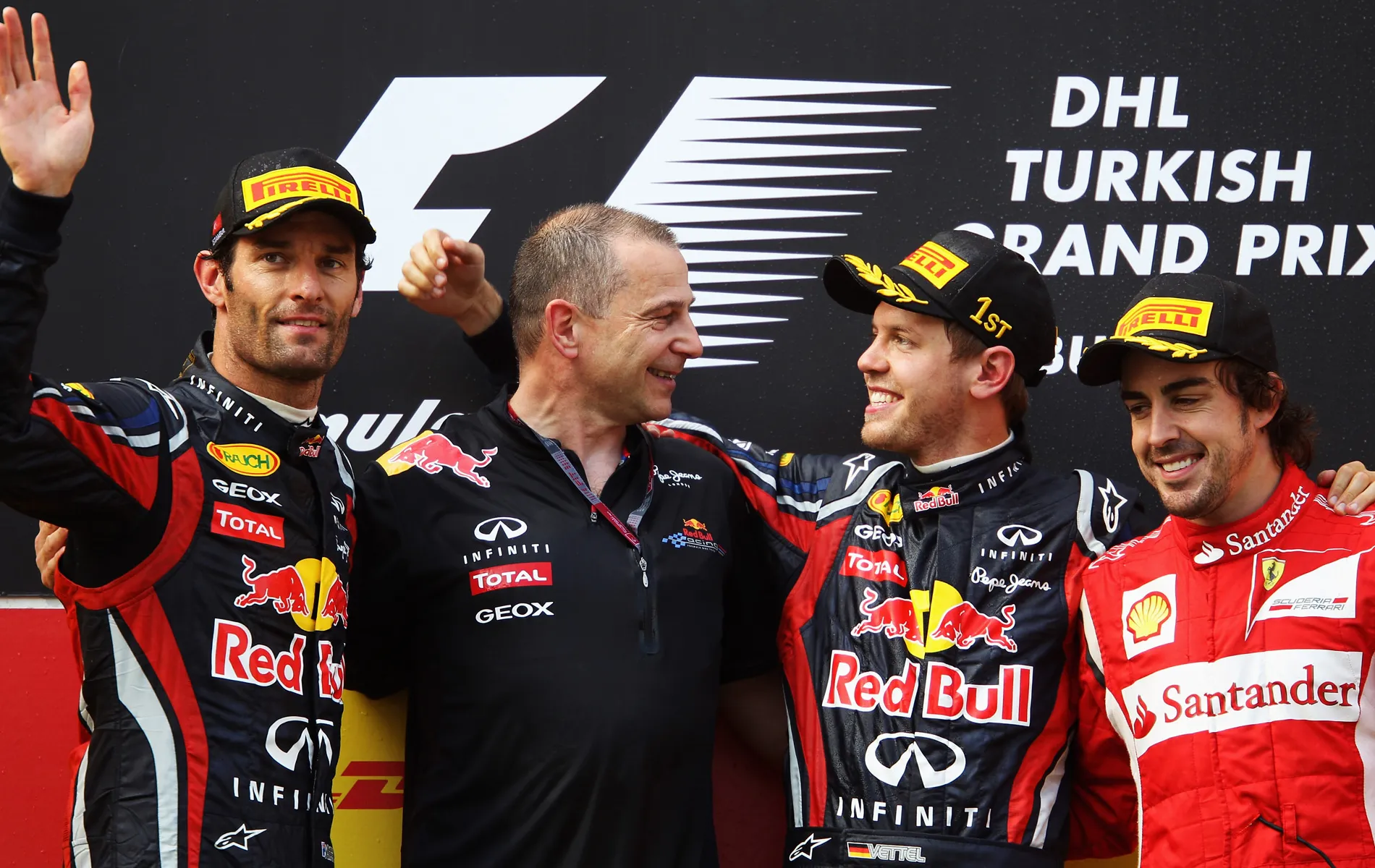
The 2011 Turkish Grand Prix put the 2011 season’s new DRS-and-Pirelli combination on full display. Sebastian Vettel won on a four-stop strategy, with Mark Webber and Fernando Alonso completing the podium after making four stops too. Fresh tyres repeatedly sent drivers back into traffic with enough pace to attack, while those further into a stint had to defend.
Istanbul Park’s long approach to the final complex gave those speed differences somewhere to play out. With 132 overtakes, Vettel converted pole into victory despite losing valuable practice time after a Friday crash. Behind him, the number of tyre changes ensured that an opponent passed once could become a target again later in the race.
Further reading
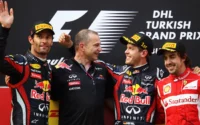

Canada 2011: Button kept coming back
Jenson Button’s 2011 Canadian Grand Prix included contact, a penalty and enough visits to the pit lane to make victory look absurd. He went through the pits six times, including a drive-through, and still won. Heavy rain stopped the race for more than two hours, stretching the afternoon into Formula 1’s longest Grand Prix by elapsed time.
Once the circuit dried, Button found the speed to work through the field. He passed Mark Webber and Michael Schumacher before pursuing Sebastian Vettel, whose last-lap mistake finally opened the door. With 129 overtakes across the race, that total is not simply Button’s recovery or the number of places he gained. Other drivers were fighting through the same changing conditions. His victory also earns a place among the greatest wet-weather F1 drives, with the final pass coming after more than four hours of racing and waiting.
Further reading
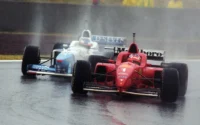
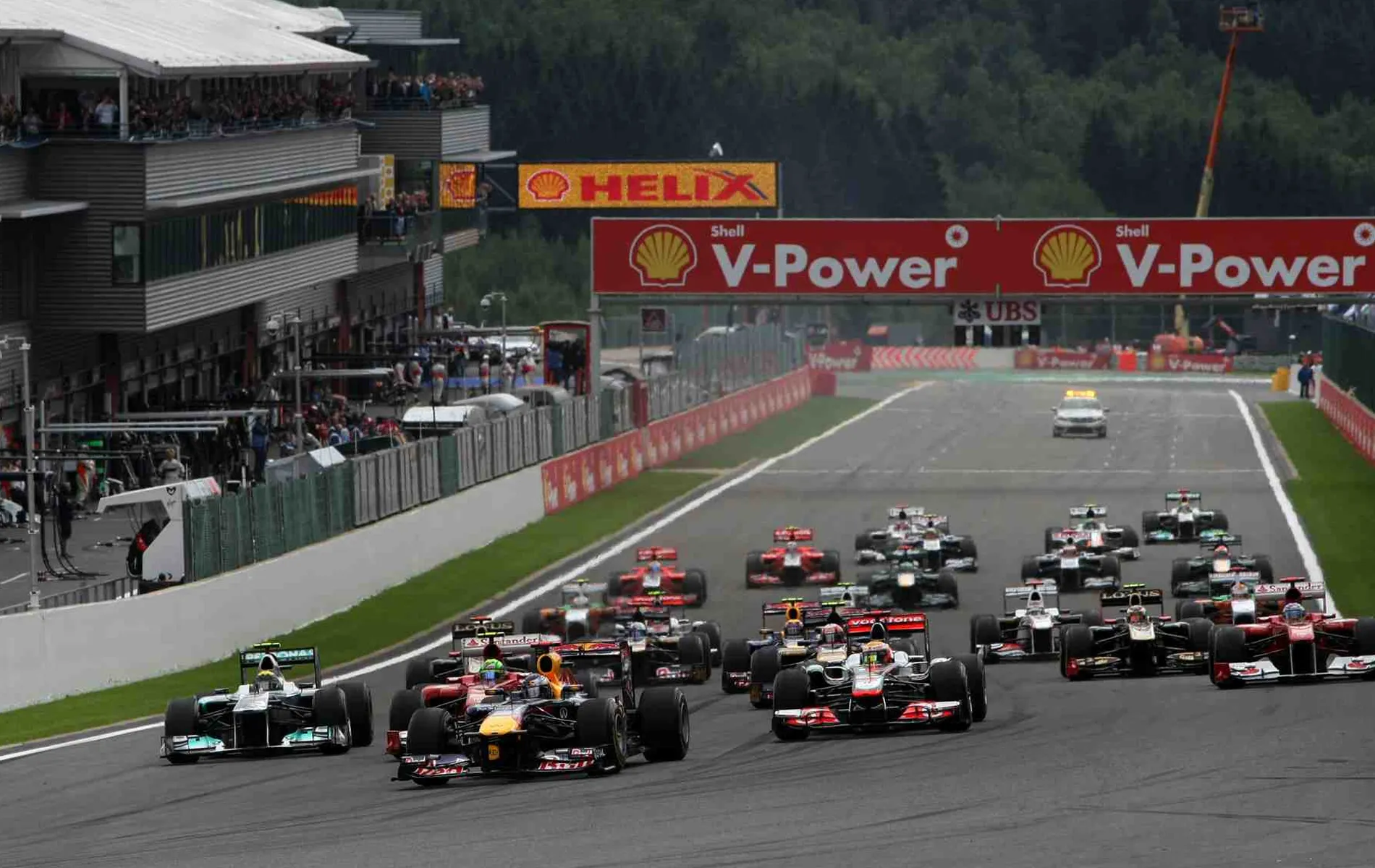
Belgium 2011: Webber and Alonso refuse to lift early
One move from the 2011 Belgian Grand Prix remains instantly recognisable: Mark Webber attacking Fernando Alonso into Eau Rouge. The Red Bull and Ferrari arrived together, and Webber committed to a pass through one of the calendar’s most intimidating stretches of road.
A race with 99 overtakes saw Sebastian Vettel win, Webber finish second, and Jenson Button complete the podium ahead of Alonso. Spa-Francorchamps offered long acceleration zones and fast approaches where a following car could build an attack, but Webber’s move demanded considerably more than waiting for a DRS straight. The Red Bulls took the first two places while the McLaren and Ferrari fought for the remaining podium spot. Even among the many passes that afternoon, the sight of Webber keeping his foot in beside Alonso has endured.
Further reading
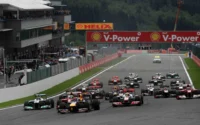
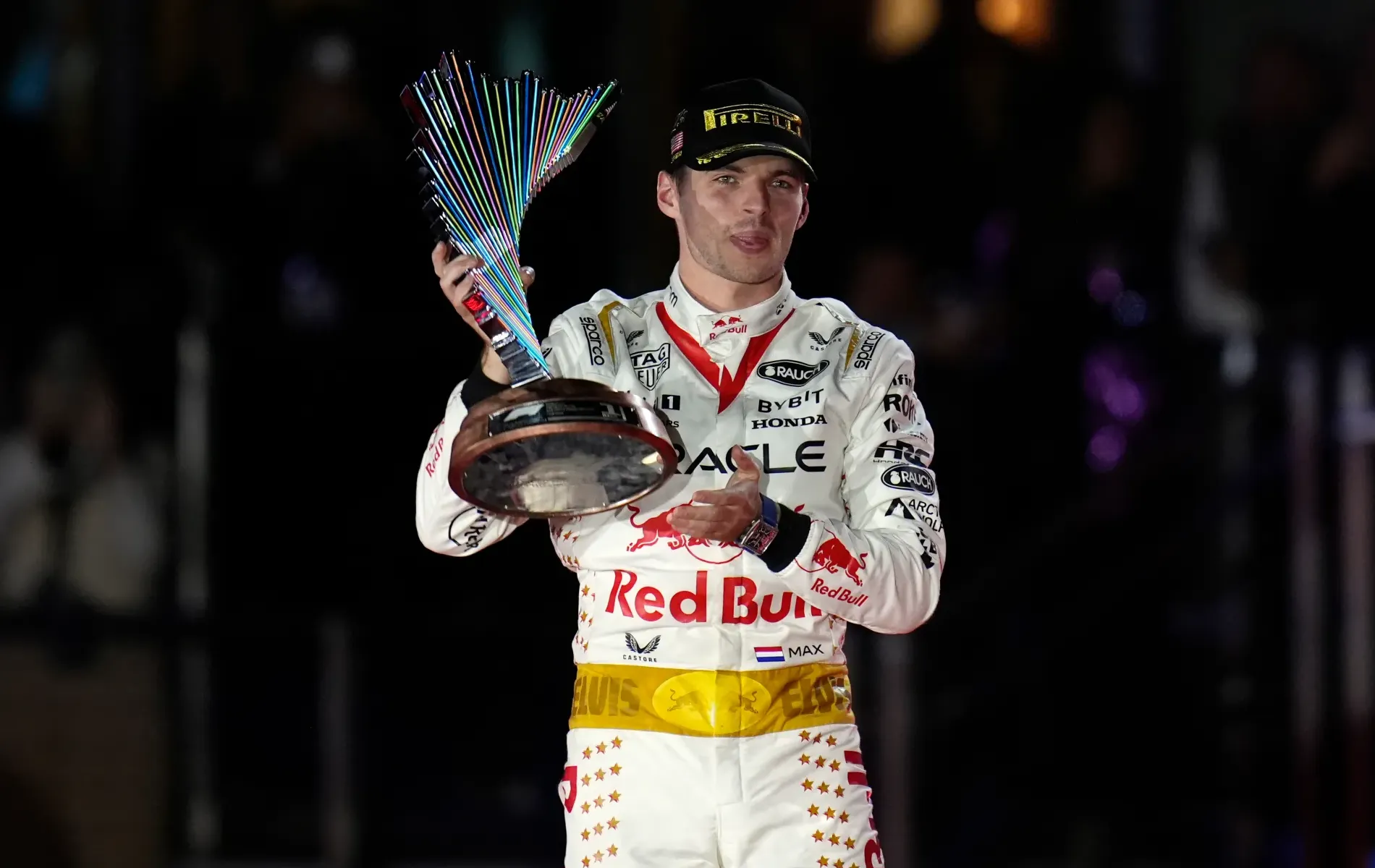
Las Vegas 2023: Leclerc leaves it until the final lap
The first race on the Las Vegas Strip Circuit already offered a strong answer to anyone expecting the venue to be all spectacle and little racing. At the 2023 Las Vegas Grand Prix, Charles Leclerc fought both Red Bulls and kept the podium order uncertain until the final lap. With 99 overtakes, it matches the total number of overtakes in Belgium 2011.
Max Verstappen received a five-second penalty for forcing Leclerc off at the start, yet recovered to win. Leclerc also passed him during the race, while Sergio Pérez became another contender as the strategies unfolded. The Ferrari driver’s last-lap move on Pérez secured second and denied Red Bull a one-two. Those long straights gave the chasing car a chance, but the driver still had to judge the braking. Leclerc’s final attack delivered a finish to match the evening’s build-up.
Further reading
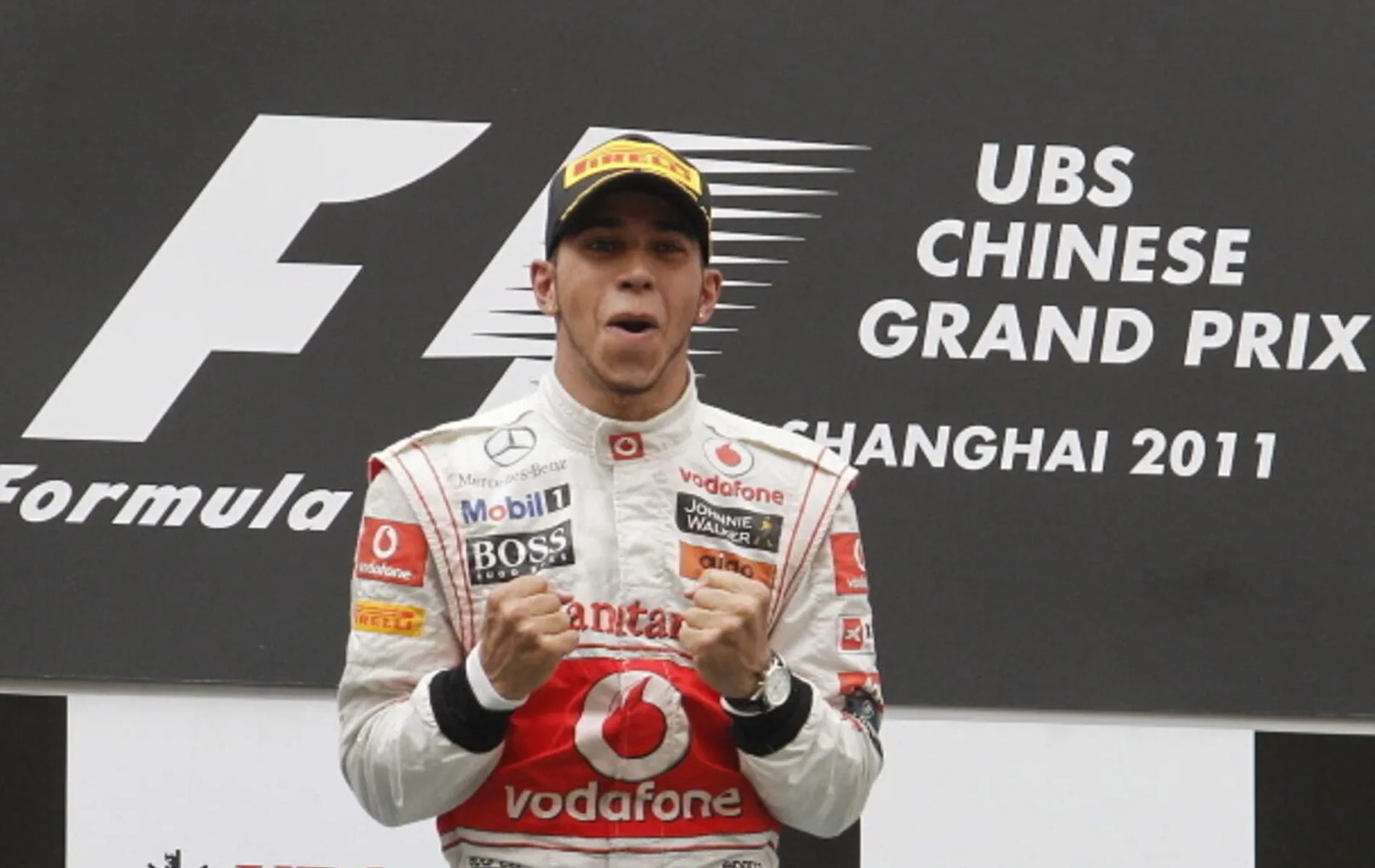
China 2011: Hamilton hunts down Vettel
Lewis Hamilton’s three-stop strategy gave him the tyres to chase Sebastian Vettel’s two-stopping Red Bull at the 2011 Chinese Grand Prix. He had to make the extra stop pay on the track, catching and passing Vettel late in the race to win for McLaren.
With 98 overtakes across the field, Mark Webber provided a second recovery story, climbing from 18th on the grid to third. He had also stopped three times, putting fresh rubber to work while others struggled further into their stints. The leading cars were not all following one strategy, and their different tyre ages kept creating new contests. Hamilton’s decisive move came into Turn 7, away from the obvious hairpin at the end of the long straight. Vettel finished second, with his teammate’s charge completing a double podium for Red Bull.
Further reading
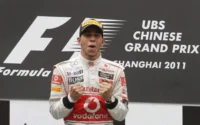

China 2012: Rosberg escapes while the pack fights
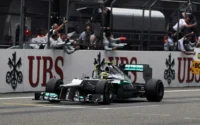
Nico Rosberg earned his first Grand Prix victory at the 2012 Chinese Grand Prix, delivering Mercedes’ first championship race win as a constructor since 1955. He managed a two-stop strategy while Jenson Button tried to chase him on three. A delay at Button’s final stop damaged that pursuit and left Rosberg with room to finish the job.
Behind the leader, drivers on different strategies fought over the remaining places. Kimi Räikkönen’s tyres faded badly late on, leaving the Lotus vulnerable as the queue behind him found a way through. Button took second and Lewis Hamilton third. With 97 overtakes, Rosberg celebrated the breakthrough win; the crowded fight behind him supplied much of the passing that brought Shanghai back into this collection for a third time.
Further reading
Seen in: