



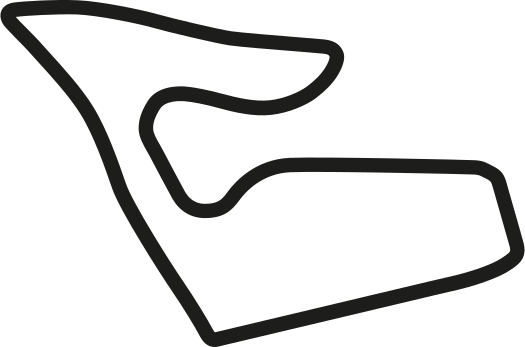













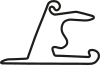

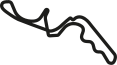


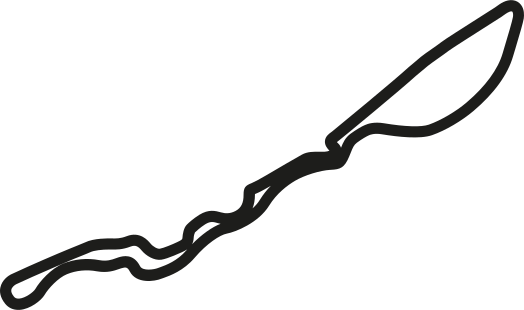

The Austrian Grand Prix has carved out a distinctive place in F1 history. First run in 1964 at Zeltweg Air Base, the event quickly evolved from a bumpy airfield circuit into one of the fastest and most dramatic venues on the calendar. Since 1970, the race has been centred around the sweeping hills of Spielberg, at a circuit known over time as the Österreichring, the A1 Ring and today the Red Bull Ring.
After long absences and several reinventions, Austria returned permanently to the championship in 2014. In 2020, it even opened the season, an unprecedented moment shaped by the global pandemic. Across its eras, the Austrian Grand Prix has produced surprise winners, last-corner drama, and championship-defining performances.
What To Know?
- Closest finish in race history: In 1982, Elio de Angelis beat Keke Rosberg by just 0.050 seconds at the Österreichring, one of the tightest finishes ever recorded in Formula One.
- Most successful driver at Spielberg: Max Verstappen has won the Austrian Grand Prix four times in the modern Red Bull Ring era, making the circuit one of his strongest venues.
- Home hero moment: Niki Lauda remains the only Austrian driver to win his home Grand Prix, triumphing in 1984 on his way to that season’s world title.
- From 14th to 1st: Alan Jones charged from 14th on the grid to win in 1977, one of the lowest starting positions for a race winner in Austrian Grand Prix history.
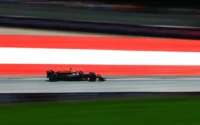
List of Every Austrian Grand Prix Winner
Austrian Grand Prix Winner: 1964
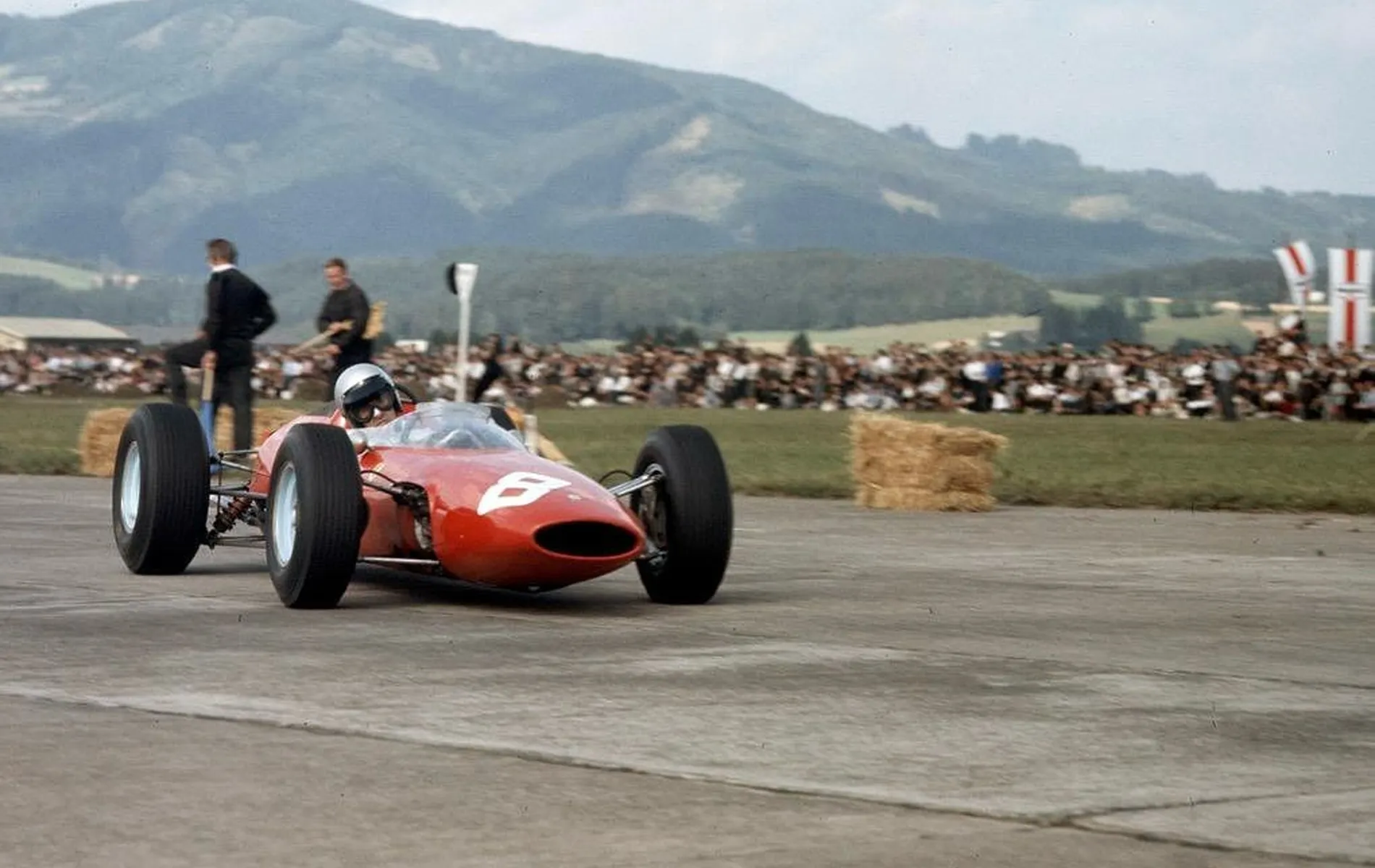
The inaugural championship Austrian Grand Prix in 1964 was won by Lorenzo Bandini for Ferrari. Held on the rough surface of Zeltweg Air Base, the race was notoriously punishing on cars. Bandini’s measured drive ensured Ferrari triumphed in what proved to be the circuit’s only championship appearance.
Complaints about the track surface led to the construction of a purpose-built circuit nearby, setting the stage for Austria’s golden era.
Austrian Grand Prix Winners: 1970 to 1987
The Österreichring quickly became known for its flat-out sweeps and dramatic elevation changes. Slipstream battles and engine failures were common.
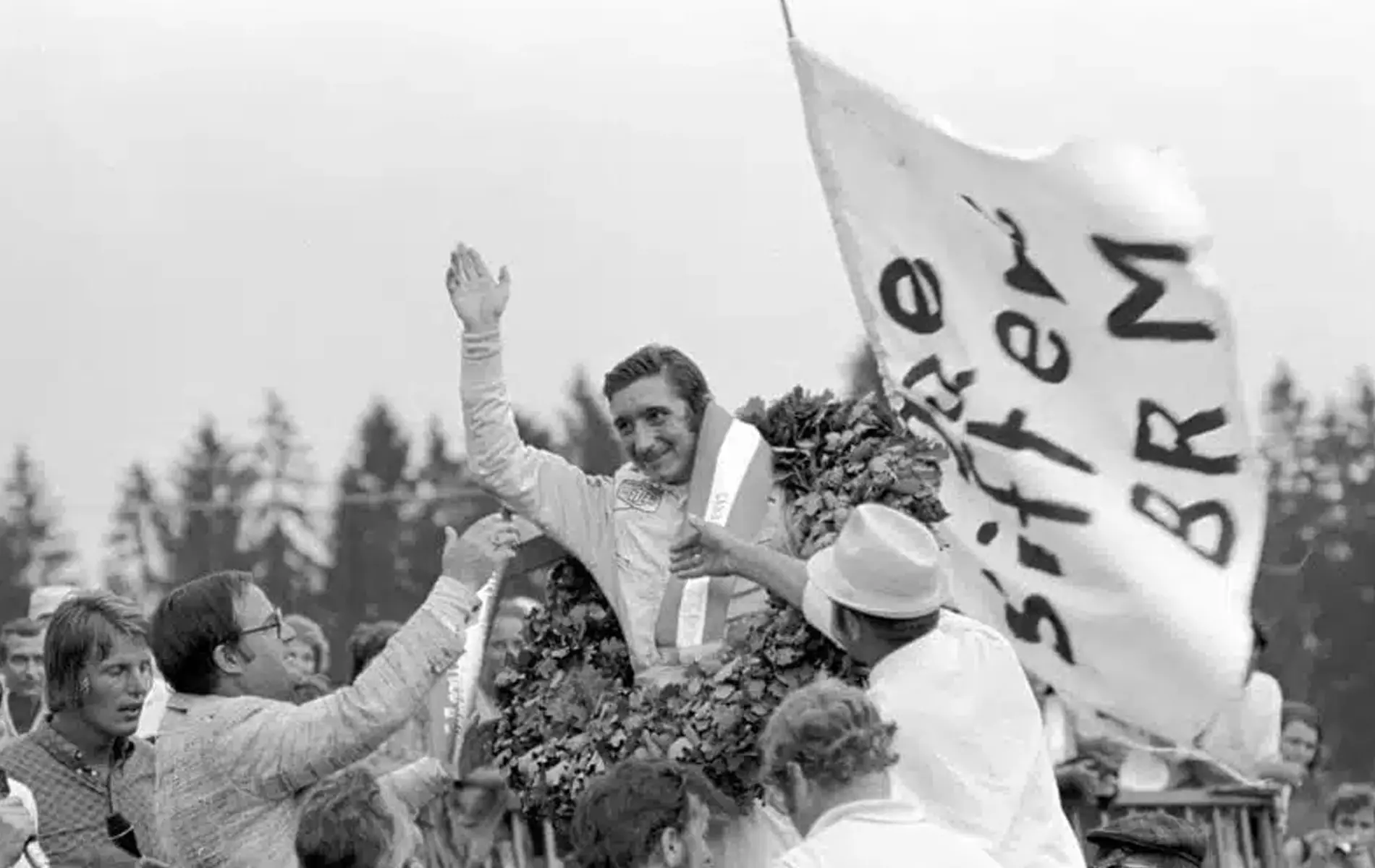
The 1970s opened with victory for Jacky Ickx, again delivering success for Ferrari. A year later, in 1971, Jo Siffert claimed an emotional win for BRM.
Team Lotus enjoyed particular success in this period. Emerson Fittipaldi won in 1972, while Ronnie Peterson triumphed twice in 1973 and 1978. Peterson’s 1978 victory, from pole position, underlined his reputation as one of the fastest drivers of his generation.
Austria often rewarded attacking drives. Alan Jones stormed from 14th on the grid to win in 1977, one of the great comeback victories at the circuit.
Turbo power began to define the early 1980s. Jean-Pierre Jabouille secured Renault’s second turbo era win in 1980. In 1982, fans witnessed one of the closest finishes in Formula One history when Elio de Angelis beat Keke Rosberg by just 0.050 seconds.
No driver mastered Austria in the mid 1980s quite like Alain Prost. He won three times between 1983 and 1986, demonstrating his tactical precision on a circuit that punished mistakes.
For Austrian fans, 1984 was unforgettable. Niki Lauda delivered a home victory on his way to a third world title, a defining national sporting moment.
The original high-speed layout bowed out in 1987 with victory for Nigel Mansell, after a dramatic weekend that included multiple start-stoppages.
Austrian Grand Prix Winners: 1997 to 2003
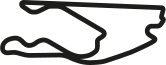
After an extensive redesign, the circuit returned in 1997 as the A1 Ring. Shorter and more technical, it produced tight racing and heavy braking duels.
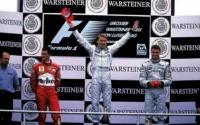
Jacques Villeneuve dominated the comeback event in 1997. The following seasons saw a fierce battle between McLaren and Ferrari. Mika Hakkinen won twice, while Eddie Irvine scored a crucial victory for Ferrari in 1999 during his title challenge.
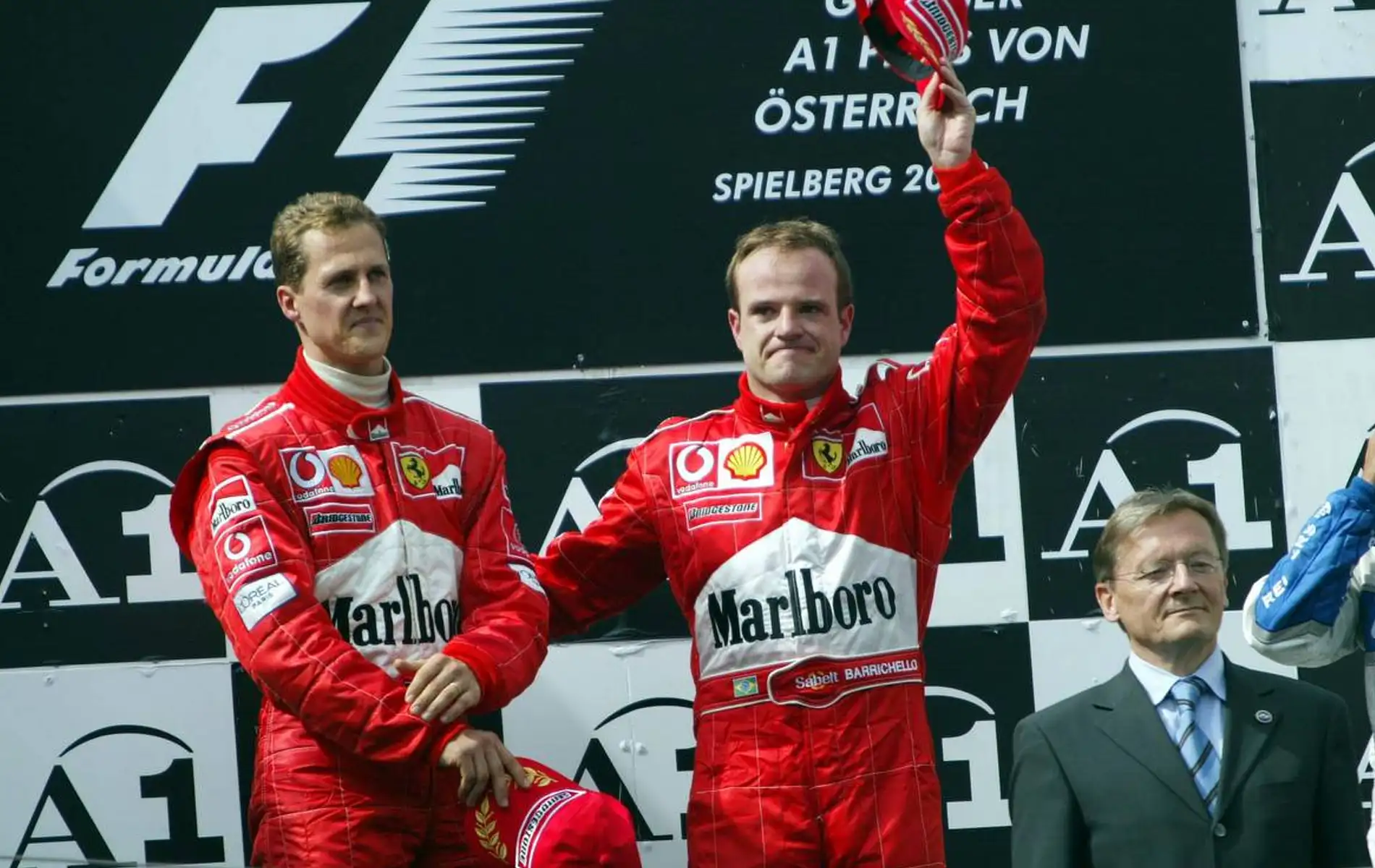
The early 2000s were marked by the dominance of Michael Schumacher, who won in 2002 and 2003. The 2002 race became one of the most controversial in modern Formula One due to team orders, placing Austria firmly in the sport’s political spotlight.
After 2003, the race disappeared from the calendar once again.
Austrian Grand Prix Winners: 2014 to Today
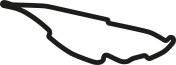
Rescued and rebuilt under Red Bull ownership, the circuit returned in 2014 as the Red Bull Ring. The new era began with back-to-back wins for Nico Rosberg in 2014 and 2015 for Mercedes.
The track quickly became synonymous with intense intra-team battles. In 2016, Lewis Hamilton and Rosberg collided on the final lap, handing victory to Hamilton.
From 2018 onwards, Austria often belonged to Max Verstappen. His victories in 2018, 2019, 2021 and 2023 cemented the circuit as a stronghold for Red Bull, with vast orange-clad crowds turning the hills into a sea of Dutch support.
See also…

The pandemic affected the seasons, bringing unique circumstances. Valtteri Bottas won the delayed 2020 season opener at Spielberg, while the venue also hosted an additional event under a different name that year, the 2020 Styrian Grand Prix.
Ferrari returned to the top step in 2022 through Charles Leclerc, ending Verstappen’s run at the track.
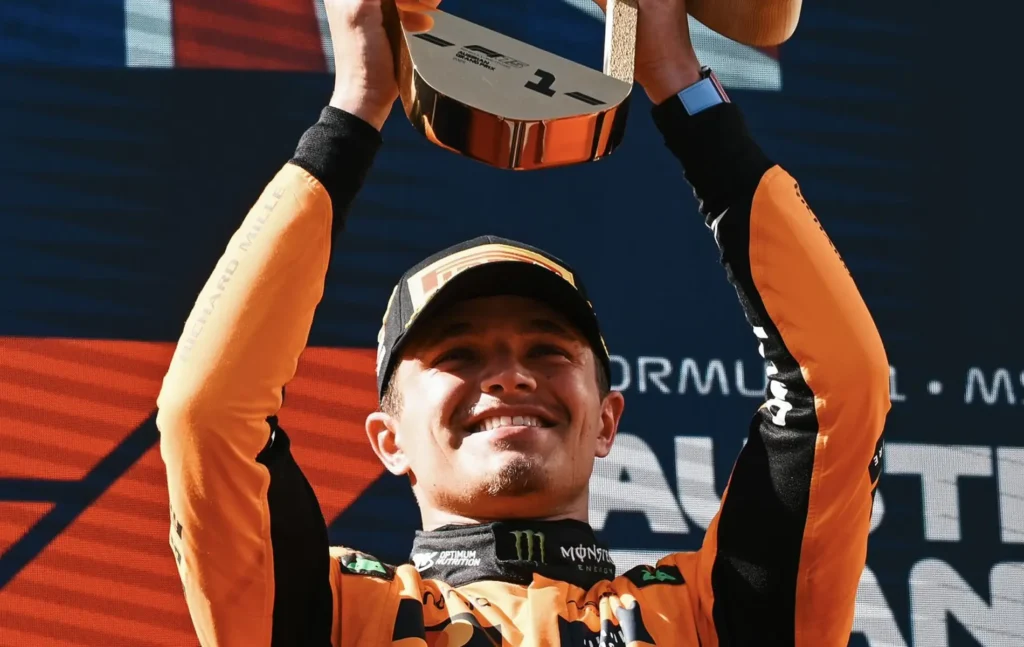
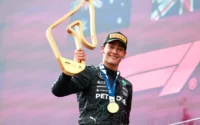
Recent seasons have continued the tradition of unpredictability. George Russell delivered a measured victory after a late collision between leaders Norris and Verstappen in 2024, before Lando Norris added his name to the winners’ list in 2025 with a controlled performance for McLaren.
A Circuit That Rewards Commitment
Few tracks combine speed, elevation and overtaking opportunity quite like Austria. Every winner has had to master heavy braking zones, rapid direction changes and the ever-present threat of changing weather in the Styrian hills.
With its contract secured for the long term and its place firmly embedded in mid-season battles, the Austrian Grand Prix continues to add new names to a winners’ list that spans more than six decades of Formula 1 history.
More F1 Race Winners
From Adelaide to Silverstone to Monza and Spa, we chart the full story of every F1 winner from each event’s first race to the last.
Seen in: